
Disclosure: As an Amazon Associate, Bookish Wisdom earns from qualifying purchases. This doesn’t change our picks or your price.
Quick answer: These 15 mystery books suit middle schoolers (ages 10–13). Start with The Westing Game, Chasing Vermeer, From the Mixed-Up Files of Mrs. Basil E. Frankweiler, The Mysterious Benedict Society, Greenglass House or Framed!. Each pick below has a short blurb, an age range and a content note where it matters.
Mysteries are a gateway genre for middle schoolers. A good puzzle keeps even a reluctant reader turning pages, because they want to know who did it, and trying to solve the case alongside the detective builds logic and close-reading skills. This list balances classics with newer favorites, from locked-room puzzles and art thefts to boarding-school secrets and detective clubs. Most books are clean and suitable for ages 10 and up, and a few include tense moments, so we have added short notes where they matter. Whether your child loves cozy whodunits or fast adventures with clues, you will find a book here that fits.
Table of Contents
Quick Picks at a Glance
| Book | Author | Ages | Best For |
|---|---|---|---|
| The Westing Game | Ellen Raskin | 10–13 | puzzle lovers |
| Chasing Vermeer | Blue Balliett | 9–12 | art and code fans |
| From the Mixed-Up Files of Mrs. Basil E. Frankweiler | E.L. Konigsburg | 9–12 | curious readers |
| The Mysterious Benedict Society | Trenton Lee Stewart | 9–13 | team adventure fans |
| Greenglass House | Kate Milford | 10–13 | cozy-mystery readers |
| Framed! | James Ponti | 9–12 | funny detective fans |
| Three Times Lucky | Sheila Turnage | 10–13 | Southern voice lovers |
| The London Eye Mystery | Siobhan Dowd | 10–13 | logical thinkers |
| Escape from Mr. Lemoncello’s Library | Chris Grabenstein | 8–12 | game and puzzle fans |
| The Secret of the Old Clock | Carolyn Keene | 8–12 | classic series readers |
| The Tower Treasure | Franklin W. Dixon | 8–12 | adventure-mystery fans |
| The Case of the Missing Marquess | Nancy Springer | 10–13 | Sherlock Holmes fans |
| Murder Is Bad Manners | Robin Stevens | 10–13 | boarding-school fans |
| Holes | Louis Sachar | 10–13 | readers who like layered stories |
| City Spies | James Ponti | 10–13 | action-mystery fans |
1. The Westing Game by Ellen Raskin
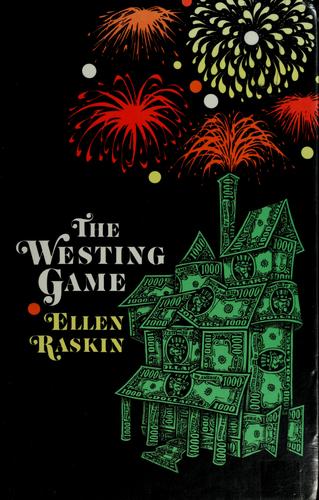
Sixteen strangers are named heirs to a millionaire’s fortune and paired up to solve his murder. Secrets, misleading clues and eccentric characters make this Newbery-winning classic a puzzle that readers revisit. Kids enjoy keeping notes on suspects and guessing who is lying. It is clever, funny and surprisingly moving by the end.
Best for: puzzle lovers. Ages: 10–13.
2. Chasing Vermeer by Blue Balliett
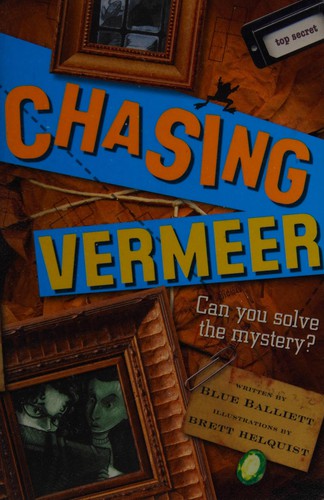
When a Vermeer painting is stolen, sixth graders Petra and Calder use pentominoes, codes and clues to track it down. Photographs and puzzles are woven into the story, so readers feel like part of the investigation. It is a smart choice for kids who enjoy art, math or secret messages.
Best for: art and code fans. Ages: 9–12.
3. From the Mixed-Up Files of Mrs. Basil E. Frankweiler by E.L. Konigsburg
Claudia and her brother run away to live in New York’s Metropolitan Museum of Art and become fascinated by a mysterious statue. This Newbery winner is gentle, witty and full of fun details about museum life. It is a mystery of discovery more than danger, perfect for thoughtful readers.
Best for: curious readers. Ages: 9–12.
4. The Mysterious Benedict Society by Trenton Lee Stewart
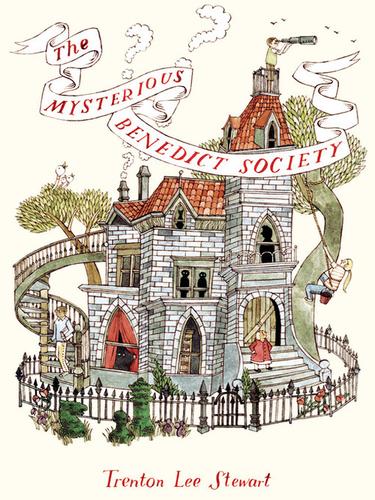
Four gifted children answer a strange newspaper ad and are recruited for a secret mission inside a sinister school. Riddles, tests and teamwork drive a long, rewarding story with warm friendships. It is a great pick for kids who love puzzles and want a book that lasts.
Best for: team adventure fans. Ages: 9–13.
5. Greenglass House by Kate Milford
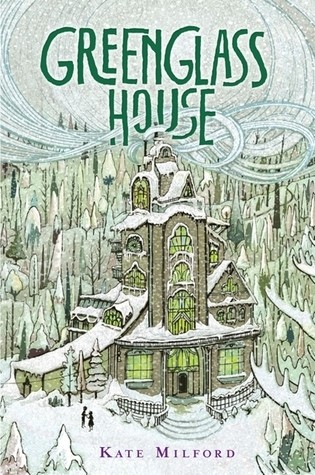
On a snowy winter night, strange guests arrive at a smugglers’ inn, and Milo, the innkeepers’ adopted son, begins to investigate. The setting is atmospheric and the story layers folklore, role-playing and secrets. It is slower paced and best for readers who like to savor atmosphere.
Best for: cozy-mystery readers. Ages: 10–13.
6. Framed! by James Ponti
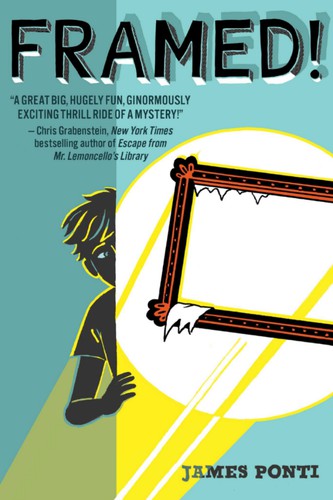
Florian Bates, a twelve-year-old with a talent for noticing details, helps the FBI after a robbery at the National Gallery of Art. Humor, quick chapters and clever deduction rules make it easy to follow. A strong pick for kids who like TV detectives and want a fast, funny read.
Best for: funny detective fans. Ages: 9–12.
7. Three Times Lucky by Sheila Turnage
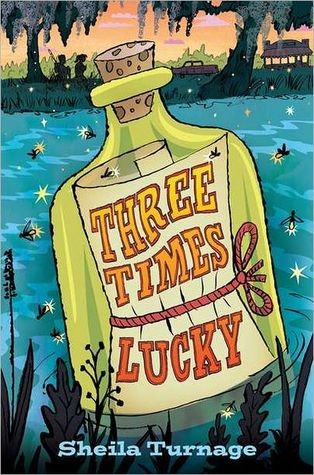
Eleven-year-old Mo LoBeau, rescued as a baby by a flood, helps Miss Colonel Love and the Desperado Detectives solve a murder in a small North Carolina town. The narrator’s voice is lively and funny, and the mystery has real heart. It is a good choice for readers who enjoy humor. Content note: a murder in the story and some suspense.
Best for: Southern voice lovers. Ages: 10–13.
8. The London Eye Mystery by Siobhan Dowd
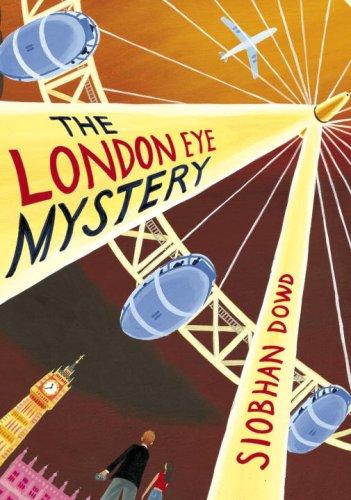
A boy steps into a capsule on the London Eye and never comes out. Ted, whose brain works differently, and his sister Kat investigate. Ted’s analytical narration offers a fresh perspective and shows how different minds solve problems. It is smart, kind and gripping.
Best for: logical thinkers. Ages: 10–13.
9. Escape from Mr. Lemoncello’s Library by Chris Grabenstein
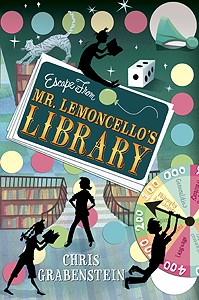
Twelve kids compete to escape the amazing new library built by eccentric game maker Mr. Lemoncello. Riddles, references to classic books and fast pacing make it an excellent pick for readers who love games. It is light, funny and a fine way to encourage kids to enjoy libraries.
Best for: game and puzzle fans. Ages: 8–12.
10. The Secret of the Old Clock by Carolyn Keene
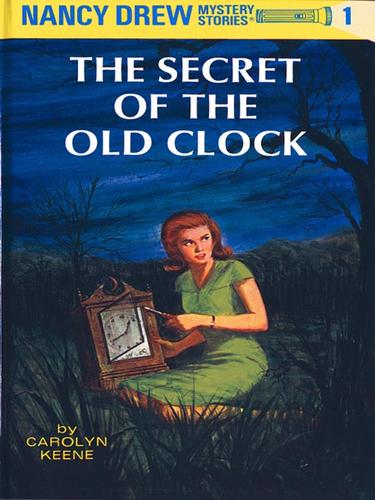
Nancy Drew’s first case sends her searching for a missing will in an old mansion. The writing is brisk and the plot easy to follow, and the long series offers plenty of follow-ups. Some editions are updated, so check the version if you want a modern feel.
Best for: classic series readers. Ages: 8–12.
11. The Tower Treasure by Franklin W. Dixon
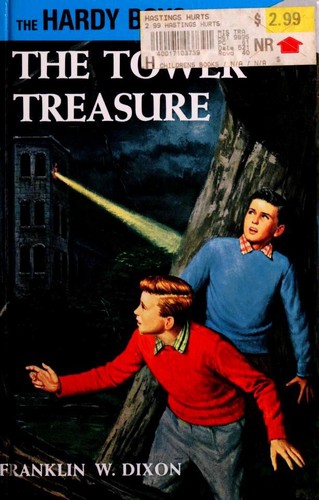
Frank and Joe Hardy investigate a robbery and a hidden fortune in the first Hardy Boys book. The pacing is quick and the cliffhangers are simple, which makes it a good bridge to longer mysteries. Like Nancy Drew, it spawned a huge series, so there is more to read.
Best for: adventure-mystery fans. Ages: 8–12.
12. The Case of the Missing Marquess by Nancy Springer
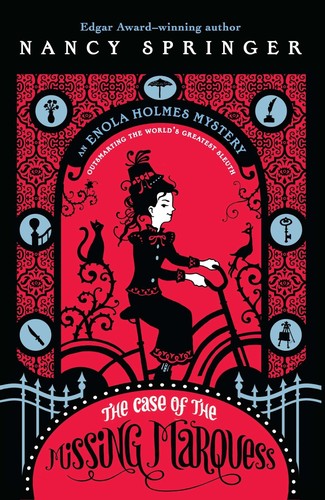
Enola Holmes, the much younger sister of Sherlock, disguises herself and sets out to find her missing mother, then stumbles into another case. The Victorian setting and Enola’s sharp wit are a delight. Fans of the film adaptation will enjoy the books as well.
Best for: Sherlock Holmes fans. Ages: 10–13.
13. Murder Is Bad Manners by Robin Stevens
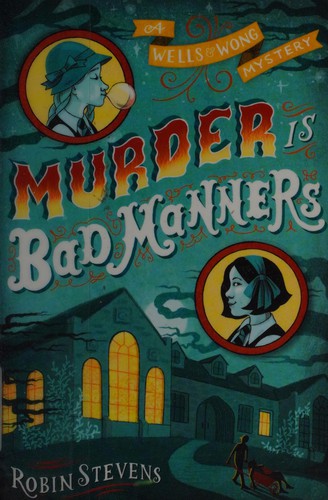
At Deepdean School for Girls, Hazel Wong and Daisy Wells form a detective society after finding a body. Set in the 1930s, it combines British boarding-school charm with a classic whodunit. It handles murder in a gentle way, though the subject may be a lot for sensitive readers. Content note: a murder and suspense.
Best for: boarding-school fans. Ages: 10–13.
14. Holes by Louis Sachar
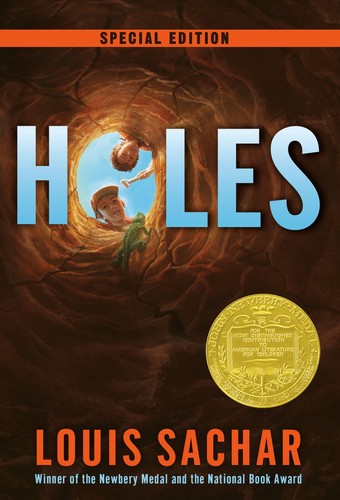
Stanley Yelnats is sent to a desert detention camp where boys dig holes all day. Gradually, the mystery of why connects past and present. The plot is clever and the characters memorable. It is short, funny and powerful, a perfect classroom and home favorite.
Best for: readers who like layered stories. Ages: 10–13.
15. City Spies by James Ponti
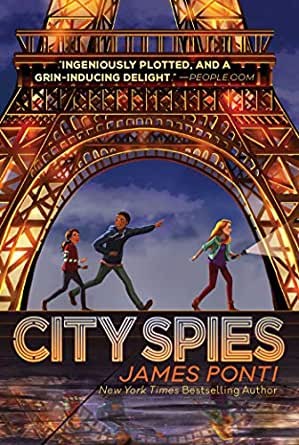
Sara, a young hacker, joins a hidden British intelligence team of kid spies and investigates a case in Paris. The pace is fast and the tone is playful. It suits readers who want spy gadgets, teamwork and global travel along with their puzzles.
Best for: action-mystery fans. Ages: 10–13.
How to Match a Mystery Book to Your Middle School
Middle school readers range widely. One eleven-year-old may still love illustrated chapter books, while another is ready for novels with darker themes. Start with the reader’s current favorites, then pick a mystery title with a similar length and pace. Look at the first page together: if your middle school can read it smoothly and wants to continue, it is a good fit. Short chapters and strong openings help hesitant readers, while avid readers can handle longer books and series. Pay attention to content notes in this list, and preview a book if your child is sensitive to a particular topic. When in doubt, offer two or three choices and let your child decide, because a book they choose is a book they are more likely to finish.
A Simple Reading Plan for Mystery Books
Choose one book from the list to start this week and set a modest goal, such as twenty minutes a day. Keep a library card in use, since borrowing lets your child try several mystery books without cost. Read the same book yourself, or listen to it as an audiobook in the car, so you can chat about it at dinner. When your middle school finishes, ask which part they liked best and whether they want to try the next book in a series or a similar title from this list. A simple chart on the fridge can track finished books. Celebrate progress with a trip to the library or bookstore rather than with screen time or a prize.
Why Mystery Books Matter for Middle Schoolers
Reading mystery books during the middle school years does more than fill free time. Children this age are building stamina for longer texts, growing their vocabulary and learning to follow complex plots, and they do those things best when they enjoy what they read. A book that fits their interests teaches them that reading is a source of pleasure, not only an assignment. It also gives you a way to talk about hard subjects, friendships and choices through characters, which can be easier than talking about their own lives. Research on reading habits repeatedly finds that children who read for fun do better in school, so a good mystery book is worth far more than its price.
Where to Find and How to Read These Books
Buying every book on this list is not necessary. Start at your public library, where you can borrow print copies, e-books and audiobooks with a free card, and use the holds feature for popular titles. Paperbacks are usually the best value for books your child will reread, and hardcovers hold up better for favorites that will be passed down. Used copies are often cheap, and a classroom or neighborhood swap can add variety. Large-print or dyslexia-friendly editions help some readers, and audiobooks are a good support for children who are building stamina. Whatever format you choose, keep a few mystery books visible on a shelf or by the bed so reading is the easy choice.
After the Last Page: What to Read Next
The last page of a book is a good moment to keep the momentum going. Ask your child what they liked, then look for the sequel, another book by the same author or a similar title from this list. Many children enjoy a small ritual, such as choosing the next mystery book at the library every week. If a book did not work, treat that as information, not failure; it simply tells you what to try next. Notice patterns, such as whether your child prefers short chapters, humor or fast plots, and use them to guide future picks. Over a few months, those small choices add up to a real reading habit.
A Quick Checklist Before You Pick a Mystery Book
Ask these questions before you borrow or buy:
- Is the length right? A 150-page book is a confident win, while a 400-page book is a project.
- Does the first chapter hook your child within a few pages?
- Is the content right for their age and sensitivity?
- Is there a sequel or companion book waiting if they love it?
- Can you find it at your library so there is no risk?
Questions to Talk About After Reading
These work for almost any book on this list:
- What was your favorite part, and why?
- Which character would you want as a friend?
- What would you have done differently in the main character’s place?
- Did the ending surprise you?
- Which book from this list do you want to read next?
Tips for Choosing Mystery Books for Middle Schoolers
- Pick a puzzle style. Some books play fair with clues, while others focus on adventure. Ask which your child prefers.
- Try a series. Series such as Nancy Drew, The Hardy Boys and Enola Holmes give readers many more books once they like the style.
- Encourage a detective notebook. Writing down clues and suspects turns reading into an active game and strengthens comprehension.
- Check the tension level. Most books here are mild, but a few involve murder, so preview them for sensitive readers.
- Mix formats. Audiobooks of mysteries are great for car rides and let kids focus on the clues.
Related: 15 best book club books for middle schoolers and 15 best books for reluctant readers in middle school.
Frequently Asked Questions
What age are mystery books for middle school?
Most are written for ages 9 to 13. Individual books vary, so check reading level and content, particularly for books that involve murder or danger.
What is a good first mystery for a 10-year-old?
The Westing Game, Escape from Mr. Lemoncello’s Library and Framed! are popular starters. They have strong hooks, clear stakes and clean content.
How do I get a reluctant reader into mysteries?
Offer short books with quick chapters, like The Tower Treasure or Framed!, and try an audiobook. Mysteries naturally hook readers because they want to find out what happened.