
Disclosure: As an Amazon Associate, Bookish Wisdom earns from qualifying purchases. This doesn't change our picks or your price.
Quick answer: The best nonfiction books for 5th graders include Hidden Figures (Young Readers' Edition) by Margot Lee Shetterly, The Boy Who Harnessed the Wind (Young Readers Edition) by William Kamkwamba and Bryan Mealer and Who Was? series: Who Was Albert Einstein? by Jess Brallier, plus twelve more strong picks. Each one below has a short description and who it suits best, with a quick table to compare them.
Fifth graders are curious about how the world works, and great nonfiction feeds that curiosity. These books cover space, history, science and real heroes, with strong writing and photos that make them as gripping as a novel.
Table of Contents
Quick Picks at a Glance
| Book | Author | Ages | Best for |
|---|---|---|---|
| Hidden Figures (Young Readers' Edition) | Margot Lee Shetterly | 9-12 | math and space |
| The Boy Who Harnessed the Wind (Young Readers Edition) | William Kamkwamba and Bryan Mealer | 9-12 | inventors |
| Who Was? series: Who Was Albert Einstein? | Jess Brallier | 8-12 | biography fans |
| Bomb | Steve Sheinkin | 11-14 | thriller-style history |
| National Geographic Kids Almanac | National Geographic Kids | 8-12 | browsing |
| Guts | Raina Telgemeier | 8-12 | graphic memoir |
| Brown Girl Dreaming | Jacqueline Woodson | 10-13 | verse memoir |
| The Way Things Work Now | David Macaulay | 9-14 | how things work |
| I Survived True Stories: Five Epic Disasters | Lauren Tarshis | 8-12 | disaster fans |
| Chasing Space (Young Readers' Edition) | Leland Melvin | 9-12 | astronauts |
| Lost in the Pacific, 1942 | Tod Olson | 9-12 | survival stories |
| The Wright Brothers: How They Invented the Airplane | Russell Freedman | 9-13 | inventors |
| Who Was Jackie Robinson? | Gail Herman | 8-12 | sports history |
| Women in Science | Rachel Ignotofsky | 9-13 | STEM inspiration |
| Everything You Need to Ace Science in One Big Fat Notebook | Workman Publishing | 10-14 | school help |
1. Hidden Figures (Young Readers' Edition) by Margot Lee Shetterly
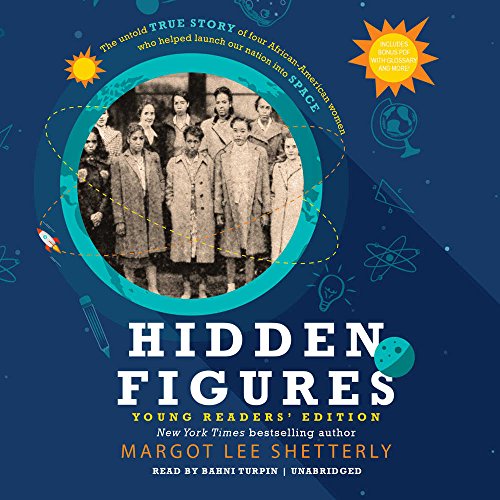
The Black women mathematicians who helped NASA send astronauts into space. Ages 9-12.
2. The Boy Who Harnessed the Wind (Young Readers Edition) by William Kamkwamba and Bryan Mealer
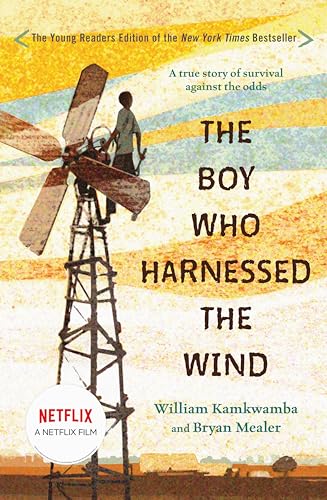
A Malawian teen builds a windmill from scrap to bring power to his village. Ages 9-12.
3. Who Was? series: Who Was Albert Einstein? by Jess Brallier
A short, illustrated life of the scientist who changed physics. Ages 8-12.
4. Bomb by Steve Sheinkin
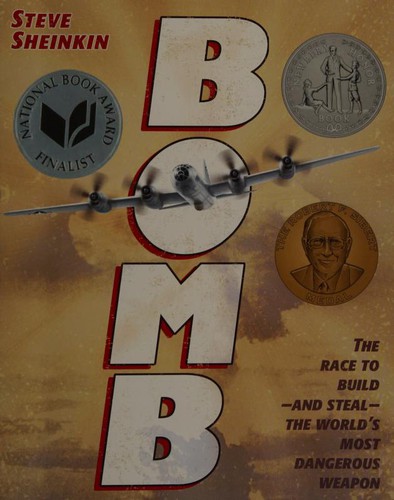
The race to build the atomic bomb, told like a spy novel. Ages 11-14.
5. National Geographic Kids Almanac by National Geographic Kids
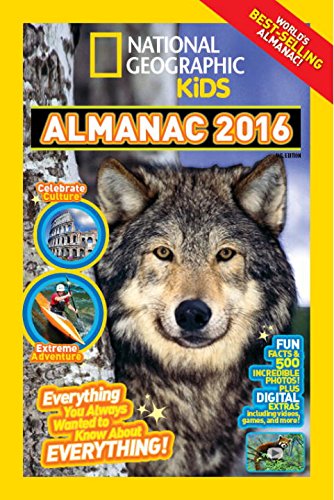
Hundreds of facts, photos and maps, updated every year. Ages 8-12.
6. Guts by Raina Telgemeier
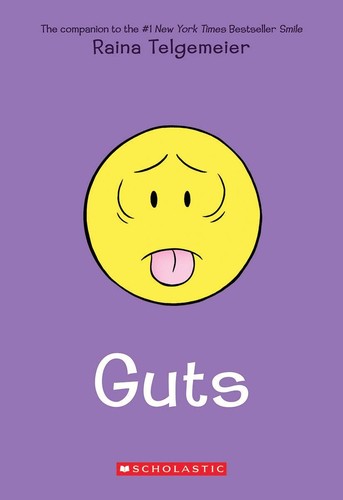
Raina's true story of anxiety and stomach trouble in fifth grade. Ages 8-12.
7. Brown Girl Dreaming by Jacqueline Woodson
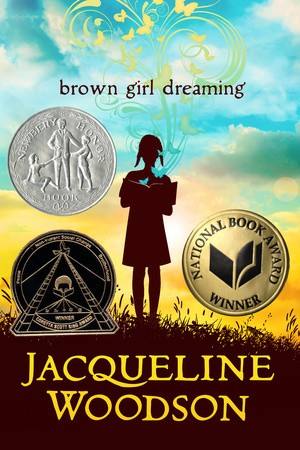
Woodson's childhood in South Carolina and Brooklyn, in poems. Ages 10-13.
8. The Way Things Work Now by David Macaulay
Detailed drawings explain machines from zippers to computers. Ages 9-14.
9. I Survived True Stories: Five Epic Disasters by Lauren Tarshis
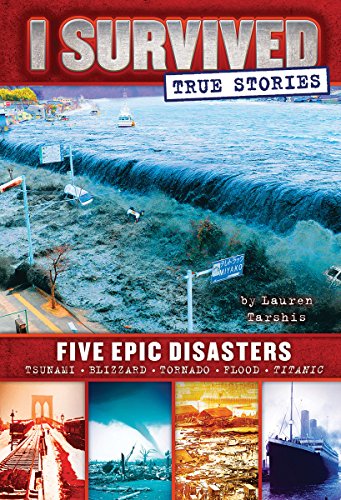
Real accounts of the Titanic, the Great Molasses Flood and more. Ages 8-12.
10. Chasing Space (Young Readers' Edition) by Leland Melvin
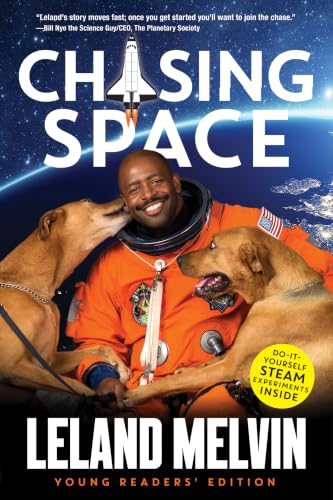
A former NFL player tells how he became a NASA astronaut. Ages 9-12.
11. Lost in the Pacific, 1942 by Tod Olson
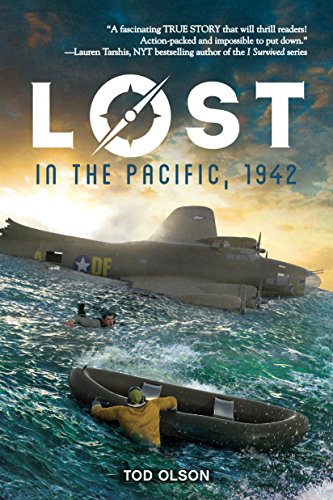
The true story of airmen who crashed at sea in World War II and survived for weeks on rafts. Ages 9-12.
12. The Wright Brothers: How They Invented the Airplane by Russell Freedman
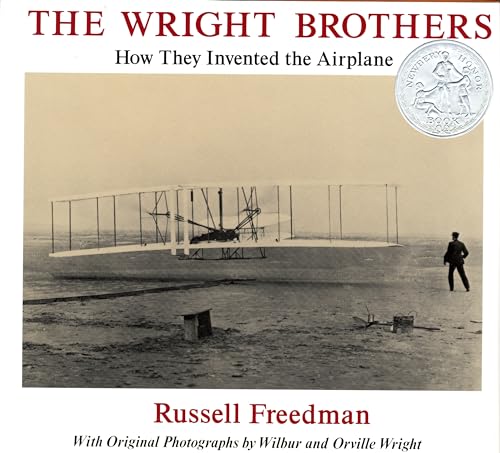
A Newbery Honor account of the Wright brothers, with original photos. Ages 9-13.
13. Who Was Jackie Robinson? by Gail Herman
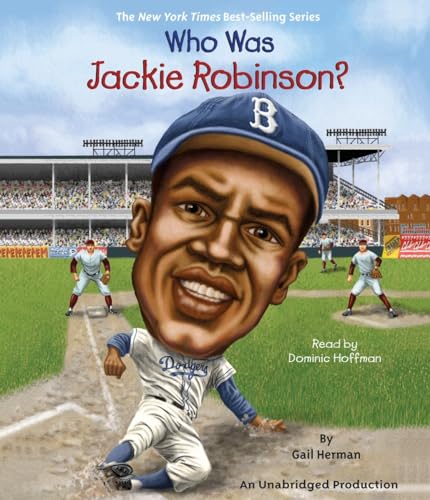
How Jackie Robinson broke baseball's color barrier. Ages 8-12.
14. Women in Science by Rachel Ignotofsky
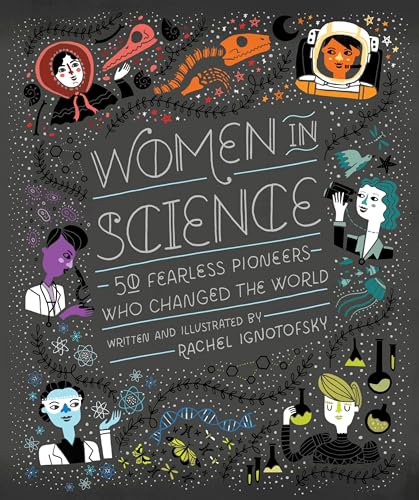
Fifty illustrated profiles of women who changed science. Ages 9-13.
15. Everything You Need to Ace Science in One Big Fat Notebook by Workman Publishing
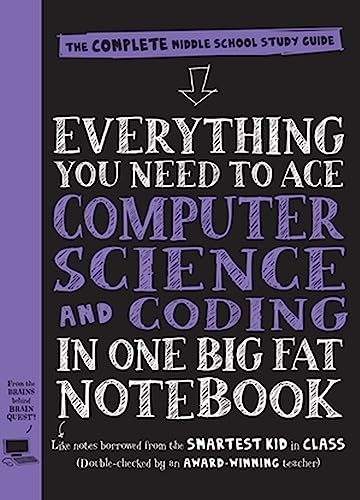
Notes-style pages make middle-school science easy to review. Ages 10-14.
How to Choose
For reluctant readers, Guts and the I Survived True Stories books are fast and gripping. Strong readers will enjoy Bomb and Hidden Figures, and the Almanac is perfect for browsing.
How We Chose These Books
Every pick is a real, widely available book with strong reviews from parents, teachers and librarians. We mixed well-known favourites with a few less obvious titles and gave each one a suggested age range. Age ranges are guides, not rules, so preview a book first if your child is sensitive to a topic.
Tips for Sharing These Books
- Preview first. A quick skim helps you spot anything worth talking about.
- Read together. Ask what a character feels or might do next.
- Use the library. Borrow a few titles and see which ones your reader returns to.
Frequently Asked Questions
Which book should I start with?
Hidden Figures (Young Readers' Edition) by Margot Lee Shetterly is a strong first pick, and every book on this list is worth a look.
What ages are these books for?
The books on this list suit roughly ages 8 to 14, and each entry shows its own suggested range.
Where can I find these books?
Most of these titles are easy to find at public libraries and bookshops, and many are also available as ebooks or audiobooks.
Related: Brown Girl Dreaming by Jacqueline Woodson: Summary and Key Takeaways · Historical Fiction Books for 5th Graders: Our 15 Favorites