
Disclosure: As an Amazon Associate, Bookish Wisdom earns from qualifying purchases. This doesn't change our picks or your price.
Quick answer: The best nonfiction books for high school students include March: Book One by John Lewis, Andrew Aydin and Nate Powell, The Immortal Life of Henrietta Lacks by Rebecca Skloot and Into the Wild by Jon Krakauer, plus twelve more strong picks. Each one below has a short description and who it suits best, with a quick table to compare them.
Nonfiction for high school students can be just as gripping as fiction, with true crime, science, history and memoir. These picks are popular for school reading lists and personal reading alike.
Each book below has a short description and a note on who it suits best. Use the quick table to compare the picks at a glance, then read the full entries for the titles that catch your eye.
Table of Contents
Quick Picks at a Glance
| Book | Author | Ages | Best for |
|---|---|---|---|
| March: Book One | John Lewis, Andrew Aydin and Nate Powell | 13+ | civil rights |
| The Immortal Life of Henrietta Lacks | Rebecca Skloot | 14+ | medical ethics |
| Into the Wild | Jon Krakauer | 15+ | adventure |
| Bomb | Steve Sheinkin | 12+ | history |
| Band of Brothers | Stephen E. Ambrose | 15+ | WWII history |
| The Boys in the Boat | Daniel James Brown | 15+ | teamwork |
| Hidden Figures | Margot Lee Shetterly | 14+ | NASA |
| The Boy Who Harnessed the Wind | William Kamkwamba and Bryan Mealer | 15+ | ingenuity |
| I Am Malala | Malala Yousafzai | 13+ | activism |
| Outliers | Malcolm Gladwell | 15+ | success |
| Freakonomics | Steven D. Levitt and Stephen J. Dubner | 15+ | economics |
| A Short History of Nearly Everything | Bill Bryson | 15+ | science |
| Stamped: Racism, Antiracism, and You | Jason Reynolds and Ibram X. Kendi | 13+ | history |
| Endurance | Alfred Lansing | 15+ | survival |
| The Radium Girls (Young Readers' Edition) | Kate Moore | 12+ | workers' rights |
1. March: Book One by John Lewis, Andrew Aydin and Nate Powell
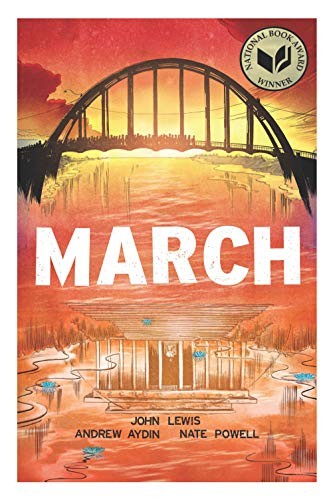
The late congressman's graphic memoir of the civil rights movement. Ages 13+.
2. The Immortal Life of Henrietta Lacks by Rebecca Skloot
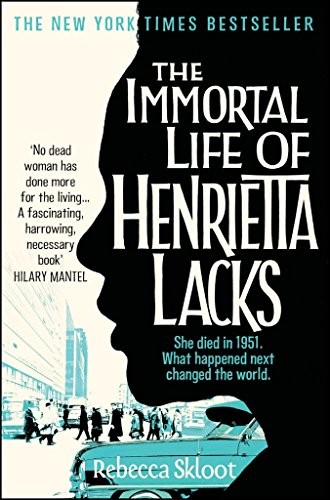
Henrietta's cells changed science. Ages 14+.
3. Into the Wild by Jon Krakauer
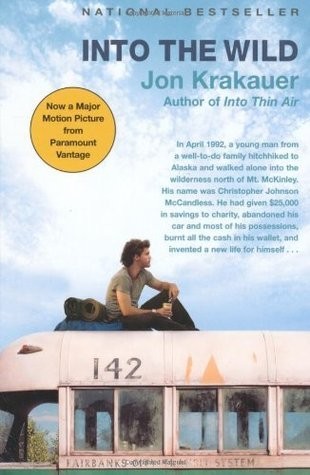
A young man in Alaska. Ages 15+.
4. Bomb by Steve Sheinkin
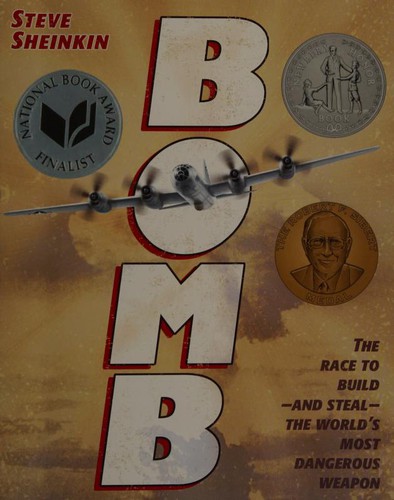
The race to build the bomb. Ages 12+.
5. Band of Brothers by Stephen E. Ambrose
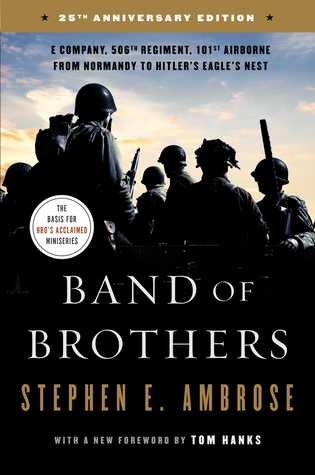
The men of Easy Company from training to the end of World War II. Ages 15+.
6. The Boys in the Boat by Daniel James Brown
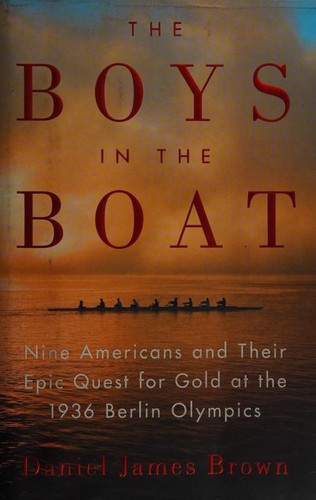
A rowing team wins gold. Ages 15+.
7. Hidden Figures by Margot Lee Shetterly
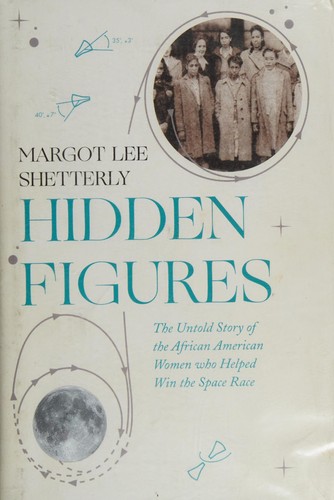
The women behind the space race. Ages 14+.
8. The Boy Who Harnessed the Wind by William Kamkwamba and Bryan Mealer
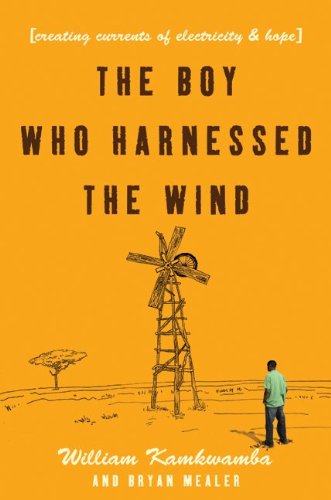
A Malawian teen builds a windmill from scrap to save his village from famine. Ages 15+.
9. I Am Malala by Malala Yousafzai
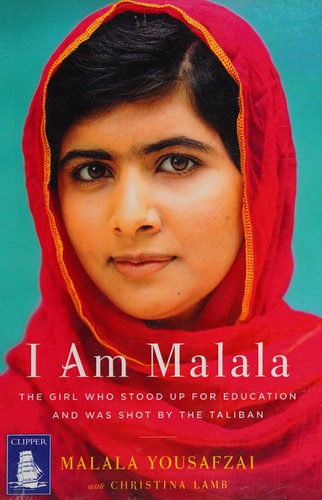
Malala's fight. Ages 13+.
10. Outliers by Malcolm Gladwell
What makes people successful. Ages 15+.
11. Freakonomics by Steven D. Levitt and Stephen J. Dubner
Surprising answers to everyday questions. Ages 15+.
12. A Short History of Nearly Everything by Bill Bryson
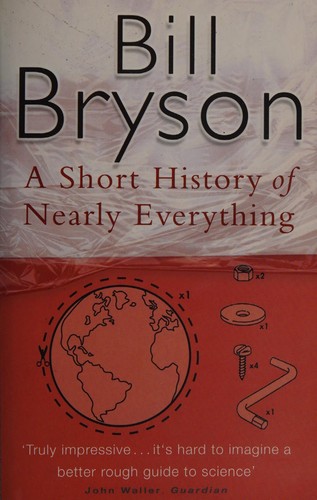
A funny tour of science history. Ages 15+.
13. Stamped: Racism, Antiracism, and You by Jason Reynolds and Ibram X. Kendi
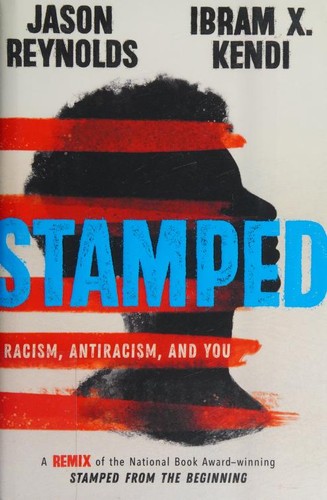
The history of racist ideas. Ages 13+.
14. Endurance by Alfred Lansing
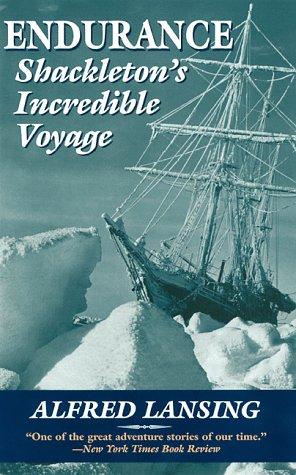
Shackleton's Antarctic expedition. Ages 15+.
15. The Radium Girls (Young Readers' Edition) by Kate Moore
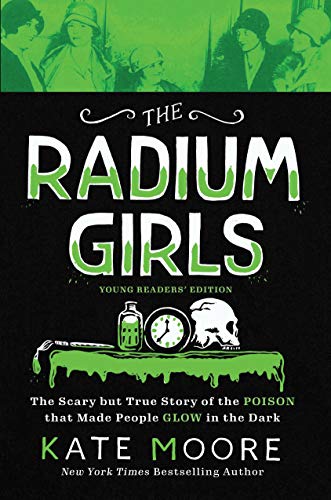
Women fight back. Ages 12+.
How to Choose
For reluctant readers, Bomb and Endurance read like thrillers. Curious students will love Freakonomics and A Short History of Nearly Everything.
How We Chose These Books
Every pick is a real, widely available book with strong reviews from parents, teachers and librarians. We mixed well-known favourites with a few less obvious titles and gave each one a suggested age range. Age ranges are guides, not rules, so preview a book first if your child is sensitive to a topic.
Tips for Sharing These Books
- Preview first. A quick skim helps you spot anything worth talking about.
- Read together. Ask what a character feels or might do next.
- Use the library. Borrow a few titles and see which ones your reader returns to.
- Talk about it. After each book, ask what your child liked best and what surprised them.
- Keep a list. Write down the titles you finish so you can find more by the same authors.
Frequently Asked Questions
Which book should I start with?
March: Book One by John Lewis, Andrew Aydin and Nate Powell is a strong first pick, and every book on this list is worth a look.
What ages are these books for?
The books on this list suit roughly ages 12 to 15, and each entry shows its own suggested range.
Where can I find these books?
Most of these titles are easy to find at public libraries and bookshops, and many are also available as ebooks or audiobooks.
Related: The Immortal Life of Henrietta Lacks by Rebecca Skloot: Summary and Key Takeaways · Into the Wild by Jon Krakauer: Summary and Key Takeaways