
Disclosure: As an Amazon Associate, Bookish Wisdom earns from qualifying purchases. This doesn't change our picks or your price.
Quick answer: The best nonfiction books for middle schoolers include Bomb by Steve Sheinkin, Hidden Figures (Young Readers' Edition) by Margot Lee Shetterly and The Boy Who Harnessed the Wind (Young Readers Edition) by William Kamkwamba and Bryan Mealer, plus twelve more strong picks. Each one below has a short description and who it suits best, with a quick table to compare them.
Nonfiction for middle schoolers turns history, science and true adventure into page-turners. These picks are written for readers aged 10 to 14 and are great for school projects and curious minds.
Table of Contents
Quick Picks at a Glance
| Book | Author | Ages | Best for |
|---|---|---|---|
| Bomb | Steve Sheinkin | 11-14 | history thrillers |
| Hidden Figures (Young Readers' Edition) | Margot Lee Shetterly | 10-14 | NASA |
| The Boy Who Harnessed the Wind (Young Readers Edition) | William Kamkwamba and Bryan Mealer | 10-14 | invention |
| I Am Malala (Young Readers Edition) | Malala Yousafzai | 10-14 | activism |
| Who Was? series: Who Was Albert Einstein? | Jess Brallier | 8-12 | biographies |
| I Survived True Stories: Five Epic Disasters | Lauren Tarshis | 8-12 | disasters |
| Lost in the Pacific, 1942 | Tod Olson | 9-13 | survival |
| Chasing Lincoln's Killer | James L. Swanson | 12+ | manhunts |
| The Notorious Benedict Arnold | Steve Sheinkin | 12+ | traitors |
| National Geographic Kids Almanac | National Geographic Kids | 8-13 | browsing |
| Brown Girl Dreaming | Jacqueline Woodson | 10-14 | verse memoir |
| Guts | Raina Telgemeier | 9-13 | graphic memoir |
| The Radium Girls (Young Readers' Edition) | Kate Moore | 12+ | workers' rights |
| Women in Science | Rachel Ignotofsky | 9-14 | STEM |
| The Way Things Work Now | David Macaulay | 9-14 | how things work |
1. Bomb by Steve Sheinkin
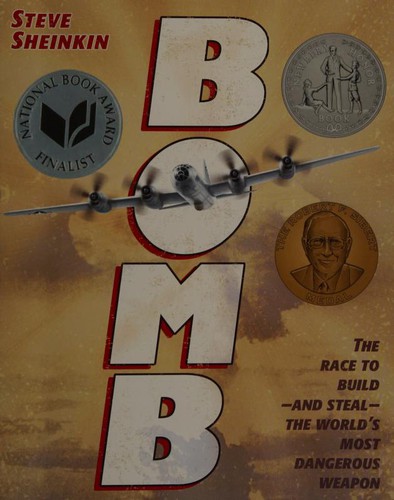
Scientists and spies race to build the atomic bomb. Ages 11-14.
2. Hidden Figures (Young Readers' Edition) by Margot Lee Shetterly
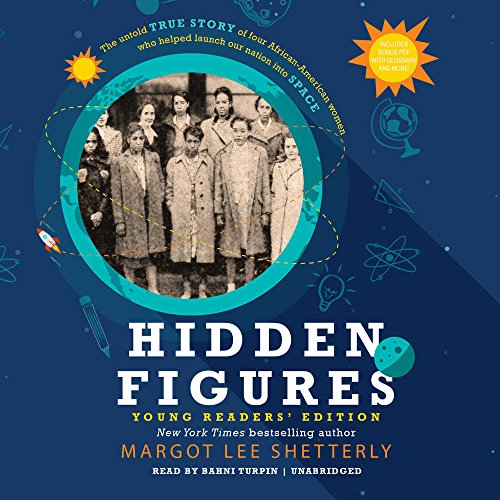
The Black women mathematicians behind the space race. Ages 10-14.
3. The Boy Who Harnessed the Wind (Young Readers Edition) by William Kamkwamba and Bryan Mealer
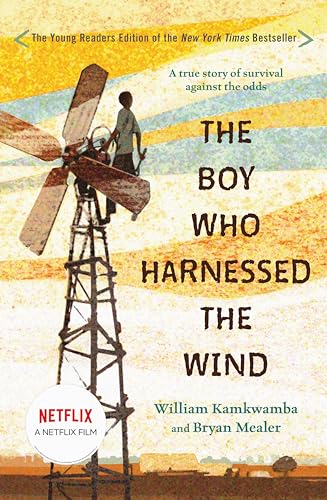
A teen builds a windmill to power his village. Ages 10-14.
4. I Am Malala (Young Readers Edition) by Malala Yousafzai
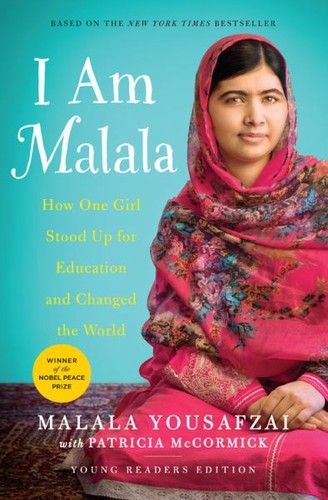
Malala's fight for girls' education. Ages 10-14.
5. Who Was? series: Who Was Albert Einstein? by Jess Brallier
The life of the famous scientist. Ages 8-12.
6. I Survived True Stories: Five Epic Disasters by Lauren Tarshis
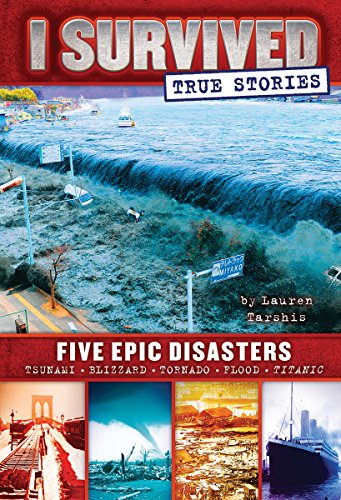
True stories of survival. Ages 8-12.
7. Lost in the Pacific, 1942 by Tod Olson
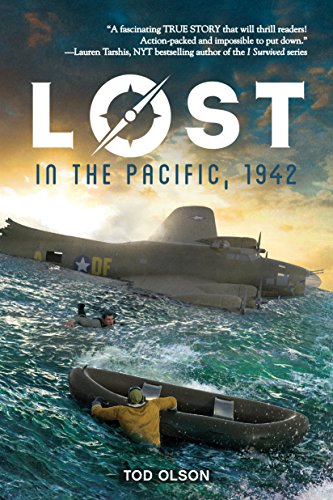
Airmen survive weeks on rafts. Ages 9-13.
8. Chasing Lincoln's Killer by James L. Swanson
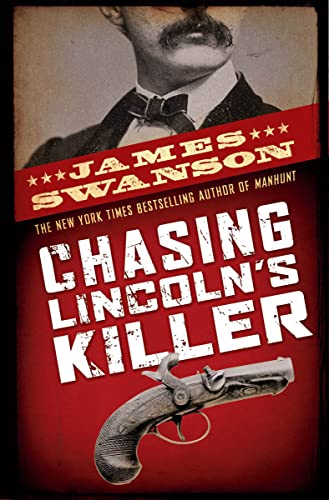
The hunt for John Wilkes Booth. Ages 12+.
9. The Notorious Benedict Arnold by Steve Sheinkin
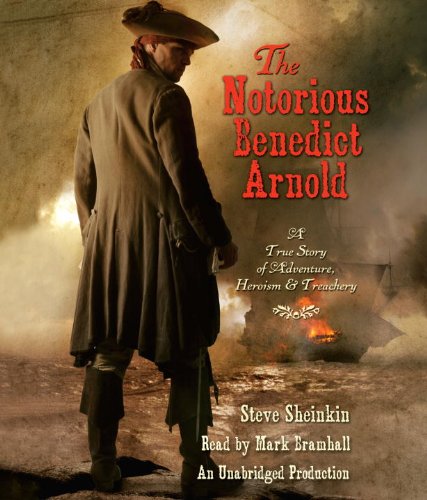
The story behind America's famous traitor. Ages 12+.
10. National Geographic Kids Almanac by National Geographic Kids
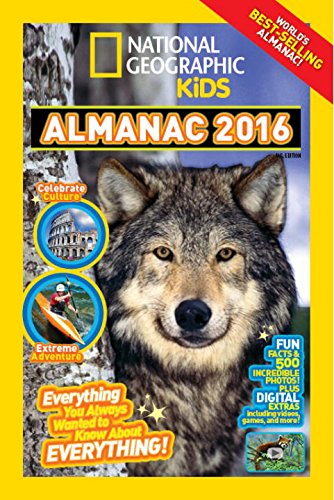
Facts, maps and photos updated every year. Ages 8-13.
11. Brown Girl Dreaming by Jacqueline Woodson
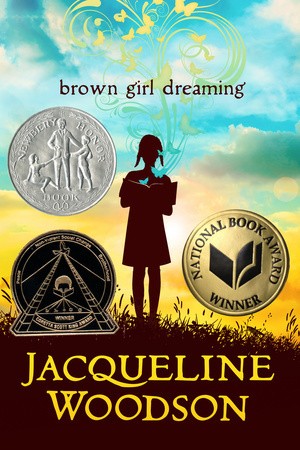
Woodson's childhood in poems. Ages 10-14.
12. Guts by Raina Telgemeier
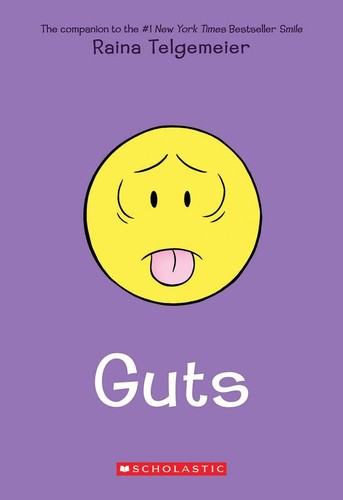
Raina's anxiety and stomach troubles. Ages 9-13.
13. The Radium Girls (Young Readers' Edition) by Kate Moore
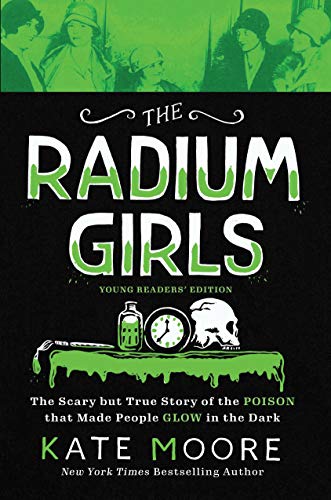
Women poisoned at work fight for justice. Ages 12+.
14. Women in Science by Rachel Ignotofsky
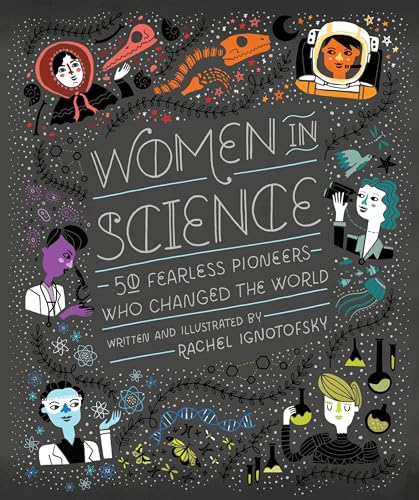
Fifty women who changed science. Ages 9-14.
15. The Way Things Work Now by David Macaulay
Detailed drawings of machines. Ages 9-14.
How to Choose
For reluctant readers, I Survived True Stories and Guts are great. Strong readers will race through Bomb and Chasing Lincoln's Killer.
How We Chose These Books
Every pick is a real, widely available book with strong reviews from parents, teachers and librarians. We mixed well-known favourites with a few less obvious titles and gave each one a suggested age range. Age ranges are guides, not rules, so preview a book first if your child is sensitive to a topic.
Tips for Sharing These Books
- Preview first. A quick skim helps you spot anything worth talking about.
- Read together. Ask what a character feels or might do next.
- Use the library. Borrow a few titles and see which ones your reader returns to.
Frequently Asked Questions
Which book should I start with?
Bomb by Steve Sheinkin is a strong first pick, and every book on this list is worth a look.
What ages are these books for?
The books on this list suit roughly ages 8 to 14, and each entry shows its own suggested range.
Where can I find these books?
Most of these titles are easy to find at public libraries and bookshops, and many are also available as ebooks or audiobooks.
Related: Brown Girl Dreaming by Jacqueline Woodson: Summary and Key Takeaways