

Disclosure: As an Amazon Associate, Bookish Wisdom earns from qualifying purchases. This doesn't change our picks or your price.
Quick answer: If you loved A Brief History of Time, read The Elegant Universe, Cosmos, Astrophysics for People in a Hurry and Seven Brief Lessons on Physics. All explain big ideas about the universe in clear language.
Stephen Hawking's 1988 bestseller explained black holes, the Big Bang and time to a general audience. If you liked its curiosity but want clearer or newer explanations, these books are great next steps. The picks range from short introductions to deeper dives, all written for non-scientists.
Table of Contents
Quick Picks at a Glance
| Book | Author | Ages | Best For |
|---|---|---|---|
| The Universe in a Nutshell | Stephen Hawking | Adult | more Hawking |
| Brief Answers to the Big Questions | Stephen Hawking | Adult | big questions |
| The Elegant Universe | Brian Greene | Adult | string theory |
| Cosmos | Carl Sagan | Adult | wonder and history |
| Astrophysics for People in a Hurry | Neil deGrasse Tyson | Adult | short chapters |
| The Grand Design | Stephen Hawking and Leonard Mlodinow | Adult | physics ideas |
| Black Holes and Baby Universes | Stephen Hawking | Adult | short essays |
| The Fabric of the Cosmos | Brian Greene | Adult | space and time |
| Seven Brief Lessons on Physics | Carlo Rovelli | Adult | short and poetic |
| The Order of Time | Carlo Rovelli | Adult | philosophy of time |
| A Short History of Nearly Everything | Bill Bryson | Adult | all of science |
| Six Easy Pieces | Richard Feynman | Adult | physics basics |
| The Big Picture | Sean Carroll | Adult | big ideas |
| The Particle at the End of the Universe | Sean Carroll | Adult | particle physics |
| Death by Black Hole | Neil deGrasse Tyson | Adult | essays on space |
1. The Universe in a Nutshell by Stephen Hawking
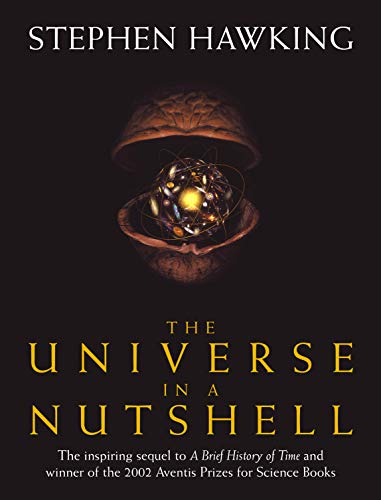
Hawking's follow-up uses illustrations to explain string theory, black holes and more. A friendly companion to his first book.
Best for: more Hawking.
2. Brief Answers to the Big Questions by Stephen Hawking
Published after his death, this short book tackles questions like whether we can predict the future. Direct and readable.
Best for: big questions.
3. The Elegant Universe by Brian Greene
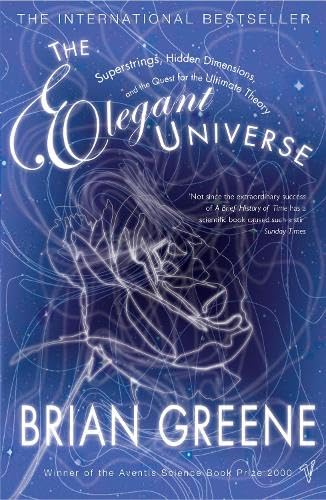
An accessible introduction to string theory and the nature of space and time. Clear and well illustrated with analogies.
Best for: string theory.
4. Cosmos by Carl Sagan
A sweeping history of astronomy and humanity's place in the universe. Beautiful and inspiring.
Best for: wonder and history.
5. Astrophysics for People in a Hurry by Neil deGrasse Tyson
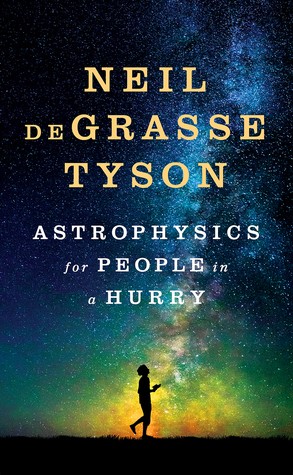
Short chapters on the universe in a quick format. Perfect for busy readers.
Best for: short chapters.
6. The Grand Design by Stephen Hawking and Leonard Mlodinow
A look at the laws of physics and how the universe could arise. Clear and ambitious.
Best for: physics ideas.
7. Black Holes and Baby Universes by Stephen Hawking
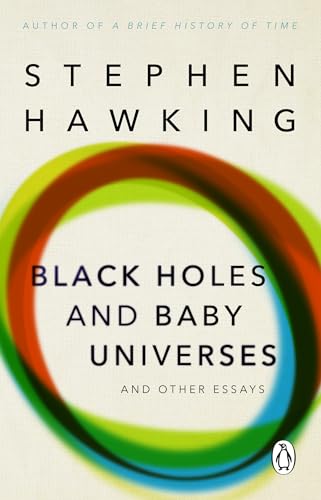
A collection of essays and lectures for a general audience. Easy to dip into.
Best for: short essays.
8. The Fabric of the Cosmos by Brian Greene
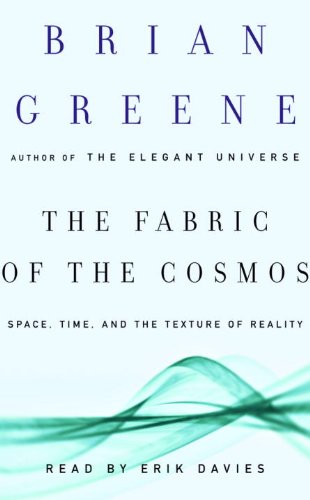
A deeper exploration of space, time and reality. Longer, but written with enthusiasm.
Best for: space and time.
9. Seven Brief Lessons on Physics by Carlo Rovelli
A short, lyrical tour of modern physics. Easily finished in an afternoon.
Best for: short and poetic.
10. The Order of Time by Carlo Rovelli
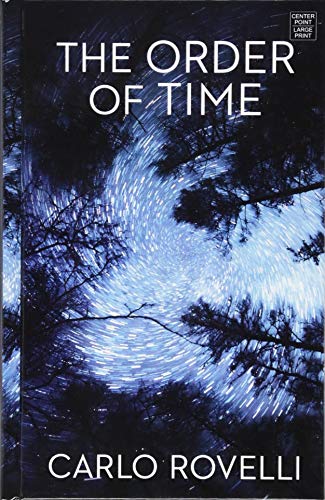
A meditation on what time really is. Beautiful and thought provoking.
Best for: philosophy of time.
11. A Short History of Nearly Everything by Bill Bryson

Bryson tells the story of science from the Big Bang to humans. Funny and wide ranging.
Best for: all of science.
12. Six Easy Pieces by Richard Feynman
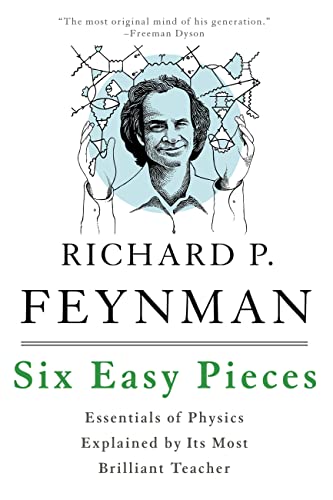
Six lectures on basic physics by a famous teacher. Fun and clear.
Best for: physics basics.
13. The Big Picture by Sean Carroll
Carroll explains how physics, life and meaning fit together. Long and thoughtful.
Best for: big ideas.
14. The Particle at the End of the Universe by Sean Carroll
The story of the search for the Higgs boson. Readable and exciting.
Best for: particle physics.
15. Death by Black Hole by Neil deGrasse Tyson
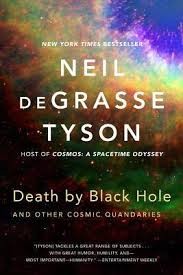
Collected essays on space, science and curiosity. Light and funny.
Best for: essays on space.
How to Choose
For more Hawking, start with The Universe in a Nutshell or Brief Answers to the Big Questions. For the best modern explainers, pick The Elegant Universe, Astrophysics for People in a Hurry or Seven Brief Lessons on Physics. For history and wonder, choose Cosmos or A Short History of Nearly Everything. If you want more depth, read The Fabric of the Cosmos, The Big Picture or The Order of Time. Short essays like Death by Black Hole are great for dipping in. For a gentle start, Seven Brief Lessons on Physics can be finished in an hour. For something with illustrations and diagrams, The Universe in a Nutshell is a good choice. Teachers and parents can pair these with a night of stargazing to bring the ideas to life.
Related: 15 Books Like The Secret History You’ll Love: Dark Academia, Obsession and Elite Secrets · What Is the Best Time of Day to Read? Morning vs Night
Frequently Asked Questions
What is A Brief History of Time about?
Stephen Hawking explains the Big Bang, black holes, space and time for non-scientists.
Is it hard to read?
Some parts are challenging, but it is written for general readers.
When was it published?
It was first published in 1988.
What is a good first physics book?
Astrophysics for People in a Hurry and Seven Brief Lessons on Physics are easy starts.
Are there updated editions?
Yes, later editions added new material and illustrations.
Do I need math?
No, the books use words and analogies instead of equations.
Did Stephen Hawking write other books?
Yes, including The Universe in a Nutshell and a children's series with his daughter Lucy.
Is the science still current?
Parts have been updated by later discoveries, but the core ideas are still relevant.
Is A Brief History of Time still worth reading?
Yes, as a classic introduction. Pair it with a newer book for updated discoveries.