
Disclosure: As an Amazon Associate, Bookish Wisdom earns from qualifying purchases. This doesn't change our picks or your price.
Quick answer: If you read A Clockwork Orange, read Orwell's Nineteen Eighty-Four, Huxley's Brave New World, Zamyatin's We and Bret Easton Ellis's American Psycho. All are dark, inventive novels about violence, control and free will.
Anthony Burgess's 1962 novel follows Alex, a teenage thug who speaks in invented slang called Nadsat and is subjected to a state experiment that removes his capacity for violence. It is shocking, funny and philosophical. Please note it contains graphic violence. The books below offer similar dystopias and disturbing satires.
Table of Contents
Quick Picks at a Glance
| Book | Author | Ages | Best For |
|---|---|---|---|
| Nineteen Eighty-Four | George Orwell | Adult | surveillance state |
| Brave New World | Aldous Huxley | Adult | engineered happiness |
| We | Yevgeny Zamyatin | Adult | the original dystopia |
| Fahrenheit 451 | Ray Bradbury | Adult | burning books |
| The Handmaid's Tale | Margaret Atwood | Adult | oppressive society |
| Lord of the Flies | William Golding | Teen | boys on an island |
| American Psycho | Bret Easton Ellis | Adult | dark satire |
| Less than Zero | Bret Easton Ellis | Adult | Los Angeles excess |
| Trainspotting | Irvine Welsh | Adult | Edinburgh addiction |
| Fight Club | Chuck Palahniuk | Adult | dark satire |
| Catch-22 | Joseph Heller | Adult | war satire |
| Slaughterhouse-Five | Kurt Vonnegut | Adult | strange and funny |
| The Stranger | Albert Camus | Adult | existential classic |
| Darkness at Noon | Arthur Koestler | Adult | show trials |
| Never Let Me Go | Kazuo Ishiguro | Adult | slow-burn sadness |
1. Nineteen Eighty-Four by George Orwell
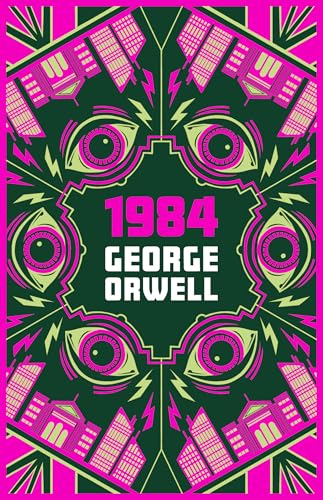
Winston Smith rebels against Big Brother. Bleak and influential.
Best for: surveillance state.
2. Brave New World by Aldous Huxley
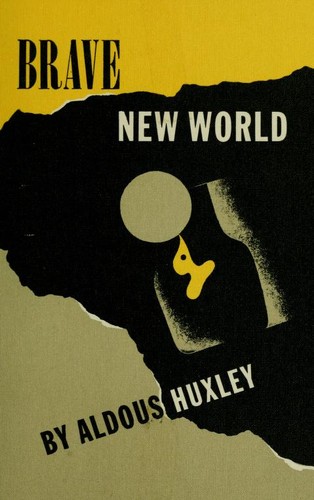
A society engineered for pleasure shows its dark side. A classic of the genre.
Best for: engineered happiness.
3. We by Yevgeny Zamyatin
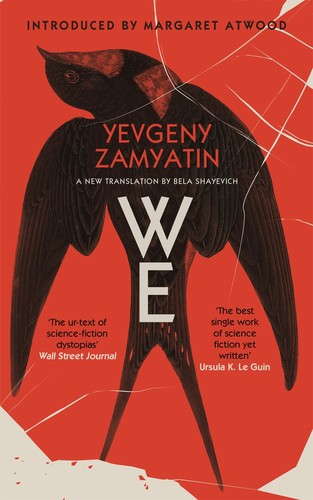
A mathematician in a glass city questions his society. The book that inspired Orwell and Huxley.
Best for: the original dystopia.
4. Fahrenheit 451 by Ray Bradbury
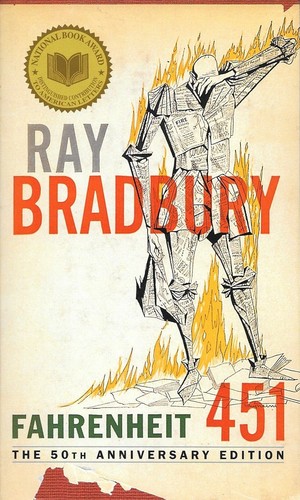
A fireman starts to question his job. Short and lyrical.
Best for: burning books.
5. The Handmaid's Tale by Margaret Atwood
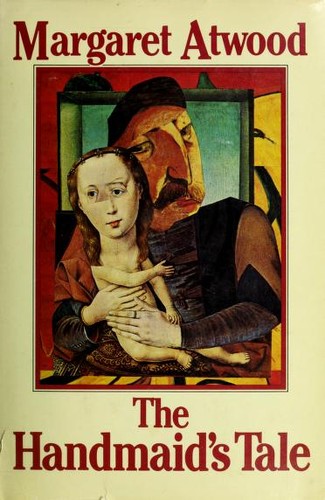
A woman lives under a theocratic regime. Chilling and unforgettable.
Best for: oppressive society.
6. Lord of the Flies by William Golding
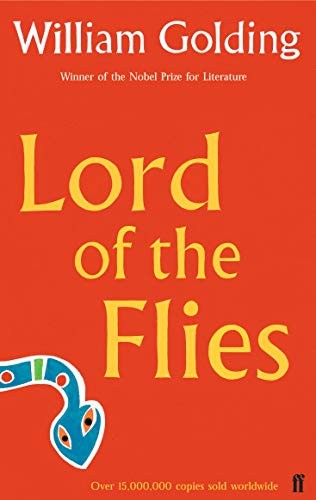
Schoolboys stranded on an island descend into savagery. A classic of survival and morality.
Best for: boys on an island.
7. American Psycho by Bret Easton Ellis
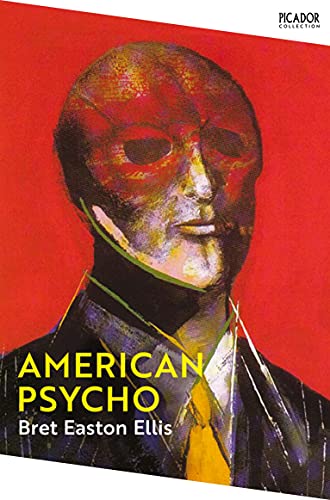
A Wall Street banker hides violence behind designer labels. Extreme and satirical.
Best for: dark satire.
8. Less than Zero by Bret Easton Ellis
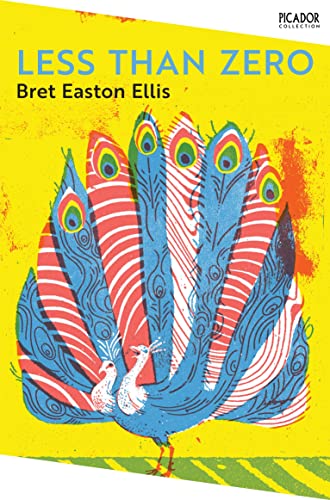
A college student returns to Los Angeles and sees friends sink into drugs and apathy. Short and cold.
Best for: Los Angeles excess.
9. Trainspotting by Irvine Welsh
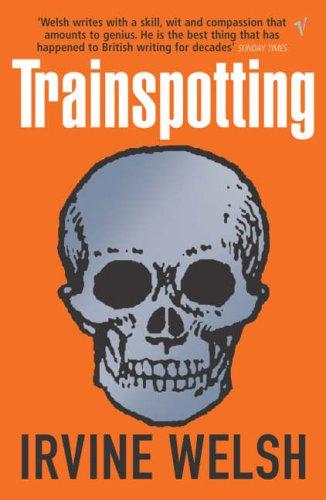
A group of heroin users in Edinburgh. Raw, funny and written in dialect.
Best for: Edinburgh addiction.
10. Fight Club by Chuck Palahniuk
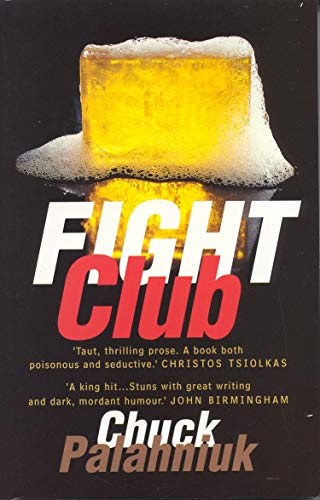
An insomniac forms an underground fight club with a charismatic stranger. Dark, satirical and a cult classic.
Best for: dark satire.
11. Catch-22 by Joseph Heller
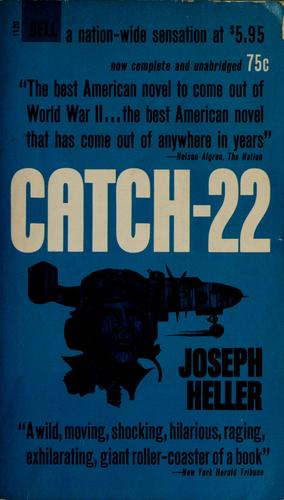
Captain Yossarian tries to survive a war and a maddening bureaucracy. A classic of absurd comedy.
Best for: war satire.
12. Slaughterhouse-Five by Kurt Vonnegut
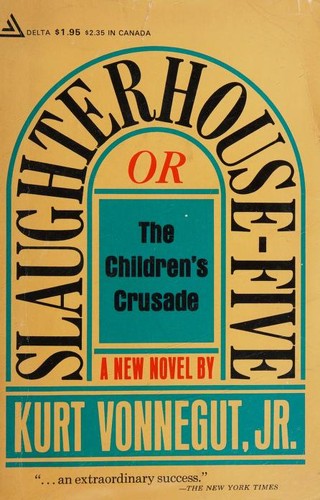
Billy Pilgrim becomes unstuck in time. Dark and absurd.
Best for: strange and funny.
13. The Stranger by Albert Camus
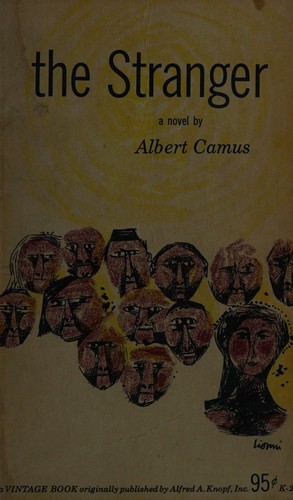
A detached man commits a murder and faces trial. Short and strange.
Best for: existential classic.
14. Darkness at Noon by Arthur Koestler
An old Bolshevik is imprisoned and interrogated by the revolution he served. A classic of totalitarian logic.
Best for: show trials.
15. Never Let Me Go by Kazuo Ishiguro
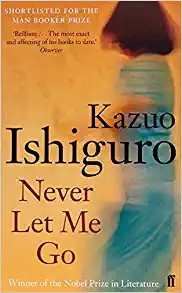
Students at a boarding school learn a hard truth about their lives. Quiet, eerie and moving.
Best for: slow-burn sadness.
How to Choose
For classic dystopias choose Nineteen Eighty-Four, Brave New World or We. For violent satire pick American Psycho, Fight Club or Trainspotting. For moral questions read The Stranger, Darkness at Noon or Never Let Me Go. A Clockwork Orange is short but demanding, so a glossary of Nadsat slang helps. The American edition omits the final chapter that Burgess wrote, which changes the book's meaning, and Kubrick's 1971 film followed the shorter version. Many readers choose the complete edition.
Related: 15 Books Like Wings of Fire Kids Will Love: Dragons, Quests and Animal Adventures · 12 Dystopian Books Like the Hunger Games | Best Books to Read Like Hunger Games
Frequently Asked Questions
What is A Clockwork Orange about?
A violent teenager is conditioned by the state to lose his free will.
Who wrote it?
Anthony Burgess.
When was it published?
1962.
What is Nadsat?
The teenage slang Burgess invented, mixing Russian and English.
Is the film faithful?
It follows the American edition, which omits the last chapter.
Is it graphic?
Yes, with rape and violence.
Is it hard to read?
The slang is tricky at first but becomes easy.
What should I read next?
Try Nineteen Eighty-Four or American Psycho.
Which book here is best for burning books?
Try Fahrenheit 451 by Ray Bradbury, which suits readers looking for burning books.
Which book here is best for dark satire?
Try American Psycho by Bret Easton Ellis, which suits readers looking for dark satire.
Which book here is best for dark satire?
Try Fight Club by Chuck Palahniuk, which suits readers looking for dark satire.
Which book here is best for existential classic?
Try The Stranger by Albert Camus, which suits readers looking for existential classic.
Which book here is best for engineered happiness?
Try Brave New World by Aldous Huxley, which suits readers looking for engineered happiness.
Which book here is best for oppressive society?
Try The Handmaid's Tale by Margaret Atwood, which suits readers looking for oppressive society.
Which book here is best for Los Angeles excess?
Try Less than Zero by Bret Easton Ellis, which suits readers looking for Los Angeles excess.