
Disclosure: As an Amazon Associate, Bookish Wisdom earns from qualifying purchases. This doesn't change our picks or your price.
Quick answer: If you loved A Series of Unfortunate Events, read Lemony Snicket's All the Wrong Questions, then The Willoughbys, The Mysterious Benedict Society, Holes and The Westing Game. All are darkly funny stories about clever children and terrible adults.
Lemony Snicket's series follows the Baudelaire orphans, Violet, Klaus and Sunny, who are pursued by the villainous Count Olaf after their parents die in a fire. The narrator warns readers to look away and then keeps going. The books below offer similar mixes of gloom, wit and smart children.
Table of Contents
Quick Picks at a Glance
| Book | Author | Ages | Best For |
|---|---|---|---|
| All the Wrong Questions: Who Could That Be at This Hour? | Lemony Snicket | Ages 9-13 | Snicket's own story |
| The Willoughbys | Lois Lowry | Ages 8-12 | dark comedy |
| The Mysterious Benedict Society | Trenton Lee Stewart | Ages 9-13 | puzzles and teamwork |
| Holes | Louis Sachar | Ages 9-13 | mystery and humour |
| The Westing Game | Ellen Raskin | Ages 10-14 | puzzle classic |
| Matilda | Roald Dahl | Ages 7-12 | clever child |
| Charlie and the Chocolate Factory | Roald Dahl | Ages 7-12 | candy fantasy |
| Coraline | Neil Gaiman | Ages 8-12 | children's horror |
| Nevermoor | Jessica Townsend | Ages 9-14 | whimsical wonder |
| The Wolves of Willoughby Chase | Joan Aiken | Ages 9-13 | Victorian adventure |
| The Name of This Book Is Secret | Pseudonymous Bosch | Ages 9-13 | secret mystery |
| The Sweetness at the Bottom of the Pie | Alan Bradley | Adult | precocious sleuth |
| The Gashlycrumb Tinies | Edward Gorey | All ages | macabre alphabet |
| A Series of Unfortunate Events: The Bad Beginning | Lemony Snicket | Ages 8-12 | the start |
| The Tale of Despereaux | Kate DiCamillo | Ages 8-12 | brave mouse |
1. All the Wrong Questions: Who Could That Be at This Hour? by Lemony Snicket
A young Snicket investigates a mystery in a faded town. Witty and moody.
Best for: Snicket's own story.
2. The Willoughbys by Lois Lowry
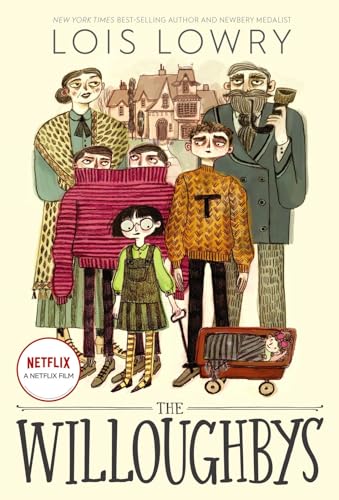
Four children try to get rid of their selfish parents. Short, sharp and funny.
Best for: dark comedy.
3. The Mysterious Benedict Society by Trenton Lee Stewart
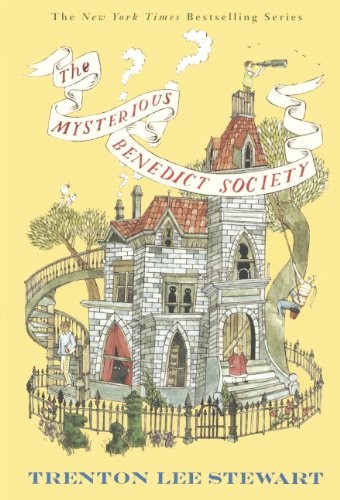
Four gifted children are recruited for a secret mission. Smart and warm.
Best for: puzzles and teamwork.
4. Holes by Louis Sachar
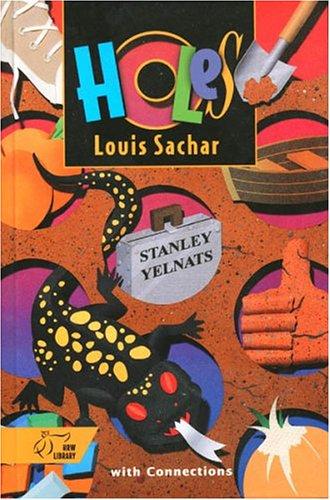
A boy is sent to a camp where he must dig holes. Clever and moving.
Best for: mystery and humour.
5. The Westing Game by Ellen Raskin
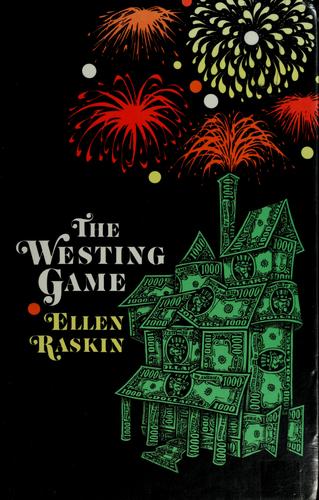
Sixteen heirs compete to solve a millionaire's death. Clever and funny.
Best for: puzzle classic.
6. Matilda by Roald Dahl
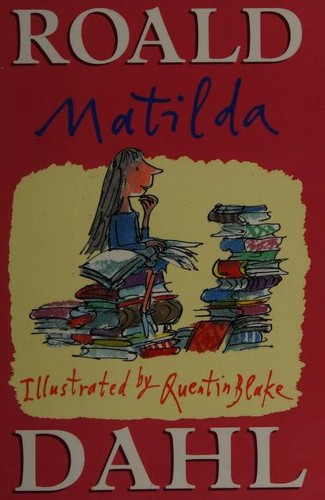
A brilliant girl uses her wits against awful adults. Funny, dark and beloved.
Best for: clever child.
7. Charlie and the Chocolate Factory by Roald Dahl
Charlie wins a tour of Willy Wonka's factory. Silly, dark and delicious.
Best for: candy fantasy.
8. Coraline by Neil Gaiman
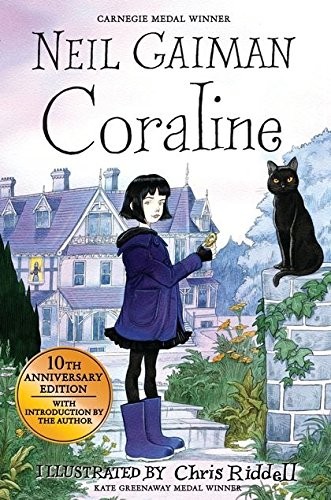
A girl finds a door to a sinister mirror world. Short and creepy.
Best for: children's horror.
9. Nevermoor by Jessica Townsend
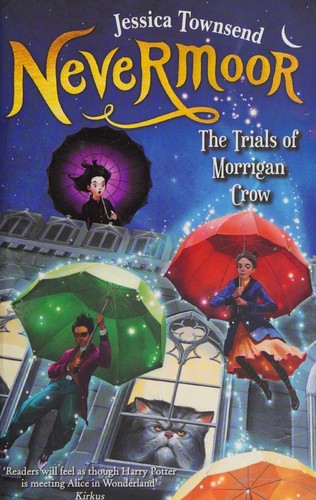
Morrigan Crow escapes a curse and joins a secret society. Charming.
Best for: whimsical wonder.
10. The Wolves of Willoughby Chase by Joan Aiken
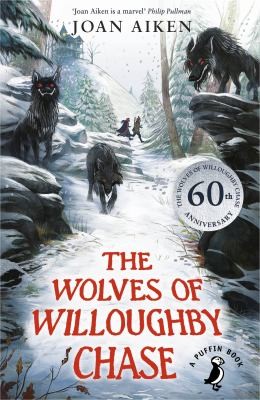
Two girls fight a wicked governess in an alternate England. Gothic and thrilling.
Best for: Victorian adventure.
11. The Name of This Book Is Secret by Pseudonymous Bosch
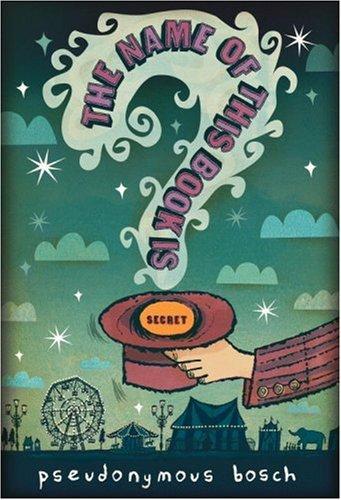
Two children investigate a mystery while the narrator warns readers off. Funny and silly.
Best for: secret mystery.
12. The Sweetness at the Bottom of the Pie by Alan Bradley

Eleven-year-old Flavia de Luce investigates a death in 1950 England. Witty and charming.
Best for: precocious sleuth.
13. The Gashlycrumb Tinies by Edward Gorey
An alphabet of children's deaths in rhyme. Dark and short.
Best for: macabre alphabet.
14. A Series of Unfortunate Events: The Bad Beginning by Lemony Snicket
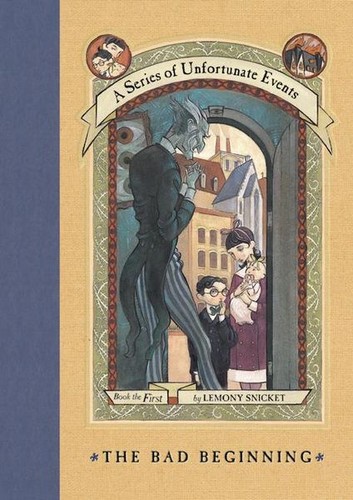
The Baudelaire orphans meet Count Olaf. Gloomy, funny and addictive.
Best for: the start.
15. The Tale of Despereaux by Kate DiCamillo
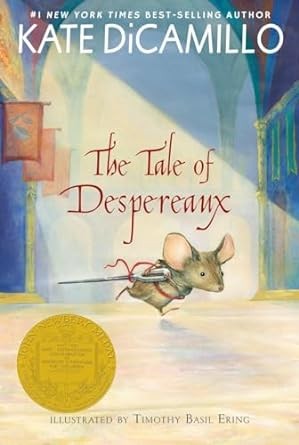
A small mouse falls in love with a princess. Rich and lyrical.
Best for: brave mouse.
How We Chose These Books
Every pick is a real, widely available book that shares something specific with A Series of Unfortunate Events: its tone, its themes, its pace or the kind of characters it puts at the center. We mixed well-known favorites with a few less obvious titles, and we noted who each book suits best so you can match it to the reader. Where a book belongs to a series, we list the first volume so you can start at the beginning.
How to Choose
To continue with Snicket, read All the Wrong Questions. For dark comedy pick The Willoughbys, Matilda or The Gashlycrumb Tinies. For puzzle-solving read The Westing Game, Holes or The Mysterious Benedict Society. For creepy tales choose Coraline or The Wolves of Willoughby Chase. These books are great read-alouds, with narrators who enjoy teasing readers. A Series of Unfortunate Events was adapted for film and television, and the television series follows the books closely. Netflix's series closely follows the books, but the narrator's tone is best on the page. If your child enjoys the voice, All the Wrong Questions continues it. For other dark comedy, Edward Gorey's books are short and macabre. Audiobooks of the series are read by Tim Curry.
Related: What Age Is A Series of Unfortunate Events Appropriate For? A Parent’s Guide · Who Was Book Series Printable List Pdf
Frequently Asked Questions
What is A Series of Unfortunate Events about?
Three orphans try to escape the schemes of the villain Count Olaf.
Who wrote it?
Lemony Snicket, the pen name of Daniel Handler.
When was the first book published?
1999.
How many books are in the series?
Thirteen.
What age is it for?
Roughly ages 8 to 12.
Is it too sad for children?
It is gloomy but comic, and most children enjoy the dark humour.
Is there a TV series?
Yes, a Netflix series based on the books.
What should I read next?
Try The Willoughbys or All the Wrong Questions.
Is A Series of Unfortunate Events scary?
It has dark themes and peril, but a comic tone.
Do the books get more serious?
Yes, the later books are more complex and sombre.