
Disclosure: As an Amazon Associate, Bookish Wisdom earns from qualifying purchases. This doesn't change our picks or your price.
Quick answer: If you read All the Ugly and Wonderful Things, read Where the Crawdads Sing, The Great Alone, Bastard Out of Carolina and A Little Life. All look at damaged childhoods, hard families and tender but troubling bonds. They contain difficult themes.
Bryn Greenwood's novel follows Wavy, a neglected girl from a drug-dealing family, and her relationship with an adult man, which has divided readers. The books below deal with trauma, poverty and survival in similarly complex ways. They are for adult readers, and all are real, in-print books. Many involve abuse, so check content notes first.
Table of Contents
Quick Picks at a Glance
| Book | Author | Ages | Best For |
|---|---|---|---|
| Where the Crawdads Sing | Delia Owens | Adult | isolated childhoods |
| The Great Alone | Kristin Hannah | Adult | abusive families |
| The Glass Castle | Jeannette Walls | Adult | childhood neglect |
| Bastard Out of Carolina | Dorothy Allison | Adult | raw Southern fiction |
| Room | Emma Donoghue | Adult | child narrators |
| A Little Life | Hanya Yanagihara | Adult | heavy emotion |
| Eleanor Oliphant Is Completely Fine | Gail Honeyman | Adult | healing stories |
| The Kite Runner | Khaled Hosseini | Adult | guilt and redemption |
| The Secret Life of Bees | Sue Monk Kidd | Adult | found family |
| Educated | Tara Westover | Adult | breaking away |
| My Dark Vanessa | Kate Elizabeth Russell | Adult | abuse and memory |
| Lolita | Vladimir Nabokov | Adult | controversial classics |
| The Kitchen House | Kathleen Grissom | Adult | found families in hardship |
| The Goldfinch | Donna Tartt | Adult | loss and obsession |
| The Girls | Emma Cline | Adult | vulnerable girls |
1. Where the Crawdads Sing by Delia Owens
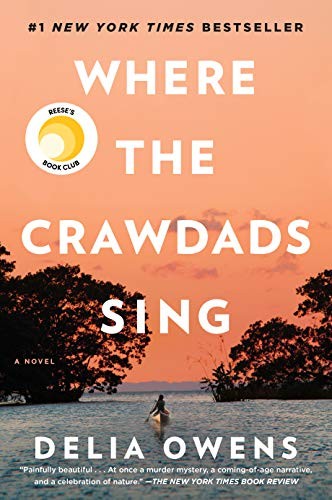
A girl raised alone in a marsh is accused of murder. Nature writing meets a courtroom plot.
Best for: isolated childhoods.
2. The Great Alone by Kristin Hannah
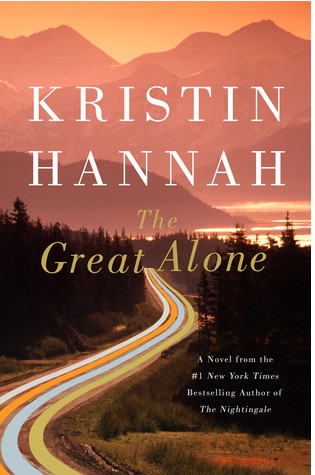
A family moves to Alaska in the 1970s and faces the wilderness and a troubled father. Atmospheric and emotional.
Best for: abusive families.
3. The Glass Castle by Jeannette Walls
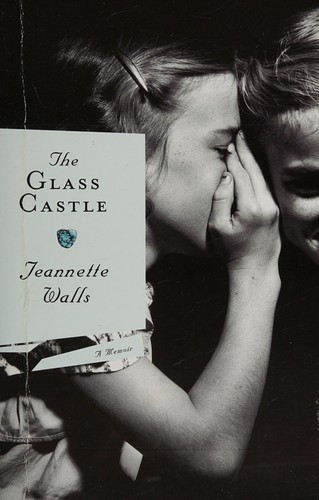
A memoir of a chaotic childhood with brilliant, neglectful parents. Vivid and honest.
Best for: childhood neglect.
4. Bastard Out of Carolina by Dorothy Allison
A girl in the South faces poverty and abuse. Fierce and heartbreaking.
Best for: raw Southern fiction.
5. Room by Emma Donoghue
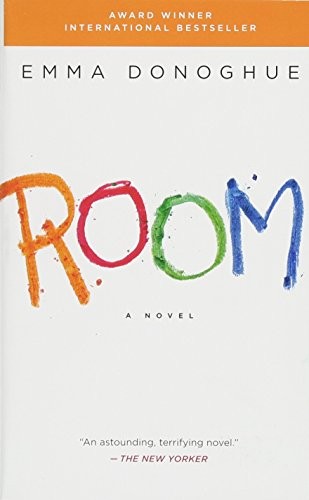
A boy narrates life in a single locked room with his mother. Surprising, tender and tense.
Best for: child narrators.
6. A Little Life by Hanya Yanagihara
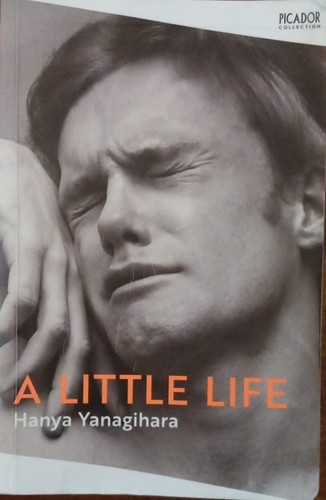
Four friends in New York, and one carries a past of horrific abuse. Long, devastating and polarizing.
Best for: heavy emotion.
7. Eleanor Oliphant Is Completely Fine by Gail Honeyman
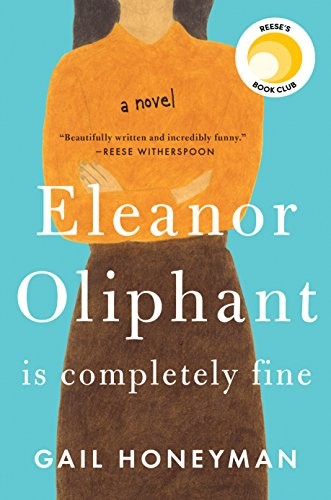
A lonely Glasgow office worker slowly opens up to others. Funny and sad.
Best for: healing stories.
8. The Kite Runner by Khaled Hosseini
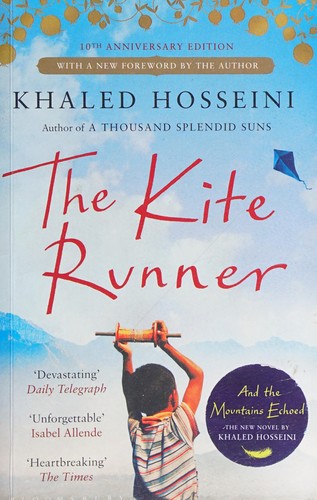
A boy betrays his closest friend in Kabul and spends decades seeking redemption. Powerful and painful.
Best for: guilt and redemption.
9. The Secret Life of Bees by Sue Monk Kidd
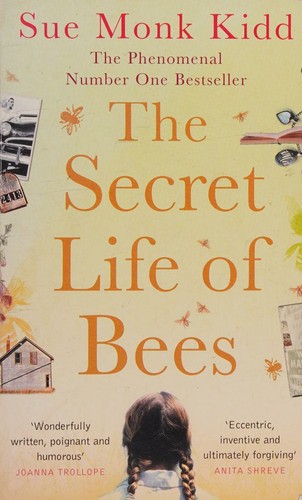
A girl in 1964 South Carolina finds a home among beekeepers. Warm and wise.
Best for: found family.
10. Educated by Tara Westover
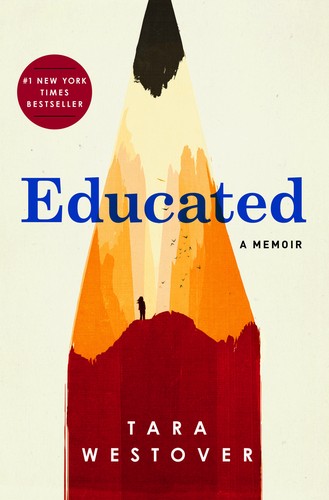
A woman raised in a survivalist family teaches herself and goes to university. Gripping.
Best for: breaking away.
11. My Dark Vanessa by Kate Elizabeth Russell
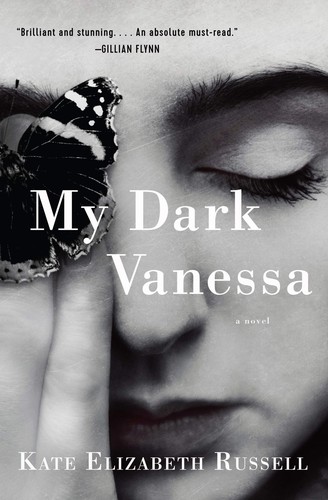
A woman revisits her relationship with a teacher who abused her as a teen. Hard, honest and powerful.
Best for: abuse and memory.
12. Lolita by Vladimir Nabokov
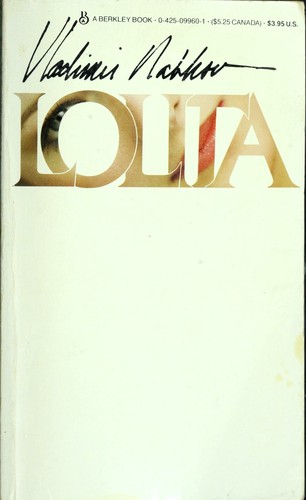
A narrator justifies his obsession with a twelve-year-old girl. Beautifully written and morally disturbing.
Best for: controversial classics.
13. The Kitchen House by Kathleen Grissom
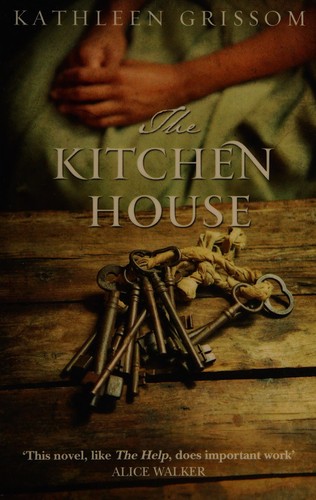
An orphaned Irish girl is raised by enslaved people on a Virginia plantation. Powerful and sad.
Best for: found families in hardship.
14. The Goldfinch by Donna Tartt
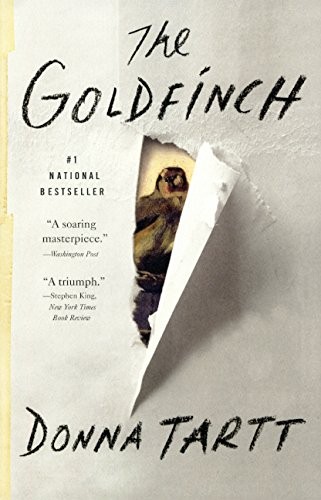
A boy survives a museum bombing and takes a priceless painting. Long, lush and dark.
Best for: loss and obsession.
15. The Girls by Emma Cline
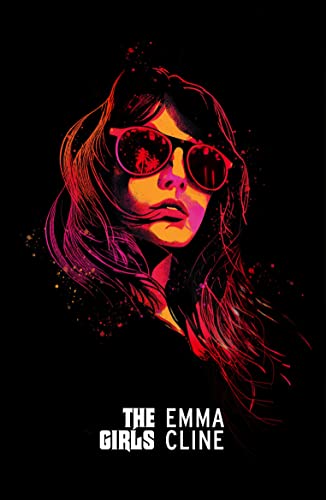
A lonely teen is drawn into a cult in 1960s California. Lyrical and unsettling.
Best for: vulnerable girls.
How to Choose
For a similar feel in a gentler form, read Where the Crawdads Sing. For memoirs of hard childhoods, The Glass Castle and Educated. For novels of trauma, Bastard Out of Carolina and A Little Life. For debate about difficult subjects, My Dark Vanessa and Lolita. These books involve abuse and may be upsetting, so read with care. These books ask readers to think about power and consent. Many book clubs use a nonfiction title about trauma or child welfare as a companion. If you or someone you know is affected by abuse, trained counselors and helplines can provide support.
Related: 15 Books Like Ugly Love You’ll Love: Emotional, Heartbreaking Romance · 15 Books Like All the Light We Cannot See You’ll Love
Frequently Asked Questions
What is All the Ugly and Wonderful Things about?
It follows Wavy, a girl in a drug-dealing family, and her unusual friendship and relationship with Kellen, an adult in her father's circle.
Why is the book controversial?
It portrays a relationship between a child and an adult in a sympathetic light, which many readers find troubling.
Is it a love story?
The author presents it as one, but readers disagree about whether it can be read that way.
Should teens read it?
No. It is meant for adults and contains abuse and sexual content.
What themes does it explore?
Poverty, neglect, addiction and what people do to survive.
Is the book based on a true story?
It is fiction, though Greenwood has drawn on her work with at-risk children and her own experience.
Who narrates the story?
The story is told in short chapters from many viewpoints, including Wavy, Kellen and others.
Why do readers disagree about it?
Because it treats a relationship that is illegal and harmful as tender, some see it as insight, and others as dangerous.
Is there a trigger warning?
Yes. The book includes child neglect, drug use, sexual content and abuse.