
Disclosure: As an Amazon Associate, Bookish Wisdom earns from qualifying purchases. This doesn't change our picks or your price.
Quick answer: If you finished Apple in China, read Chip War, Factory Girls, Steve Jobs and Red Roulette. All look at how business, technology and politics connect the US and China.
Patrick McGee's 2025 book traces how Apple built its supply chain in China and how that dependence changed both Apple and China. The books below cover Apple, Chinese manufacturing, chips and the business of power. All are nonfiction, and all are real, in-print books.
Table of Contents
Quick Picks at a Glance
| Book | Author | Ages | Best For |
|---|---|---|---|
| Chip War | Chris Miller | Adult | the closest companion |
| Factory Girls | Leslie T. Chang | Adult | workers' stories |
| Steve Jobs | Walter Isaacson | Adult | Apple's founder |
| Tim Cook: The Genius Who Took Apple to the Next Level | Leander Kahney | Adult | Apple's operator |
| Becoming Steve Jobs | Brent Schlender and Rick Tetzeli | Adult | alternate view |
| AI Superpowers | Kai-Fu Lee | Adult | China tech rivalry |
| Red Roulette | Desmond Shum | Adult | China's power elite |
| Breakneck | Dan Wang | Adult | China and America compared |
| Poorly Made in China | Paul Midler | Adult | how manufacturing works |
| The Everything Store | Brad Stone | Adult | big tech history |
| Bad Blood | John Carreyrou | Adult | tech scandals |
| Elon Musk | Walter Isaacson | Adult | modern tech titans |
| Valley of Genius | Adam Fisher | Adult | insider stories |
| The Innovators | Walter Isaacson | Adult | tech history |
| Hit Refresh | Satya Nadella | Adult | corporate culture |
1. Chip War by Chris Miller
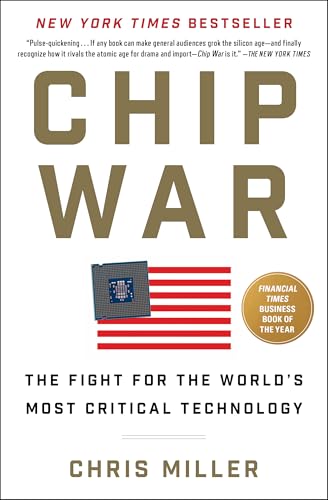
The story of semiconductors, from Silicon Valley to Taiwan, and why they matter. Clear and gripping on the geopolitics of tech.
Best for: the closest companion.
2. Factory Girls by Leslie T. Chang
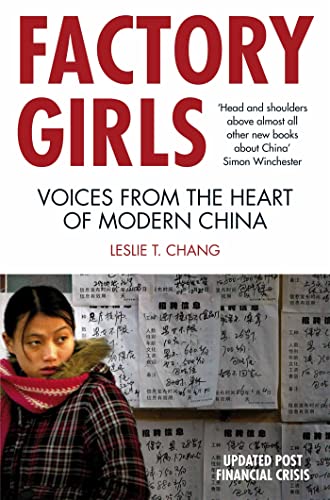
A journalist follows young migrant women who work in Chinese factories. Human and grounded.
Best for: workers' stories.
3. Steve Jobs by Walter Isaacson
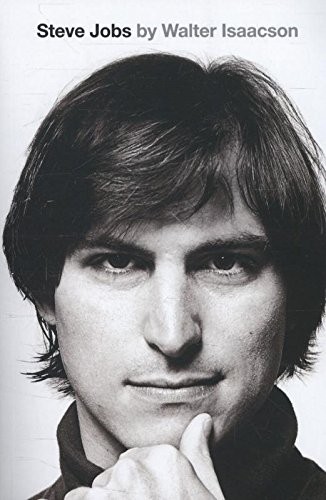
The authorized biography of Apple's co-founder, based on dozens of interviews. A standard book on Apple's culture.
Best for: Apple's founder.
4. Tim Cook: The Genius Who Took Apple to the Next Level by Leander Kahney
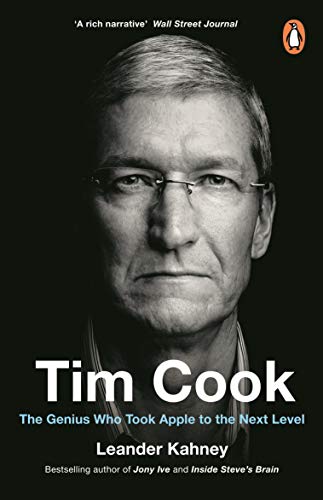
A biography of the CEO who built Apple's global supply chain. Useful context for McGee's story.
Best for: Apple's operator.
5. Becoming Steve Jobs by Brent Schlender and Rick Tetzeli
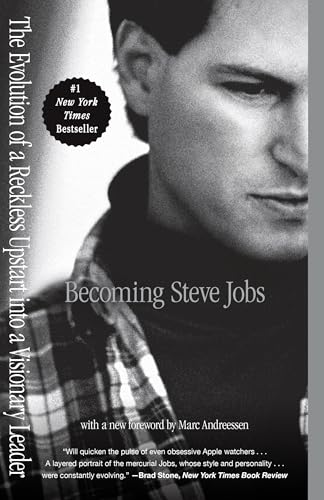
A fuller, softer portrait of Jobs's later years. A good contrast to Isaacson.
Best for: alternate view.
6. AI Superpowers by Kai-Fu Lee
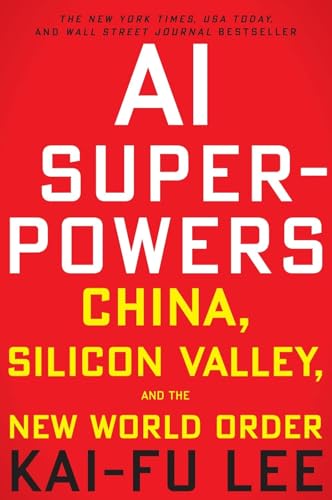
A Chinese tech investor compares US and Chinese AI. Easy to read and opinionated.
Best for: China tech rivalry.
7. Red Roulette by Desmond Shum
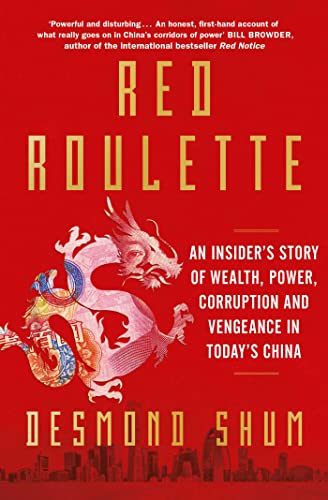
A former Beijing insider describes elite deals and politics. A gossipy and revealing memoir.
Best for: China's power elite.
8. Breakneck by Dan Wang
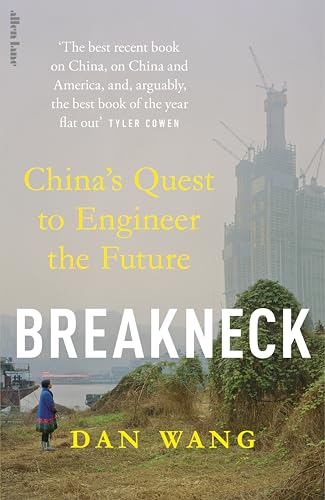
A tech analyst compares China's engineering state with America's lawyerly one. Fresh and lively.
Best for: China and America compared.
9. Poorly Made in China by Paul Midler
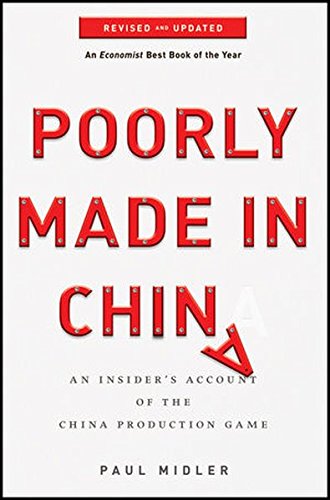
A consultant explains how Chinese factories cut corners. Funny and practical.
Best for: how manufacturing works.
10. The Everything Store by Brad Stone
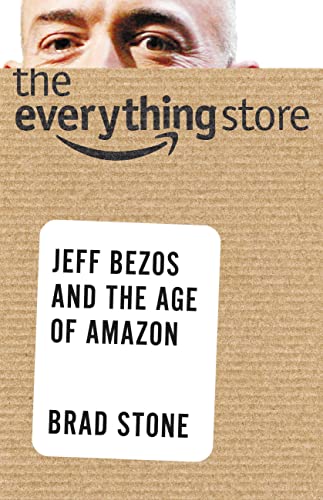
The story of Jeff Bezos and Amazon's early years. A good parallel to Apple.
Best for: big tech history.
11. Bad Blood by John Carreyrou
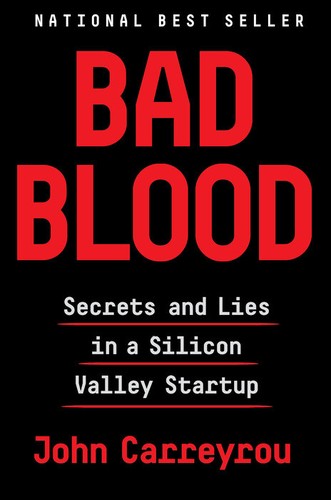
The collapse of Theranos and Elizabeth Holmes. A thriller of Silicon Valley fraud.
Best for: tech scandals.
12. Elon Musk by Walter Isaacson
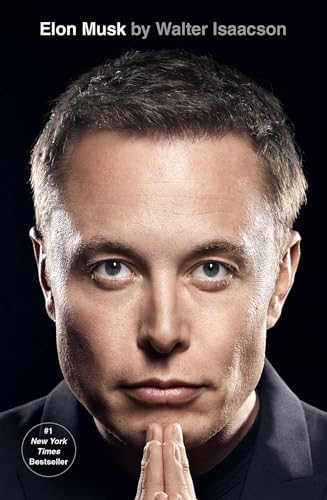
A biography of Tesla and SpaceX's leader, which includes Tesla's China factory. Long and detailed.
Best for: modern tech titans.
13. Valley of Genius by Adam Fisher
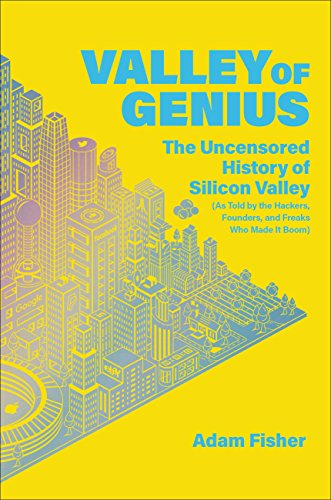
An oral history of Silicon Valley, told by the people involved. Lively and gossipy.
Best for: insider stories.
14. The Innovators by Walter Isaacson
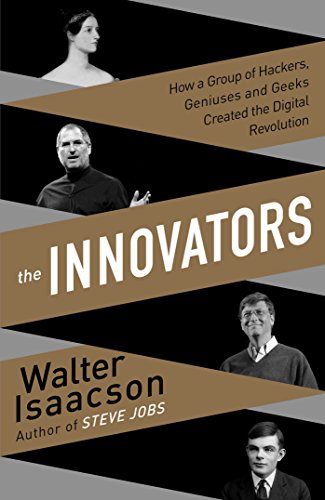
A history of the people who built the digital age. Wide, readable and warm.
Best for: tech history.
15. Hit Refresh by Satya Nadella
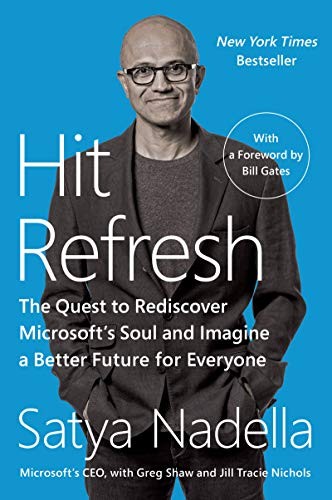
The Microsoft CEO describes changing the company. A calm contrast to flashier memoirs.
Best for: corporate culture.
How to Choose
If you want the geopolitics, start with Chip War and Breakneck. For people on the factory floor, Factory Girls. For Apple history, Steve Jobs and Tim Cook. For more China business, Red Roulette and Poorly Made in China. Pair one narrative book with one analytic book for balance. These books are best read in pairs. Combine a narrative such as Chip War with a more personal one such as Factory Girls to see the same story from the top and the bottom. If you like audiobooks, nonfiction on business and technology works well while commuting. Take notes or highlight to keep track of the many names and dates.
Related: 15 Best Books on the History of China for Every Reader · 12 Dystopian Books Like the Hunger Games | Best Books to Read Like Hunger Games
Frequently Asked Questions
What is Apple in China about?
It describes how Apple trained Chinese manufacturers and how that dependence shaped both Apple and China's industry.
Who wrote it?
Patrick McGee, a journalist who covered Apple for the Financial Times.
Is it critical of Apple?
It raises hard questions about Apple's reliance on China, but it is mostly reported and analytical.
Is it a good read for non-experts?
Yes. It uses stories and clear explanations, so you do not need a business background.
Which book should I read first?
Chip War gives the background on semiconductors, while Factory Girls gives the human side.
Is Apple in China balanced?
McGee reports on both Apple's achievements and its costs. Apple has criticized some of his claims, so read with that in mind.
Do I need to know about Apple to read it?
No. It explains the key events and companies and builds from the start.
Is the book about Steve Jobs?
Jobs appears early, but the main story follows Tim Cook and the supply chain after 2007.
How long is the book?
It runs about 400 pages in most editions.
Is there an audiobook?
Yes. An audiobook edition exists and is a good fit for commuting readers.
What is the best follow-up for readers interested in China?
Breakneck and Red Roulette offer very different views of Chinese politics and business.