
Disclosure: As an Amazon Associate, Bookish Wisdom earns from qualifying purchases. This doesn't change our picks or your price.
Quick answer: If you loved Arthur C. Clarke, read Arthur C. Clarke's Rendezvous with Rama, Childhood's End and 2001: A Space Odyssey, then Isaac Asimov's Foundation, I, Robot and The Caves of Steel, then Ray Bradbury's The Martian Chronicles and Fahrenheit 451, and Ursula K. Le Guin's The Left Hand of Darkness and The Dispossessed and Liu Cixin's The Three-Body Problem. All are visionary science fiction.
Arthur C. Clarke (1917–2008) wrote 2001: A Space Odyssey and Childhood's End. These picks share his big ideas.
Table of Contents
Quick Picks at a Glance
| Book | Author | Ages | Best For |
|---|---|---|---|
| Rendezvous with Rama | Arthur C. Clarke | Adult | readers who like exploration |
| Childhood's End | Arthur C. Clarke | Adult | readers who like big ideas |
| 2001: A Space Odyssey | Arthur C. Clarke | Adult | monolith mystery |
| The Songs of Distant Earth | Arthur C. Clarke | Adult | colonists and survivors |
| The Fountains of Paradise | Arthur C. Clarke | Adult | space elevator |
| Foundation | Isaac Asimov | Adult | readers who want a grand scale |
| I, Robot | Isaac Asimov | Adult | readers who like logic |
| The Caves of Steel | Isaac Asimov | Adult | readers who like futuristic cases |
| The Martian Chronicles | Ray Bradbury | Adult | readers who like lyrical sci-fi |
| The Left Hand of Darkness | Ursula K. Le Guin | Adult | readers who want depth |
| The Three-Body Problem | Liu Cixin | Adult | readers who like hard science fiction |
| Ender's Game | Orson Scott Card | Adult | sci-fi fans |
| Fahrenheit 451 | Ray Bradbury | Adult | readers who like the classic warning |
| The Stars My Destination | Alfred Bester | Adult | readers who want pulp energy |
| The Dispossessed | Ursula K. Le Guin | Adult | readers who like ideas about society |
1. Rendezvous with Rama by Arthur C. Clarke
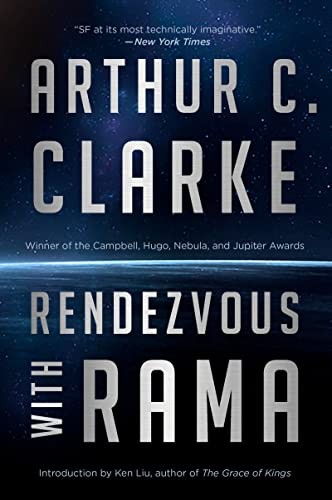
Humans explore a mysterious alien spacecraft. Hard science and mystery.
Best for: readers who like exploration.
2. Childhood's End by Arthur C. Clarke
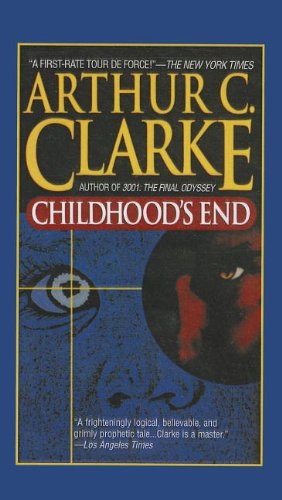
Alien Overlords arrive and end war, but at a price. Thoughtful and eerie.
Best for: readers who like big ideas.
3. 2001: A Space Odyssey by Arthur C. Clarke
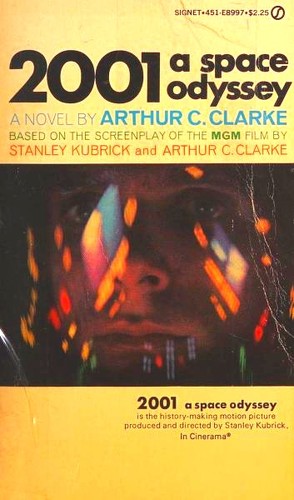
A mysterious artefact leads humans toward Jupiter. Cold, mysterious and influential.
Best for: monolith mystery.
4. The Songs of Distant Earth by Arthur C. Clarke
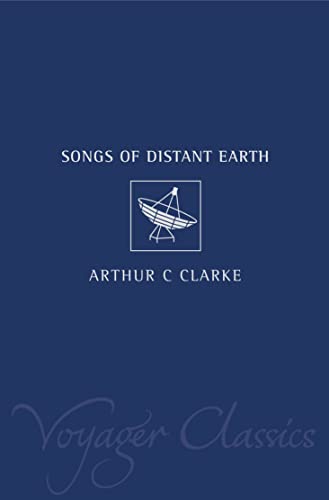
A starship reaches a colonised world after Earth's destruction. Gentle and reflective.
Best for: colonists and survivors.
5. The Fountains of Paradise by Arthur C. Clarke
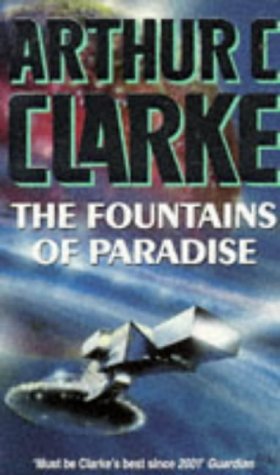
An engineer plans to build a space elevator. Thoughtful and grand.
Best for: space elevator.
6. Foundation by Isaac Asimov
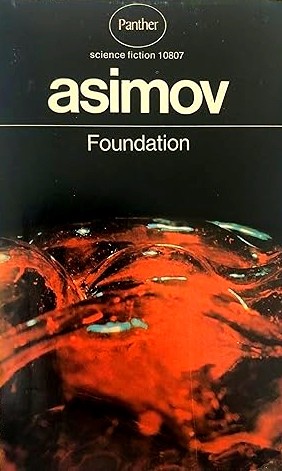
Hari Seldon predicts the fall of a galactic empire and sets up a plan to shorten the dark age. A landmark of big-idea sci-fi.
Best for: readers who want a grand scale.
7. I, Robot by Isaac Asimov
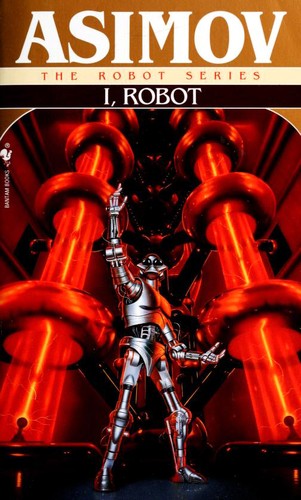
Linked stories about robots and the Three Laws. Clever and classic.
Best for: readers who like logic.
8. The Caves of Steel by Isaac Asimov
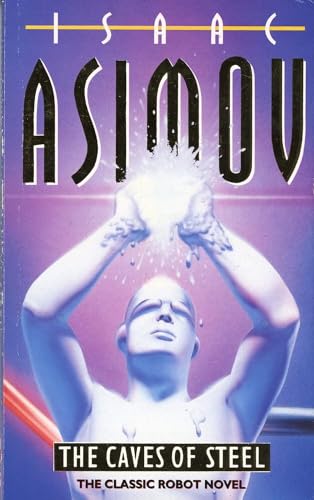
Detective Elijah Baley and robot R. Daneel Olivaw investigate a murder in a future New York. A classic science-fiction mystery.
Best for: readers who like futuristic cases.
9. The Martian Chronicles by Ray Bradbury
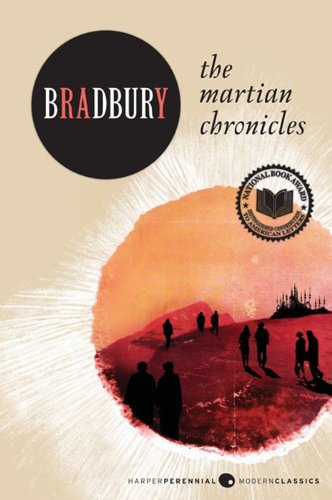
Humans colonize Mars in linked stories. Poetic and sad.
Best for: readers who like lyrical sci-fi.
10. The Left Hand of Darkness by Ursula K. Le Guin
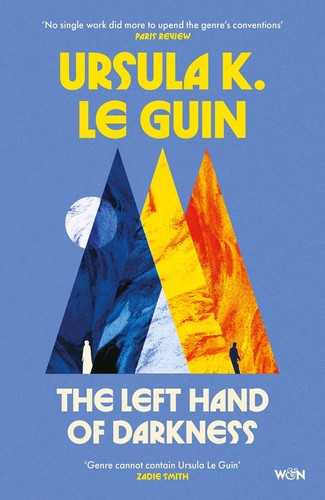
An envoy visits a world where people have no fixed gender. A classic of social science fiction.
Best for: readers who want depth.
11. The Three-Body Problem by Liu Cixin
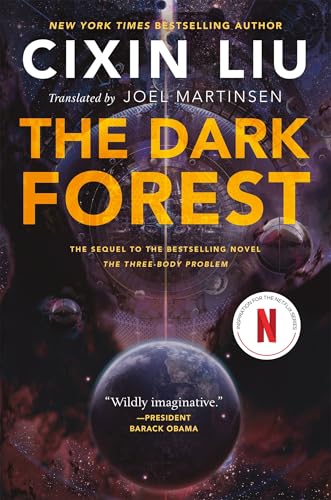
A secret in China's past leads to contact with an alien civilization. Big ideas and hard science.
Best for: readers who like hard science fiction.
12. Ender's Game by Orson Scott Card
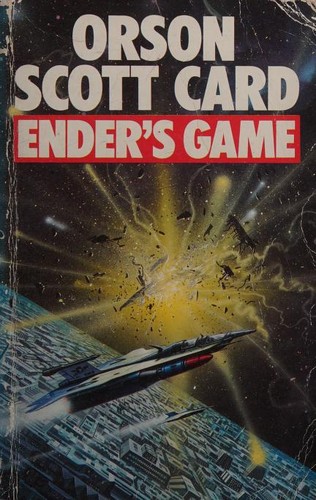
Ender Wiggin is recruited to a battle school in space. A classic of young genius and manipulation.
Best for: sci-fi fans.
13. Fahrenheit 451 by Ray Bradbury
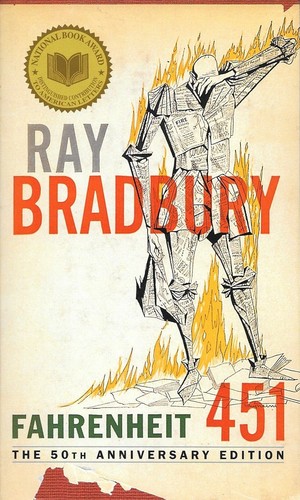
Guy Montag burns books for a living until he begins to question his world of screens and shallow noise. Short and sharp.
Best for: readers who like the classic warning.
14. The Stars My Destination by Alfred Bester
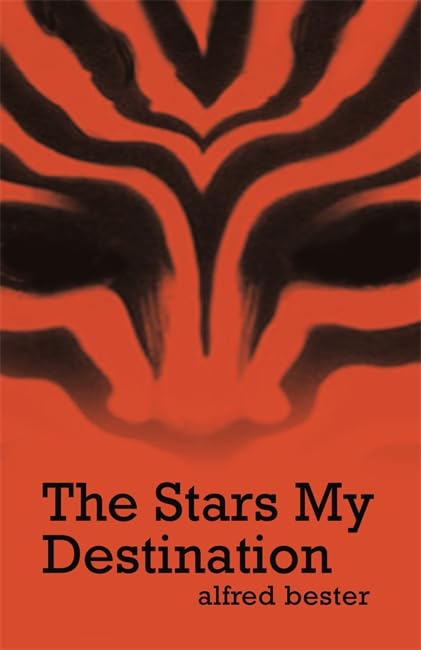
A man seeks revenge in a future where people can teleport. Fast and wild.
Best for: readers who want pulp energy.
15. The Dispossessed by Ursula K. Le Guin
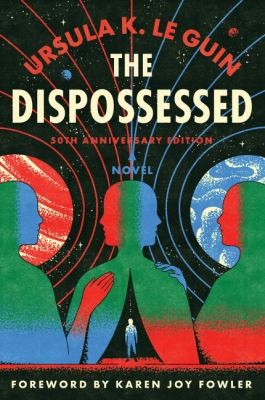
A physicist travels between a utopian anarchist moon and its wealthy neighbor. Political and thoughtful.
Best for: readers who like ideas about society.
How We Chose These Books
Every pick is a real, widely available book that shares something specific with Arthur C. Clarke: its tone, its themes, its pace or the kind of characters it puts at the center. We mixed well-known favorites with a few less obvious titles, and we noted who each book suits best so you can match it to the reader. Where a book belongs to a series, we list the first volume so you can start at the beginning.
If you are not sure where to begin, start with the first three picks in the table: they are the closest match to Arthur C. Clarke. The rest of the list moves further out, so it works well once you know which part of the original you liked most.
How to Choose
For Clarke, read Rendezvous with Rama. For ideas, try Foundation. For dystopias, pick Fahrenheit 451.
Frequently Asked Questions
Who was Arthur C. Clarke?
A British science fiction writer (1917–2008).
What is his best-known book?
2001: A Space Odyssey.
Where do I start?
With Rendezvous with Rama.
Which book here is best for readers who like ideas about society?
Try The Dispossessed by Ursula K. Le Guin, which suits readers looking for readers who like ideas about society.
Which book here is best for readers who want pulp energy?
Try The Stars My Destination by Alfred Bester, which suits readers looking for readers who want pulp energy.