
Disclosure: As an Amazon Associate, Bookish Wisdom earns from qualifying purchases. This doesn't change our picks or your price.
Quick answer: If you loved Brave New World, try 1984, We, Fahrenheit 451, Brave New World Revisited, Island and The Handmaid's Tale. Each one offers a chilling future, a sharp critique of society or a character who begins to question everything.
Aldous Huxley's 1932 classic imagines a future World State where people are bred in hatcheries, sorted into castes and kept content with the drug soma. Bernard Marx feels out of place, and a man called John, raised outside the system, brings his outrage to this comfortable world. Readers love its frightening accuracy about pleasure and control. These books share its ideas and its unsettling visions.
Table of Contents
Quick Picks at a Glance
| Book | Author | Year | Best For |
|---|---|---|---|
| 1984 | George Orwell | 1949 | readers who want the other great dystopia |
| We | Yevgeny Zamyatin | 1924 | readers who want the novel that came first |
| Fahrenheit 451 | Ray Bradbury | 1953 | readers who like book burning stories |
| Brave New World Revisited | Aldous Huxley | 1958 | readers who want Huxley's own update |
| Island | Aldous Huxley | 1962 | readers who want Huxley's utopian reply |
| The Handmaid's Tale | Margaret Atwood | 1985 | readers who want a feminist dystopia |
| Never Let Me Go | Kazuo Ishiguro | 2005 | readers who like quiet horror |
| Oryx and Crake | Margaret Atwood | 2003 | readers who like genetic engineering stories |
| The Giver | Lois Lowry | 1993 | younger readers |
| A Clockwork Orange | Anthony Burgess | 1962 | readers who like free will debates |
| Player Piano | Kurt Vonnegut | 1952 | readers who like machine-run futures |
| The Time Machine | H.G. Wells | 1895 | readers who like early science fiction |
| Animal Farm | George Orwell | 1945 | readers who want a short allegory |
| Uglies | Scott Westerfeld | 2005 | teens |
| Amusing Ourselves to Death | Neil Postman | 1985 | readers who want the argument itself |
1. 1984 by George Orwell
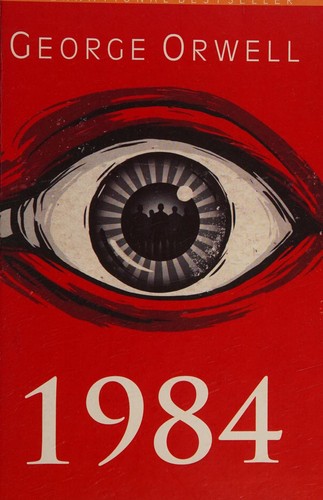
A man rebels against a totalitarian government that watches everything.
Best for: readers who want the other great dystopia.
2. We by Yevgeny Zamyatin
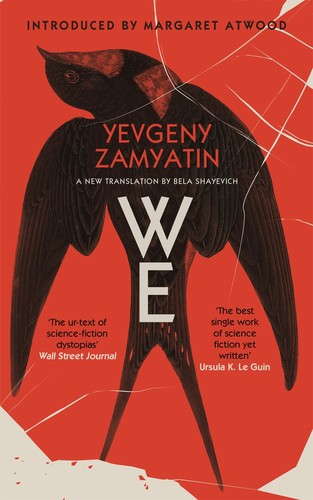
A citizen of a glass-walled state falls in love and starts to rebel.
Best for: readers who want the novel that came first.
3. Fahrenheit 451 by Ray Bradbury
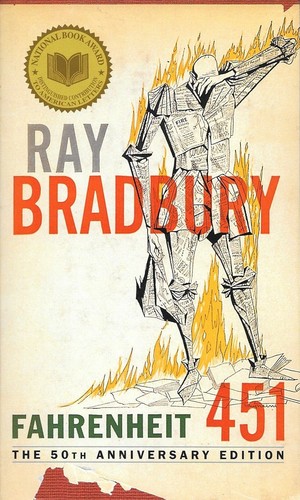
A fireman who burns books begins to question his work.
Best for: readers who like book burning stories.
4. Brave New World Revisited by Aldous Huxley
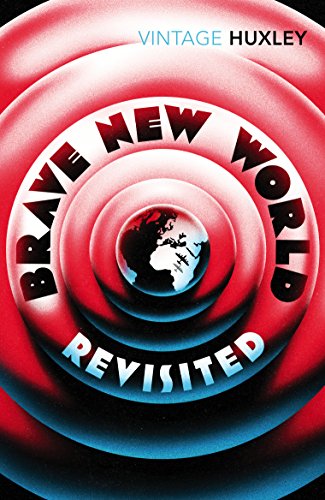
Huxley looks at how close the world has come to his vision.
Best for: readers who want Huxley's own update.
5. Island by Aldous Huxley
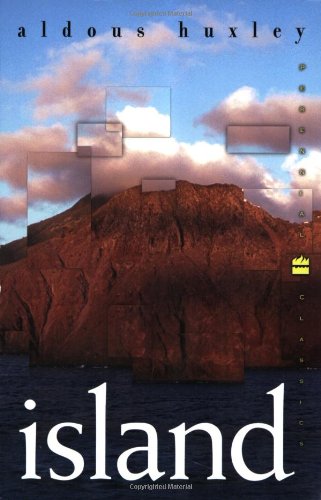
A journalist lands on an island with a very different society.
Best for: readers who want Huxley's utopian reply.
6. The Handmaid's Tale by Margaret Atwood
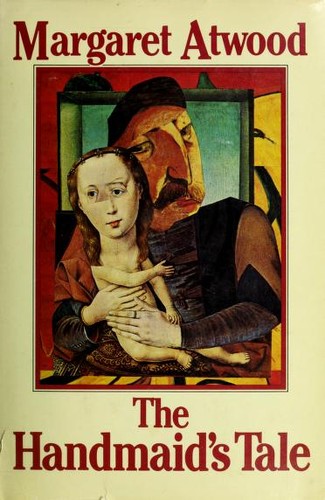
A woman in a totalitarian state is forced to bear children for the elite.
Best for: readers who want a feminist dystopia.
7. Never Let Me Go by Kazuo Ishiguro
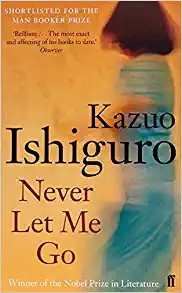
Students at an English boarding school learn their terrible purpose.
Best for: readers who like quiet horror.
8. Oryx and Crake by Margaret Atwood
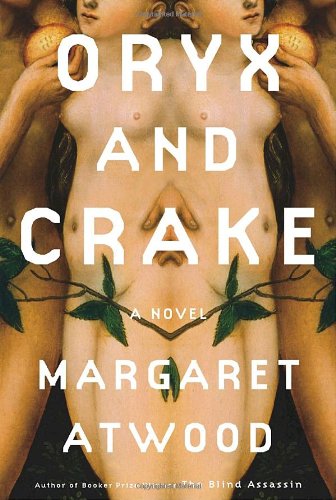
The last man alive recalls how bioengineering ended the world.
Best for: readers who like genetic engineering stories.
9. The Giver by Lois Lowry
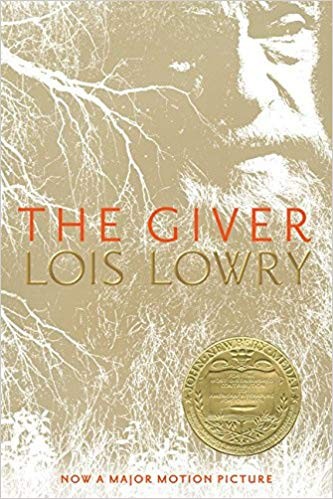
A boy learns the dark truth behind his perfect community.
Best for: younger readers.
10. A Clockwork Orange by Anthony Burgess
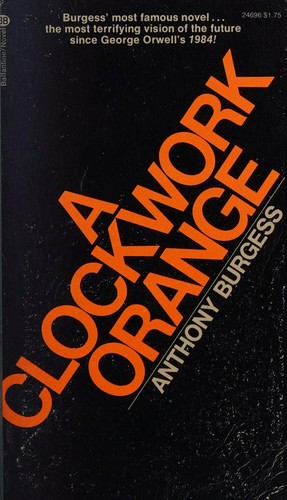
A violent teen is subjected to brutal conditioning therapy.
Best for: readers who like free will debates.
11. Player Piano by Kurt Vonnegut
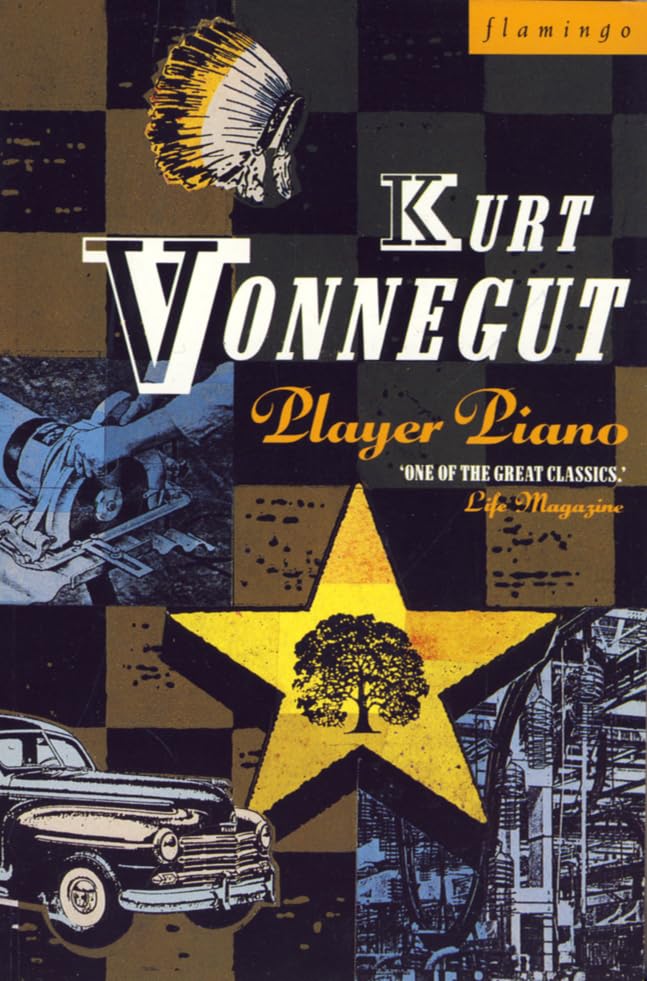
Engineers run a society in which machines have replaced workers.
Best for: readers who like machine-run futures.
12. The Time Machine by H.G. Wells
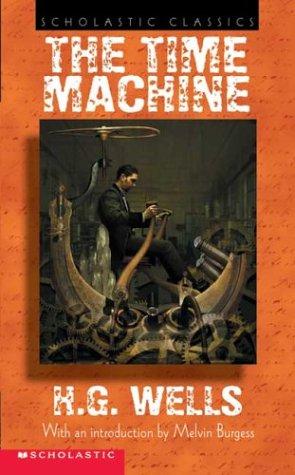
A traveler visits a far-future world split into two species.
Best for: readers who like early science fiction.
13. Animal Farm by George Orwell
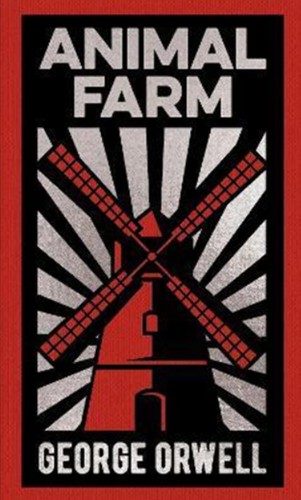
Farm animals overthrow their owner, only to find new tyrants.
Best for: readers who want a short allegory.
14. Uglies by Scott Westerfeld
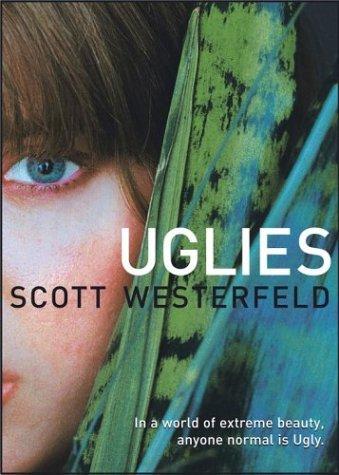
At sixteen, everyone gets surgery to become pretty, but one girl has doubts.
Best for: teens.
15. Amusing Ourselves to Death by Neil Postman
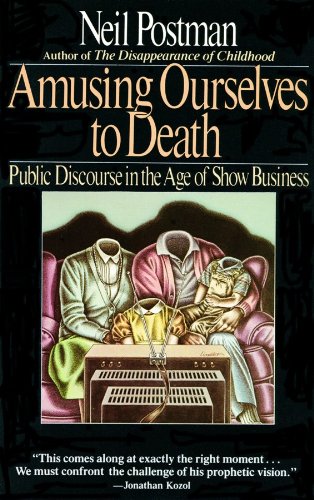
Postman's classic argues that Huxley, not Orwell, foresaw modern media.
Best for: readers who want the argument itself.
How We Chose These Books
Every pick is a real, widely available book that shares something specific with Brave New World: its tone, its themes, its pace or the kind of characters it puts at the center. We mixed well-known favorites with a few less obvious titles, and we noted who each book suits best so you can match it to the reader. Where a book belongs to a series, we list the first volume so you can start at the beginning.
How to Choose
1984 is the essential companion, since the two books are constantly compared: Orwell fears pain and Huxley fears pleasure. To see where both ideas began, read We, which came first and influenced them. Brave New World Revisited and Island are good if you want more of Huxley's thinking. For bioengineering, go with Oryx and Crake or Never Let Me Go, the latter a quiet and very moving story. If you were struck by Huxley's take on entertainment, Amusing Ourselves to Death is a short and sharp book on the subject. The Giver and Uglies are excellent ways for teens to come to these questions, and Fahrenheit 451 makes a great next read for anyone who loves books.
Related: What Age Is Brave New World Appropriate For? A Parent’s Guide · What Is the Most Read Book in the World?
Frequently Asked Questions
What is Brave New World about?
In a future World State, people are engineered and drugged to be happy, until an outsider challenges the system.
What is soma in Brave New World?
It is a drug handed out to keep people calm and content.
Why is Brave New World controversial?
It has been challenged in schools for its sexual content and drug use.
Is Brave New World like 1984?
They are both classic dystopias, but Huxley imagines control through pleasure and Orwell through fear.
Is there a TV adaptation?
Yes. A series based on the book aired in 2020.