

Disclosure: As an Amazon Associate, Bookish Wisdom earns from qualifying purchases. This doesn't change our picks or your price.
Quick answer: If your child is learning to read, try books like Dick and Jane, such as Frog and Toad Are Friends, The Cat in the Hat, Green Eggs and Ham and Elephant and Piggie. All use simple words, repetition and short sentences to help new readers.
The Dick and Jane readers, first published in the 1930s and used in American schools for decades, introduced children to reading through short stories about Dick, Jane, Sally and their dog Spot. Their repeated words and clean pictures made them a model for early readers. The books below offer more modern and lively ways to help beginners practise.
Table of Contents
Quick Picks at a Glance
| Book | Author | Ages | Best For |
|---|---|---|---|
| Frog and Toad Are Friends | Arnold Lobel | Ages 4-8 | gentle friendship |
| The Cat in the Hat | Dr. Seuss | Ages 3-7 | silly rhyme |
| Green Eggs and Ham | Dr. Seuss | Ages 3-7 | only 50 words |
| Hop on Pop | Dr. Seuss | Ages 3-6 | word families |
| Elephant and Piggie: Today I Will Fly! | Mo Willems | Ages 3-7 | funny conversations |
| Go, Dog. Go! | P. D. Eastman | Ages 3-6 | action words |
| Are You My Mother? | P. D. Eastman | Ages 3-6 | baby bird |
| Biscuit | Alyssa Satin Capucilli | Ages 2-5 | puppy and bedtime |
| Little Bear | Else Holmelund Minarik | Ages 3-7 | simple adventures |
| Danny and the Dinosaur | Syd Hoff | Ages 3-7 | fun friendship |
| Henry and Mudge | Cynthia Rylant | Ages 5-8 | boy and dog |
| Fly Guy | Tedd Arnold | Ages 4-8 | silly friendship |
| Mercy Watson to the Rescue | Kate DiCamillo | Ages 5-8 | a pig and toast |
| Bob Books: Set 1 | Bobby Lynn Maslen | Ages 3-6 | phonics steps |
| Brown Bear, Brown Bear, What Do You See? | Bill Martin Jr. and Eric Carle | Ages 0-4 | rhythm and repetition |
1. Frog and Toad Are Friends by Arnold Lobel
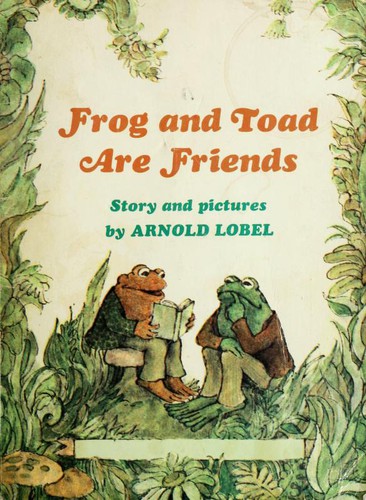
Two friends share small adventures. A calm, classic first reader.
Best for: gentle friendship.
2. The Cat in the Hat by Dr. Seuss
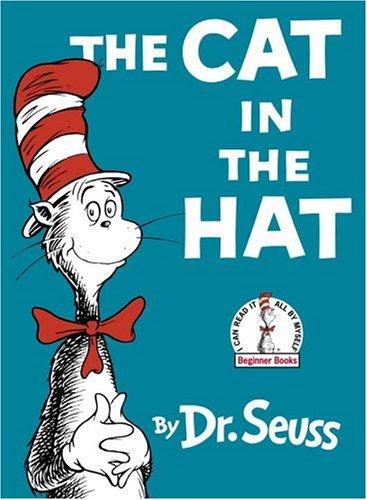
A mischievous cat brings chaos to a rainy day. Bouncy rhymes make it a fun first reader.
Best for: silly rhyme.
3. Green Eggs and Ham by Dr. Seuss
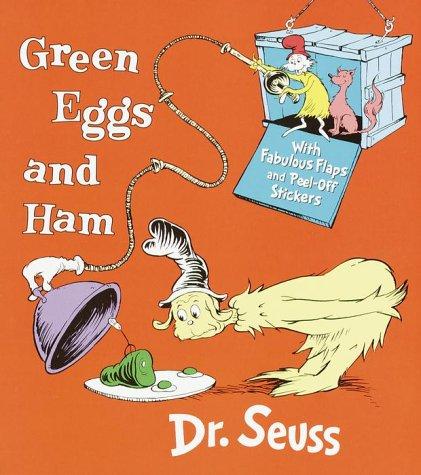
Sam-I-Am tries to get a grump to eat green eggs. Written with just 50 different words.
Best for: only 50 words.
4. Hop on Pop by Dr. Seuss
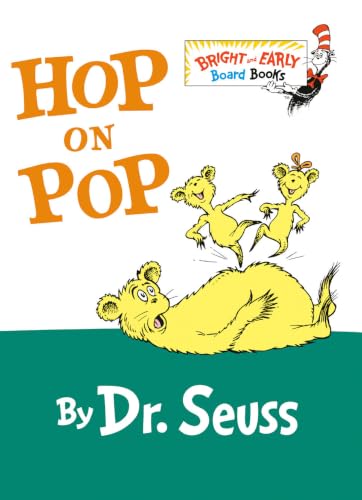
Rhymes and word patterns for beginners. Simple and funny.
Best for: word families.
5. Elephant and Piggie: Today I Will Fly! by Mo Willems
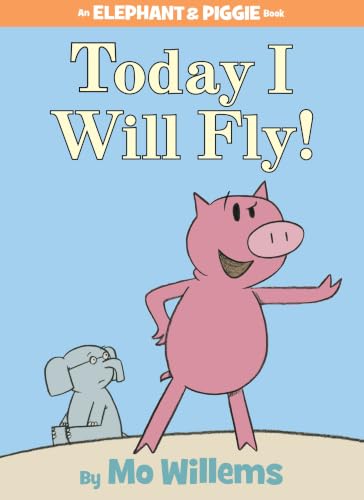
Piggie is determined to fly, and Elephant has doubts. Simple, hilarious and great for new readers.
Best for: funny conversations.
6. Go, Dog. Go! by P. D. Eastman

Dogs of all kinds go and stop. Fun repeated phrases.
Best for: action words.
7. Are You My Mother? by P. D. Eastman
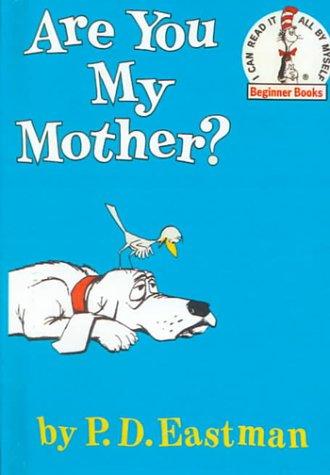
A baby bird looks for its mother. Short and sweet.
Best for: baby bird.
8. Biscuit by Alyssa Satin Capucilli

A small puppy wants one more thing before bed. Calm and repetitive.
Best for: puppy and bedtime.
9. Little Bear by Else Holmelund Minarik
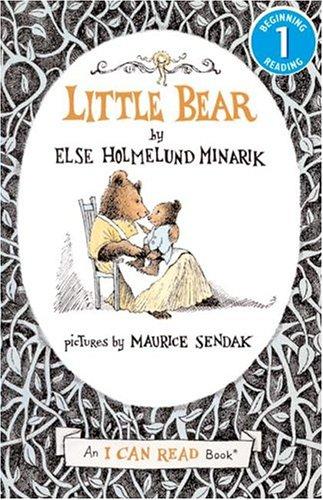
Little Bear and his family share small adventures. Illustrated by Maurice Sendak.
Best for: simple adventures.
10. Danny and the Dinosaur by Syd Hoff
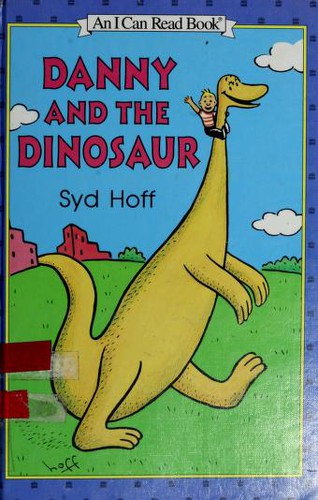
A boy spends a day with a dinosaur. A classic early reader.
Best for: fun friendship.
11. Henry and Mudge by Cynthia Rylant
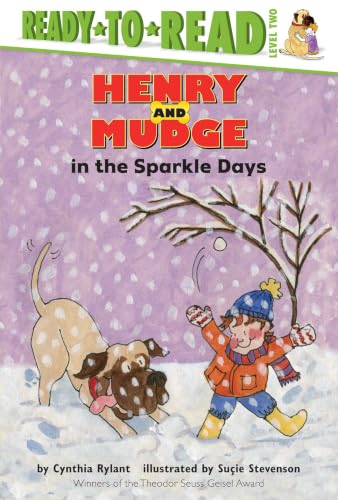
A boy and his huge dog share everyday adventures. Warm and gentle.
Best for: boy and dog.
12. Fly Guy by Tedd Arnold
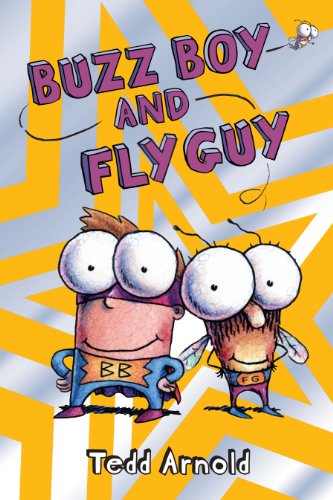
A boy has a pet fly who can say his name. Funny and short.
Best for: silly friendship.
13. Mercy Watson to the Rescue by Kate DiCamillo
A pig loves buttered toast and saves the day. Gentle humour.
Best for: a pig and toast.
14. Bob Books: Set 1 by Bobby Lynn Maslen
Tiny books that build from simple sounds. A trusted beginner set.
Best for: phonics steps.
15. Brown Bear, Brown Bear, What Do You See? by Bill Martin Jr. and Eric Carle
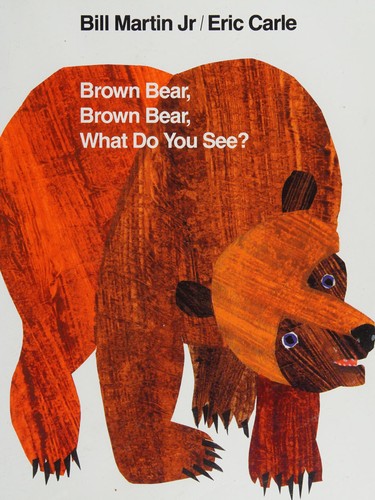
A simple call-and-response book of animals and colours. Perfect for sing-song reading.
Best for: rhythm and repetition.
How to Choose
For gentle first readers choose Frog and Toad, Little Bear or Henry and Mudge. For rhyme and fun pick Dr. Seuss. For humour read Elephant and Piggie or Fly Guy. For phonics practice use Bob Books. For very young children try Brown Bear or Biscuit. The best early readers are the ones your child wants to read again, so let them choose. Reading the same book many times is not a waste, because repetition builds confidence and word recognition. Take turns reading lines aloud, and let your child point to the words. If you want to share the old Dick and Jane books as a curiosity, reprints are available, but pair them with modern stories. If you want children to enjoy reading, let them choose books about topics they love. If you want to track progress, look for levelled readers from your library. Reading aloud together every day matters more than any single book.
Related: 15 Books Like Jane Eyre You’ll Love: Gothic Romance and Strong Heroines · 12 Dystopian Books Like the Hunger Games | Best Books to Read Like Hunger Games
Frequently Asked Questions
What were Dick and Jane?
Early reading books used in American schools from the 1930s to the 1960s.
Who wrote them?
William S. Gray and Zerna Sharp created the series, with illustrations by several artists.
Are Dick and Jane still available?
Reprints exist. Check current listings.
What age are they for?
Usually ages 4 to 7.
Are they good for teaching reading?
They use repetition, but modern books may be more engaging.
What are good alternatives today?
Elephant and Piggie, Frog and Toad and Bob Books.
How can I help my child practise reading?
Read together daily, take turns and choose books they enjoy.
What should we read next?
Try Frog and Toad Are Friends.
What are leveled readers?
Books graded by difficulty so children can move up step by step.
When should children start reading?
Most children begin learning to read between ages 4 and 7, at their own pace.