

Disclosure: As an Amazon Associate, Bookish Wisdom earns from qualifying purchases. This doesn't change our picks or your price.
Quick answer: If your child loves Encyclopedia Brown, try Nate the Great, The Boxcar Children, Cam Jansen and A to Z Mysteries. All are short, fun mysteries for young readers who like to solve puzzles.
Donald J. Sobol's Encyclopedia Brown series, beginning in 1963, follows Leroy Brown, a boy detective in Idaville who solves crimes using logic, and gives readers the clues to solve each case themselves before the answer at the back. The books below offer similar young detectives and puzzles for readers aged six to twelve.
Table of Contents
Quick Picks at a Glance
| Book | Author | Ages | Best For |
|---|---|---|---|
| Nate the Great | Marjorie Weinman Sharmat | Ages 5-8 | kid detective |
| The Boxcar Children | Gertrude Chandler Warner | Ages 6-10 | siblings on their own |
| Cam Jansen and the Mystery of the Stolen Diamonds | David A. Adler | Ages 6-9 | photographic memory |
| The Absent Author | Ron Roy | Ages 6-10 | A to Z Mysteries |
| The Westing Game | Ellen Raskin | Ages 10-14 | puzzle classic |
| Chasing Vermeer | Blue Balliett | Ages 9-13 | art and puzzles |
| The Mysterious Benedict Society | Trenton Lee Stewart | Ages 9-13 | puzzles and teamwork |
| The London Eye Mystery | Siobhan Dowd | Ages 9-13 | unusual detective |
| Murder Most Unladylike | Robin Stevens | Ages 9-13 | boarding-school detectives |
| The Tower Treasure | Franklin W. Dixon | Ages 8-12 | Hardy Boys |
| The Secret of the Old Clock | Carolyn Keene | Ages 8-12 | Nancy Drew |
| Enola Holmes: The Case of the Missing Marquess | Nancy Springer | Ages 10-14 | Sherlock's sister |
| The Mystery of the Burnt Cottage | Enid Blyton | Ages 8-12 | Five Find-Outers |
| Greenglass House | Kate Milford | Ages 10-14 | snowed-in mystery |
| Holes | Louis Sachar | Ages 9-13 | mystery and humour |
1. Nate the Great by Marjorie Weinman Sharmat
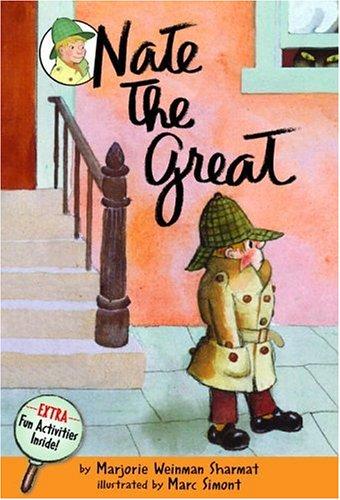
Nate solves small mysteries with pancakes. Short and charming.
Best for: kid detective.
2. The Boxcar Children by Gertrude Chandler Warner
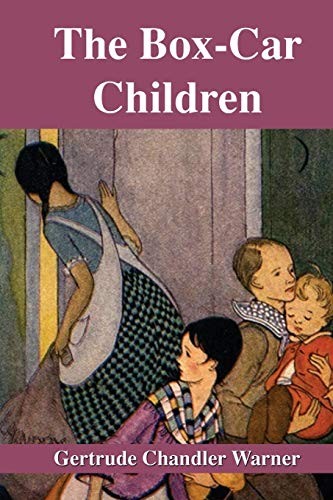
Four orphaned siblings make a home in an abandoned boxcar. Cosy.
Best for: siblings on their own.
3. Cam Jansen and the Mystery of the Stolen Diamonds by David A. Adler
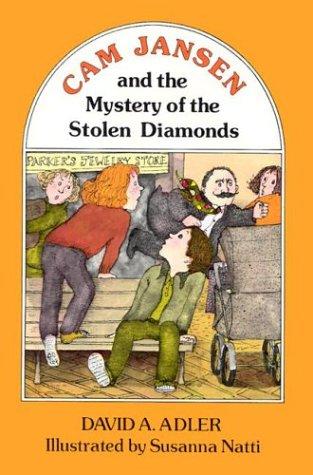
A girl with a photographic memory solves a crime. Quick and fun.
Best for: photographic memory.
4. The Absent Author by Ron Roy
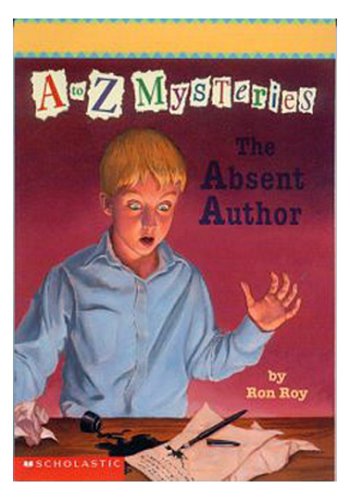
Three friends solve a mystery about a missing author. Easy and fun.
Best for: A to Z Mysteries.
5. The Westing Game by Ellen Raskin
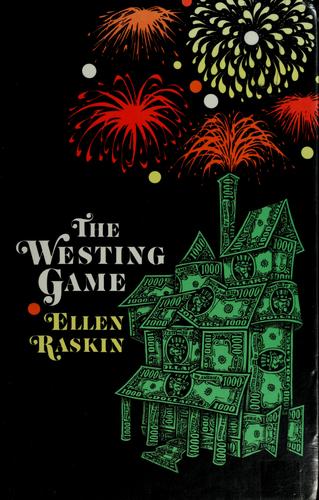
Sixteen heirs compete to solve a millionaire's death. Clever and funny.
Best for: puzzle classic.
6. Chasing Vermeer by Blue Balliett
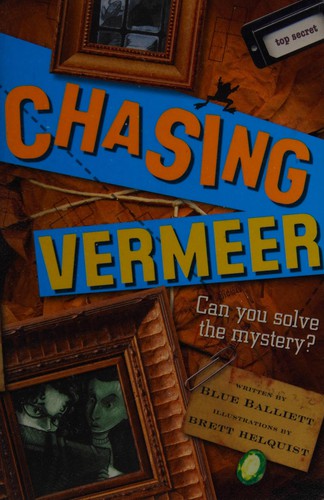
Two sixth graders try to find a stolen painting. A love letter to art and codes.
Best for: art and puzzles.
7. The Mysterious Benedict Society by Trenton Lee Stewart
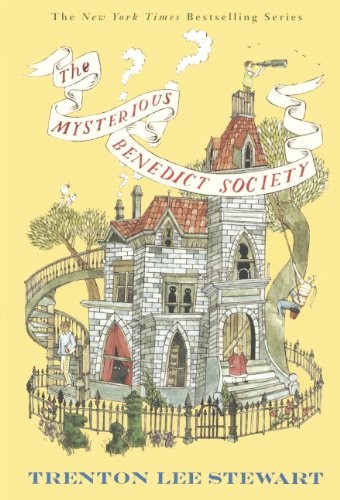
Four gifted children are recruited for a secret mission. Smart and warm.
Best for: puzzles and teamwork.
8. The London Eye Mystery by Siobhan Dowd
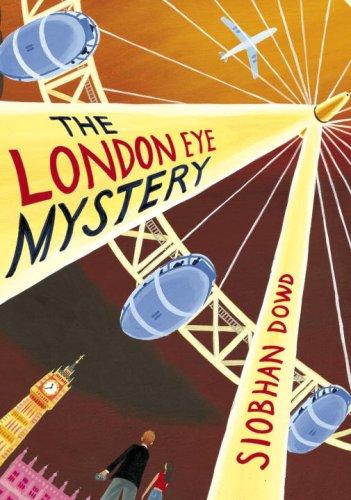
A boy with Asperger's helps solve the disappearance of his cousin. Sharp.
Best for: unusual detective.
9. Murder Most Unladylike by Robin Stevens
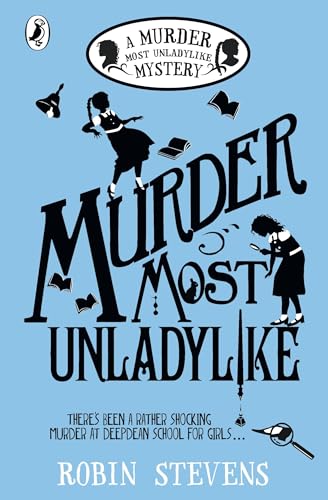
Daisy and Hazel investigate the death of a teacher. The best place to begin.
Best for: boarding-school detectives.
10. The Tower Treasure by Franklin W. Dixon
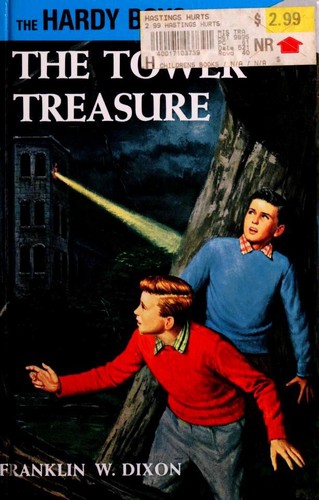
The first Hardy Boys mystery, about stolen jewels. Fast and simple.
Best for: Hardy Boys.
11. The Secret of the Old Clock by Carolyn Keene
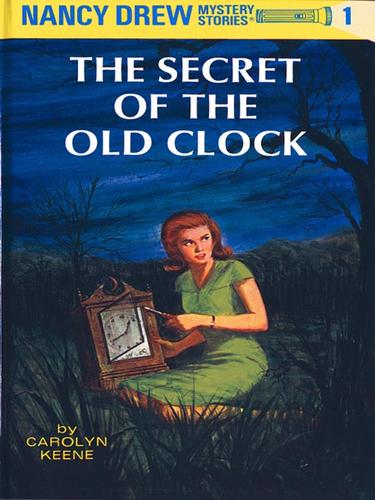
Nancy Drew's first case, involving a missing will. A classic girl detective.
Best for: Nancy Drew.
12. Enola Holmes: The Case of the Missing Marquess by Nancy Springer
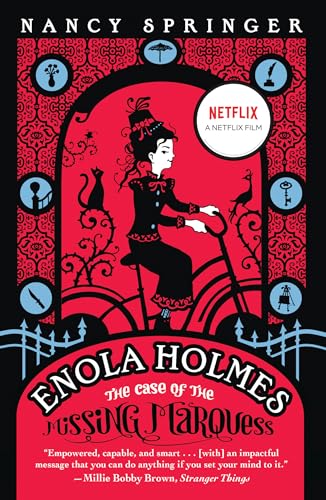
Enola runs away to find her missing mother. Clever and fast.
Best for: Sherlock's sister.
13. The Mystery of the Burnt Cottage by Enid Blyton
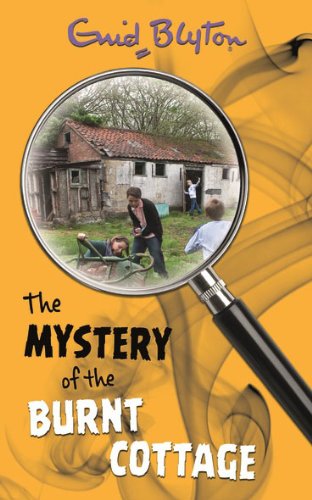
The first Five Find-Outers book, with a group of children and their dog solving mysteries. Fun.
Best for: Five Find-Outers.
14. Greenglass House by Kate Milford
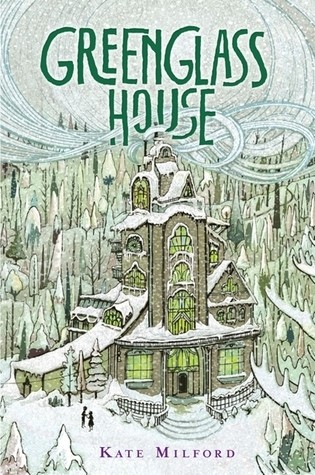
A boy at an inn full of odd guests solves a theft. Cosy and complex.
Best for: snowed-in mystery.
15. Holes by Louis Sachar
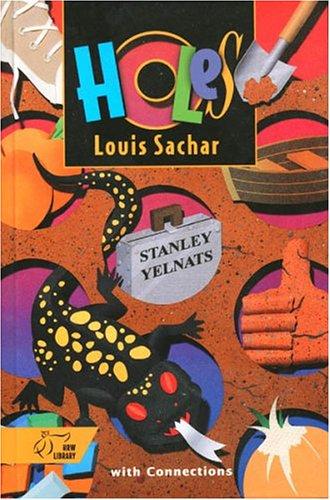
A boy is sent to a camp where he must dig holes. Clever and moving.
Best for: mystery and humour.
How to Choose
For shorter mysteries choose Nate the Great, Cam Jansen or A to Z Mysteries. For classic series pick The Boxcar Children, The Hardy Boys or Nancy Drew. For puzzles read The Westing Game, Chasing Vermeer or The London Eye Mystery. For historical detective stories try Murder Most Unladylike and Enola Holmes. Encyclopedia Brown invites you to solve each case, so these picks suit young puzzle fans. The Encyclopedia Brown format is interactive: each case ends with a question and the solution is printed at the back, so children can try to spot the clue before checking. Many parents use it to teach logic.
Related: Sandra Brown Books in Order Printable List · Printable List of Carolyn Brown Books
Frequently Asked Questions
What is Encyclopedia Brown about?
A boy detective solves local mysteries with logic, and readers can try to solve them too.
Who wrote it?
Donald J. Sobol.
When did the series begin?
1963.
How many books are there?
Around 30.
What age is it for?
Roughly ages 7 to 11.
Are the solutions included?
Yes, at the back of each book.
Is it good for reluctant readers?
Yes, the cases are short.
What should we read next?
Try Nate the Great or A to Z Mysteries.
Which book here is best for A to Z Mysteries?
Try The Absent Author by Ron Roy, which suits readers looking for A to Z Mysteries.
Which book here is best for puzzles and teamwork?
Try The Mysterious Benedict Society by Trenton Lee Stewart, which suits readers looking for puzzles and teamwork.
Which book here is best for Hardy Boys?
Try The Tower Treasure by Franklin W. Dixon, which suits readers looking for Hardy Boys.