

Disclosure: As an Amazon Associate, Bookish Wisdom earns from qualifying purchases. This doesn't change our picks or your price.
Quick answer: If you read the Epic of Gilgamesh, read The Iliad, The Odyssey, The Aeneid and Beowulf. All are foundational epics about heroes, friendship, death and the search for lasting fame.
The Epic of Gilgamesh is one of the oldest known works of literature, from Mesopotamia, and tells of the king of Uruk, his friend Enkidu and his search for a way to escape death. It is short, powerful and surprisingly modern in its emotions. The books below offer related epics, myths and retellings from many cultures.
Table of Contents
Quick Picks at a Glance
| Book | Author | Ages | Best For |
|---|---|---|---|
| The Iliad | Homer | Adult | war and rage |
| The Odyssey | Homer | Adult | the great journey |
| The Aeneid | Virgil | Adult | founding epic |
| Beowulf | Anonymous | Adult | Anglo-Saxon epic |
| Metamorphoses | Ovid | Adult | myths of change |
| The Shahnameh | Ferdowsi | Adult | Persian national epic |
| The Kalevala | Elias Lonnrot | Adult | Finnish folk epic |
| The Song of Roland | Anonymous | Adult | medieval French epic |
| The Poetic Edda | Anonymous | Adult | Norse myths |
| Mythology | Edith Hamilton | Adult | classic guide |
| Gilgamesh the King | Robert Silverberg | Adult | novelised retelling |
| Sundiata: An Epic of Old Mali | D. T. Niane | Adult | West African epic |
| Mythos | Stephen Fry | Adult | witty myths |
| Circe | Madeline Miller | Adult | witch of the Odyssey |
| The Song of Achilles | Madeline Miller | Adult | Trojan War |
1. The Iliad by Homer
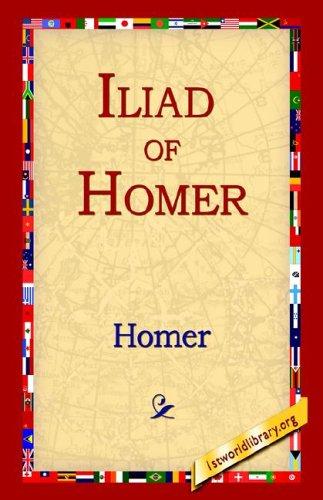
The wrath of Achilles during the Trojan War. A foundation of war literature.
Best for: war and rage.
2. The Odyssey by Homer
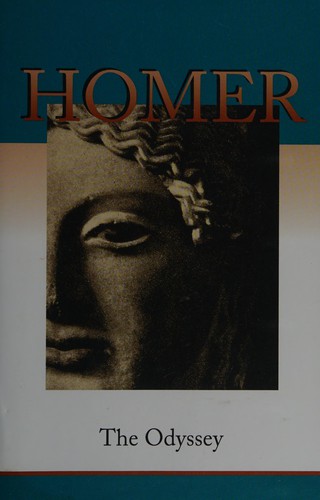
Odysseus struggles to return home after the war. Adventurous and humane.
Best for: the great journey.
3. The Aeneid by Virgil
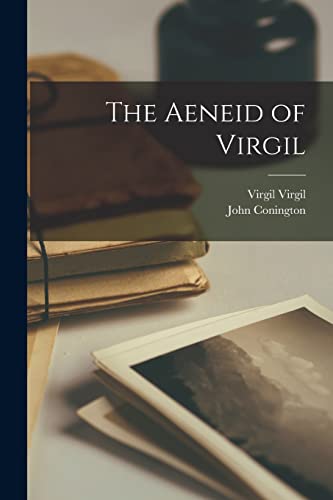
Aeneas flees Troy and founds the lineage of Rome. Grand and thoughtful.
Best for: founding epic.
4. Beowulf by Anonymous
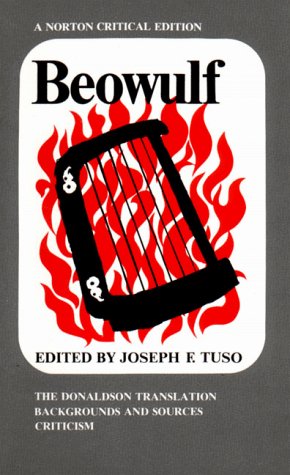
A hero fights monsters and a dragon. Dark and strong, best in a modern translation like Seamus Heaney's.
Best for: Anglo-Saxon epic.
5. Metamorphoses by Ovid
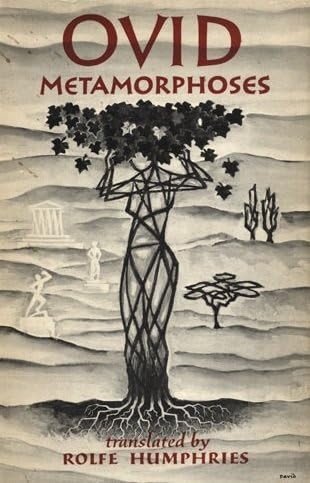
A playful collection of transformations. A source for countless later stories.
Best for: myths of change.
6. The Shahnameh by Ferdowsi
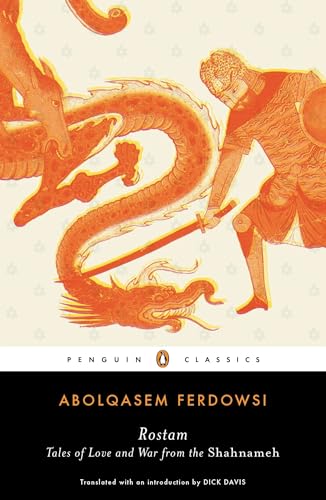
The long poem of Persian kings and heroes. Majestic and dramatic.
Best for: Persian national epic.
7. The Kalevala by Elias Lonnrot
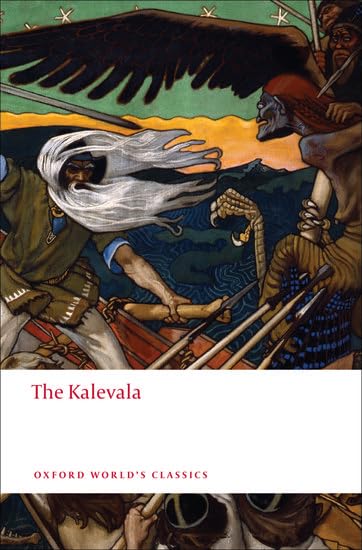
Finnish myths gathered into one epic. Rhythmic and strange, and an inspiration for Tolkien.
Best for: Finnish folk epic.
8. The Song of Roland by Anonymous
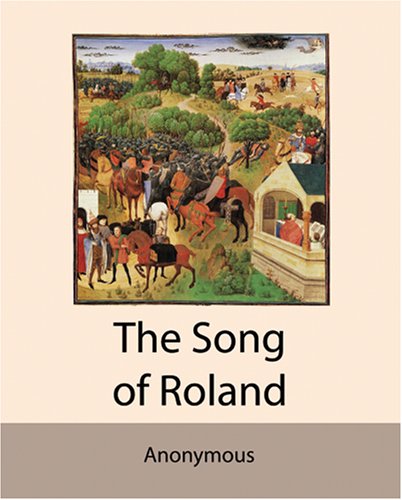
Roland and his rearguard fight at Roncevaux. Heroic and fierce.
Best for: medieval French epic.
9. The Poetic Edda by Anonymous
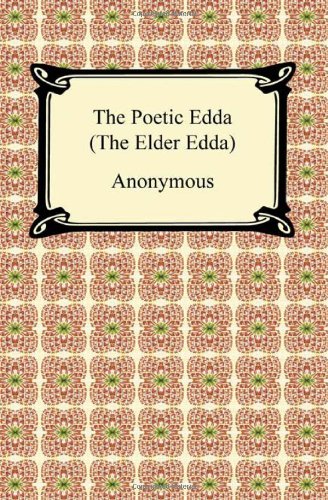
Old Norse poems of gods and heroes. Rough, vivid and poetic.
Best for: Norse myths.
10. Mythology by Edith Hamilton
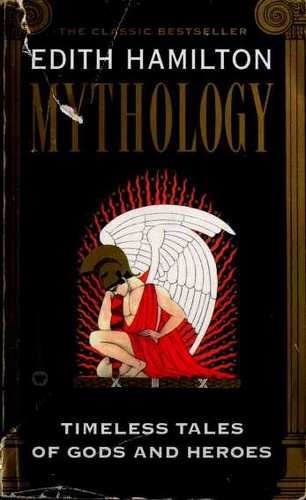
A clear overview of Greek, Roman and Norse myths. Useful background.
Best for: classic guide.
11. Gilgamesh the King by Robert Silverberg
A readable novel version of the story. A friendly route into the epic.
Best for: novelised retelling.
12. Sundiata: An Epic of Old Mali by D. T. Niane
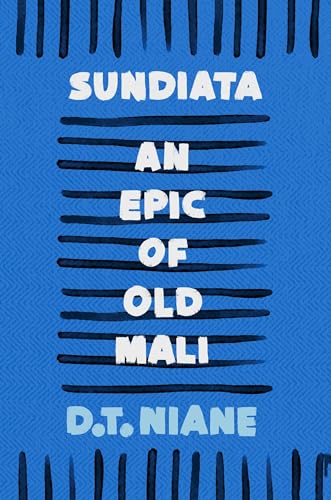
The story of the founder of the Mali Empire. Short and stirring.
Best for: West African epic.
13. Mythos by Stephen Fry
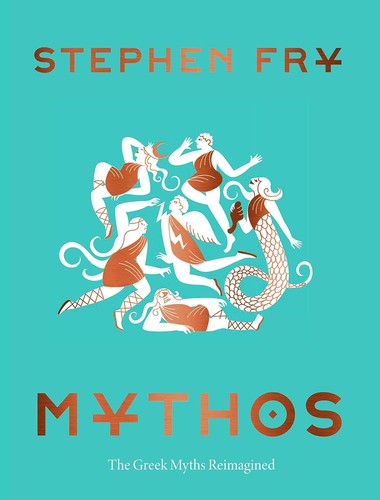
Fry retells the Greek myths in a warm, funny voice. A good primer.
Best for: witty myths.
14. Circe by Madeline Miller
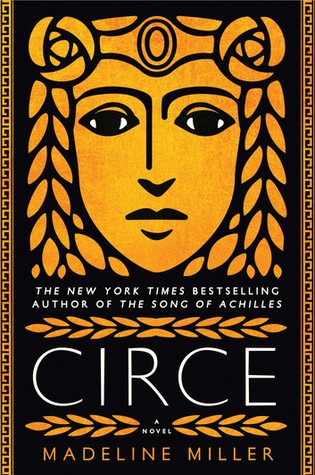
The goddess Circe tells her story. Lush and thoughtful.
Best for: witch of the Odyssey.
15. The Song of Achilles by Madeline Miller
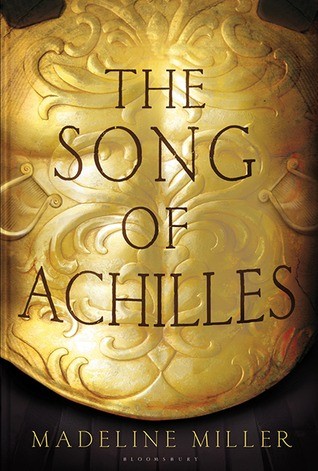
Patroclus tells the story of his love for Achilles. Lyrical and heartbreaking.
Best for: Trojan War.
How to Choose
Start with The Iliad or The Odyssey for the best-known epics. For another ancient epic read The Aeneid or Beowulf. For wider cultures choose The Shahnameh, Sundiata or The Kalevala. For readable guides pick Edith Hamilton or Stephen Fry. For modern retellings try Circe or The Song of Achilles. Translation matters, so choose a modern edition with notes, and expect to read slowly. Gilgamesh was written on clay tablets in cuneiform, and the best-known version dates to the Old Babylonian and later standard editions, so editions differ in how they fill gaps in the text. Reading Gilgamesh back to back with the Iliad shows how much early epics share: friendship, grief and a hero who must accept being mortal. If you only read one companion, make it The Odyssey. If you prefer a lighter route, Stephen Fry's Mythos is chatty and funny. Audiobooks of modern translations are a good way to catch the rhythm of oral poetry. Reading in a modern translation with a good introduction makes the Epic of Gilgamesh feel far less distant.
Related: What Is Epic Fantasy vs High Fantasy? · 12 Dystopian Books Like the Hunger Games | Best Books to Read Like Hunger Games
Frequently Asked Questions
What is the Epic of Gilgamesh?
An ancient Mesopotamian poem about the king of Uruk and his search for immortality.
How old is it?
It dates back about four thousand years in its earliest forms.
Is it long?
No, it is short, often under 100 pages in translation.
Which translation should I read?
Look for one with notes, such as those by Andrew George or Stephen Mitchell.
Is it a religious text?
No, it is an epic poem, though gods appear as characters.
Is it hard to read?
Modern translations are clear and fast.
Who is Enkidu?
Gilgamesh's wild friend, whose death sends the king on his quest.
What should I read next?
Try The Iliad or The Odyssey.
Is Gilgamesh the oldest story?
It is among the oldest surviving written stories, along with other ancient Mesopotamian works.
Are there modern retellings?
Yes, including novels, graphic novels and plays.
Who is Utnapishtim in the epic?
An immortal survivor of a great flood whom Gilgamesh visits in his search for eternal life.