
Disclosure: As an Amazon Associate, Bookish Wisdom earns from qualifying purchases. This doesn't change our picks or your price.
Quick answer: If you read Five Little Indians, try Indian Horse, The Marrow Thieves, The Break, There There, The Round House and Seven Fallen Feathers. These books look at residential schools, trauma and survival from Indigenous voices.
Michelle Good's novel follows five survivors of a Canadian residential school as they try to build lives in Vancouver after being released. It is painful, honest and full of resilience. Readers who want to continue should choose Indigenous authors writing fiction and nonfiction about the same history. These 15 books deal with abuse, loss and survival. Read them when you are ready.
Table of Contents
Quick Picks at a Glance
| Book | Author | Ages | Best For |
|---|---|---|---|
| Indian Horse | Richard Wagamese | Adult | readers who want a classic |
| Medicine Walk | Richard Wagamese | Adult | readers who like quiet drama |
| The Marrow Thieves | Cherie Dimaline | Teen/Adult | readers who want speculative fiction |
| Moon of the Crusted Snow | Waubgeshig Rice | Adult | readers who like suspense |
| The Break | Katherena Vermette | Adult | readers who like multiple voices |
| Birdie | Tracey Lindberg | Adult | readers who want a literary novel |
| There There | Tommy Orange | Adult | readers who want a modern urban story |
| Heart Berries | Terese Marie Mailhot | Adult | readers who want a memoir |
| The Round House | Louise Erdrich | Adult | readers who like a story with justice |
| The Night Watchman | Louise Erdrich | Adult | readers who like history |
| Seven Fallen Feathers | Tanya Talaga | Adult | readers who want nonfiction |
| A Mind Spread Out on the Ground | Alicia Elliott | Adult | readers who like essays |
| 21 Things You May Not Know About the Indian Act | Bob Joseph | Adult | readers who want context |
| Halfbreed | Maria Campbell | Adult | memoir readers |
| Unreconciled | Jesse Wente | Adult | readers who want an Indigenous perspective on now |
1. Indian Horse by Richard Wagamese
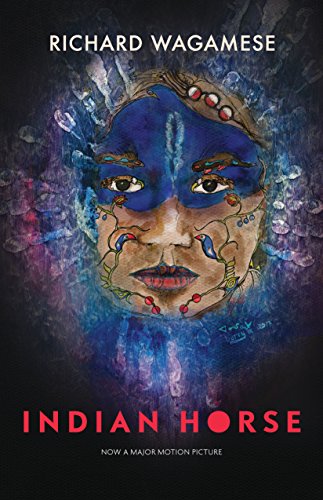
Saul Indian Horse, a gifted hockey player, recalls his years in a residential school and on the ice. Quietly powerful and often taught in schools.
Best for: readers who want a classic.
2. Medicine Walk by Richard Wagamese
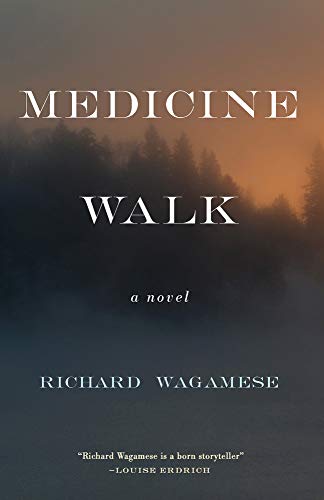
A dying father asks his son to take him into the wilderness to be buried. Tender and spare.
Best for: readers who like quiet drama.
3. The Marrow Thieves by Cherie Dimaline
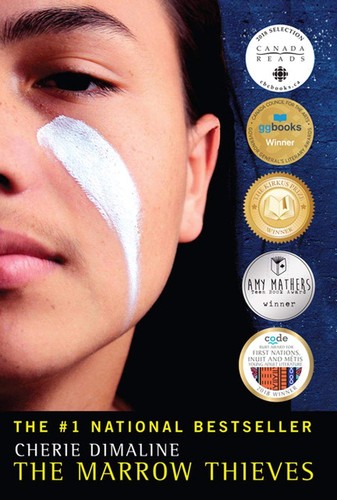
In a future where most people cannot dream, Indigenous people are hunted for their marrow. A YA dystopia that echoes the residential school system.
Best for: readers who want speculative fiction.
4. Moon of the Crusted Snow by Waubgeshig Rice
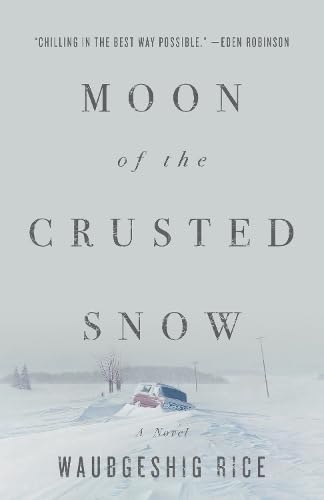
When the power goes out in an Anishinaabe community, winter closes in and outsiders arrive. A short, tense post-apocalyptic novel.
Best for: readers who like suspense.
5. The Break by Katherena Vermette
A Métis woman sees an assault from her window, and the story follows several women connected to the victim. Moving and poetic.
Best for: readers who like multiple voices.
6. Birdie by Tracey Lindberg
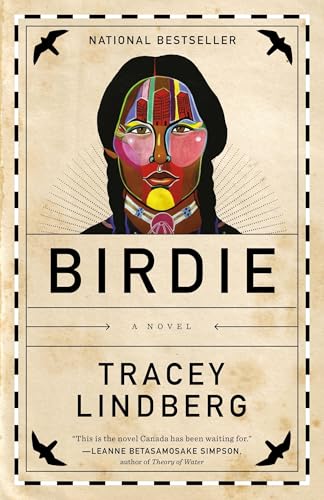
Bernice travels to Gibsons, British Columbia, to heal after a lifetime of trauma, and the story unfolds in her dreams. Rich and unusual.
Best for: readers who want a literary novel.
7. There There by Tommy Orange
Twelve Native characters head to a powwow in Oakland, California, and their lives collide. Sharp and bold.
Best for: readers who want a modern urban story.
8. Heart Berries by Terese Marie Mailhot
A memoir in essays about trauma, mental illness and healing. Raw, lyrical and honest.
Best for: readers who want a memoir.
9. The Round House by Louise Erdrich
A boy seeks justice after his mother is attacked on a reservation in North Dakota. National Book Award winner.
Best for: readers who like a story with justice.
10. The Night Watchman by Louise Erdrich
Thomas Wazhashk fights a bill that would end tribal rights, based on Erdrich's grandfather. Won the Pulitzer Prize.
Best for: readers who like history.
11. Seven Fallen Feathers by Tanya Talaga
Talaga investigates the deaths of seven Indigenous teens in Thunder Bay, Ontario. Well-reported and upsetting.
Best for: readers who want nonfiction.
12. A Mind Spread Out on the Ground by Alicia Elliott
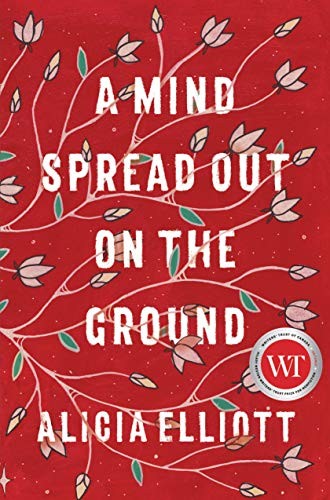
Essays about trauma, poverty, mental health and being Mohawk. Frank and thoughtful.
Best for: readers who like essays.
13. 21 Things You May Not Know About the Indian Act by Bob Joseph
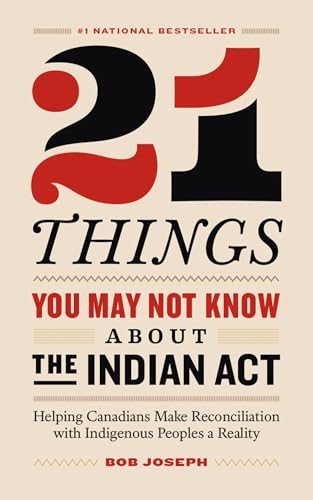
A short, clear guide to the law that governed First Nations in Canada. Good background for all of these stories.
Best for: readers who want context.
14. Halfbreed by Maria Campbell
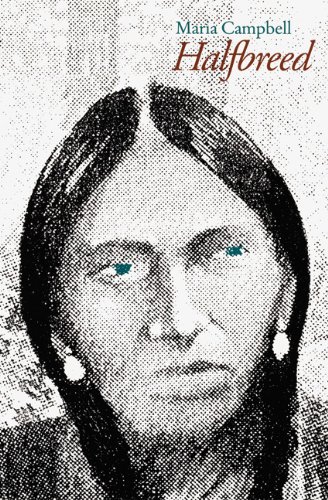
A Métis writer tells of her childhood in Saskatchewan, poverty and recovery. A landmark memoir first published in 1973.
Best for: memoir readers.
15. Unreconciled by Jesse Wente
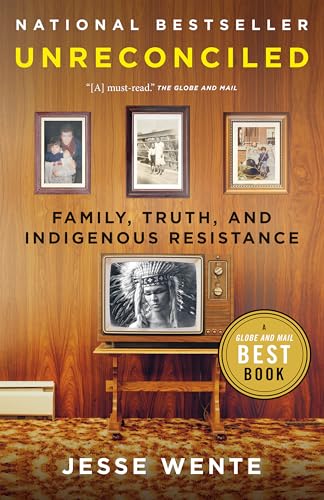
A Canadian arts leader writes about his life and the future of reconciliation. Personal, direct and challenging.
Best for: readers who want an Indigenous perspective on now.
How to Choose
For fiction about residential schools, start with Indian Horse or The Marrow Thieves. For present-day stories, read There There or The Break. For nonfiction, begin with Seven Fallen Feathers or 21 Things. Nearly every title includes abuse, violence or racism. Take breaks and read what is right for you. If you are new to the history, read one novel and one nonfiction book together, such as Indian Horse and 21 Things, so the facts and the human story support each other. Many of these titles are also available as audiobooks, often read by Indigenous narrators, which can make long or difficult books easier to take in. Consider buying from Indigenous-owned bookstores and publishers when you can.
Related: 15 Books Like Little Women You’ll Love: Sisters, Families and Classic Stories · 15 Books Like Little Fires Everywhere You’ll Love: Family Secrets and Suburban Drama
Frequently Asked Questions
Is Five Little Indians based on a true story?
It is fiction, but it draws on real accounts from survivors of Canadian residential schools.
Who are the main characters?
The novel follows five survivors, Kenny, Clara, Howie, Maisie and Lucy, as they try to rebuild their lives after leaving the school.
Where can I learn more about residential schools?
Canada's Truth and Reconciliation Commission has published a full report and survivor accounts.
Are these books suitable for teens?
The Marrow Thieves and Indian Horse are widely taught to teens, but adults should check the content notes first.
Where can readers find help after a hard book?
In Canada, the Indian Residential Schools Crisis Line is 1-866-925-4419. In the US, call or text 988 for crisis support.