

Disclosure: As an Amazon Associate, Bookish Wisdom earns from qualifying purchases. This doesn't change our picks or your price.
Quick answer: If you loved Flowers for Algernon, try The Curious Incident of the Dog in the Night-Time, Of Mice and Men, Never Let Me Go, Frankenstein, The Speed of Dark and Wonder. Each one is a moving story about intelligence, identity, outsiders or what makes a life meaningful.
Daniel Keyes's 1966 novel is told through the progress reports of Charlie Gordon, a gentle man with an intellectual disability who undergoes an experimental surgery to raise his IQ. The same operation has already made a lab mouse named Algernon brilliant. As Charlie becomes a genius, he sees how people really treated him, falls in love and then discovers the effect may not last. Readers love its emotion and its questions. These books share its outsiders and its heart.
Table of Contents
Quick Picks at a Glance
| Book | Author | Style | Best For |
|---|---|---|---|
| The Curious Incident of the Dog in the Night-Time | Mark Haddon | Novel | readers who like unusual narrators |
| Of Mice and Men | John Steinbeck | Novella | readers who like gentle giants |
| Never Let Me Go | Kazuo Ishiguro | Novel | readers who like science and humanity |
| Frankenstein | Mary Shelley | Novel | readers who like science gone wrong |
| The Speed of Dark | Elizabeth Moon | Novel | readers who like a modern Algernon |
| Wonder | R.J. Palacio | Novel | readers who like kindness |
| Still Alice | Lisa Genova | Novel | readers who like losing the mind |
| The Rosie Project | Graeme Simsion | Novel | readers who want a lighter take |
| A Man Called Ove | Fredrik Backman | Novel | readers who like misunderstood men |
| One Flew Over the Cuckoo's Nest | Ken Kesey | Novel | readers who like institutions |
| The Story of Edgar Sawtelle | David Wroblewski | Novel | readers who like mute heroes |
| Out of My Mind | Sharon M. Draper | Middle grade | younger readers |
| Klara and the Sun | Kazuo Ishiguro | Novel | readers who like artificial minds |
| Mockingbird | Kathryn Erskine | Middle grade | younger readers |
| Every Note Played | Lisa Genova | Novel | readers who like illness and memory |
1. The Curious Incident of the Dog in the Night-Time by Mark Haddon
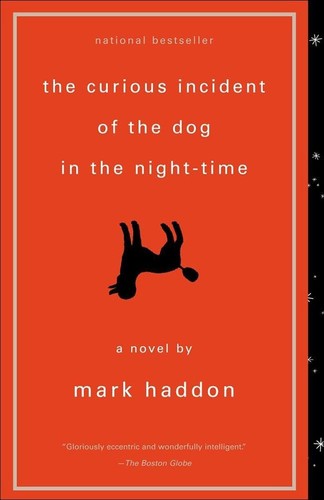
An autistic boy investigates a dog's death.
Best for: readers who like unusual narrators.
2. Of Mice and Men by John Steinbeck
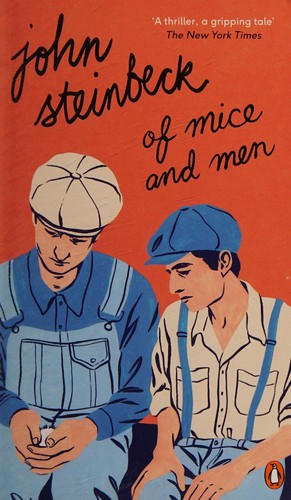
Two migrant workers dream of a farm.
Best for: readers who like gentle giants.
3. Never Let Me Go by Kazuo Ishiguro
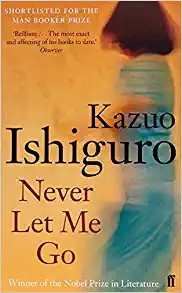
Students learn their purpose.
Best for: readers who like science and humanity.
4. Frankenstein by Mary Shelley
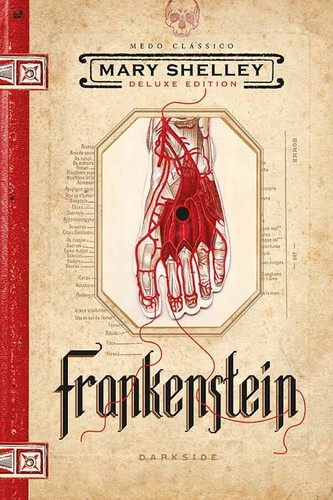
A scientist creates a creature.
Best for: readers who like science gone wrong.
5. The Speed of Dark by Elizabeth Moon
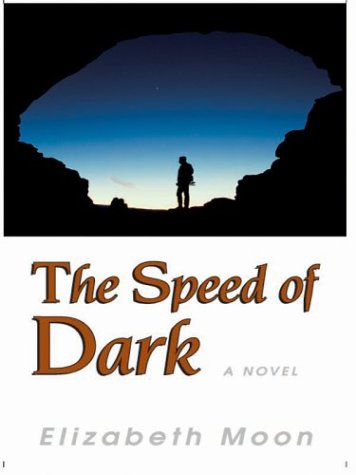
An autistic man is offered a “cure”.
Best for: readers who like a modern Algernon.
6. Wonder by R.J. Palacio
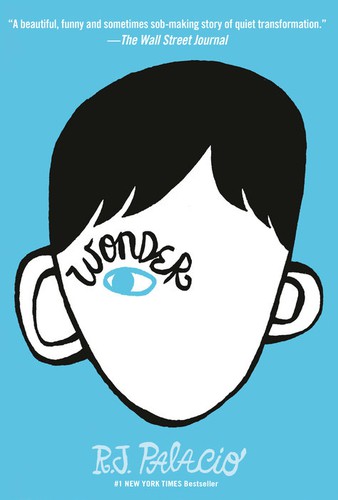
A boy with a facial difference starts school.
Best for: readers who like kindness.
7. Still Alice by Lisa Genova
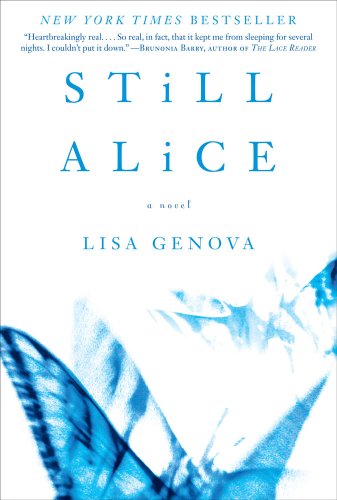
A professor learns she has early Alzheimer's.
Best for: readers who like losing the mind.
8. The Rosie Project by Graeme Simsion
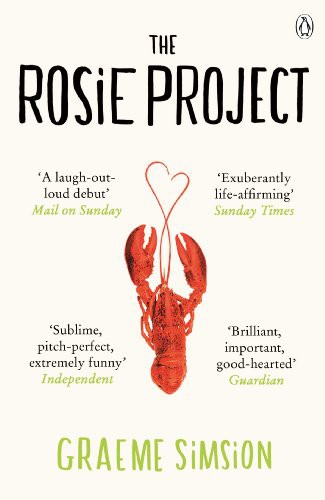
A professor designs a wife survey.
Best for: readers who want a lighter take.
9. A Man Called Ove by Fredrik Backman
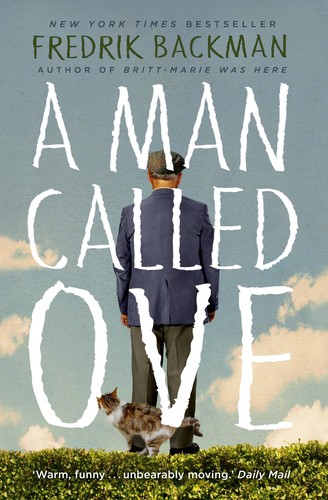
A grumpy widower changes.
Best for: readers who like misunderstood men.
10. One Flew Over the Cuckoo's Nest by Ken Kesey
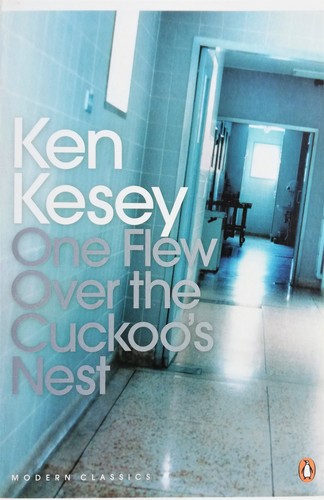
A rebel challenges a psychiatric ward.
Best for: readers who like institutions.
11. The Story of Edgar Sawtelle by David Wroblewski
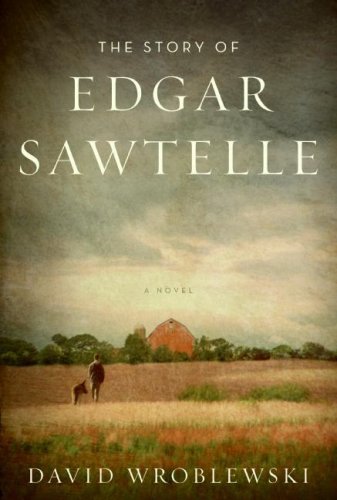
A mute boy suspects his uncle.
Best for: readers who like mute heroes.
12. Out of My Mind by Sharon M. Draper
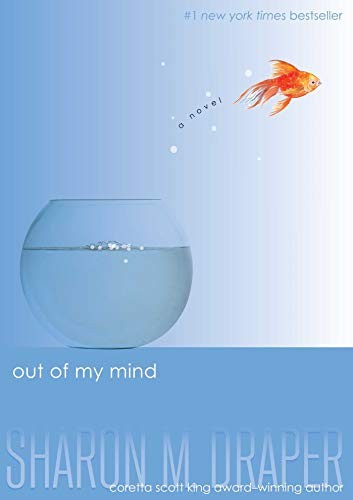
A girl with cerebral palsy proves her intelligence.
Best for: younger readers.
13. Klara and the Sun by Kazuo Ishiguro
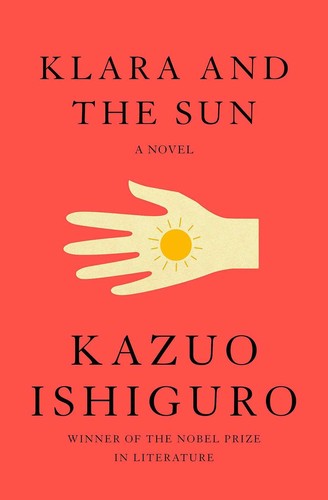
An artificial friend watches over a girl.
Best for: readers who like artificial minds.
14. Mockingbird by Kathryn Erskine
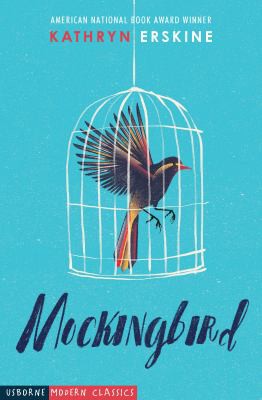
An autistic girl copes with grief.
Best for: younger readers.
15. Every Note Played by Lisa Genova
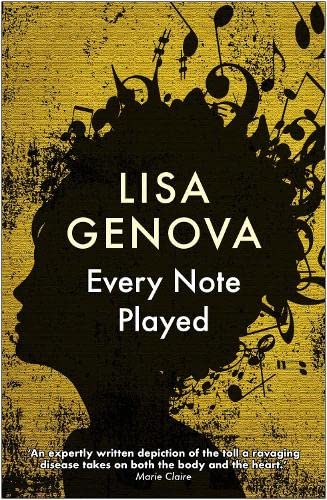
A pianist develops ALS.
Best for: readers who like illness and memory.
How We Chose These Books
Every pick is a real, widely available book that shares something specific with Flowers: its tone, its themes, its pace or the kind of characters it puts at the center. We mixed well-known favorites with a few less obvious titles, and we noted who each book suits best so you can match it to the reader. Where a book belongs to a series, we list the first volume so you can start at the beginning.
If you are not sure where to begin, start with the first three picks in the table: they are the closest match to Flowers. The rest of the list moves further out, so it works well once you know which part of the original you liked most. If a pick is part of a longer series, read the first book before you commit, and check the age or content notes in the table before passing a book to a younger reader.
How to Choose
For the closest modern companion, read The Speed of Dark. If you loved Charlie's voice, The Curious Incident of the Dog in the Night-Time is a favorite. Of Mice and Men and One Flew Over the Cuckoo's Nest show how society treats people deemed different. Still Alice explores losing the mind from the inside.
Related: The Curious Incident of the Dog in the Night-Time by Mark Haddon: Summary and Key Takeaways · One Flew Over the Cuckoo’s Nest by Ken Kesey: Summary and Key Takeaways
Frequently Asked Questions
What is Flowers for Algernon about?
A man with an intellectual disability becomes a genius after surgery, then faces losing it.
Who is Algernon?
A lab mouse who had the same surgery.
Was it a short story first?
Yes. The 1959 short story won the Hugo Award.
Did the novel win awards?
Yes. It won the Nebula Award in 1966.
Is it sad?
Yes. Most readers find the ending heartbreaking.
Is there a movie?
Yes. The 1968 film Charly.
Why is it challenged?
It has some sexual content.