

Disclosure: As an Amazon Associate, Bookish Wisdom earns from qualifying purchases. This doesn't change our picks or your price.
Quick answer: If you liked Ghost Fleet, read 2034: A Novel of the Next World War, Red Storm Rising, Red Phoenix and Daemon. All are techno-thrillers that imagine near-future wars and the technology that drives them.
P. W. Singer and August Cole's 2015 novel imagines a surprise attack on the United States by China and Russia, and a desperate effort to fight back with old ships and clever hackers. It is heavily researched, with hundreds of footnotes. The books below offer similar near-future war scenarios and techno-thrillers.
Table of Contents
Quick Picks at a Glance
| Book | Author | Ages | Best For |
|---|---|---|---|
| 2034: A Novel of the Next World War | Elliot Ackerman and James Stavridis | Adult | next war |
| Red Storm Rising | Tom Clancy and Larry Bond | Adult | NATO-Soviet war |
| Red Phoenix | Larry Bond | Adult | Korean War rematch |
| Debt of Honor | Tom Clancy | Adult | economic war |
| Daemon | Daniel Suarez | Adult | tech thriller |
| Zero Day | Mark Russinovich | Adult | cyber thriller |
| One Second After | William R. Forstchen | Adult | EMP attack |
| Warday | Whitley Strieber and James Kunetka | Adult | nuclear war aftermath |
| The Perfect Weapon | David E. Sanger | Adult | cyberwar nonfiction |
| Sandworm | Andy Greenberg | Adult | cyberwar reporting |
| Ender's Game | Orson Scott Card | Adult | young strategist |
| The Hunt for Red October | Tom Clancy | Adult | submarine thriller |
| Team Yankee | Harold Coyle | Adult | tank warfare |
| Seveneves | Neal Stephenson | Adult | space survival |
| The Kill Chain | Christian Brose | Adult | future war nonfiction |
1. 2034: A Novel of the Next World War by Elliot Ackerman and James Stavridis
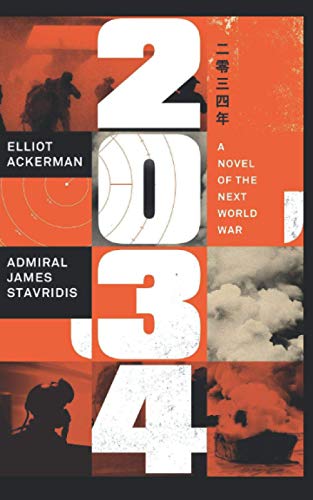
A conflict erupts in the South China Sea and escalates. Plausible and chilling.
Best for: next war.
2. Red Storm Rising by Tom Clancy and Larry Bond
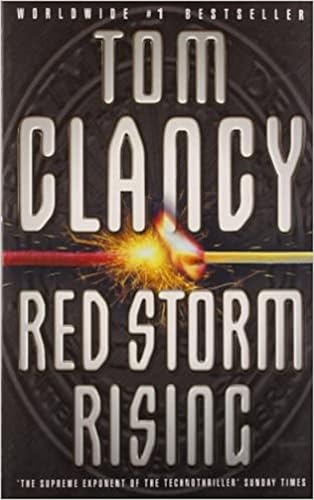
A conventional Third World War is fought in Europe and the Atlantic. Detailed and gripping.
Best for: NATO-Soviet war.
3. Red Phoenix by Larry Bond
A second Korean war breaks out with modern weapons. Detailed and fast.
Best for: Korean War rematch.
4. Debt of Honor by Tom Clancy
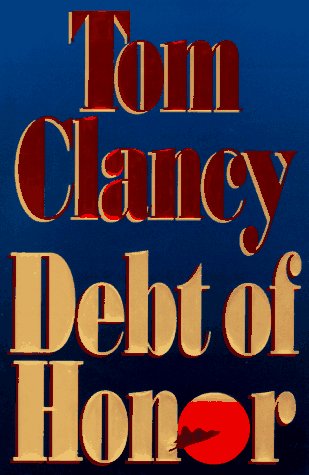
A conflict starts with a stock-market crime and escalates into war. Big and ambitious.
Best for: economic war.
5. Daemon by Daniel Suarez
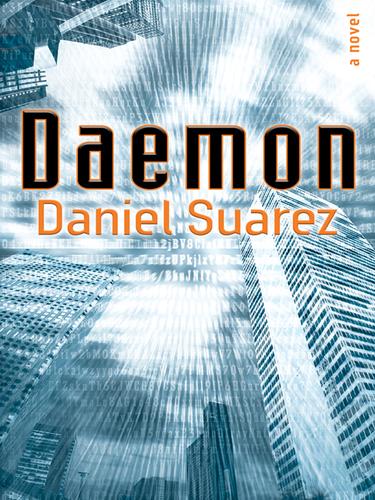
A dead programmer's software begins to reshape the world. Gripping and prescient.
Best for: tech thriller.
6. Zero Day by Mark Russinovich
A security expert faces a digital attack. Technical and tense.
Best for: cyber thriller.
7. One Second After by William R. Forstchen
An electromagnetic pulse knocks out the US grid, seen from a small North Carolina town. Chilling.
Best for: EMP attack.
8. Warday by Whitley Strieber and James Kunetka
Two journalists travel across a changed America. Documentary-style and bleak.
Best for: nuclear war aftermath.
9. The Perfect Weapon by David E. Sanger
Sanger reports on cyberattacks and nations. Clear and alarming.
Best for: cyberwar nonfiction.
10. Sandworm by Andy Greenberg
The story of Russian hackers and their attacks. Gripping and well reported.
Best for: cyberwar reporting.
11. Ender's Game by Orson Scott Card
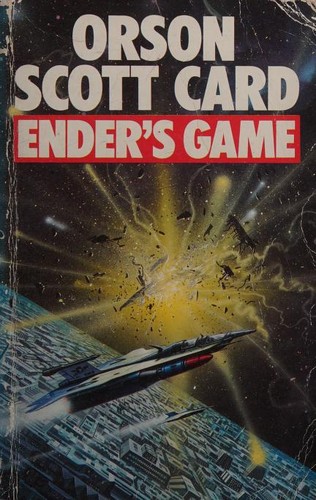
Ender Wiggin is trained to fight an alien enemy through simulated battles. Classic and tense.
Best for: young strategist.
12. The Hunt for Red October by Tom Clancy
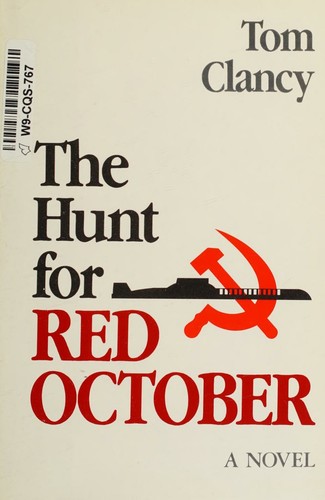
A Soviet submarine captain may defect. Dense and gripping.
Best for: submarine thriller.
13. Team Yankee by Harold Coyle
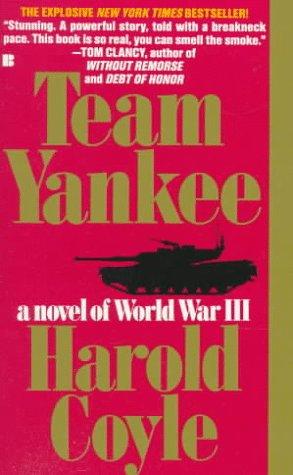
A US tank company fights Soviet forces in Germany. Gritty and ground-level.
Best for: tank warfare.
14. Seveneves by Neal Stephenson
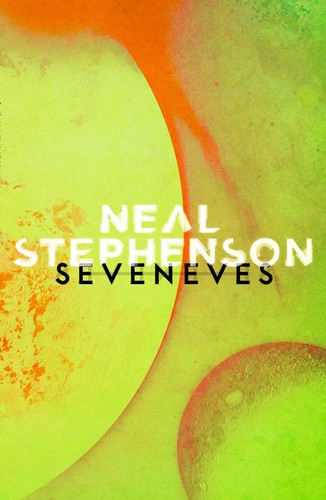
The moon breaks apart and humanity races to survive in orbit. Ambitious and detailed.
Best for: space survival.
15. The Kill Chain by Christian Brose
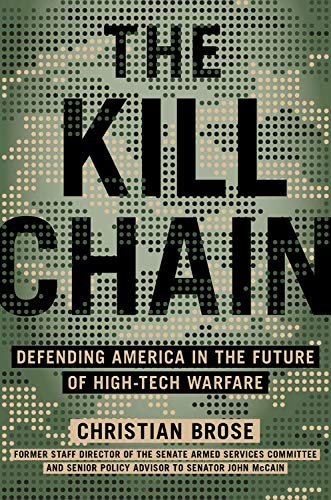
Brose argues that the US must change how it fights. Thoughtful and urgent.
Best for: future war nonfiction.
How to Choose
For near-future war fiction choose 2034 or Red Storm Rising. For Clancy-style detail pick Red Phoenix or Debt of Honor. For cyber threats read Daemon, Zero Day, The Perfect Weapon or Sandworm. For disaster scenarios try One Second After or Warday. Ghost Fleet is detailed and footnoted, so these picks suit readers who like realistic scenarios. The authors call Ghost Fleet a form of useful fiction, meaning fiction built on real research to help readers think through future risks. They both work in security and policy, so the details come from experience. Because Ghost Fleet is built on real technology, its endnotes are a good starting point for further reading. If you want fiction in the same style, 2034 is the best companion. If you want real-world cyber stories, The Perfect Weapon and Sandworm are gripping. Audiobooks are available for several of these titles. Readers who like policy debates may enjoy the authors' follow-up articles and essays on future warfare.
Related: 15 Books Like Wings of Fire Kids Will Love: Dragons, Quests and Animal Adventures · 12 Dystopian Books Like the Hunger Games | Best Books to Read Like Hunger Games
Frequently Asked Questions
What is Ghost Fleet about?
A surprise attack on the US by China and Russia, and the desperate response.
Who wrote it?
P. W. Singer and August Cole.
When was it published?
2015.
Is it realistic?
It is built on real technology and strategic research.
Does it have footnotes?
Yes, hundreds, explaining the real technology behind the story.
Is it a long book?
About 400 pages.
Is it dated?
Some details have changed, but the ideas still raise important questions.
What should I read next?
Try 2034 or Red Storm Rising.
Why does Ghost Fleet have footnotes?
The authors wanted to show that the technology in the story is real or based on real research.
Is Ghost Fleet political?
It deals with great-power conflict, but it focuses on strategy and technology more than parties.
Does Ghost Fleet have a sequel?
Check current listings for any follow-up.