
Disclosure: As an Amazon Associate, Bookish Wisdom earns from qualifying purchases. This doesn't change our picks or your price.
Quick answer: If you read Ham on Rye, read Charles Bukowski's Factotum, Post Office and Women, then The Catcher in the Rye, John Fante's Ask the Dust, Junky and Trainspotting. All are rough, honest stories of working lives, drinking and outsiders.
Charles Bukowski's 1982 novel is a fictionalised account of his childhood and youth in Depression-era Los Angeles, with an abusive father, acne and alienation. It is crude, blunt and surprisingly tender. Please note that it contains violence and strong language. The books below offer similar gritty autobiography, outsiders' voices and grim humour.
Table of Contents
Quick Picks at a Glance
| Book | Author | Ages | Best For |
|---|---|---|---|
| Factotum | Charles Bukowski | Adult | working drifter |
| Post Office | Charles Bukowski | Adult | Bukowski's first novel |
| Women | Charles Bukowski | Adult | love and chaos |
| Love Is a Dog from Hell | Charles Bukowski | Adult | poetry |
| The Catcher in the Rye | J. D. Salinger | Adult | teen alienation |
| Ask the Dust | John Fante | Adult | Los Angeles in the 1930s |
| Junky | William S. Burroughs | Adult | addiction classic |
| Trainspotting | Irvine Welsh | Adult | Edinburgh addiction |
| Jesus' Son | Denis Johnson | Adult | linked stories |
| Fear and Loathing in Las Vegas | Hunter S. Thompson | Adult | drug-fuelled satire |
| On the Road | Jack Kerouac | Adult | Beat road novel |
| Hunger | Knut Hamsun | Adult | starving artist |
| Less than Zero | Bret Easton Ellis | Adult | Los Angeles excess |
| Fight Club | Chuck Palahniuk | Adult | masculine rage |
| The Basketball Diaries | Jim Carroll | Adult | teen addiction memoir |
1. Factotum by Charles Bukowski
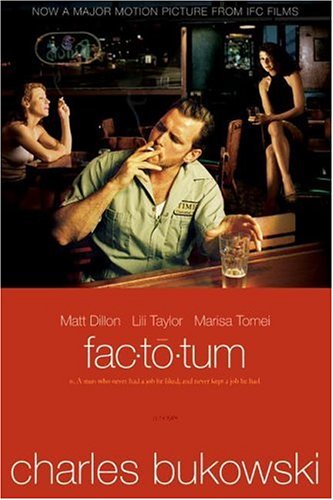
Henry Chinaski drifts through jobs and drinking. Funny and bleak.
Best for: working drifter.
2. Post Office by Charles Bukowski
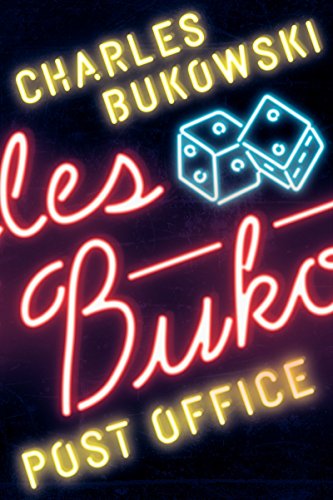
Chinaski works as a mail carrier. Short, dry and sharp.
Best for: Bukowski's first novel.
3. Women by Charles Bukowski
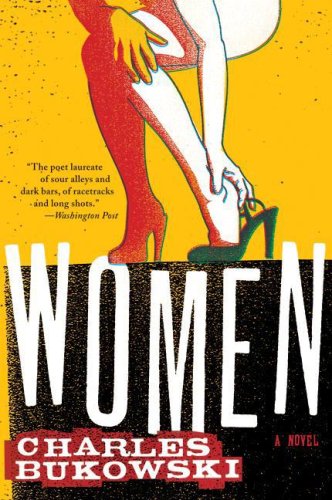
Chinaski's affairs after he becomes known as a poet. Raunchy and ironic.
Best for: love and chaos.
4. Love Is a Dog from Hell by Charles Bukowski
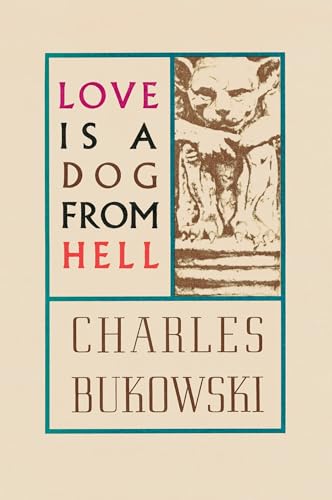
Bukowski's poems of love and loneliness. Direct and raw.
Best for: poetry.
5. The Catcher in the Rye by J. D. Salinger
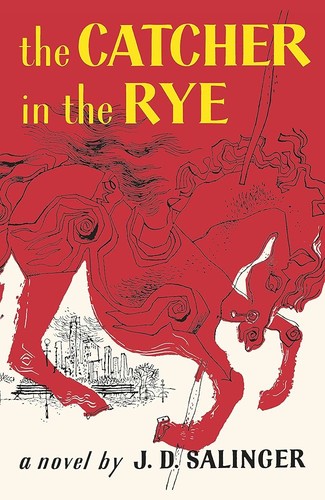
Holden Caulfield wanders New York after leaving school. A classic of youthful disaffection.
Best for: teen alienation.
6. Ask the Dust by John Fante
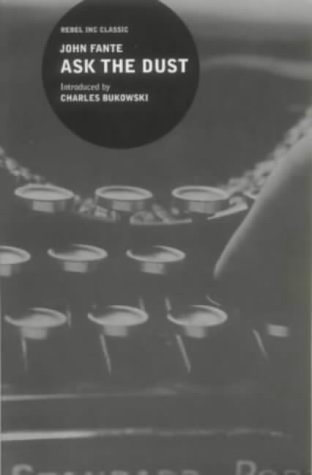
A young writer struggles with love and poverty in Depression-era Los Angeles. A major influence on Bukowski.
Best for: Los Angeles in the 1930s.
7. Junky by William S. Burroughs
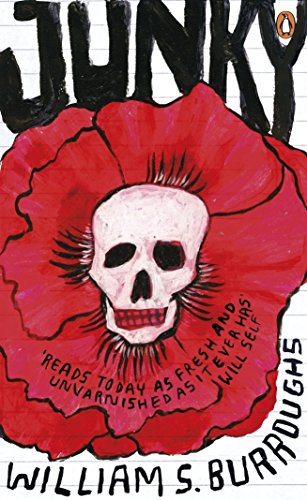
Burroughs recounts his life as a drug user. Cold and clear.
Best for: addiction classic.
8. Trainspotting by Irvine Welsh
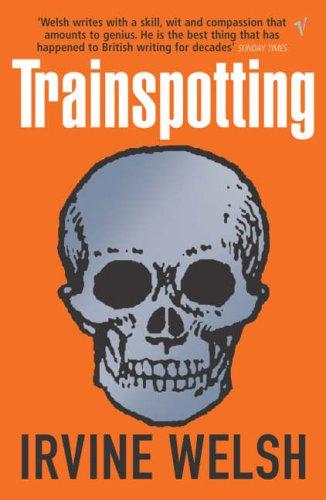
A group of heroin users in Edinburgh. Raw, funny and written in dialect.
Best for: Edinburgh addiction.
9. Jesus' Son by Denis Johnson
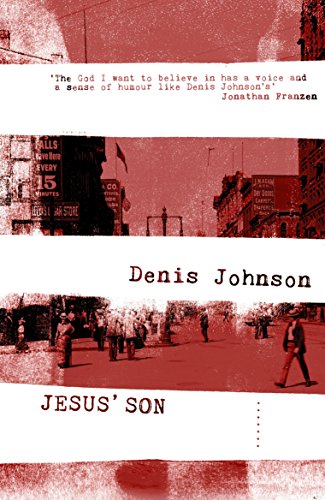
A drifter tells stories of drugs and tenderness. Short and lyrical.
Best for: linked stories.
10. Fear and Loathing in Las Vegas by Hunter S. Thompson
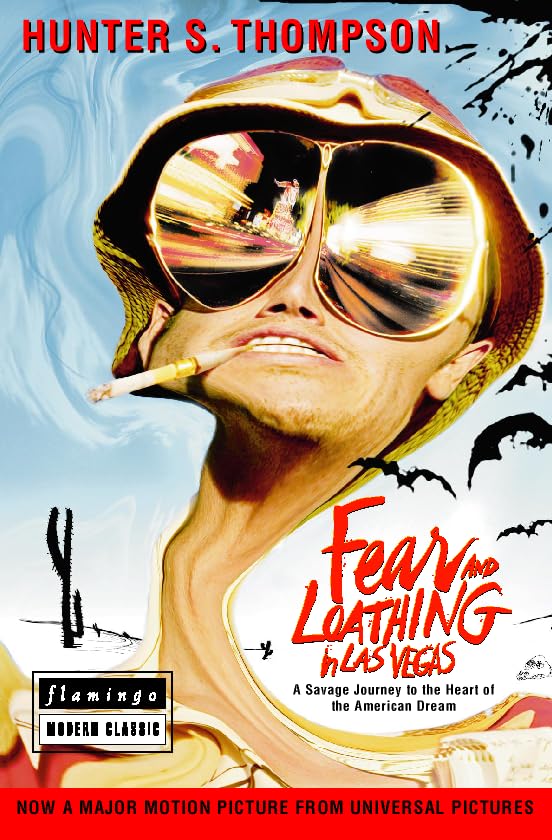
A journalist and his lawyer drive to Vegas in a haze. Wild and funny.
Best for: drug-fuelled satire.
11. On the Road by Jack Kerouac
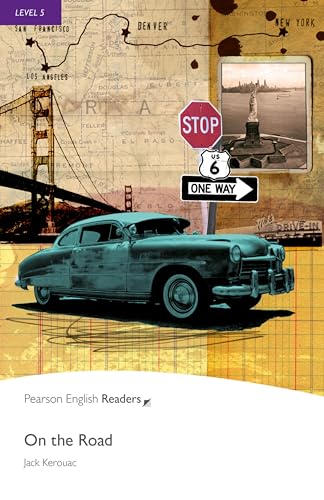
Friends cross America in a flurry of jazz and talk. Wild and influential.
Best for: Beat road novel.
12. Hunger by Knut Hamsun
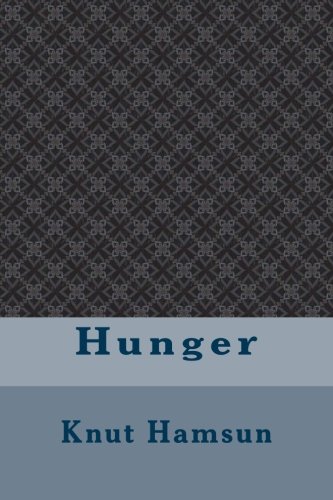
A young writer starves in Oslo. Strange and influential.
Best for: starving artist.
13. Less than Zero by Bret Easton Ellis
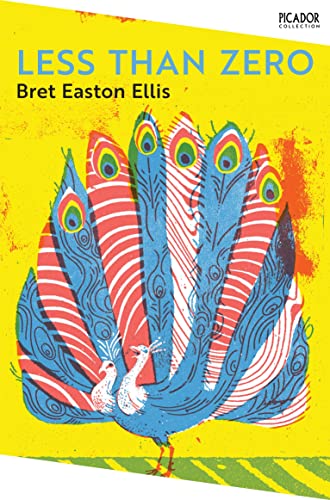
A college student returns to Los Angeles and sees friends sink into drugs and apathy. Short and cold.
Best for: Los Angeles excess.
14. Fight Club by Chuck Palahniuk
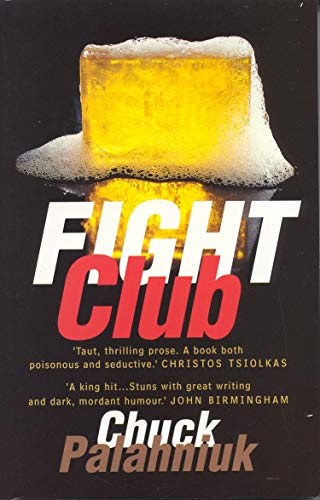
An insomniac and a soap salesman start an underground club. Fast, cynical and bold.
Best for: masculine rage.
15. The Basketball Diaries by Jim Carroll
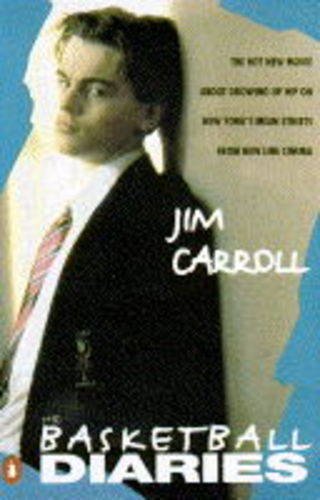
A teenage athlete describes his descent into heroin. Raw and poetic.
Best for: teen addiction memoir.
How We Chose These Books
Every pick is a real, widely available book that shares something specific with Ham on Rye: its tone, its themes, its pace or the kind of characters it puts at the center. We mixed well-known favorites with a few less obvious titles, and we noted who each book suits best so you can match it to the reader. Where a book belongs to a series, we list the first volume so you can start at the beginning.
How to Choose
For more Bukowski begin with Post Office or Factotum. For the Los Angeles roots read Ask the Dust. For classic outsiders pick The Catcher in the Rye or On the Road. For addiction stories choose Junky, Trainspotting or Jesus' Son. For rough teen memoir read The Basketball Diaries. Ham on Rye is blunt and sad, so these picks suit readers who like honest, unpolished voices. Bukowski's alter ego, Henry Chinaski, appears in most of his novels, so readers who enjoy the voice have a long run of books to follow. Spoken-word recordings of his poetry are also popular. Bukowski divides readers, so it helps to sample a short work first. If you like his voice, poetry collections are quick. If you want similar gritty classics, Fante and Hamsun are the best. Audiobooks include readings by Bukowski himself, which many fans enjoy.
Related: What Age Is The Catcher in the Rye Appropriate For? A Parent’s Guide · 12 Dystopian Books Like the Hunger Games | Best Books to Read Like Hunger Games
Frequently Asked Questions
What is Ham on Rye about?
Henry Chinaski's childhood and youth in Depression-era Los Angeles.
Who wrote it?
Charles Bukowski.
When was it published?
1982.
Is it autobiographical?
It is fiction closely based on Bukowski's own life.
Is it explicit?
Yes, with violence, drinking and sexual content.
Where should I start with Bukowski?
Many readers start with Post Office or Ham on Rye.
Is it funny?
Yes, in a dark, dry way.
What should I read next?
Try Factotum or Ask the Dust.
Is Ham on Rye a good first Bukowski?
Many fans say yes, since it shows the roots of his voice.
Is Bukowski difficult?
His style is plain, but his content is blunt and not for everyone.