

Disclosure: As an Amazon Associate, Bookish Wisdom earns from qualifying purchases. This doesn't change our picks or your price.
Quick answer: If you loved HG Wells, read Mary Shelley's Frankenstein, then Arthur Conan Doyle's The Lost World, then Aldous Huxley's Brave New World, and George Orwell's 1984 and Edwin A. Abbott's Flatland. All are classic science fiction.
H.G. Wells wrote The Time Machine and The War of the Worlds. These picks share his scientific imagination.
Table of Contents
Quick Picks at a Glance
| Book | Author | Ages | Best For |
|---|---|---|---|
| Frankenstein | Mary Shelley | Adult | readers who want the roots |
| The Lost World | Arthur Conan Doyle | Adult | readers who like dinosaurs |
| Brave New World | Aldous Huxley | Adult | readers who like ideas |
| 1984 | George Orwell | Adult | dystopian classics |
| Flatland | Edwin A. Abbott | Adult | short classics |
| Fahrenheit 451 | Ray Bradbury | Adult | readers who like the classic warning |
| Childhood's End | Arthur C. Clarke | Adult | readers who like big ideas |
| Foundation | Isaac Asimov | Adult | readers who want a grand scale |
| I, Robot | Isaac Asimov | Adult | readers who like logic |
| Rendezvous with Rama | Arthur C. Clarke | Adult | readers who like exploration |
| The Martian Chronicles | Ray Bradbury | Adult | readers who like lyrical sci-fi |
| Do Androids Dream of Electric Sheep? | Philip K. Dick | Adult | readers who like ideas |
| The Stars My Destination | Alfred Bester | Adult | readers who want pulp energy |
| At the Earth's Core | Edgar Rice Burroughs | Adult | readers who want pure adventure |
| The Martian | Andy Weir | Adult | readers who like humor and science |
1. Frankenstein by Mary Shelley
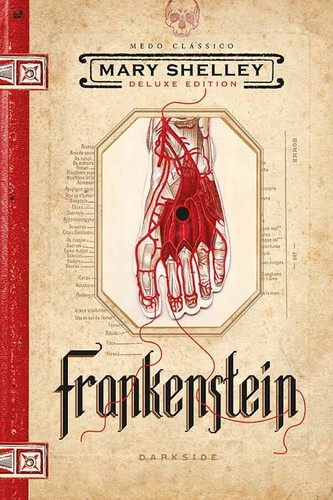
Victor Frankenstein creates life and then abandons it. The great novel of science and responsibility.
Best for: readers who want the roots.
2. The Lost World by Arthur Conan Doyle
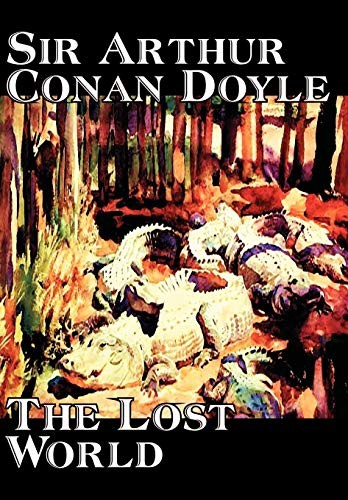
Professor Challenger leads an expedition to a plateau in South America where dinosaurs still live. The model for many dinosaur adventures.
Best for: readers who like dinosaurs.
3. Brave New World by Aldous Huxley

A society engineered for comfort hides its costs. Cool, clever and chilling.
Best for: readers who like ideas.
4. 1984 by George Orwell
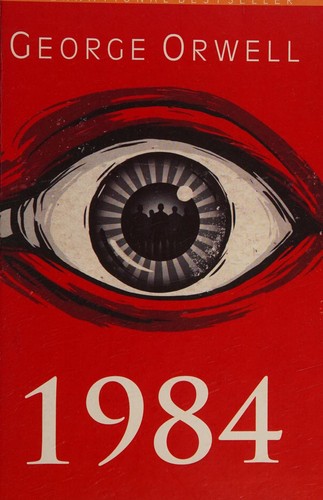
Orwell's 1949 classic of surveillance, propaganda and control, following Winston Smith in a totalitarian state. Bleak and unforgettable.
Best for: dystopian classics.
5. Flatland by Edwin A. Abbott

A square describes life in a two-dimensional world. A short classic of geometry and satire.
Best for: short classics.
6. Fahrenheit 451 by Ray Bradbury
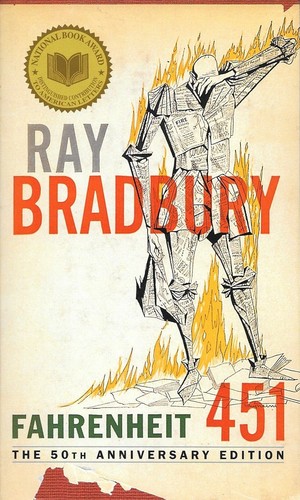
Guy Montag burns books for a living until he begins to question his world of screens and shallow noise. Short and sharp.
Best for: readers who like the classic warning.
7. Childhood's End by Arthur C. Clarke
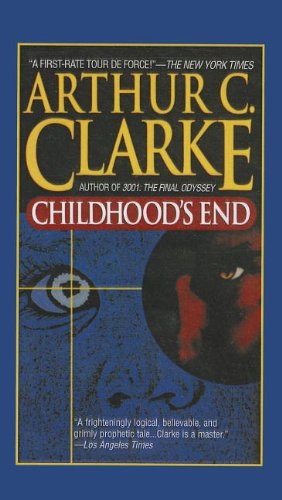
Alien Overlords arrive and end war, but at a price. Thoughtful and eerie.
Best for: readers who like big ideas.
8. Foundation by Isaac Asimov

Hari Seldon predicts the fall of a galactic empire and sets up a plan to shorten the dark age. A landmark of big-idea sci-fi.
Best for: readers who want a grand scale.
9. I, Robot by Isaac Asimov
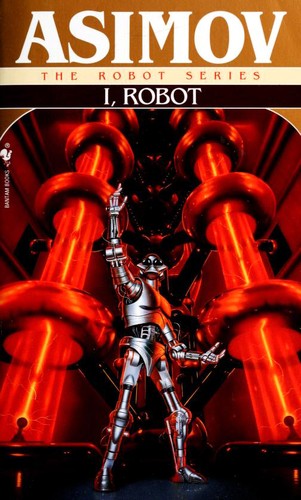
Linked stories about robots and the Three Laws. Clever and classic.
Best for: readers who like logic.
10. Rendezvous with Rama by Arthur C. Clarke
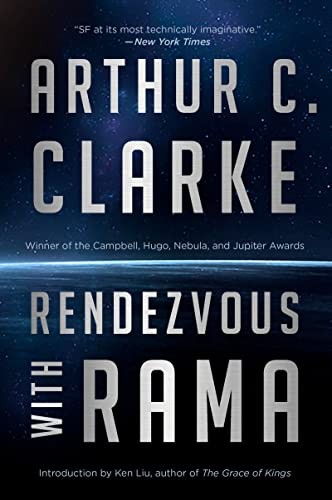
Humans explore a mysterious alien spacecraft. Hard science and mystery.
Best for: readers who like exploration.
11. The Martian Chronicles by Ray Bradbury
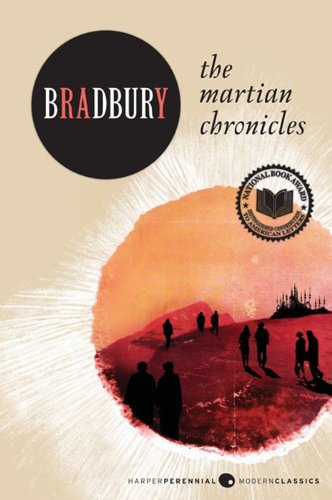
Humans colonize Mars in linked stories. Poetic and sad.
Best for: readers who like lyrical sci-fi.
12. Do Androids Dream of Electric Sheep? by Philip K. Dick
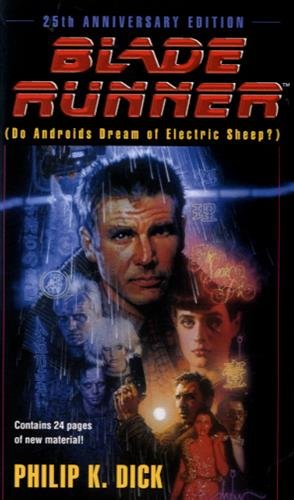
Rick Deckard hunts androids in a ruined future. Short, strange and thoughtful.
Best for: readers who like ideas.
13. The Stars My Destination by Alfred Bester
A man seeks revenge in a future where people can teleport. Fast and wild.
Best for: readers who want pulp energy.
14. At the Earth's Core by Edgar Rice Burroughs
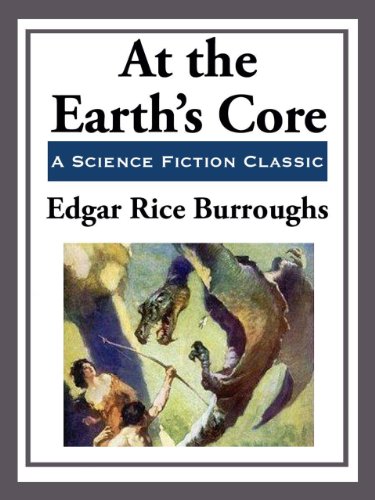
A mining machine takes two men into a prehistoric world below the surface. Pulpy and fast.
Best for: readers who want pure adventure.
15. The Martian by Andy Weir
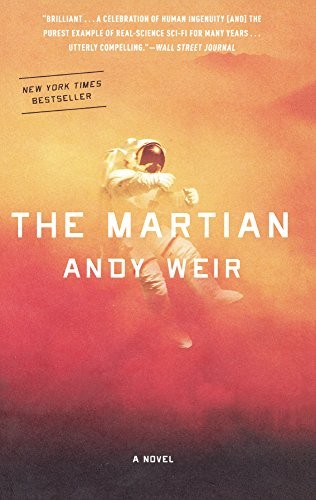
Mark Watney, stranded on Mars, has to survive. Sarcastic and fast.
Best for: readers who like humor and science.
How We Chose These Books
Every pick is a real, widely available book that shares something specific with HG Wells: its tone, its themes, its pace or the kind of characters it puts at the center. We mixed well-known favorites with a few less obvious titles, and we noted who each book suits best so you can match it to the reader. Where a book belongs to a series, we list the first volume so you can start at the beginning.
If you are not sure where to begin, start with the first three picks in the table: they are the closest match to HG Wells. The rest of the list moves further out, so it works well once you know which part of the original you liked most.
How to Choose
For classic sci-fi, read Frankenstein. For adventure, try The Lost World. For dystopia, pick Brave New World.
Related: The Lost World by Arthur Conan Doyle: Summary and Key Takeaways · Do Androids Dream of Electric Sheep? by Philip K. Dick: Summary and Key Takeaways
Frequently Asked Questions
Who was H.G. Wells?
An English writer (1866–1946).
What is his best-known book?
The Time Machine or The War of the Worlds.
Where do I start?
With The Time Machine.
Which book here is best for readers who like humor and science?
Try The Martian by Andy Weir, which suits readers looking for readers who like humor and science.
Which book here is best for readers who want pure adventure?
Try At the Earth's Core by Edgar Rice Burroughs, which suits readers looking for readers who want pure adventure.
Which book here is best for readers who want pulp energy?
Try The Stars My Destination by Alfred Bester, which suits readers looking for readers who want pulp energy.
Which book here is best for readers who like ideas?
Try Do Androids Dream of Electric Sheep? by Philip K. Dick, which suits readers looking for readers who like ideas.