
Disclosure: As an Amazon Associate, Bookish Wisdom earns from qualifying purchases. This doesn't change our picks or your price.
Quick answer: If you loved How to Eat Fried Worms, read Frindle, Holes, Tales of a Fourth Grade Nothing and Sideways Stories from Wayside School. All are funny, fast school and neighbourhood stories about dares, schemes and kids outsmarting each other.
Thomas Rockwell's 1973 classic follows Billy, who bets his friends fifty dollars that he can eat fifteen worms in fifteen days, and the increasingly creative ways he prepares them. It is short, silly and endlessly funny, and it has been a favourite read-aloud for generations. The books below offer similar humour, bets, pranks and brave kids.
Table of Contents
Quick Picks at a Glance
| Book | Author | Ages | Best For |
|---|---|---|---|
| Frindle | Andrew Clements | Ages 8-12 | clever mischief |
| Holes | Louis Sachar | Ages 9-13 | mystery and humour |
| Tales of a Fourth Grade Nothing | Judy Blume | Ages 7-11 | family comedy |
| Fudge-a-Mania | Judy Blume | Ages 8-12 | summer chaos |
| Sideways Stories from Wayside School | Louis Sachar | Ages 7-11 | absurd school |
| Freckle Juice | Judy Blume | Ages 6-9 | schemes and gullibility |
| Skinnybones | Barbara Park | Ages 8-12 | wisecracking narrator |
| Bunnicula | Deborah and James Howe | Ages 7-11 | mystery rabbit |
| Matilda | Roald Dahl | Ages 7-12 | clever child |
| James and the Giant Peach | Roald Dahl | Ages 7-11 | peach adventure |
| Charlie and the Chocolate Factory | Roald Dahl | Ages 7-12 | candy fantasy |
| The Great Brain | John D. Fitzgerald | Ages 8-12 | schemes in 1890s Utah |
| Diary of a Wimpy Kid | Jeff Kinney | Ages 8-12 | comic diary |
| The Adventures of Captain Underpants | Dav Pilkey | Ages 7-10 | silly superhero |
| Ramona the Pest | Beverly Cleary | Ages 6-10 | kindergarten comedy |
1. Frindle by Andrew Clements
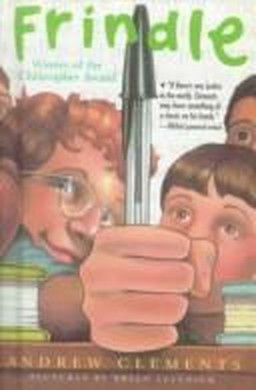
A boy invents a new word and starts a movement that takes over his school. Smart, funny and quick.
Best for: clever mischief.
2. Holes by Louis Sachar
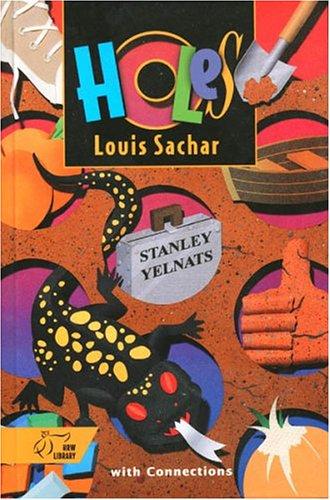
A boy is sent to a camp where he must dig holes all day, and the story hides a century-old secret. Clever and moving.
Best for: mystery and humour.
3. Tales of a Fourth Grade Nothing by Judy Blume
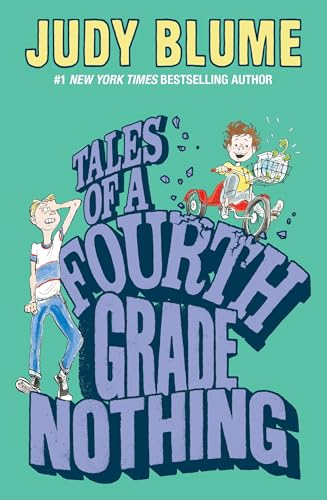
Peter's little brother Fudge makes every day chaotic. Classic, warm and laugh-out-loud funny.
Best for: family comedy.
4. Fudge-a-Mania by Judy Blume
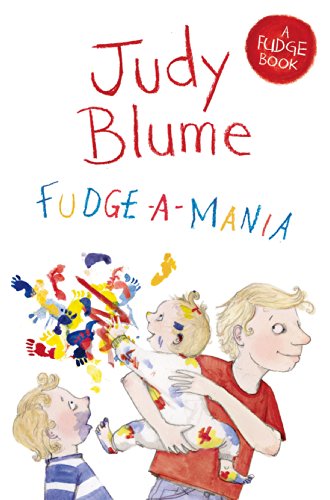
Peter's family shares a summer house with his enemy's family. Fast and silly.
Best for: summer chaos.
5. Sideways Stories from Wayside School by Louis Sachar
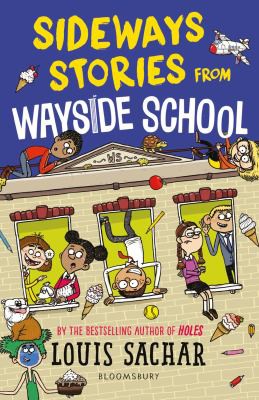
Odd things happen on the thirtieth floor of a school built sideways. Short chapters, big laughs.
Best for: absurd school.
6. Freckle Juice by Judy Blume
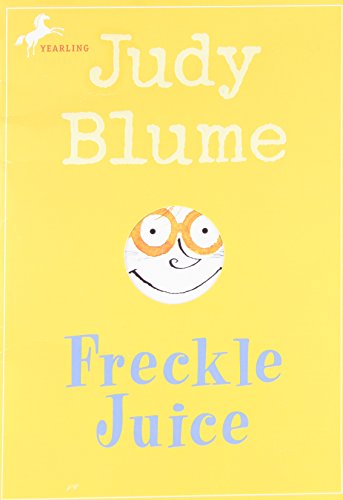
A boy pays for a recipe that promises freckles. A short, silly story for younger readers.
Best for: schemes and gullibility.
7. Skinnybones by Barbara Park
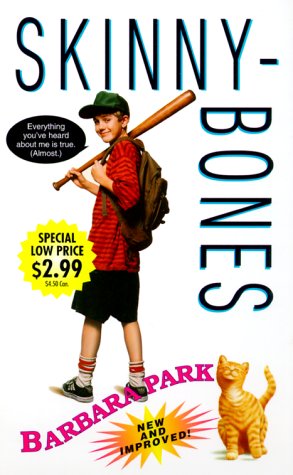
A baseball-loving boy uses humour to hide his worries. Quick and cheeky.
Best for: wisecracking narrator.
8. Bunnicula by Deborah and James Howe
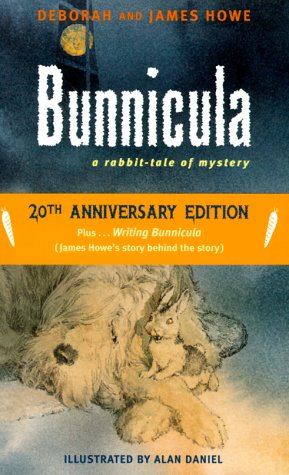
A dog and a cat suspect the family rabbit is a vampire. Light, spooky and funny.
Best for: mystery rabbit.
9. Matilda by Roald Dahl
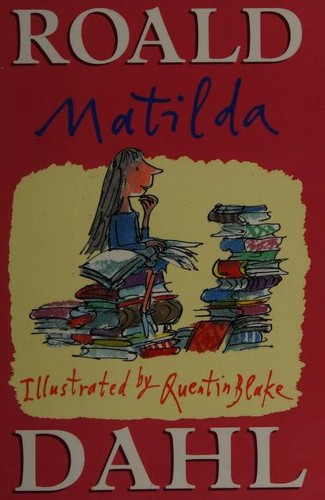
A brilliant girl uses her wits against awful adults. Funny, dark and beloved.
Best for: clever child.
10. James and the Giant Peach by Roald Dahl

A boy escapes cruel aunts in a giant peach with oversized insects. Weird, funny and imaginative.
Best for: peach adventure.
11. Charlie and the Chocolate Factory by Roald Dahl
Charlie wins a tour of Willy Wonka's factory. Silly, dark and delicious.
Best for: candy fantasy.
12. The Great Brain by John D. Fitzgerald
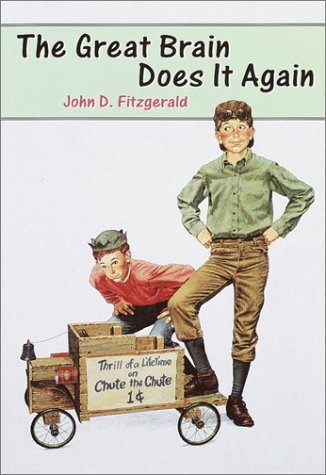
A boy uses his intelligence to run schemes on his friends. Humorous and classic.
Best for: schemes in 1890s Utah.
13. Diary of a Wimpy Kid by Jeff Kinney
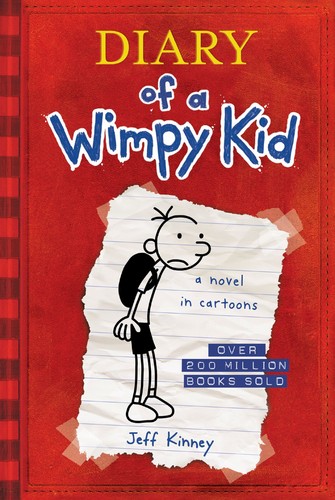
Greg Heffley records his awkward middle-school adventures. A giant of reluctant-reader fiction.
Best for: comic diary.
14. The Adventures of Captain Underpants by Dav Pilkey
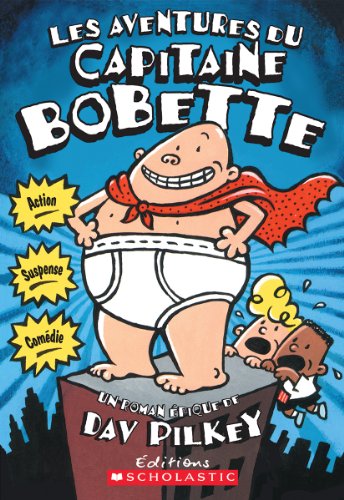
Two pranksters hypnotise their principal into a superhero. Pure silliness.
Best for: silly superhero.
15. Ramona the Pest by Beverly Cleary
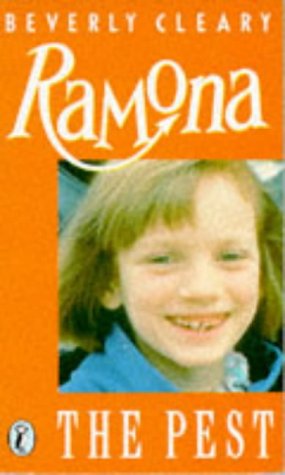
Ramona starts kindergarten and gets into trouble. Warm and relatable.
Best for: kindergarten comedy.
How to Choose
For funny schemes choose Frindle, The Great Brain or Skinnybones. For family humour pick Tales of a Fourth Grade Nothing or Ramona the Pest. For absurdity read Sideways Stories from Wayside School or Bunnicula. For bigger adventures try Holes, Matilda or James and the Giant Peach. Most of these are short and make wonderful read-alouds. Teachers and parents often use How to Eat Fried Worms to get reluctant readers laughing, and many children enjoy trying the book's gross-out recipes in imagination only. If your child enjoyed the worms, a good next step is a book of dares and silly experiments, though adult supervision is wise. Reading aloud works especially well with this book, since the short chapters end on a laugh. Libraries usually keep several copies, and the audiobook is a fun car-ride option.
Related: What Is a Lexile Level and How Do I Find My Child’s? · Leaders Eat Last by Simon Sinek: Summary and Key Takeaways
Frequently Asked Questions
What is How to Eat Fried Worms about?
A boy accepts a bet to eat fifteen worms in fifteen days.
Who wrote it?
Thomas Rockwell.
When was it published?
1973.
Is it a sequel series?
Yes, there are follow-up books such as How to Fight a Girl.
What age is it for?
Roughly ages 7 to 11.
Is it gross?
Yes, but in a funny, harmless way.
Is there a film?
Yes, a 2006 film adaptation.
What should I read next?
Try Frindle or Holes.
Is How to Eat Fried Worms appropriate for sensitive kids?
It is gross but friendly, and the worms are the main joke, so most children enjoy it.
Is it a good choice for reluctant readers?
Yes. The short chapters and strong humour make it easy to finish.