

Disclosure: As an Amazon Associate, Bookish Wisdom earns from qualifying purchases. This doesn't change our picks or your price.
Quick answer: If you loved Huckleberry Finn, read Mark Twain's The Adventures of Tom Sawyer and Life on the Mississippi, then Roll of Thunder, Hear My Cry, Hatchet, The Adventures of Tom Sawyer and Kidnapped. All are classic adventures with a strong voice and a sense of place.
Mark Twain's 1884 novel follows Huck Finn, a boy who escapes his abusive father and travels down the Mississippi River with Jim, an enslaved man seeking freedom. It is funny, moving and controversial for its language and themes. The books below offer similar adventures and American stories.
Table of Contents
Quick Picks at a Glance
| Book | Author | Ages | Best For |
|---|---|---|---|
| The Adventures of Tom Sawyer | Mark Twain | 10 and up | classic boyhood fun |
| Life on the Mississippi | Mark Twain | Adult | river history |
| A Connecticut Yankee in King Arthur's Court | Mark Twain | Adult | satirical time travel |
| Roughing It | Mark Twain | Adult | frontier travelogue |
| Kidnapped | Robert Louis Stevenson | Teen | adventure classics |
| Treasure Island | Robert Louis Stevenson | All ages | more Stevenson |
| Oliver Twist | Charles Dickens | Adult | poverty and crime |
| David Copperfield | Charles Dickens | Adult | coming of age |
| Great Expectations | Charles Dickens | Adult | Dickens's finest |
| The Call of the Wild | Jack London | 12 and up | stronger readers |
| White Fang | Jack London | All ages | wolf-dog |
| Hatchet | Gary Paulsen | Ages 10-14 | wilderness survival |
| Roll of Thunder, Hear My Cry | Mildred D. Taylor | 10-14 | family strength |
| Maniac Magee | Jerry Spinelli | 9-13 | belonging |
| To Kill a Mockingbird | Harper Lee | All ages | classic of conscience |
1. The Adventures of Tom Sawyer by Mark Twain
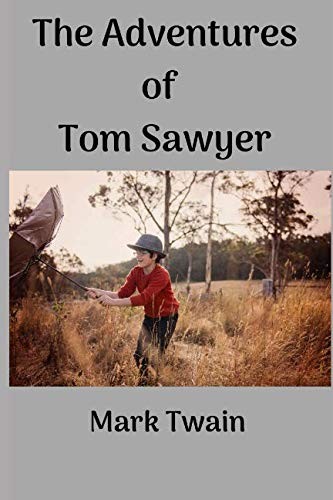
A mischievous boy has adventures on the Mississippi. Funny and full of mischief.
Best for: classic boyhood fun.
2. Life on the Mississippi by Mark Twain
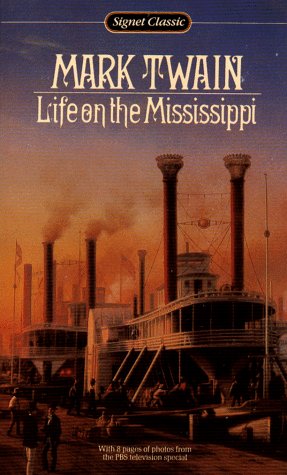
Twain recalls his days as a riverboat pilot and returns to the river. Warm and witty.
Best for: river history.
3. A Connecticut Yankee in King Arthur's Court by Mark Twain
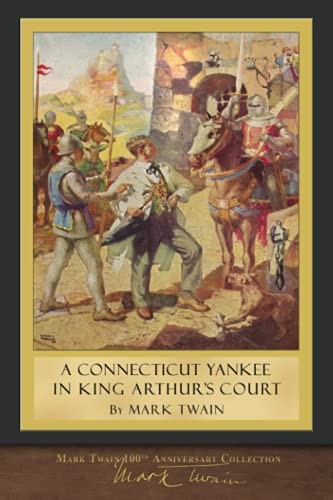
A modern engineer is thrown back to Camelot. Funny and sharp.
Best for: satirical time travel.
4. Roughing It by Mark Twain
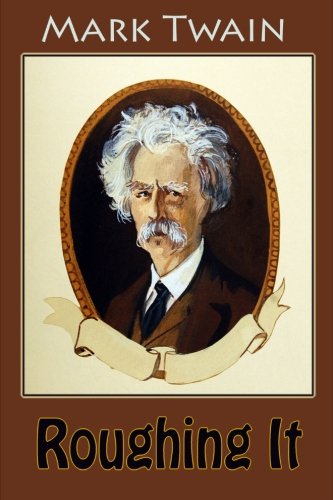
Twain writes about his time in the American West. Funny and exaggerated.
Best for: frontier travelogue.
5. Kidnapped by Robert Louis Stevenson
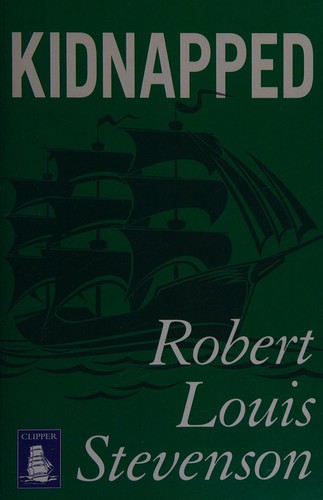
David Balfour is kidnapped and sold into servitude. A fast Scottish adventure.
Best for: adventure classics.
6. Treasure Island by Robert Louis Stevenson
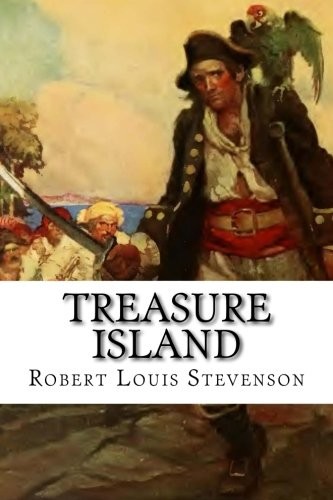
Young Jim Hawkins sails with pirates in search of treasure. Stevenson's classic adventure.
Best for: more Stevenson.
7. Oliver Twist by Charles Dickens
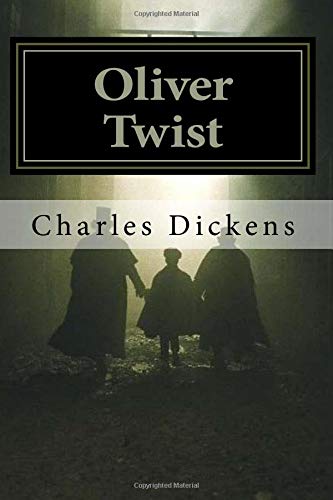
An orphan falls among thieves in London. A classic of social reform.
Best for: poverty and crime.
8. David Copperfield by Charles Dickens
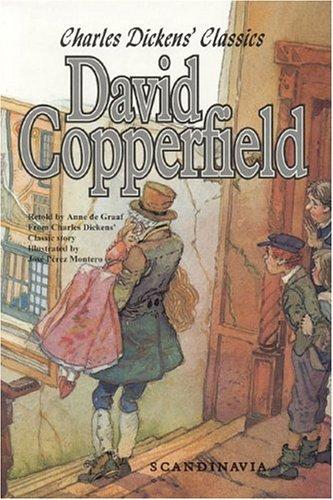
David grows up from a miserable childhood to become a writer. Warm and funny.
Best for: coming of age.
9. Great Expectations by Charles Dickens
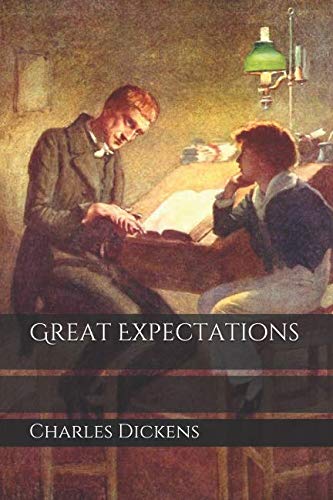
An orphan named Pip rises in the world and learns what matters. Dark and moving.
Best for: Dickens's finest.
10. The Call of the Wild by Jack London

A sled dog adapts to the brutal Yukon. A classic of survival and instinct.
Best for: stronger readers.
11. White Fang by Jack London
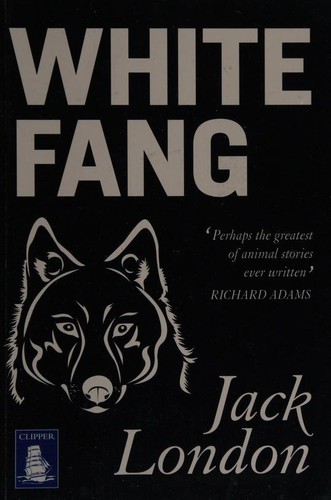
A wolf-dog moves from the wild to civilisation. Rough and moving.
Best for: wolf-dog.
12. Hatchet by Gary Paulsen
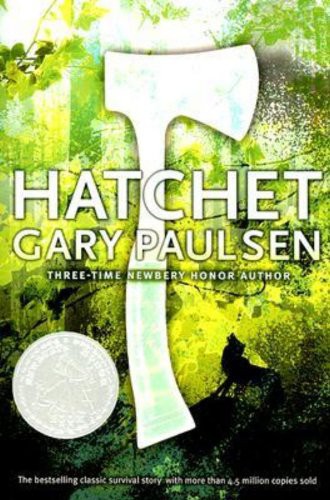
A boy survives alone in the Canadian wilderness. Simple and gripping.
Best for: wilderness survival.
13. Roll of Thunder, Hear My Cry by Mildred D. Taylor
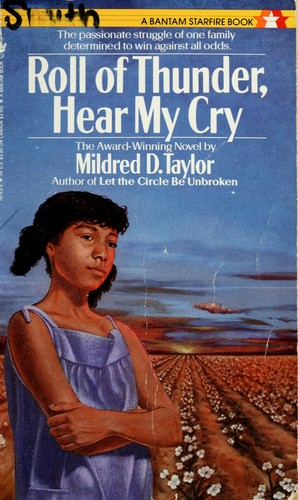
The Logan family fights to keep its land in Depression-era Mississippi. A Newbery winner and a classic of historical fiction.
Best for: family strength.
14. Maniac Magee by Jerry Spinelli
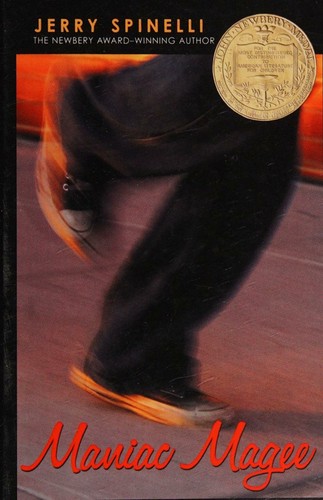
An orphan runs through a divided town and breaks barriers. Funny, kind and thoughtful.
Best for: belonging.
15. To Kill a Mockingbird by Harper Lee
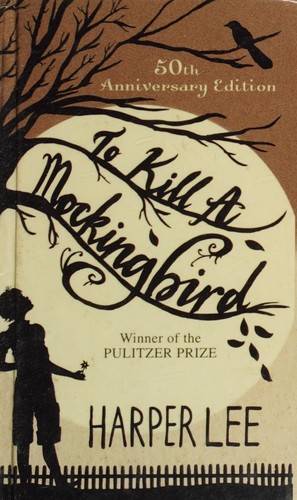
Scout watches her father defend a Black man in 1930s Alabama. Timeless.
Best for: classic of conscience.
How to Choose
For more Twain begin with Tom Sawyer or Life on the Mississippi. For boy's adventures choose Kidnapped or Treasure Island. For orphans pick Oliver Twist or David Copperfield. For wilderness survival read Hatchet or The Call of the Wild. For Southern justice try To Kill a Mockingbird. Huckleberry Finn is dialect-heavy, so the audiobook may help. Twain published the book in 1884 in Britain and 1885 in the United States. It has often been challenged in schools for its language, and many teachers pair it with context on its setting and satire.
Related: 15 Books Like Wings of Fire Kids Will Love: Dragons, Quests and Animal Adventures · 12 Dystopian Books Like the Hunger Games | Best Books to Read Like Hunger Games
Frequently Asked Questions
What is Huckleberry Finn about?
A boy and an escaped slave travel down the Mississippi River.
Who wrote it?
Mark Twain (Samuel Clemens).
When was it published?
1884 in the UK and 1885 in the US.
Do I need to read Tom Sawyer first?
No.
Why is it controversial?
For its racial language and portrayal of race.
What age is it for?
Often taught to teens.
Is it funny?
Yes, with sharp satire.
What should I read next?
Try Tom Sawyer or To Kill a Mockingbird.
Which book here is best for frontier travelogue?
Try Roughing It by Mark Twain, which suits readers looking for frontier travelogue.
Which book here is best for poverty and crime?
Try Oliver Twist by Charles Dickens, which suits readers looking for poverty and crime.
Which book here is best for stronger readers?
Try The Call of the Wild by Jack London, which suits readers looking for stronger readers.
Which book here is best for family strength?
Try Roll of Thunder, Hear My Cry by Mildred D. Taylor, which suits readers looking for family strength.
Which book here is best for river history?
Try Life on the Mississippi by Mark Twain, which suits readers looking for river history.