
Disclosure: As an Amazon Associate, Bookish Wisdom earns from qualifying purchases. This doesn't change our picks or your price.
Quick answer: If you liked Klara and the Sun, read Kazuo Ishiguro's Never Let Me Go and The Remains of the Day, then try Machines Like Me, Do Androids Dream of Electric Sheep?, Station Eleven and The Wild Robot. All look at what it means to love, serve and be human.
Ishiguro's 2021 novel is told by Klara, an Artificial Friend watching a family and a sick girl from a store window and then a home. Quiet and strange, it asks what love is. The books below share its mix of artificial minds, quiet sadness and moral questions. Most are adult fiction with a few younger options, and all are real, in-print books.
Table of Contents
Quick Picks at a Glance
| Book | Author | Ages | Best For |
|---|---|---|---|
| Never Let Me Go | Kazuo Ishiguro | Adult | more Ishiguro |
| The Remains of the Day | Kazuo Ishiguro | Adult | memory and regret |
| The Buried Giant | Kazuo Ishiguro | Adult | quiet fantasy |
| Machines Like Me | Ian McEwan | Adult | AI ethics |
| Do Androids Dream of Electric Sheep? | Philip K. Dick | Adult | android questions |
| I, Robot | Isaac Asimov | Adult | robot classics |
| The Windup Girl | Paolo Bacigalupi | Adult | biopunk |
| Ancillary Justice | Ann Leckie | Adult | AI identity |
| Station Eleven | Emily St. John Mandel | Adult | hope after loss |
| Sea of Tranquility | Emily St. John Mandel | Adult | time and memory |
| Piranesi | Susanna Clarke | Adult | quiet mystery |
| The Memory Police | Yoko Ogawa | Adult | quiet dystopia |
| All Systems Red | Martha Wells | Adult | robot narrators |
| Frankenstein | Mary Shelley | Adult | creation and care |
| The Wild Robot | Peter Brown | 8–12 | younger readers |
1. Never Let Me Go by Kazuo Ishiguro
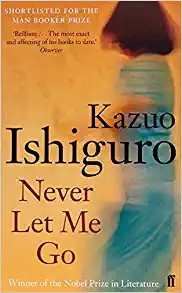
Students at a boarding school learn a hard truth about their lives. Quiet, eerie and moving.
Best for: more Ishiguro.
2. The Remains of the Day by Kazuo Ishiguro
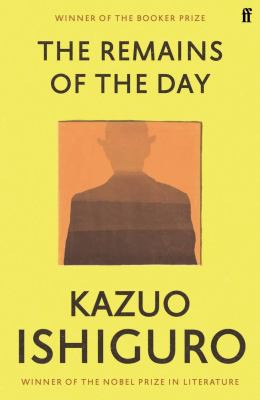
An English butler reflects on his years of service and a missed chance at love. Quiet and sad.
Best for: memory and regret.
3. The Buried Giant by Kazuo Ishiguro
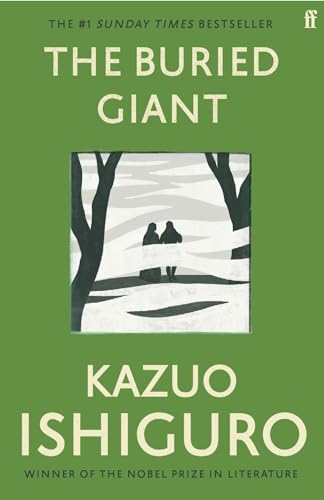
An old couple travel through a misty Britain after Arthur's time. Slow and dreamlike.
Best for: quiet fantasy.
4. Machines Like Me by Ian McEwan
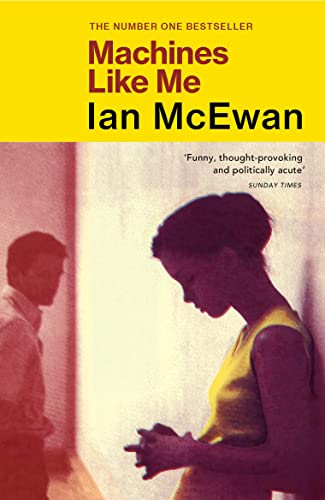
In an alternate 1980s, a man buys an android and the two form a love triangle. Thoughtful and sharp.
Best for: AI ethics.
5. Do Androids Dream of Electric Sheep? by Philip K. Dick
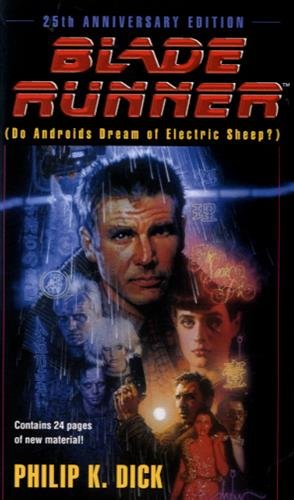
A bounty hunter tracks rogue androids in a ruined San Francisco. The basis of Blade Runner.
Best for: android questions.
6. I, Robot by Isaac Asimov
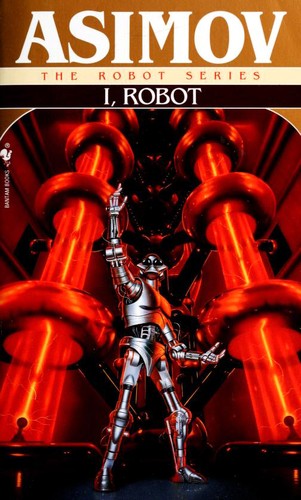
Linked stories about robots and the Three Laws. Clear, clever and classic.
Best for: robot classics.
7. The Windup Girl by Paolo Bacigalupi
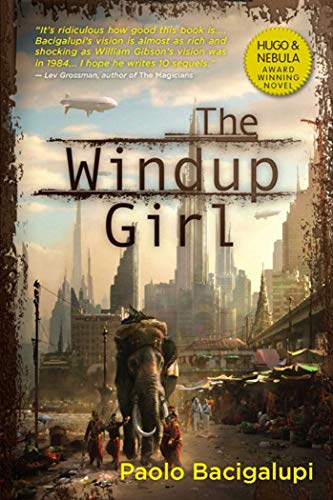
In a future Thailand shaped by climate collapse and bioengineering, a genetically engineered woman is treated as a servant. Dark and vivid.
Best for: biopunk.
8. Ancillary Justice by Ann Leckie
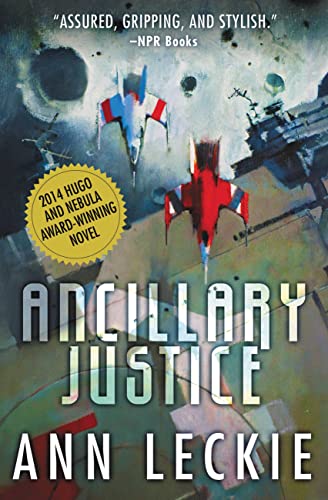
A starship's AI survives in a single human body and seeks revenge. Explores identity and empire.
Best for: AI identity.
9. Station Eleven by Emily St. John Mandel
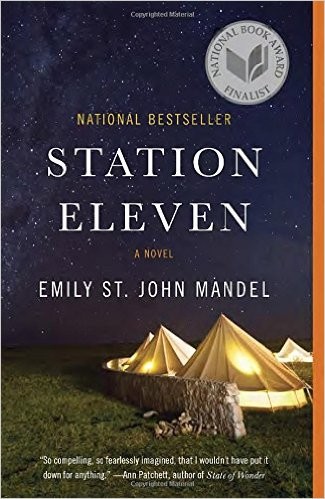
A traveling theater troupe survives after a pandemic. Quiet and hopeful.
Best for: hope after loss.
10. Sea of Tranquility by Emily St. John Mandel
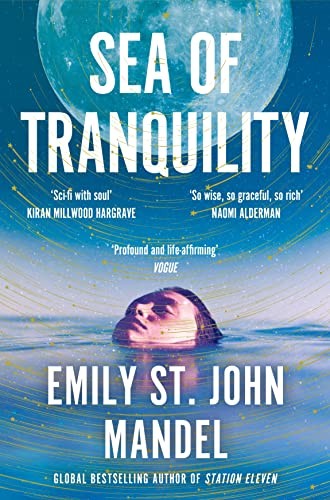
Characters across centuries are linked by a strange event. Short and elegant.
Best for: time and memory.
11. Piranesi by Susanna Clarke
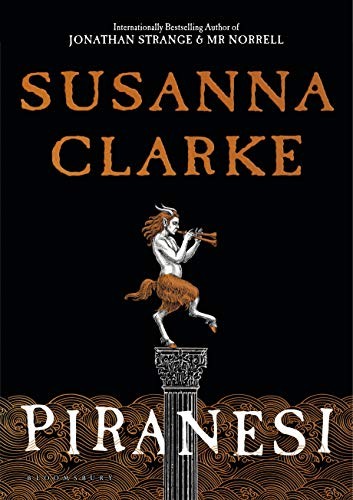
A man lives in a house of endless halls and statues. Short, strange and beautiful.
Best for: quiet mystery.
12. The Memory Police by Yoko Ogawa
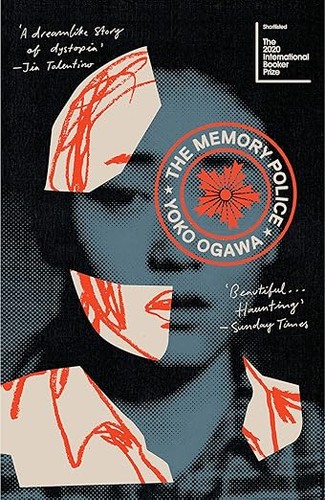
On an island, objects vanish from memory. Quiet, haunting and elegant.
Best for: quiet dystopia.
13. All Systems Red by Martha Wells
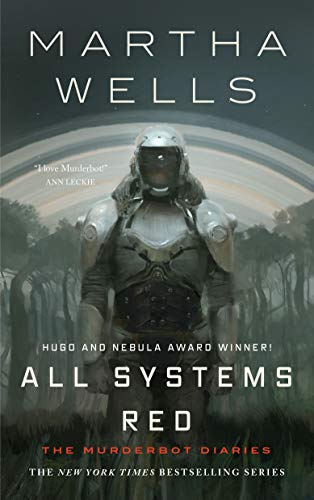
A security robot hacks its own controls and just wants to watch TV. Funny, short and warm.
Best for: robot narrators.
14. Frankenstein by Mary Shelley
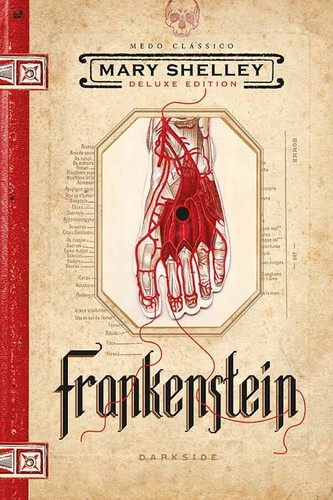
Victor Frankenstein creates life and then abandons his creation. A gothic tale of ambition.
Best for: creation and care.
15. The Wild Robot by Peter Brown
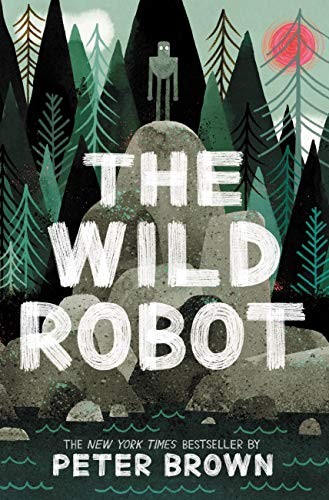
A robot learns to survive among wild animals. Gentle, funny and thoughtful.
Best for: younger readers.
How to Choose
For more Ishiguro, begin with Never Let Me Go. For AI stories, Machines Like Me and All Systems Red. For classic robots, I, Robot and Do Androids Dream. For quiet hope, Station Eleven. For a gentler read, The Wild Robot. Klara and the Sun is slow and gentle, so read it when you have time to sit with it. Quiet science fiction asks readers to slow down. Read a chapter, put the book down and reflect on Klara's way of seeing. Book clubs find it good for talking about care, loyalty and technology. For a short follow-up, try Machines Like Me or All Systems Red.
Related: 15 Books Like Wings of Fire Kids Will Love: Dragons, Quests and Animal Adventures · 12 Dystopian Books Like the Hunger Games | Best Books to Read Like Hunger Games
Frequently Asked Questions
What is Klara and the Sun about?
Klara, a solar-powered Artificial Friend, is bought for Josie, a sick teen, and tries to help her while observing the human world.
Is Klara and the Sun science fiction?
Yes, but it reads like a quiet literary novel.
Did Ishiguro win the Nobel Prize?
Yes. He won the Nobel Prize in Literature in 2017.
Is it a good book club read?
Yes. It raises questions about love, loyalty and technology.
Is it similar to Never Let Me Go?
Both have gentle, unreliable narrators who are not fully human.
Who is Josie?
A sick girl whose family buys Klara as an Artificial Friend.
What does the Sun mean to Klara?
Klara treats the Sun as a source of life, and her faith in it drives the story.
Is it a happy book?
It is gentle and sad, but it ends with a quiet acceptance.
How long is Klara and the Sun?
About 300 pages.