
Disclosure: As an Amazon Associate, Bookish Wisdom earns from qualifying purchases. This doesn't change our picks or your price.
Quick answer: If you loved Letters to a Young Poet, read Bird by Bird, On Writing, The War of Art and Big Magic. All offer encouragement and practical advice for anyone who wants to make something and keep going.
Rainer Maria Rilke wrote ten letters to a young would-be poet, urging him to look inward and be patient. The books below continue that tradition, with letters, craft guides and reflections on creative life. Most are nonfiction, and all are real, in-print books.
Table of Contents
Quick Picks at a Glance
| Book | Author | Ages | Best For |
|---|---|---|---|
| Duino Elegies | Rainer Maria Rilke | Adult | more Rilke |
| Bird by Bird | Anne Lamott | Adult | writers' encouragement |
| On Writing | Stephen King | Adult | craft and career |
| The War of Art | Steven Pressfield | Adult | beating procrastination |
| Big Magic | Elizabeth Gilbert | Adult | creative courage |
| Steal Like an Artist | Austin Kleon | Adult | quick inspiration |
| Writing Down the Bones | Natalie Goldberg | Adult | daily practice |
| Letters to a Young Novelist | Mario Vargas Llosa | Adult | novelists |
| A Poetry Handbook | Mary Oliver | Adult | poets |
| Upstream | Mary Oliver | Adult | nature and writing |
| The Triggering Town | Richard Hugo | Adult | craft essays |
| Letters to a Young Contrarian | Christopher Hitchens | Adult | argument and courage |
| Letters from a Stoic | Seneca | Adult | friendly advice |
| Art & Fear | David Bayles and Ted Orland | Adult | beating self-doubt |
| A Room of One's Own | Virginia Woolf | Adult | feminist classics |
1. Duino Elegies by Rainer Maria Rilke
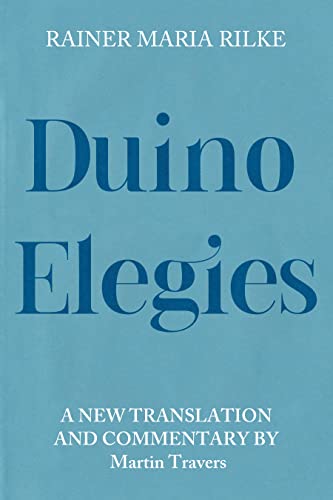
Rilke's great poems about being, loss and praise. Dense and beautiful, best read in a good translation.
Best for: more Rilke.
2. Bird by Bird by Anne Lamott
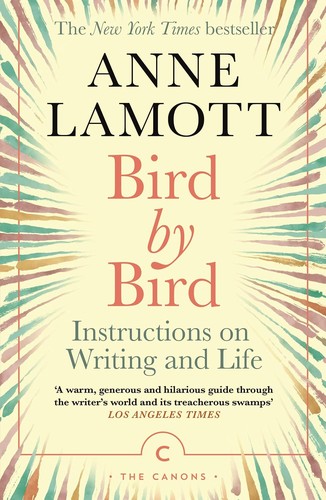
A funny and honest book about the writing life. Short chapters and good advice, such as writing a shitty first draft.
Best for: writers' encouragement.
3. On Writing by Stephen King
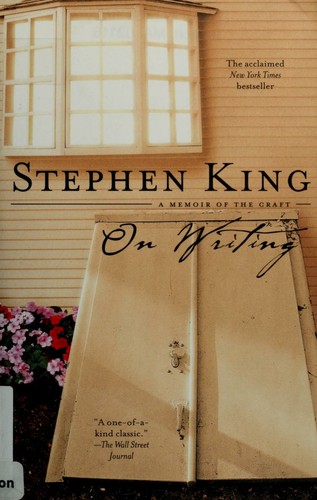
Part memoir, part craft guide by a bestselling novelist. Clear, blunt and practical.
Best for: craft and career.
4. The War of Art by Steven Pressfield
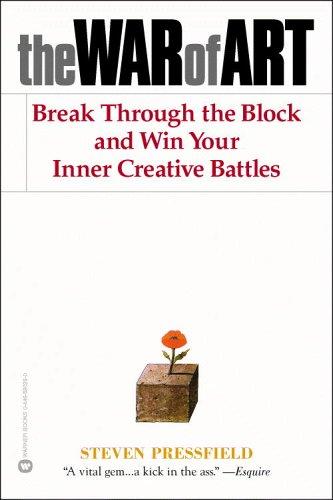
Describes resistance and how artists overcome it. Short and punchy.
Best for: beating procrastination.
5. Big Magic by Elizabeth Gilbert
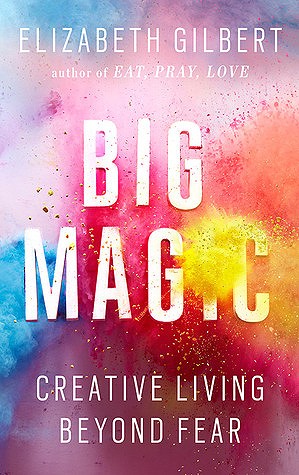
Gilbert argues for curiosity and play over fear. Warm and light.
Best for: creative courage.
6. Steal Like an Artist by Austin Kleon
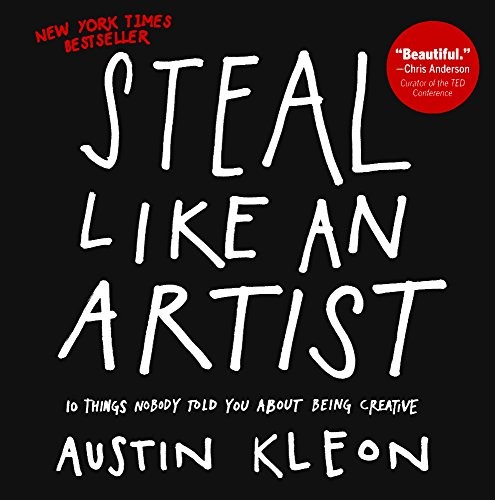
Ten tips about creativity and influence. Short, illustrated and fun.
Best for: quick inspiration.
7. Writing Down the Bones by Natalie Goldberg
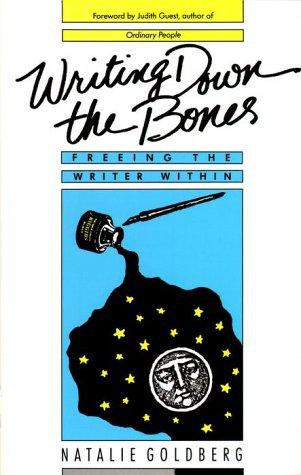
A classic on writing practice and freewriting. Gentle and practical.
Best for: daily practice.
8. Letters to a Young Novelist by Mario Vargas Llosa
A Nobel winner offers advice on fiction in letters. Thoughtful and clear.
Best for: novelists.
9. A Poetry Handbook by Mary Oliver
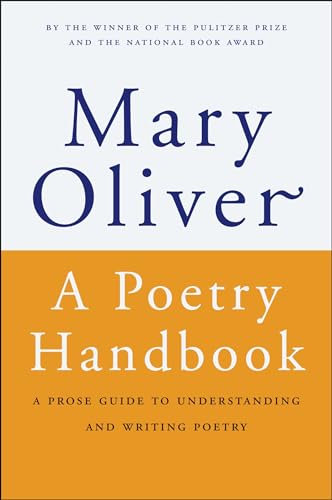
A short guide to reading and writing poems. Simple and wise.
Best for: poets.
10. Upstream by Mary Oliver
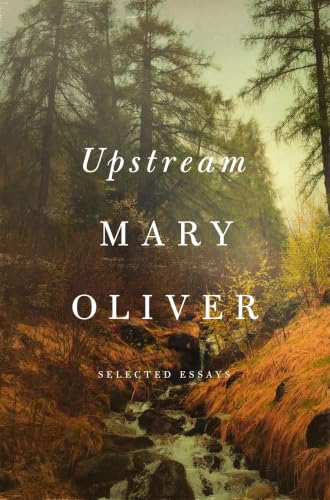
Essays on nature, reading and writing. Quiet and luminous.
Best for: nature and writing.
11. The Triggering Town by Richard Hugo
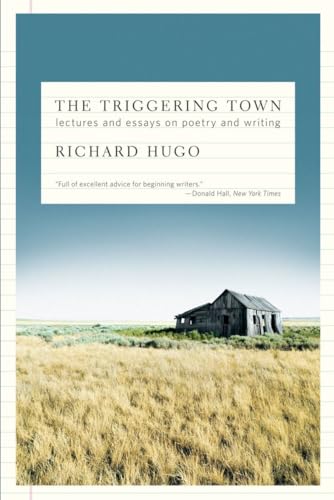
Essays on poetry and teaching by a poet. Plain and generous.
Best for: craft essays.
12. Letters to a Young Contrarian by Christopher Hitchens
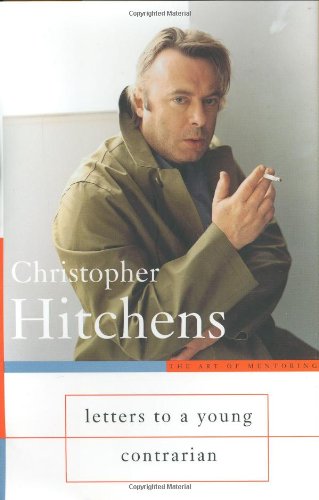
A sharp, witty essay on dissent addressed to a young reader. Bold and bracing.
Best for: argument and courage.
13. Letters from a Stoic by Seneca
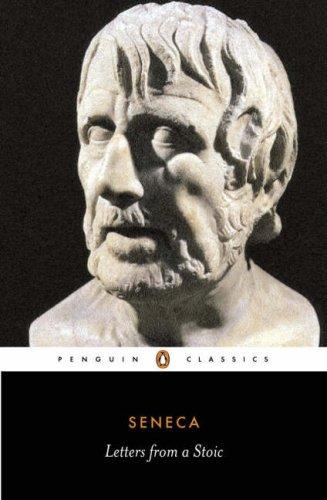
Letters of advice on friendship, time and death from a Roman philosopher. Warm and direct.
Best for: friendly advice.
14. Art & Fear by David Bayles and Ted Orland
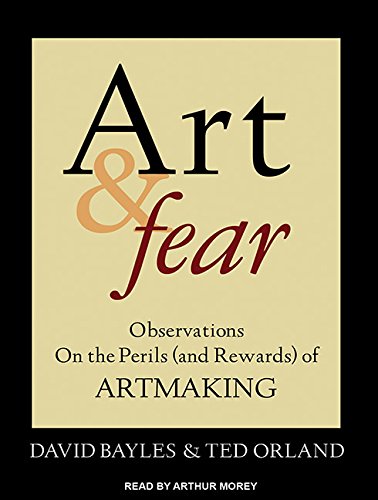
Short essays on the doubts that artists face. Wise and reassuring.
Best for: beating self-doubt.
15. A Room of One's Own by Virginia Woolf
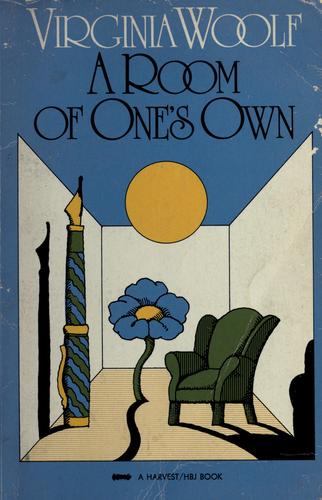
An essay on women and fiction, arguing that a woman needs money and a room to write. Witty and influential.
Best for: feminist classics.
How to Choose
For poetry, read Duino Elegies and Mary Oliver. For practical writing help, Bird by Bird and On Writing. For overcoming fear, The War of Art and Art & Fear. For a short pick-me-up, Steal Like an Artist. Choose one chapter a day and write a little each time. Creative guidance is best used in small doses. Pick one tip and try it for a week, such as writing for ten minutes each morning. Share your work with a friend or a group. Libraries and local writing centers often host free workshops.
Related: What Age Is The Diary of a Young Girl (Anne Frank) Appropriate For? A Parent’s Guide · 15 Best Colleen Hoover Books for Young Adults
Frequently Asked Questions
What is Letters to a Young Poet about?
Rilke gives advice to a young man named Franz Kappus about solitude, patience and finding your own voice.
Is it only for poets?
No. Many artists, writers and readers find it useful.
How long is it?
It is very short, about 100 pages.
Which translation should I read?
Stephen Mitchell and M.D. Herter Norton are commonly recommended.
What should I read next?
Bird by Bird and Big Magic are warm, practical follow-ups.
What did Rilke say about solitude?
He told the young poet to love his solitude and use it to grow, rather than seek approval.
Is the book religious?
It touches on spirit and nature but is mostly about art and the inner life.
Who was Franz Kappus?
A military cadet who wrote to Rilke in 1902 for advice about his poems.
Is the book only for poets?
No. Many readers find its advice useful for any creative path.
Why do artists still read the letters?
They are short, wise and speak directly to anyone who feels alone in their work.
What is the central advice?
Rilke urges the young poet to look inward and to live the questions.
Is it a good gift?
Yes, especially for students and young writers.
Where can I read the letters for free?
The letters are old enough that some translations are in the public domain, and libraries carry print editions.