

Disclosure: As an Amazon Associate, Bookish Wisdom earns from qualifying purchases. This doesn't change our picks or your price.
Quick answer: If you read Notes from Underground, read Dostoevsky's Crime and Punishment and White Nights, then The Stranger, Nausea, Steppenwolf and The Metamorphosis. All are short, intense books about alienation, bitterness and the self.
Fyodor Dostoevsky's 1864 novella is narrated by an unnamed, resentful former civil servant who rants against society, reason and himself from his hole in St Petersburg. It is short, bitter and a founding text of existentialism. The books below offer similar tormented narrators and philosophical stories.
Table of Contents
Quick Picks at a Glance
| Book | Author | Ages | Best For |
|---|---|---|---|
| Crime and Punishment | Fyodor Dostoevsky | Adult | guilt and punishment |
| White Nights | Fyodor Dostoevsky | Adult | lonely dreamer |
| The Double | Fyodor Dostoevsky | Adult | identity crisis |
| The Stranger | Albert Camus | Adult | existential classic |
| Nausea | Jean-Paul Sartre | Adult | existential disgust |
| Steppenwolf | Hermann Hesse | Adult | alienation and identity |
| The Metamorphosis | Franz Kafka | Adult | absurd classic |
| The Trial | Franz Kafka | Adult | bureaucratic nightmare |
| Hunger | Knut Hamsun | Adult | starving artist |
| Invisible Man | Ralph Ellison | Adult | invisibility and identity |
| The Myth of Sisyphus | Albert Camus | Adult | absurd philosophy |
| Oblomov | Ivan Goncharov | Adult | a man who won't get up |
| Fathers and Sons | Ivan Turgenev | Adult | generation clash |
| The Catcher in the Rye | J. D. Salinger | Adult | teen alienation |
| Thus Spoke Zarathustra | Friedrich Nietzsche | Adult | poetic philosophy |
1. Crime and Punishment by Fyodor Dostoevsky
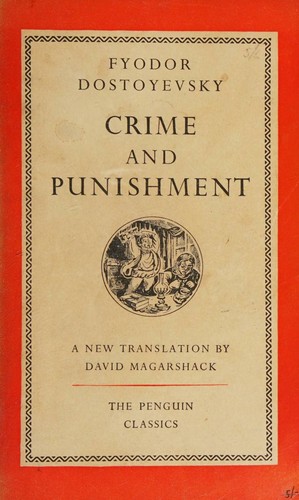
A student commits a murder and is tormented by it. Intense and psychological.
Best for: guilt and punishment.
2. White Nights by Fyodor Dostoevsky
A lonely man falls for a woman over four nights. Short and tender.
Best for: lonely dreamer.
3. The Double by Fyodor Dostoevsky
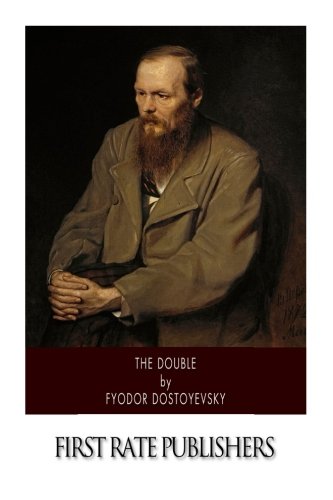
A clerk meets his exact double. Strange and anxious.
Best for: identity crisis.
4. The Stranger by Albert Camus
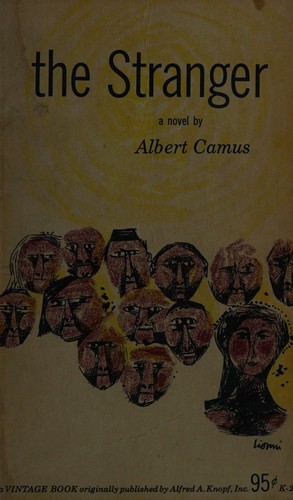
A detached man commits a murder and faces trial. Short and strange.
Best for: existential classic.
5. Nausea by Jean-Paul Sartre
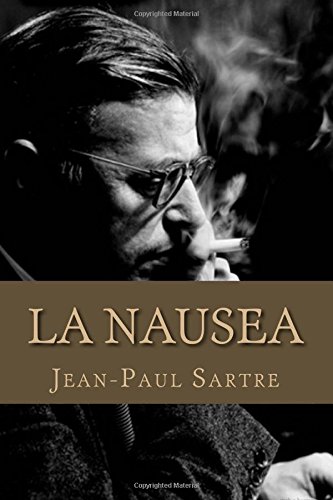
A man feels the strangeness of existence. Short and influential.
Best for: existential disgust.
6. Steppenwolf by Hermann Hesse
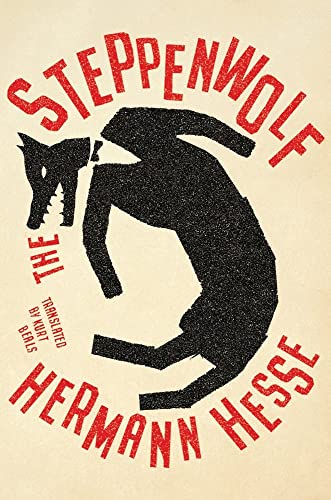
A lonely intellectual feels split between civilised and wild selves. Strange.
Best for: alienation and identity.
7. The Metamorphosis by Franz Kafka
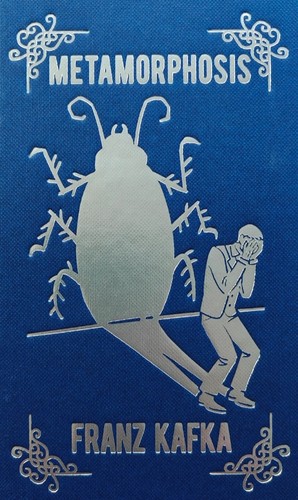
A man wakes up as an insect. Short and brilliant.
Best for: absurd classic.
8. The Trial by Franz Kafka
A man is arrested for an unnamed crime. Short, strange and unforgettable.
Best for: bureaucratic nightmare.
9. Hunger by Knut Hamsun
A young writer starves in Oslo. Strange and influential.
Best for: starving artist.
10. Invisible Man by Ralph Ellison
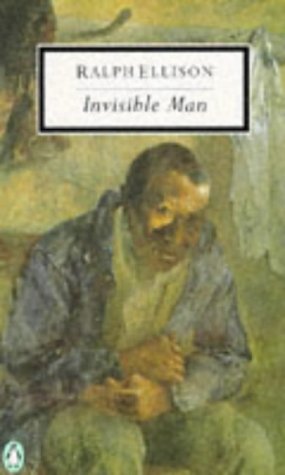
An unnamed Black narrator searches for himself in America. Large and bold.
Best for: invisibility and identity.
11. The Myth of Sisyphus by Albert Camus
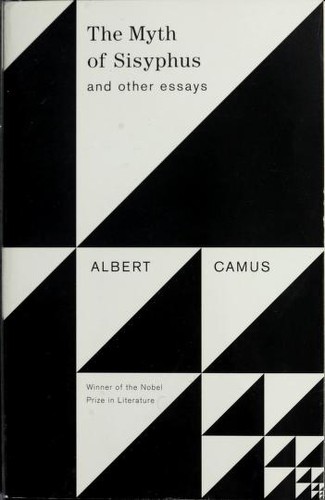
Camus asks whether life is worth living without meaning. Short and powerful.
Best for: absurd philosophy.
12. Oblomov by Ivan Goncharov
A Russian landowner stays in bed for years. Comic and sad.
Best for: a man who won't get up.
13. Fathers and Sons by Ivan Turgenev
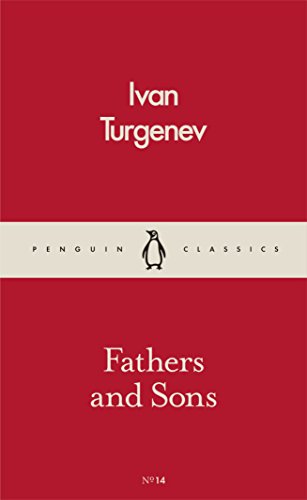
A young nihilist clashes with his elders. Classic Russian realism.
Best for: generation clash.
14. The Catcher in the Rye by J. D. Salinger
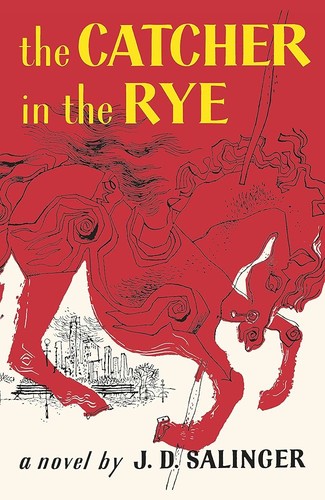
Holden Caulfield wanders New York after leaving school. A classic.
Best for: teen alienation.
15. Thus Spoke Zarathustra by Friedrich Nietzsche
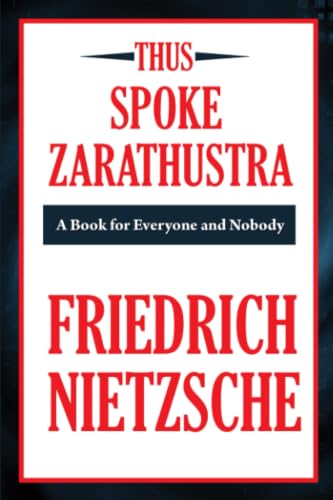
A prophet comes down from a mountain to teach about the overman. Dense and poetic.
Best for: poetic philosophy.
How to Choose
For more Dostoevsky begin with White Nights or Crime and Punishment. For existential fiction choose The Stranger, Nausea or Steppenwolf. For absurd stories read Kafka. For Russian classics try Oblomov or Fathers and Sons. For philosophy read The Myth of Sisyphus. Notes from Underground is short and bitter, so these picks suit readers who like disturbing narrators. The novella has two parts, a monologue and a story from the narrator's past, and many readers find the first part hardest. Choosing a good translation, such as one by Pevear and Volokhonsky or Michael R. Katz, makes a big difference.
Related: The Underground Railroad Book Club Discussion Questions (With Summary and Themes) · 15 Best Books on the Underground Railroad: True Stories and Novels
Frequently Asked Questions
What is Notes from Underground about?
A bitter narrator in St Petersburg explains his contempt for society and his own actions.
Who wrote it?
Fyodor Dostoevsky.
When was it published?
1864.
Is it hard to read?
The first part is dense, but the book is short.
Which translation is best?
Many readers like Pevear and Volokhonsky or Katz.
Is it a novel?
It is a novella.
Is it a good first Dostoevsky?
Some readers prefer Crime and Punishment, but this is quick.
What should I read next?
Try Crime and Punishment or The Stranger.
Which book here is best for existential classic?
Try The Stranger by Albert Camus, which is a good fit if you want existential classic.
Which book here is best for absurd classic?
Try The Metamorphosis by Franz Kafka, which is a good fit if you want absurd classic.
Which book here is best for invisibility and identity?
Try Invisible Man by Ralph Ellison, which is a good fit if you want invisibility and identity.
Which book here is best for generation clash?
Try Fathers and Sons by Ivan Turgenev, which is a good fit if you want generation clash.
Which book here is best for lonely dreamer?
Try White Nights by Fyodor Dostoevsky, which is a good fit if you want lonely dreamer.
Which book here is best for existential disgust?
Try Nausea by Jean-Paul Sartre, which is a good fit if you want existential disgust.
Which book here is best for bureaucratic nightmare?
Try The Trial by Franz Kafka, which is a good fit if you want bureaucratic nightmare.