
Disclosure: As an Amazon Associate, Bookish Wisdom earns from qualifying purchases. This doesn't change our picks or your price.
Quick answer: If you read Nuclear War: A Scenario, try Command and Control, The Doomsday Machine, The Making of the Atomic Bomb, Hiroshima, Midnight in Chernobyl and The Dead Hand. They explain how nuclear weapons work, how close we have come and what could happen.
Annie Jacobsen's 2024 book imagines a nuclear attack on the United States minute by minute, using interviews with officials who would be involved. It is clear, calm and frightening. Readers who finish it often want the real history behind it: the bombs, the near misses and the people who built the system. These 15 books cover that ground, from science to accidents to fiction.
Table of Contents
Quick Picks at a Glance
| Book | Author | Ages | Best For |
|---|---|---|---|
| Command and Control | Eric Schlosser | Adult | the best next book |
| The Doomsday Machine | Daniel Ellsberg | Adult | readers who want inside knowledge |
| The Making of the Atomic Bomb | Richard Rhodes | Adult | readers who want the full story |
| Dark Sun | Richard Rhodes | Adult | readers who finished Rhodes |
| Hiroshima | John Hersey | Adult | readers who want the human cost |
| American Prometheus | Kai Bird and Martin J. Sherwin | Adult | readers who want a biography |
| The Dead Hand | David E. Hoffman | Adult | readers who like Cold War history |
| Midnight in Chernobyl | Adam Higginbotham | Adult | readers who want real disasters |
| Fallout | Lesley M.M. Blume | Adult | readers who like journalism |
| The Pentagon's Brain | Annie Jacobsen | Adult | readers who want more Jacobsen |
| Area 51 | Annie Jacobsen | Adult | readers who like secrets |
| Plutopia | Kate Brown | Adult | readers who like environmental history |
| The Fate of the Earth | Jonathan Schell | Adult | readers who want ideas |
| On the Beach | Nevil Shute | Adult | readers who prefer fiction |
| Alas, Babylon | Pat Frank | Adult | readers who want survival |
1. Command and Control by Eric Schlosser
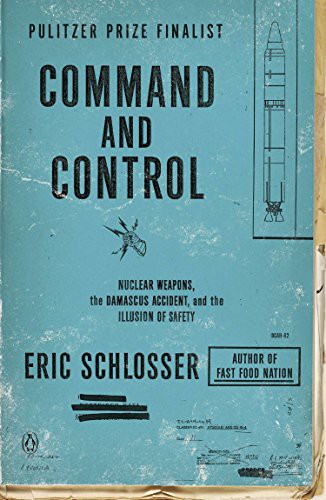
Schlosser tells the story of a 1980 Titan II missile accident and the long history of nuclear safety failures. Gripping and well researched.
Best for: the best next book.
2. The Doomsday Machine by Daniel Ellsberg
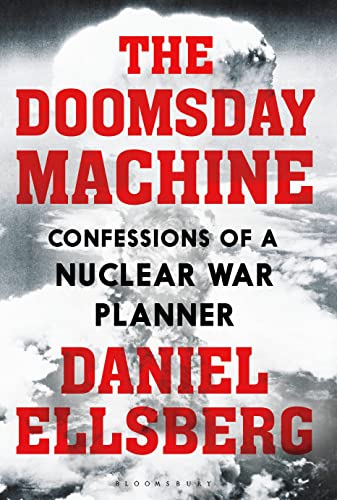
Ellsberg, a nuclear war planner turned whistleblower, describes what he learned in the Cold War. Eye-opening and personal.
Best for: readers who want inside knowledge.
3. The Making of the Atomic Bomb by Richard Rhodes
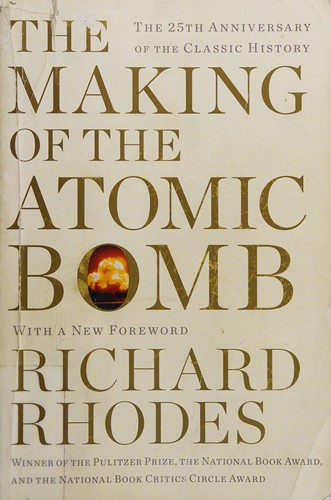
The definitive history of the Manhattan Project, from physics to Hiroshima. Long and rewarding.
Best for: readers who want the full story.
4. Dark Sun by Richard Rhodes
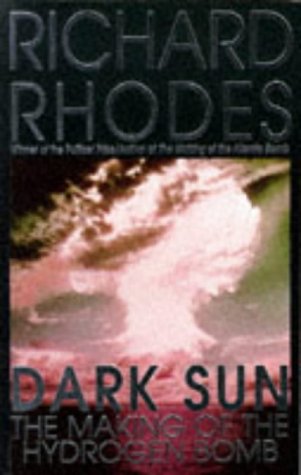
The sequel to The Making of the Atomic Bomb covers the hydrogen bomb and the Soviet side. Detailed and engaging.
Best for: readers who finished Rhodes.
5. Hiroshima by John Hersey
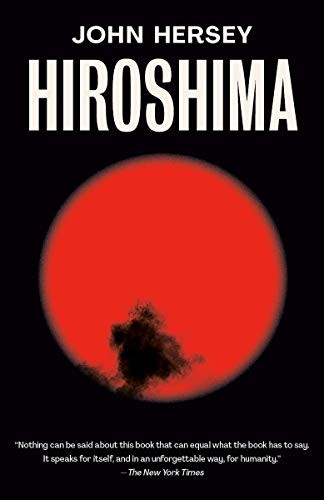
Hersey tells the story of six survivors of the 1945 bombing. A short, humane classic.
Best for: readers who want the human cost.
6. American Prometheus by Kai Bird and Martin J. Sherwin
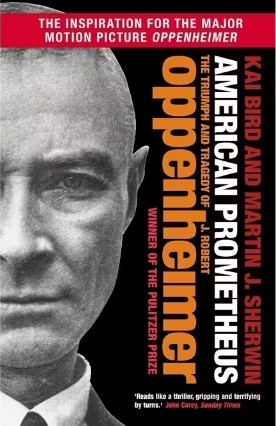
The life of J. Robert Oppenheimer, from physicist to political target. The basis for the film Oppenheimer.
Best for: readers who want a biography.
7. The Dead Hand by David E. Hoffman
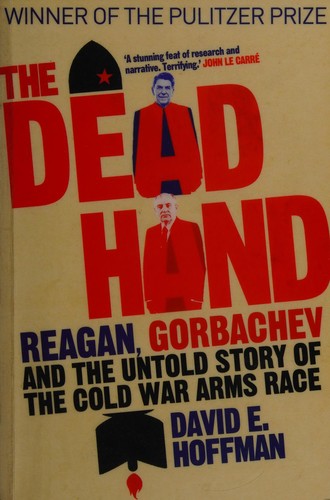
The story of the arms race's last years and the Soviet doomsday system. Chilling and well sourced.
Best for: readers who like Cold War history.
8. Midnight in Chernobyl by Adam Higginbotham
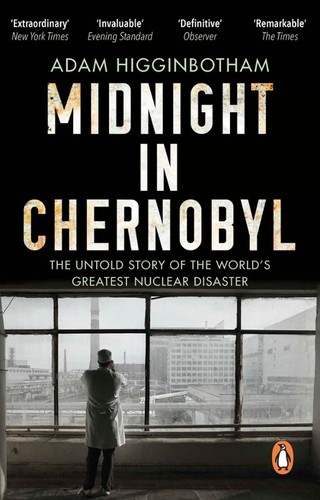
A detailed account of the 1986 disaster and the Soviet failures behind it. Reads like a thriller.
Best for: readers who want real disasters.
9. Fallout by Lesley M.M. Blume
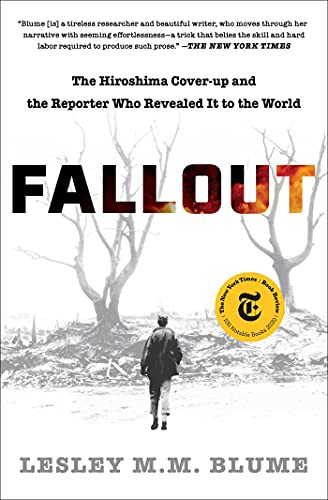
How a journalist revealed the human cost of Hiroshima and changed history. Short and gripping.
Best for: readers who like journalism.
10. The Pentagon's Brain by Annie Jacobsen
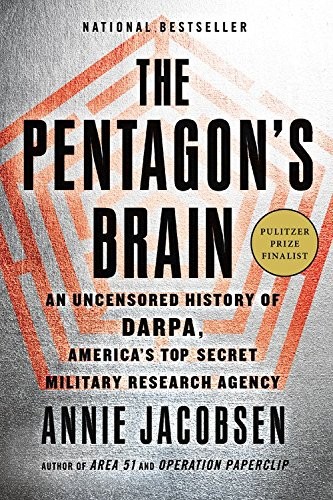
Jacobsen's history of DARPA, the Pentagon's research arm. Well reported and wide-ranging.
Best for: readers who want more Jacobsen.
11. Area 51 by Annie Jacobsen
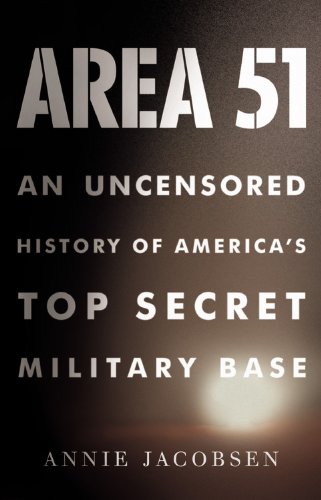
Jacobsen presents the secret history of the Nevada site, with interviews and some contested claims. Lively and controversial.
Best for: readers who like secrets.
12. Plutopia by Kate Brown
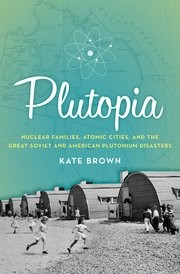
A comparative history of the plutonium cities of Richland in the U.S. and Ozersk in the USSR. Smart and unsettling.
Best for: readers who like environmental history.
13. The Fate of the Earth by Jonathan Schell
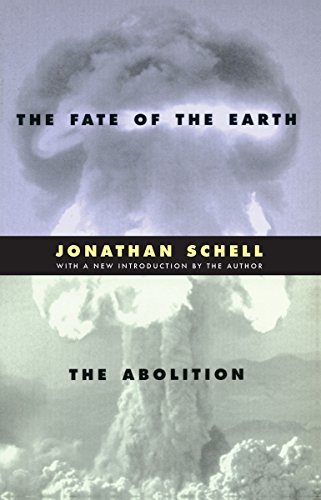
A famous 1982 essay on what nuclear war would mean for humanity. Philosophical and urgent.
Best for: readers who want ideas.
14. On the Beach by Nevil Shute
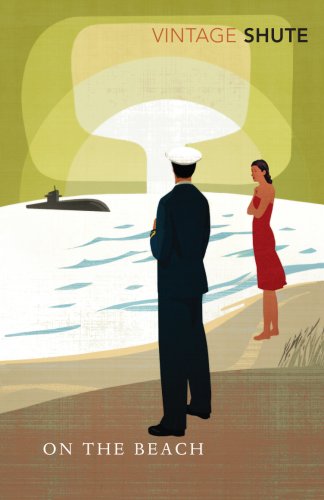
After a nuclear war, Australians wait for the radiation to reach them. Quiet, sad and unforgettable.
Best for: readers who prefer fiction.
15. Alas, Babylon by Pat Frank
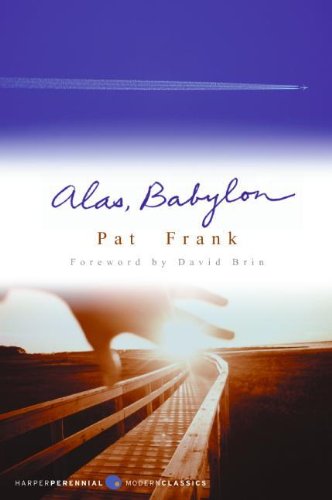
A Florida town survives after a nuclear exchange. A classic of post-apocalyptic fiction.
Best for: readers who want survival.
How to Choose
Begin with Command and Control if you want a gripping story. For history, read Rhodes or American Prometheus. For a human view, read Hiroshima. For fiction, choose On the Beach or Alas, Babylon. Many of these books describe death and suffering, so read at your own pace. If you can read only two, pair Command and Control (the accident that nearly happened) with The Making of the Atomic Bomb (how it all began). If you prefer a narrative, begin with Hiroshima because it is short and humane. After finishing these heavy books, consider something hopeful about arms control, such as stories of treaties and the people who negotiated them.
Related: 15 Books Like The Poppy War You’ll Love: Dark Military Fantasy and Brutal War · The War of Art by Steven Pressfield: Summary and Key Takeaways
Frequently Asked Questions
Is Nuclear War: A Scenario a prediction?
No. It is a plausible scenario built from interviews and public information, with the author's imagination filling gaps.
How accurate is the book?
Most of the technical detail comes from experts, but some choices are speculative.
Is the book too scary to read?
It is intense but not graphic, and some readers find that learning the process makes it less frightening.
What should I read for hope?
Fallout and Command and Control both show how people have worked to prevent disaster.
Are these books very technical?
Not generally. Most are written for general readers and explain concepts in plain language.
What is the best audiobook?
Command and Control and Midnight in Chernobyl are well-regarded on audio.