

Disclosure: As an Amazon Associate, Bookish Wisdom earns from qualifying purchases. This doesn't change our picks or your price.
Quick answer: If you loved Osamu Dazai, read Natsume Soseki's Kokoro, then Albert Camus's The Stranger and The Plague, then Kōbō Abe's The Woman in the Dunes, and Fyodor Dostoevsky's Notes from Underground, Crime and Punishment and The Double and Sylvia Plath's The Bell Jar. All are dark, confessional Japanese fiction.
Osamu Dazai (1909–1948) wrote No Longer Human and The Setting Sun. These picks share his bleak honesty.
Table of Contents
Quick Picks at a Glance
| Book | Author | Ages | Best For |
|---|---|---|---|
| Kokoro | Natsume Soseki | Adult | classic of loneliness |
| The Stranger | Albert Camus | Adult | readers who want philosophy in fiction |
| The Woman in the Dunes | Kōbō Abe | Adult | readers who like existential stories |
| Notes from Underground | Fyodor Dostoevsky | Adult | readers who want Russian bleakness |
| The Bell Jar | Sylvia Plath | Adult | mental health classics |
| Giovanni's Room | James Baldwin | Adult | readers who want literary fiction |
| Crime and Punishment | Fyodor Dostoevsky | Adult | guilt and punishment |
| Heart of Darkness | Joseph Conrad | Adult | readers who like psychological depth |
| The Sorrows of Young Werther | Johann Wolfgang von Goethe | Adult | romantic despair |
| The Plague | Albert Camus | Adult | existential classic |
| The Double | Fyodor Dostoevsky | Adult | identity crisis |
| Journey to the End of the Night | Louis-Ferdinand Céline | Adult | readers who want big bleakness |
| Madame Bovary | Gustave Flaubert | Adult | romantic disillusion |
| Nightwood | Djuna Barnes | Adult | modernist classic |
| The Travelling Cat Chronicles | Hiro Arikawa | Adult | animal lovers |
1. Kokoro by Natsume Soseki
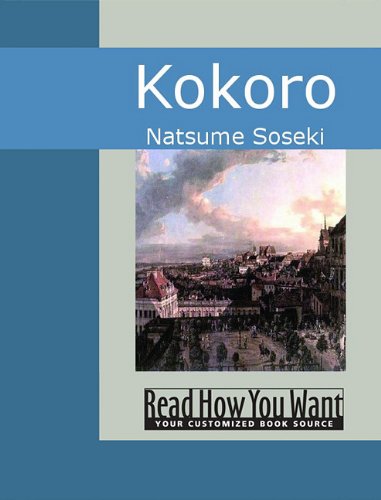
A student befriends an older man with a past. Quiet and haunting.
Best for: classic of loneliness.
2. The Stranger by Albert Camus
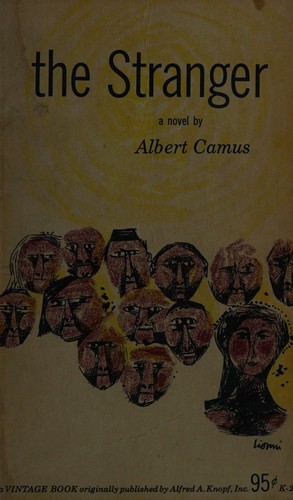
Meursault, who seems indifferent to life, commits a murder. A short classic of absurdism.
Best for: readers who want philosophy in fiction.
3. The Woman in the Dunes by Kōbō Abe
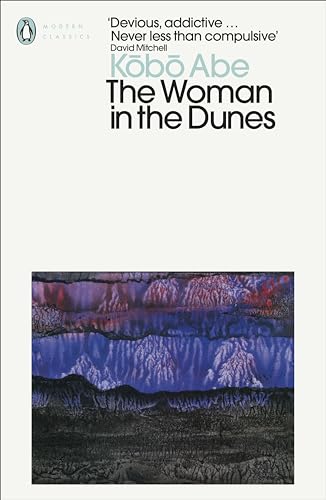
An entomologist is trapped in a pit of sand with a woman. Eerie, symbolic and gripping.
Best for: readers who like existential stories.
4. Notes from Underground by Fyodor Dostoevsky
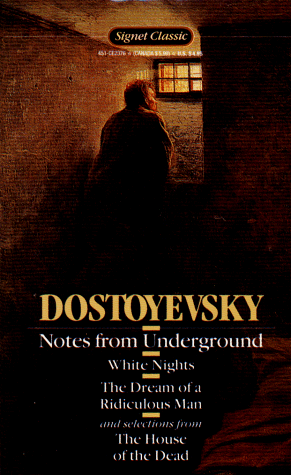
A bitter retired official rants about society and himself. Short, raw and influential.
Best for: readers who want Russian bleakness.
5. The Bell Jar by Sylvia Plath
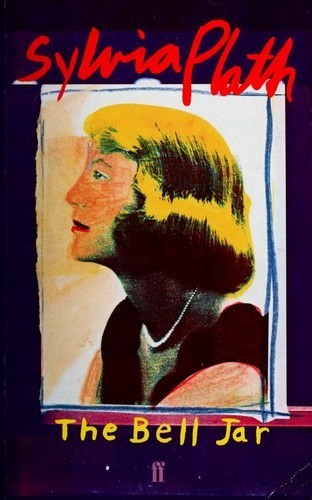
A young woman in 1950s New York slides into depression. Sharp, funny and sad.
Best for: mental health classics.
6. Giovanni's Room by James Baldwin
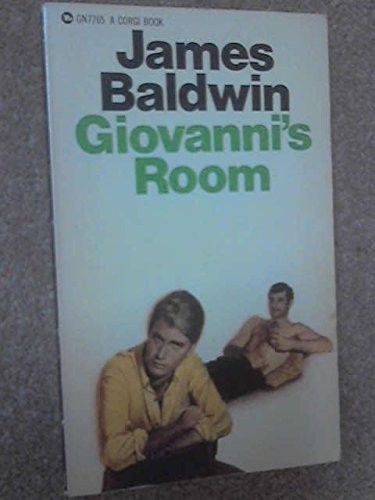
David, an American in Paris, struggles with his love for an Italian bartender. A short, beautiful classic.
Best for: readers who want literary fiction.
7. Crime and Punishment by Fyodor Dostoevsky
A student commits a murder and is tormented by it. Intense and psychological.
Best for: guilt and punishment.
8. Heart of Darkness by Joseph Conrad
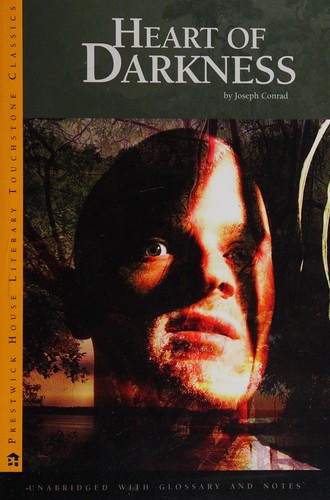
Marlow travels up the Congo River to find the enigmatic Kurtz. Dense, short and unsettling.
Best for: readers who like psychological depth.
9. The Sorrows of Young Werther by Johann Wolfgang von Goethe
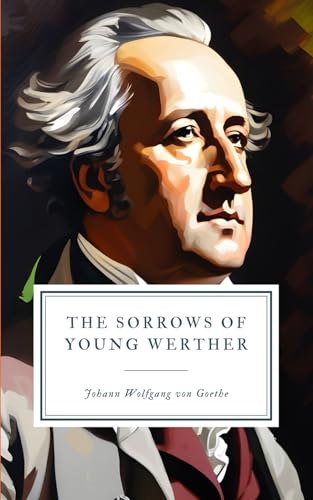
A sensitive young man falls hopelessly in love. The original novel of tragic longing, written in letters.
Best for: romantic despair.
10. The Plague by Albert Camus
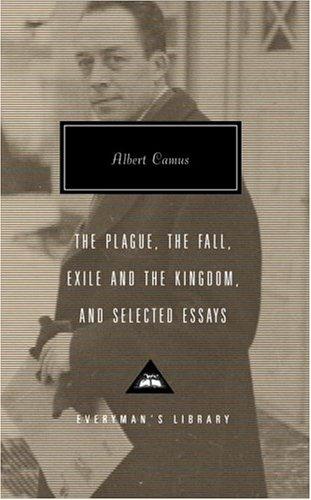
A town is quarantined and its people respond in different ways. Short and thoughtful.
Best for: existential classic.
11. The Double by Fyodor Dostoevsky
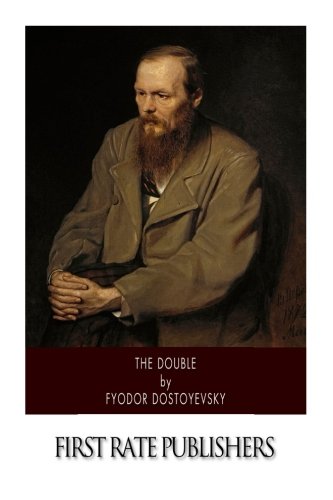
A clerk meets his exact double. Strange and anxious.
Best for: identity crisis.
12. Journey to the End of the Night by Louis-Ferdinand Céline
Bardamu goes from the trenches to Africa to America to Paris, cursing everything. Bitter and brilliant.
Best for: readers who want big bleakness.
13. Madame Bovary by Gustave Flaubert
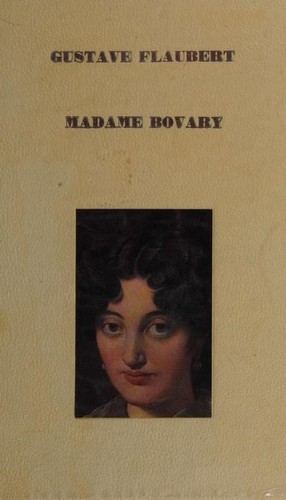
A doctor's wife seeks romance and falls into debt. Precise and unforgiving.
Best for: romantic disillusion.
14. Nightwood by Djuna Barnes

A group of expatriates in Paris and their entangled loves. Dense and haunting.
Best for: modernist classic.
15. The Travelling Cat Chronicles by Hiro Arikawa
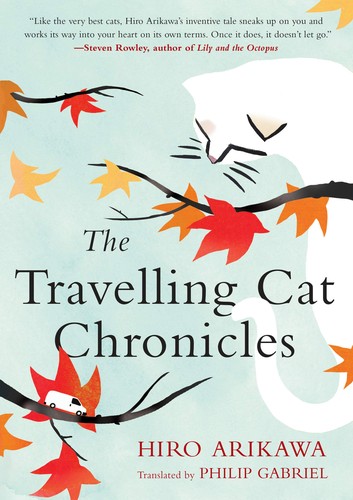
Nana, a stray cat, tours Japan with his owner Satoru, who is hiding a secret. A short, moving tearjerker.
Best for: animal lovers.
How We Chose These Books
Every pick is a real, widely available book that shares something specific with Osamu Dazai: its tone, its themes, its pace or the kind of characters it puts at the center. We mixed well-known favorites with a few less obvious titles, and we noted who each book suits best so you can match it to the reader. Where a book belongs to a series, we list the first volume so you can start at the beginning.
If you are not sure where to begin, start with the first three picks in the table: they are the closest match to Osamu Dazai. The rest of the list moves further out, so it works well once you know which part of the original you liked most.
How to Choose
For Japanese classics, read Kokoro. For dark inner worlds, try The Stranger. For mood, pick The Woman in the Dunes.
Frequently Asked Questions
Who was Osamu Dazai?
A Japanese writer (1909–1948).
What is his best-known book?
No Longer Human.
Is it dark?
Yes.
Which book here is best for animal lovers?
Try The Travelling Cat Chronicles by Hiro Arikawa, which suits readers looking for animal lovers.
Which book here is best for modernist classic?
Try Nightwood by Djuna Barnes, which suits readers looking for modernist classic.
Which book here is best for romantic disillusion?
Try Madame Bovary by Gustave Flaubert, which suits readers looking for romantic disillusion.
Which book here is best for readers who want big bleakness?
Try Journey to the End of the Night by Louis-Ferdinand Céline, which suits readers looking for readers who want big bleakness.
Which book here is best for identity crisis?
Try The Double by Fyodor Dostoevsky, which suits readers looking for identity crisis.
Which book here is best for existential classic?
Try The Plague by Albert Camus, which suits readers looking for existential classic.