
Disclosure: As an Amazon Associate, Bookish Wisdom earns from qualifying purchases. This doesn't change our picks or your price.
Quick answer: If you loved Parable of the Sower, read its sequel Parable of the Talents, then Kindred, Station Eleven, The Handmaid's Tale and The Road. All imagine a broken near future with characters who fight to survive and rebuild.
Octavia E. Butler's 1993 novel follows Lauren Olamina in a collapsing California, where she begins to write down a new belief system called Earthseed. Readers praise its prescient view of climate change and inequality. The books below offer survival, hope and strong world-building, with many from Black and women authors who changed science fiction.
Table of Contents
Quick Picks at a Glance
| Book | Author | Ages | Best For |
|---|---|---|---|
| Parable of the Talents | Octavia E. Butler | Adult | the direct sequel |
| Kindred | Octavia E. Butler | Adult | Butler's masterwork |
| Dawn | Octavia E. Butler | Adult | alien survival |
| Wild Seed | Octavia E. Butler | Adult | epic scale |
| Station Eleven | Emily St. John Mandel | Adult | hope after collapse |
| The Handmaid's Tale | Margaret Atwood | Adult | totalitarian futures |
| The Road | Cormac McCarthy | Adult | bleak survival |
| Exit West | Mohsin Hamid | Adult | refugee stories |
| The Water Knife | Paolo Bacigalupi | Adult | climate fiction |
| California | Edan Lepucki | Adult | couples after collapse |
| Severance | Ling Ma | Adult | dark satire |
| The Fifth Season | N.K. Jemisin | Adult | inventive worlds |
| Never Let Me Go | Kazuo Ishiguro | Adult | dystopia in disguise |
| Riot Baby | Tochi Onyebuchi | Adult | speculative justice |
| The Memory Police | Yoko Ogawa | Adult | fable-like dystopia |
1. Parable of the Talents by Octavia E. Butler
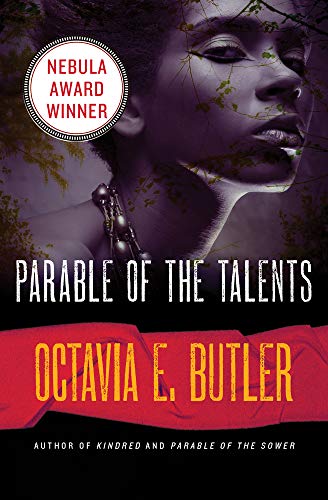
The sequel follows Lauren's community as an authoritarian leader rises. It is darker and more political than the first book, and it deepens the ideas about leadership and change.
Best for: the direct sequel.
2. Kindred by Octavia E. Butler
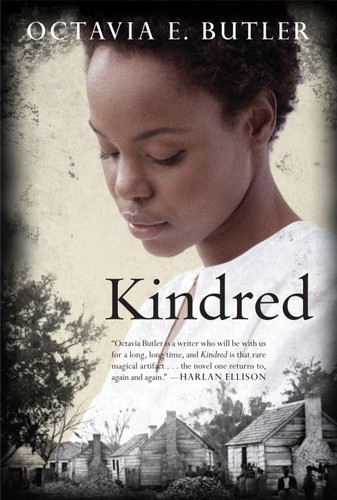
Dana is pulled from 1976 California to a plantation in the antebellum South. Butler's best-selling novel is both a time-travel story and a powerful look at slavery.
Best for: Butler's masterwork.
3. Dawn by Octavia E. Butler
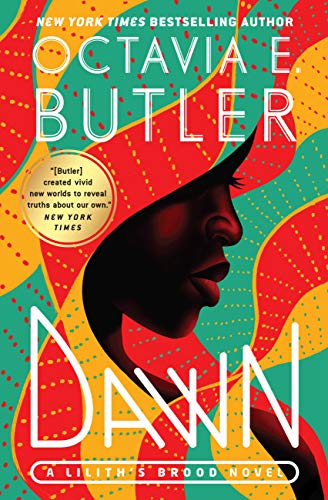
Lilith wakes after nuclear war on an alien ship and is offered a chance to help rebuild humanity with a species that merges genes. Unsettling and thought-provoking.
Best for: alien survival.
4. Wild Seed by Octavia E. Butler
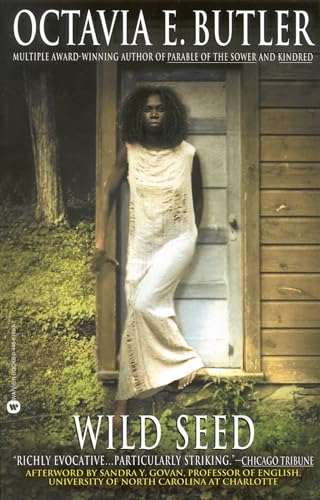
Anyanwu and Doro are immortals whose uneasy partnership spans centuries. A rich blend of fantasy and science fiction about power and survival.
Best for: epic scale.
5. Station Eleven by Emily St. John Mandel
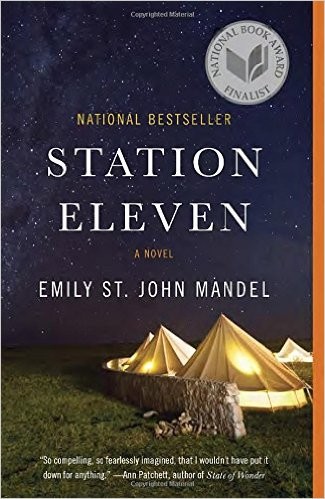
After a flu pandemic, a traveling troupe performs Shakespeare for survivors. Quiet, hopeful and beautifully built across timelines.
Best for: hope after collapse.
6. The Handmaid's Tale by Margaret Atwood
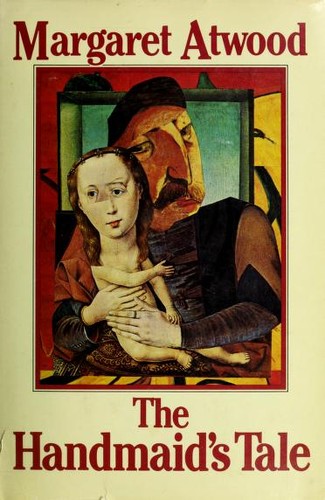
In a repressive regime, Offred is forced to bear children for the ruling class. A famous and chilling novel about control.
Best for: totalitarian futures.
7. The Road by Cormac McCarthy
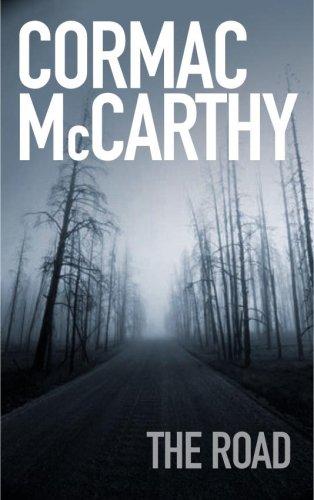
A father and son walk through a burned America. Bleak, spare and moving.
Best for: bleak survival.
8. Exit West by Mohsin Hamid
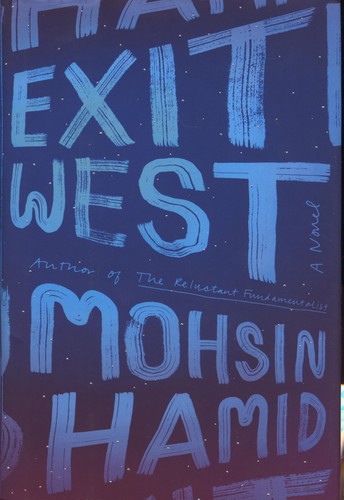
Two lovers escape their city through magical doors that take them to other places. A short, humane story about migration.
Best for: refugee stories.
9. The Water Knife by Paolo Bacigalupi
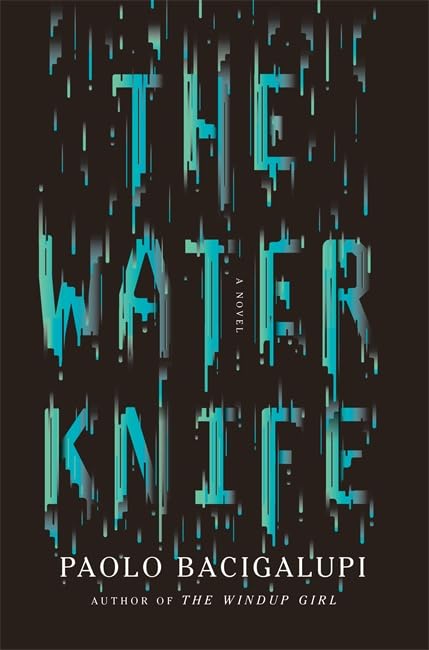
In a drought-stricken Southwest, agents fight for water rights. Fast, grim and very plausible.
Best for: climate fiction.
10. California by Edan Lepucki
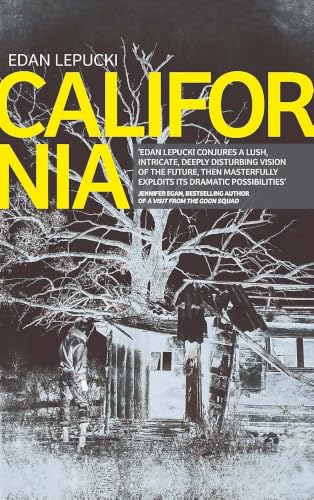
A couple leaves a ruined Los Angeles and builds a life in the wilderness before a stranger arrives. Tense and character driven.
Best for: couples after collapse.
11. Severance by Ling Ma
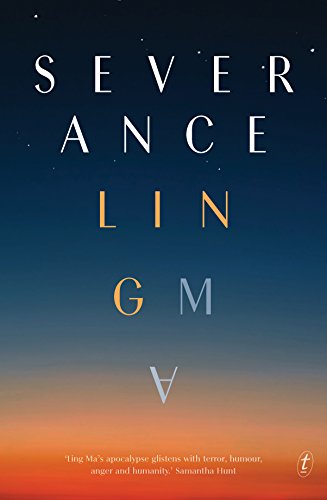
A New York office worker keeps going to work as a plague spreads. A dark satire about routine and loss.
Best for: dark satire.
12. The Fifth Season by N.K. Jemisin
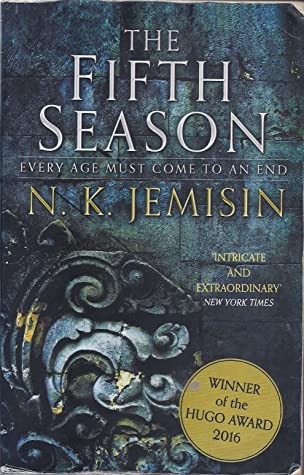
In a world that is regularly destroyed, a woman hunts for her kidnapped daughter. Winner of the Hugo Award, with gripping structure and original magic.
Best for: inventive worlds.
13. Never Let Me Go by Kazuo Ishiguro
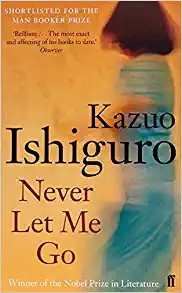
Students at a boarding school slowly realize what their purpose is. Quiet, disturbing and heartbreaking.
Best for: dystopia in disguise.
14. Riot Baby by Tochi Onyebuchi
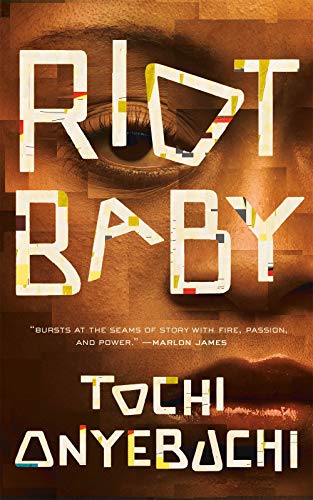
Siblings with powers navigate a system that targets them. A short, angry and moving look at race and justice.
Best for: speculative justice.
15. The Memory Police by Yoko Ogawa
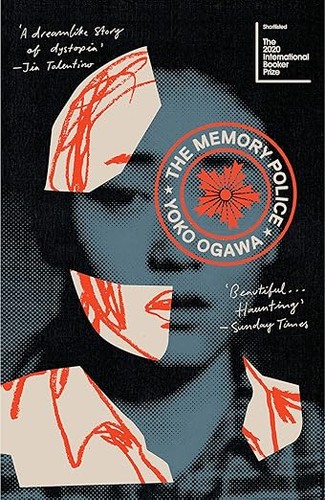
On an island where objects disappear and are forgotten, a writer hides someone who remembers. Quiet and eerie, translated from Japanese.
Best for: fable-like dystopia.
How to Choose
If you want more Butler, begin with Parable of the Talents, Kindred or Wild Seed. For realistic collapse stories, pick Station Eleven, The Road or The Water Knife. For political dystopia, read The Handmaid's Tale or Never Let Me Go. For diverse voices and big ideas, try The Fifth Season, Riot Baby or Exit West. Be aware that many of these books depict violence, oppression and loss. If this is your first speculative novel, ease in with Station Eleven or Exit West, which are more hopeful, before tackling The Road or The Handmaid's Tale.
Related: 15 Books Like Wings of Fire Kids Will Love: Dragons, Quests and Animal Adventures · 12 Dystopian Books Like the Hunger Games | Best Books to Read Like Hunger Games
Frequently Asked Questions
What is Parable of the Sower about?
Lauren Olamina survives the collapse of her gated community in 2024 California and travels north while forming a new belief system.
Do I need to read Parable of the Talents?
It is a sequel and continues the story, but the first book stands alone as a complete read.
Is Parable of the Sower a good starting point for Butler?
Yes, though Kindred is also a popular first read.
Is it suitable for teens?
It includes violence and sexual assault, so it suits older teens and adults.
What other authors are like Octavia Butler?
N.K. Jemisin, Nnedi Okorafor and Tochi Onyebuchi are often mentioned.
Is the Parable series finished?
Butler planned more books, but only Parable of the Sower and Parable of the Talents were published.
Where does the name Earthseed come from?
Lauren uses it for her philosophy that change is constant and that humanity's destiny is among the stars.