
Disclosure: As an Amazon Associate, Bookish Wisdom earns from qualifying purchases. This doesn't change our picks or your price.
Quick answer: If you liked Playground by Richard Powers, read The Overstory, Bewilderment, The Soul of an Octopus and Deep. All explore how humans, technology and the natural world are bound together.
Richard Powers's 2024 novel centers on the ocean, artificial intelligence and a group of people whose lives cross on a Polynesian island. It blends science, big ideas and sharp characters. The books below share its curiosity about ocean life, technology and how humans fit into the planet.
Table of Contents
Quick Picks at a Glance
| Book | Author | Ages | Best For |
|---|---|---|---|
| The Overstory | Richard Powers | Adult | more Powers |
| Bewilderment | Richard Powers | Adult | father and son |
| Orfeo | Richard Powers | Adult | music and science |
| Galatea 2.2 | Richard Powers | Adult | early AI fiction |
| Cloud Atlas | David Mitchell | Adult | interwoven stories |
| Klara and the Sun | Kazuo Ishiguro | Adult | AI and care |
| Annihilation | Jeff VanderMeer | Adult | strange nature |
| The Mountain in the Sea | Ray Nayler | Adult | non-human intelligence |
| The Soul of an Octopus | Sy Montgomery | Adult | ocean life |
| Deep | James Nestor | Adult | human limits |
| The Sea Around Us | Rachel Carson | Adult | ocean classic |
| Four Fish | Paul Greenberg | Adult | food and ocean |
| Underland | Robert Macfarlane | Adult | deep time |
| Remarkably Bright Creatures | Shelby Van Pelt | Adult | octopus fiction |
| The Outlaw Ocean | Ian Urbina | Adult | investigative reporting |
1. The Overstory by Richard Powers
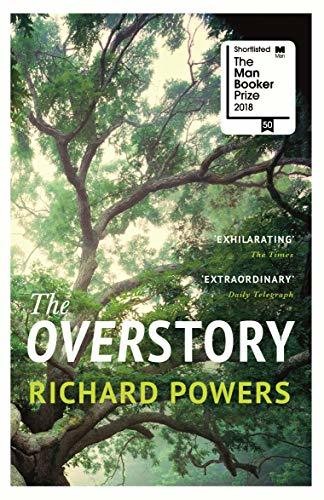
Nine people are drawn to trees, and their stories become entangled in a fight for forests. Winner of the Pulitzer Prize and Powers's most celebrated novel.
Best for: more Powers.
2. Bewilderment by Richard Powers
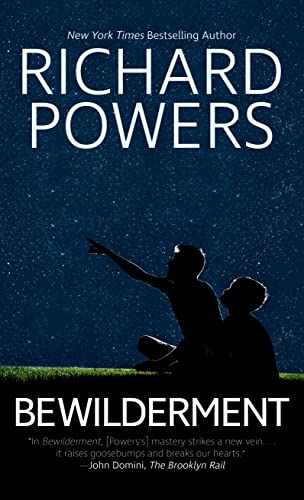
An astrobiologist raises his unusual son after his wife's death. Short, tender and angry about the state of the planet.
Best for: father and son.
3. Orfeo by Richard Powers
A retired composer is suspected of bioterrorism because of his home lab. A story about music and science.
Best for: music and science.
4. Galatea 2.2 by Richard Powers
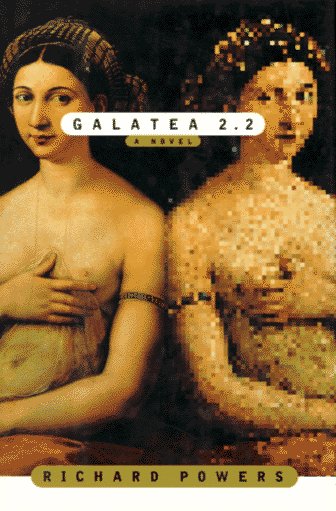
A writer helps train a neural network to pass a literature exam. Prescient about AI and humane in tone.
Best for: early AI fiction.
5. Cloud Atlas by David Mitchell
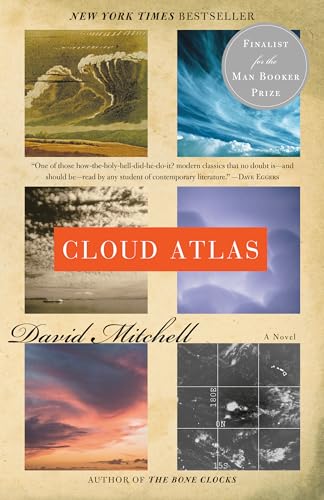
Six nested stories span centuries and genres. Inventive and ambitious.
Best for: interwoven stories.
6. Klara and the Sun by Kazuo Ishiguro
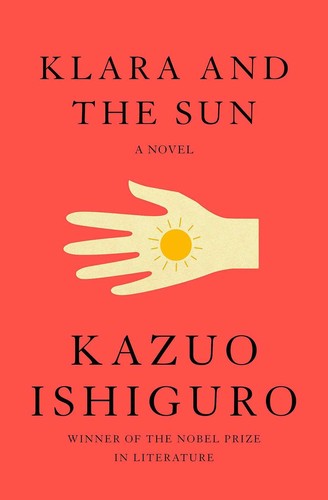
An artificial friend watches the world and tries to help a sick girl. Gentle and haunting.
Best for: AI and care.
7. Annihilation by Jeff VanderMeer
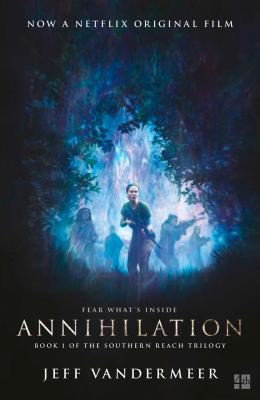
Scientists explore a mysterious zone known as Area X. Eerie and ecological.
Best for: strange nature.
8. The Mountain in the Sea by Ray Nayler
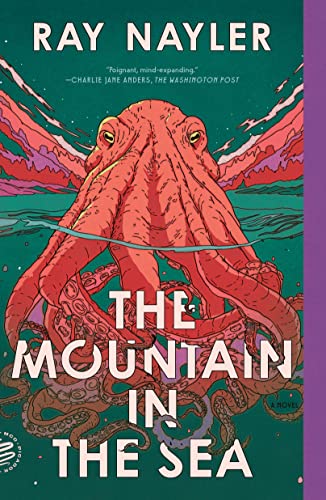
A scientist studies octopuses that may have their own culture. Thoughtful and fast moving.
Best for: non-human intelligence.
9. The Soul of an Octopus by Sy Montgomery
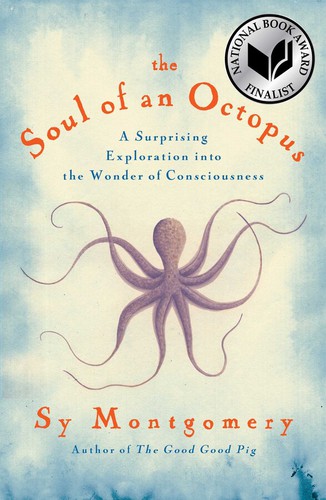
A naturalist explores octopus minds and the people who love them. Warm, curious and full of wonder.
Best for: ocean life.
10. Deep by James Nestor
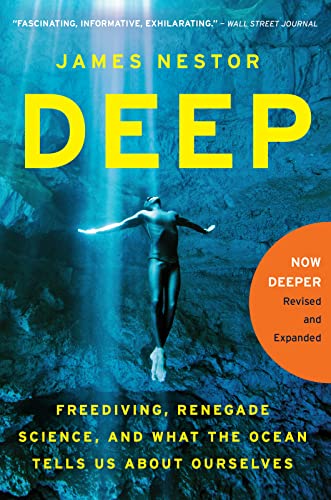
A journalist explores freediving and the science of the sea. Fast and fascinating.
Best for: human limits.
11. The Sea Around Us by Rachel Carson
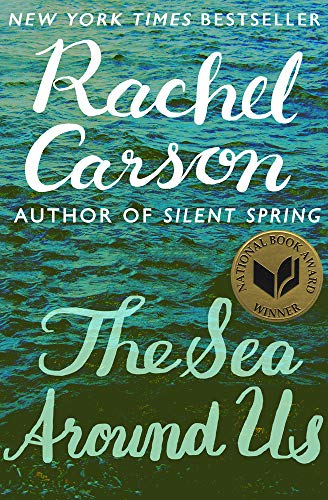
A classic of ocean science in lyrical prose. It won the National Book Award in 1952.
Best for: ocean classic.
12. Four Fish by Paul Greenberg
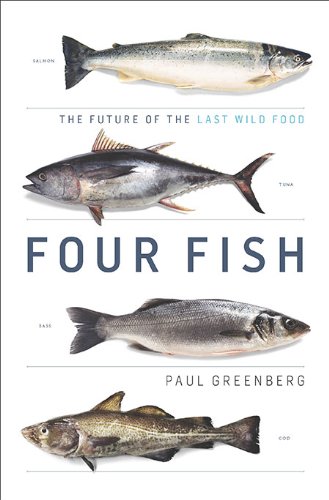
A look at how salmon, sea bass, cod and tuna shape our diets and oceans. Clear and persuasive.
Best for: food and ocean.
13. Underland by Robert Macfarlane
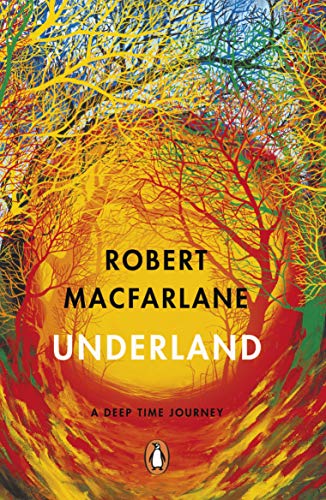
Macfarlane explores caves, glaciers and deep time beneath the surface. Poetic and full of ideas.
Best for: deep time.
14. Remarkably Bright Creatures by Shelby Van Pelt
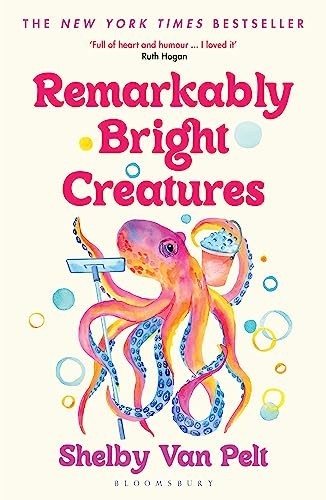
A widow befriends a giant Pacific octopus at an aquarium. Sweet, funny and moving.
Best for: octopus fiction.
15. The Outlaw Ocean by Ian Urbina
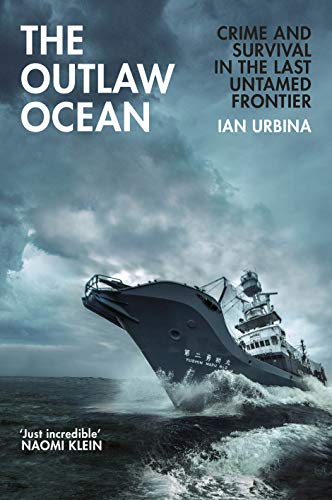
A reporter investigates lawlessness at sea, from slavery to illegal fishing. Gripping and disturbing.
Best for: investigative reporting.
How to Choose
If you want more Powers, start with The Overstory, then Bewilderment and Orfeo. For artificial intelligence and consciousness, choose Galatea 2.2, Klara and the Sun or The Mountain in the Sea. For ocean nonfiction, read The Soul of an Octopus, Deep or The Sea Around Us. If you like strange ecology, Annihilation and Underland will appeal. Remarkably Bright Creatures is the lightest and most cozy pick. Take your time with the nonfiction picks, as they pair well with quiet evenings. If you enjoy listening, The Soul of an Octopus and Deep are lively on audio, and The Overstory is a good long listen for a road trip. Readers who want to understand real ocean science can follow up with a local aquarium or a marine biology documentary after finishing these books.
Related: 15 Books Like Wings of Fire Kids Will Love: Dragons, Quests and Animal Adventures · 12 Dystopian Books Like the Hunger Games | Best Books to Read Like Hunger Games
Frequently Asked Questions
What is Playground about?
It follows several characters whose lives intersect around ocean exploration, technology and an island community.
Is Playground a good first Powers novel?
The Overstory is more famous, but Playground is accessible and shorter.
Does Playground include AI?
Yes, artificial intelligence is one of its themes.
What other authors write about ocean life?
Sy Montgomery, Rachel Carson and James Nestor are good starting points.
Is Playground hard to read?
It has big ideas, but Powers writes clearly and the plot moves along.
Is there an audiobook?
Yes, an audiobook is available.
Who is Richard Powers?
An American novelist known for The Overstory, which won the 2019 Pulitzer Prize for Fiction.
Is Playground about the real ocean?
It draws on real marine science and real places, though the characters are invented.
Is Playground a standalone?
Yes. It does not need any previous Powers novel.
Is it a long novel?
It is moderate in length, and the chapters are short.
Which nonfiction book should I start with?
The Soul of an Octopus is warm and accessible.
Is Playground connected to The Overstory?
Not directly, but both use several characters to explore how humans relate to the natural world.