
Disclosure: As an Amazon Associate, Bookish Wisdom earns from qualifying purchases. This doesn't change our picks or your price.
Quick answer: If you loved The Age of Innocence, read Edith Wharton's The House of Mirth and Ethan Frome, then Henry James's The Portrait of a Lady and The Great Gatsby. All explore society, desire and the price of conformity.
Edith Wharton's 1920 Pulitzer Prize winner follows Newland Archer, engaged to the perfect May Welland in Gilded Age New York, until he meets her exiled cousin Ellen Olenska. It is elegant, observant and quietly devastating. The books below share its drawing rooms, social rules and doomed longings.
Table of Contents
Quick Picks at a Glance
| Book | Author | Ages | Best For |
|---|---|---|---|
| The House of Mirth | Edith Wharton | Adult | Wharton's best known |
| Ethan Frome | Edith Wharton | Adult | short and bleak |
| The Custom of the Country | Edith Wharton | Adult | ruthless ambition |
| The Buccaneers | Edith Wharton | Adult | American heiresses |
| Washington Square | Henry James | Adult | tragic family drama |
| The Portrait of a Lady | Henry James | Adult | freedom and trap |
| Daisy Miller | Henry James | Adult | short novella |
| The Great Gatsby | F. Scott Fitzgerald | Adult | longing and loss |
| Sister Carrie | Theodore Dreiser | Adult | American realism |
| Anna Karenina | Leo Tolstoy | Adult | passion and society |
| Madame Bovary | Gustave Flaubert | Adult | romantic disillusion |
| Middlemarch | George Eliot | Adult | provincial life |
| Rules of Civility | Amor Towles | Adult | New York in 1938 |
| The Remains of the Day | Kazuo Ishiguro | Adult | repressed emotion |
| Persuasion | Jane Austen | Adult | second chances |
1. The House of Mirth by Edith Wharton
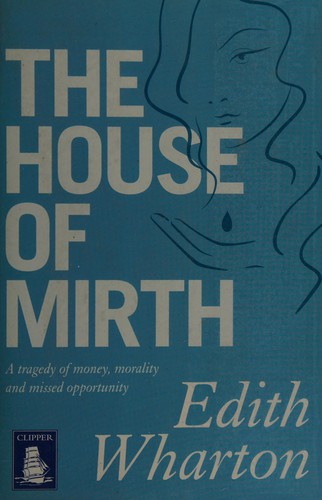
Lily Bart struggles to marry well in a society that judges her. A tragic masterpiece of manners and money.
Best for: Wharton's best known.
2. Ethan Frome by Edith Wharton
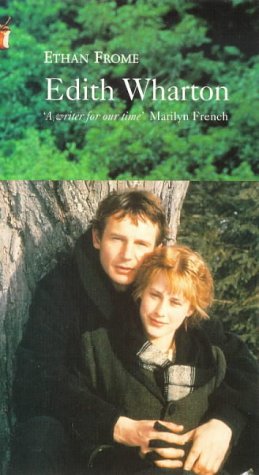
A man in a frozen New England village is trapped in a duty-bound marriage. Brief, stark and unforgettable.
Best for: short and bleak.
3. The Custom of the Country by Edith Wharton
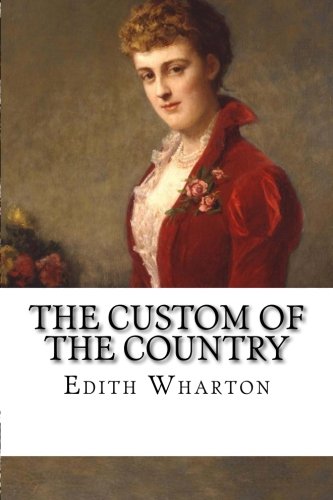
Undine Spragg climbs through society by marrying well. Sharp, funny and cold.
Best for: ruthless ambition.
4. The Buccaneers by Edith Wharton
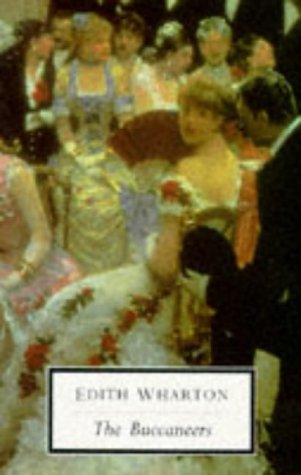
American girls marry into the English aristocracy. Light in tone but sharp in observation; Wharton's last, unfinished novel.
Best for: American heiresses.
5. Washington Square by Henry James
A plain heiress is wooed by a fortune hunter. Short, cutting and precise.
Best for: tragic family drama.
6. The Portrait of a Lady by Henry James
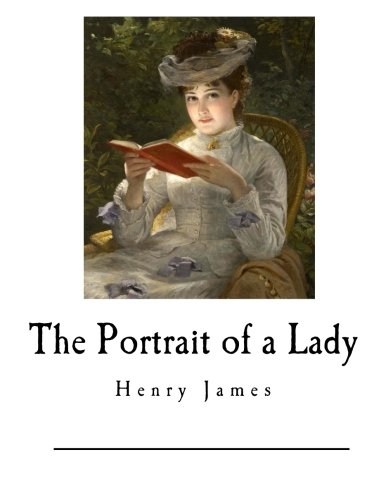
Isabel Archer inherits money and chooses a fateful marriage. Rich and psychological.
Best for: freedom and trap.
7. Daisy Miller by Henry James
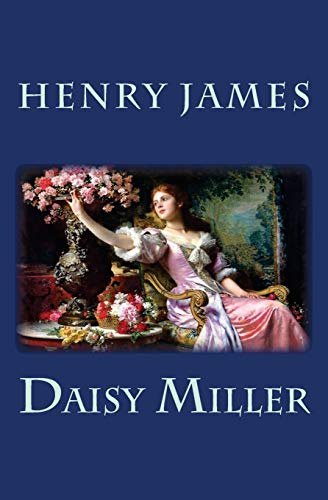
A free-spirited American girl scandalises Europeans. Quick and sharp.
Best for: short novella.
8. The Great Gatsby by F. Scott Fitzgerald
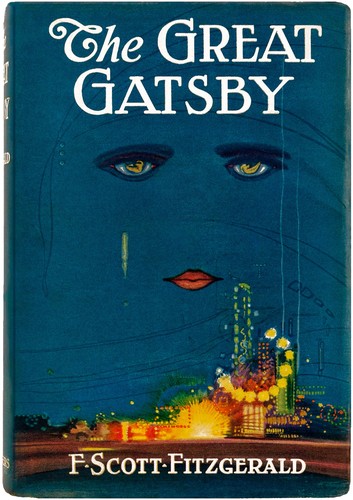
A man reinvents himself to win back a lost love. Short, shimmering and tragic.
Best for: longing and loss.
9. Sister Carrie by Theodore Dreiser
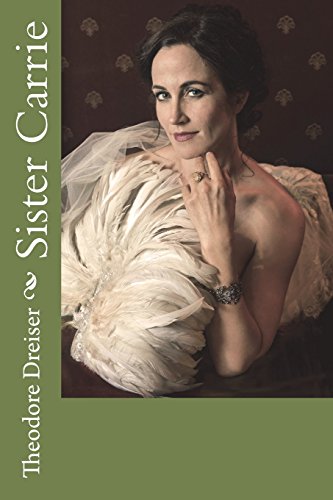
A young woman rises in Chicago and New York. Blunt and powerful.
Best for: American realism.
10. Anna Karenina by Leo Tolstoy
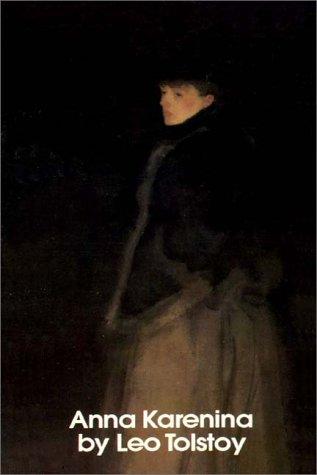
A married woman's love affair challenges Russian society. Long, wise and moving.
Best for: passion and society.
11. Madame Bovary by Gustave Flaubert
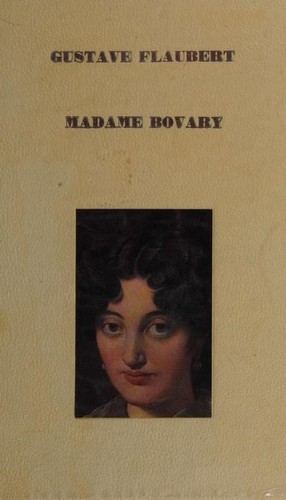
A doctor's wife seeks romance and falls into debt. Precise and unforgiving.
Best for: romantic disillusion.
12. Middlemarch by George Eliot
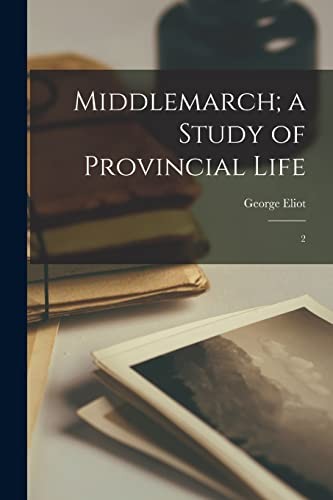
Dorothea Brooke and her neighbours seek meaning and love. Long, wise and rewarding.
Best for: provincial life.
13. Rules of Civility by Amor Towles
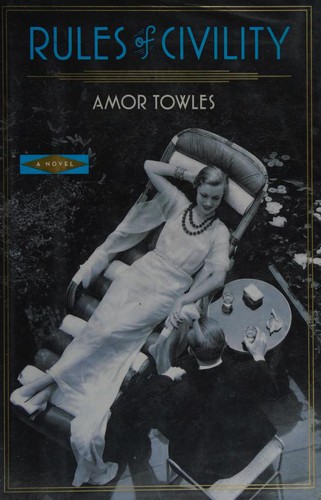
A young woman navigates Manhattan society. Elegant, nostalgic and clever.
Best for: New York in 1938.
14. The Remains of the Day by Kazuo Ishiguro
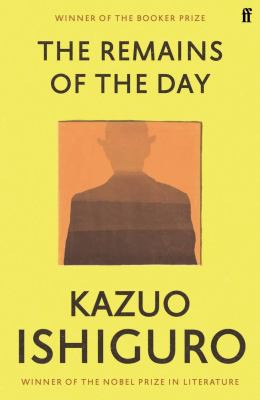
A butler looks back on his service and a love he never admitted. Understated and heartbreaking.
Best for: repressed emotion.
15. Persuasion by Jane Austen
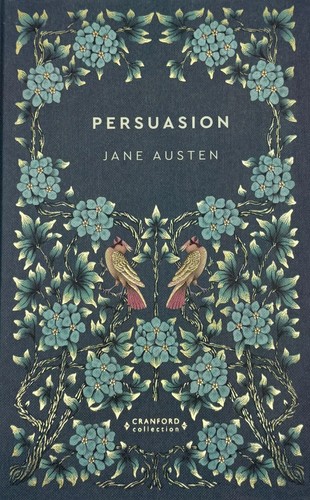
Anne Elliot meets the man she once refused. Quiet, mature and deeply romantic.
Best for: second chances.
How We Chose These Books
Every pick is a real, widely available book that shares something specific with The Age of Innocence: its tone, its themes, its pace or the kind of characters it puts at the center. We mixed well-known favorites with a few less obvious titles, and we noted who each book suits best so you can match it to the reader. Where a book belongs to a series, we list the first volume so you can start at the beginning.
How to Choose
For more Wharton begin with The House of Mirth. For the same era choose Henry James or The Great Gatsby. For European classics pick Anna Karenina, Madame Bovary or Middlemarch. For modern echoes read Rules of Civility or The Remains of the Day. The Age of Innocence moves slowly, so readers who like atmosphere over plot will enjoy these picks the most. Many of Wharton's novels are in the public domain, so free and low-cost editions are easy to find. A well-annotated edition can explain the Gilded Age customs and make the social details clearer. Wharton rewards patient readers. If you like her social observation, read The House of Mirth next. If you prefer shorter books, Ethan Frome and Daisy Miller can be finished in an afternoon. If you want a modern echo, Rules of Civility captures a similar world of manners and ambition. Audiobooks with strong narrators help with the formal sentences.
Related: What Age Is Wonder Appropriate For? A Parent’s Guide · What Age Is Wonder Appropriate For? A Parent’s Guide
Frequently Asked Questions
What is The Age of Innocence about?
Newland Archer, engaged in 1870s New York, falls for his fiancee's scandalous cousin.
Who wrote it?
Edith Wharton.
When was it published?
1920.
Did it win a prize?
Yes, the 1921 Pulitzer Prize for the Novel.
Is there a film?
Yes, a 1993 film directed by Martin Scorsese.
Is it a long book?
It is around 300 pages.
Is it hard to read?
The style is elegant but clear.
What should I read next?
Try The House of Mirth.
Is The Age of Innocence a love story?
It is a love story about duty and restraint, and a portrait of a society that punishes honesty.
Why is it called The Age of Innocence?
The title is ironic, since the characters' innocence is a kind of blindness shaped by social rules.