

Disclosure: As an Amazon Associate, Bookish Wisdom earns from qualifying purchases. This doesn't change our picks or your price.
Quick answer: If you loved The Crucible, try Death of a Salesman, All My Sons, An Enemy of the People, Lord of the Flies, 1984 and To Kill a Mockingbird. Each one explores fear, mass hysteria, false accusations or a person standing up for the truth.
Arthur Miller's 1953 play dramatizes the Salem witch trials of 1692. When Abigail Williams and other girls are caught dancing in the woods, they accuse townspeople of witchcraft, and fear spreads through the town. Farmer John Proctor, who once had an affair with Abigail, must decide whether to confess to a lie or die with his integrity. Miller wrote it as a response to McCarthyism. These books share its themes of fear, lies and courage.
Table of Contents
Quick Picks at a Glance
| Book | Author | Format | Best For |
|---|---|---|---|
| Death of a Salesman | Arthur Miller | Play | readers who want Miller's other great play |
| All My Sons | Arthur Miller | Play | readers who like moral reckonings |
| An Enemy of the People | Henrik Ibsen | Play | readers who like truth-tellers |
| Lord of the Flies | William Golding | Novel | readers who like group hysteria |
| 1984 | George Orwell | Novel | readers who like totalitarian fear |
| To Kill a Mockingbird | Harper Lee | Novel | readers who like false accusations |
| The Witch of Blackbird Pond | Elizabeth George Speare | Novel | younger readers |
| The Witches: Salem, 1692 | Stacy Schiff | Nonfiction | readers who want the real history |
| Conversion | Katherine Howe | YA novel | readers who like modern parallels |
| The Physick Book of Deliverance Dane | Katherine Howe | Novel | readers who like Salem mysteries |
| We Have Always Lived in the Castle | Shirley Jackson | Novel | readers who like villages turning on outsiders |
| The Lottery and Other Stories | Shirley Jackson | Stories | readers who like dark small towns |
| Animal Farm | George Orwell | Novel | readers who like political allegory |
| Twelve Angry Men | Reginald Rose | Play | readers who like one man resisting a crowd |
| The Children's Hour | Lillian Hellman | Play | readers who like accusations on stage |
1. Death of a Salesman by Arthur Miller
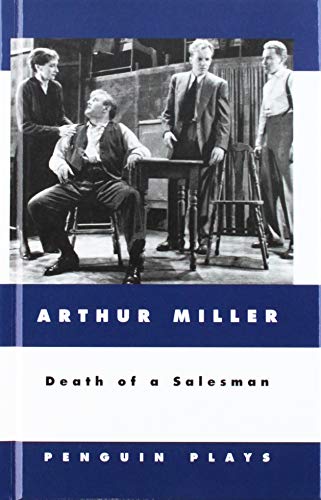
A salesman's dreams collapse around his family.
Best for: readers who want Miller's other great play.
2. All My Sons by Arthur Miller
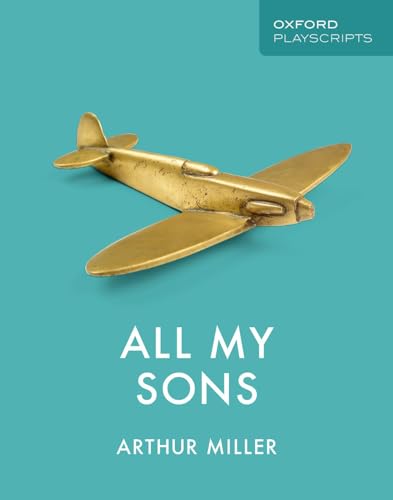
A factory owner's secret tears his family apart.
Best for: readers who like moral reckonings.
3. An Enemy of the People by Henrik Ibsen
A doctor is attacked for exposing a town's polluted baths.
Best for: readers who like truth-tellers.
4. Lord of the Flies by William Golding
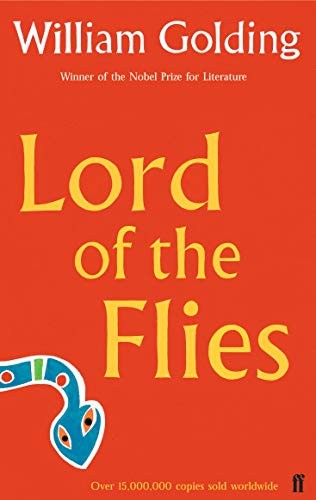
Stranded boys descend into savagery.
Best for: readers who like group hysteria.
5. 1984 by George Orwell
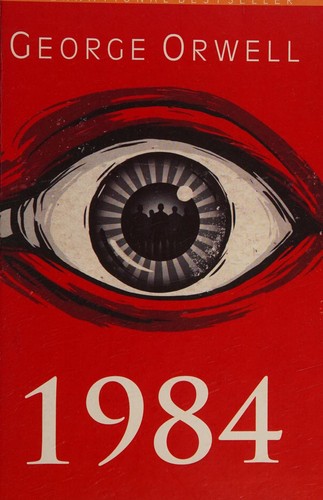
A man rebels against a government that watches everything.
Best for: readers who like totalitarian fear.
6. To Kill a Mockingbird by Harper Lee
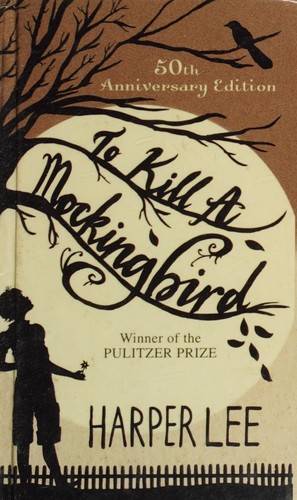
A lawyer defends a Black man in a racist town.
Best for: readers who like false accusations.
7. The Witch of Blackbird Pond by Elizabeth George Speare
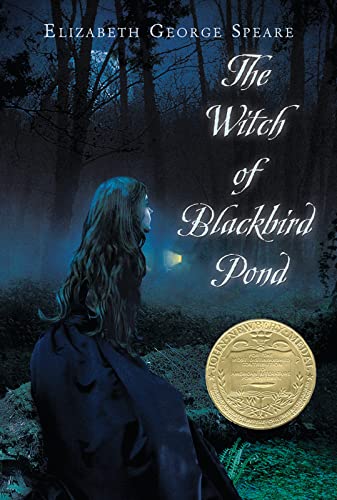
A girl in colonial Connecticut is accused of witchcraft.
Best for: younger readers.
8. The Witches: Salem, 1692 by Stacy Schiff
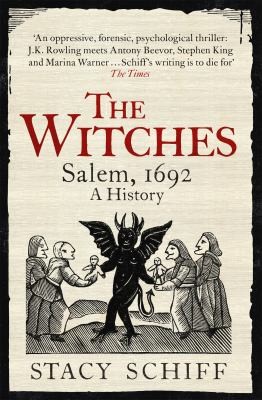
A history of the Salem witch trials.
Best for: readers who want the real history.
9. Conversion by Katherine Howe
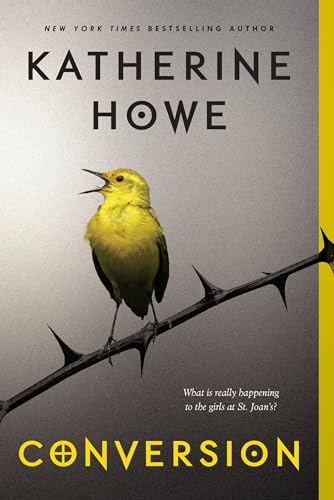
Girls at a modern school fall mysteriously ill.
Best for: readers who like modern parallels.
10. The Physick Book of Deliverance Dane by Katherine Howe
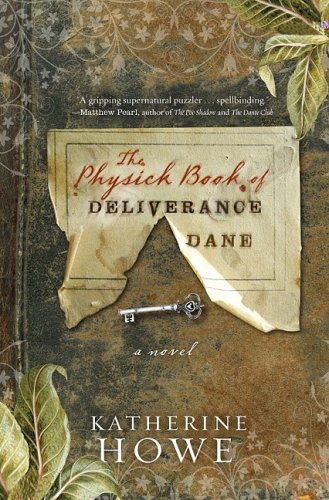
A student uncovers a Salem witch's book.
Best for: readers who like Salem mysteries.
11. We Have Always Lived in the Castle by Shirley Jackson
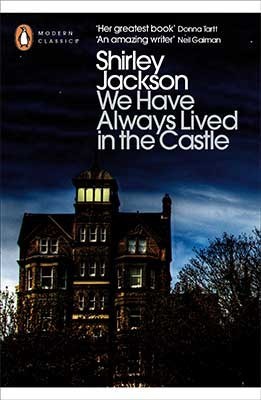
Two sisters live apart from a hostile village.
Best for: readers who like villages turning on outsiders.
12. The Lottery and Other Stories by Shirley Jackson
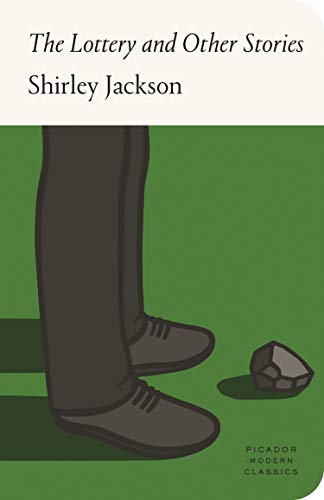
A town follows a terrible ritual.
Best for: readers who like dark small towns.
13. Animal Farm by George Orwell
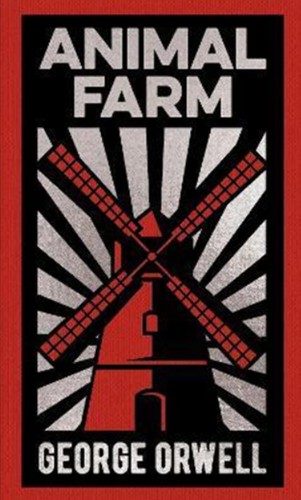
Farm animals find new tyrants.
Best for: readers who like political allegory.
14. Twelve Angry Men by Reginald Rose
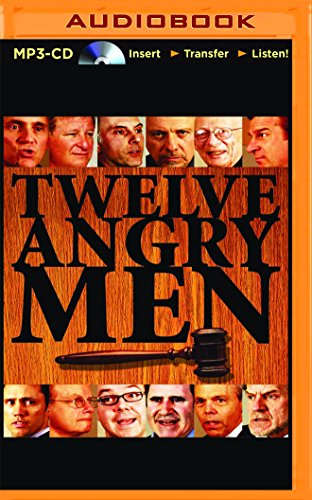
A juror persuades the others to reconsider a verdict.
Best for: readers who like one man resisting a crowd.
15. The Children's Hour by Lillian Hellman
A child's lie destroys two teachers' lives.
Best for: readers who like accusations on stage.
How We Chose These Books
Every pick is a real, widely available book that shares something specific with The Crucible: its tone, its themes, its pace or the kind of characters it puts at the center. We mixed well-known favorites with a few less obvious titles, and we noted who each book suits best so you can match it to the reader. Where a book belongs to a series, we list the first volume so you can start at the beginning.
If you are not sure where to begin, start with the first three picks in the table: they are the closest match to The Crucible. The rest of the list moves further out, so it works well once you know which part of the original you liked most. If a pick is part of a longer series, read the first book before you commit, and check the age or content notes in the table before passing a book to a younger reader.
How to Choose
For more Miller, Death of a Salesman is his other essential play. For the history, The Witches: Salem, 1692 is detailed and gripping. If you enjoyed the theme of truth versus the crowd, read An Enemy of the People and To Kill a Mockingbird. For teen readers, The Witch of Blackbird Pond and Conversion are great entry points. Lord of the Flies shows how quickly order can collapse.
Related: We Have Always Lived in the Castle by Shirley Jackson: Summary and Key Takeaways
Frequently Asked Questions
What is The Crucible about?
It dramatizes the Salem witch trials, showing how fear and lies destroy a community.
Is The Crucible based on a true story?
Yes. It is based on the real Salem witch trials of 1692, with some changes.
What is the play an allegory for?
Miller wrote it as a response to McCarthyism and the anti-communist hearings of the 1950s.
Who is John Proctor?
A farmer who refuses to sign a false confession to save his life.
Is there a movie?
Yes. A 1996 film starred Daniel Day-Lewis and Winona Ryder.