

Disclosure: As an Amazon Associate, Bookish Wisdom earns from qualifying purchases. This doesn't change our picks or your price.
Quick answer: If you liked The Energy Bus, read Jon Gordon's The Carpenter and The No Complaining Rule, plus Who Moved My Cheese? and Fish! All are short, story-style books that teach positive thinking, teamwork and attitude at work.
Jon Gordon's The Energy Bus is a short business fable about George, a man whose life is falling apart until a bus driver named Joy teaches him ten rules for the ride of his life. It is simple, upbeat and easy to share with a team. The books below offer similar quick, motivating stories and practical habits.
Table of Contents
Quick Picks at a Glance
| Book | Author | Ages | Best For |
|---|---|---|---|
| The Carpenter | Jon Gordon | Adult | more Gordon |
| The No Complaining Rule | Jon Gordon | Adult | positive workplaces |
| The Seed | Jon Gordon | Adult | finding your purpose |
| Who Moved My Cheese? | Spencer Johnson | Adult | handling change |
| Fish! | Stephen C. Lundin, Harry Paul and John Christensen | Adult | joyful work |
| The Go-Giver | Bob Burg and John David Mann | Adult | generosity in business |
| The One Minute Manager | Kenneth Blanchard and Spencer Johnson | Adult | quick management |
| Leadership and Self-Deception | The Arbinger Institute | Adult | seeing others clearly |
| The 5 AM Club | Robin Sharma | Adult | morning routine |
| Atomic Habits | James Clear | Adult | small changes |
| Mindset | Carol S. Dweck | Adult | growth versus fixed |
| The Obstacle Is the Way | Ryan Holiday | Adult | turning problems into fuel |
| Grit | Angela Duckworth | Adult | perseverance |
| Positivity | Barbara L. Fredrickson | Adult | science of positive emotion |
| Daring Greatly | Brene Brown | Adult | courage and vulnerability |
1. The Carpenter by Jon Gordon
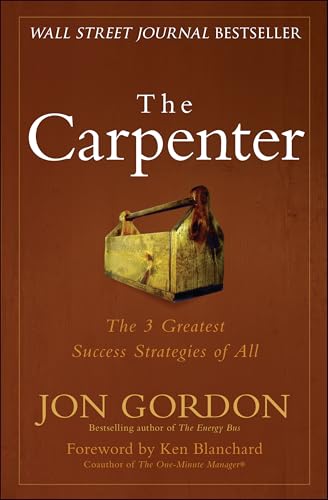
A young man learns about building a better life from a carpenter mentor. Another short fable with clear lessons about work and character.
Best for: more Gordon.
2. The No Complaining Rule by Jon Gordon
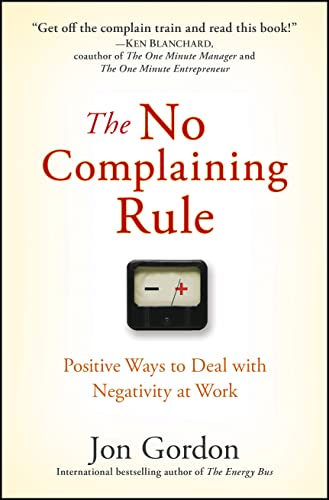
Gordon explains how to cut negativity and build a more positive team. Practical and short, with a focus on culture.
Best for: positive workplaces.
3. The Seed by Jon Gordon
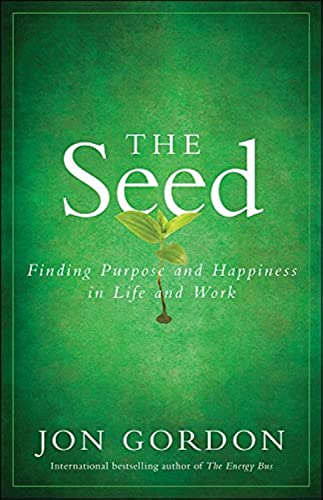
A short story about planting the seed of your own unique gift. Warm and encouraging.
Best for: finding your purpose.
4. Who Moved My Cheese? by Spencer Johnson
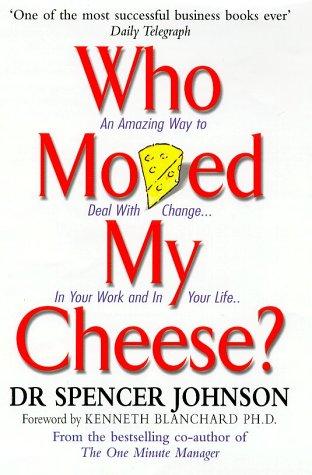
Two mice and two little people deal with a disappearing food supply. A tiny classic about adapting to change.
Best for: handling change.
5. Fish! by Stephen C. Lundin, Harry Paul and John Christensen
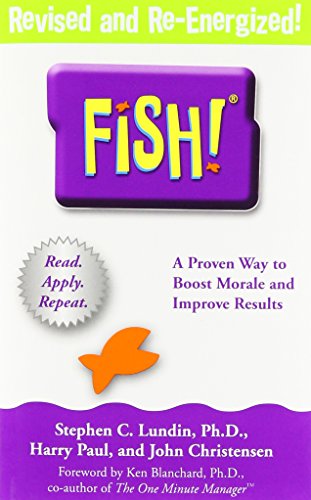
A manager learns to improve morale from a Seattle fish market. A cheerful business parable.
Best for: joyful work.
6. The Go-Giver by Bob Burg and John David Mann
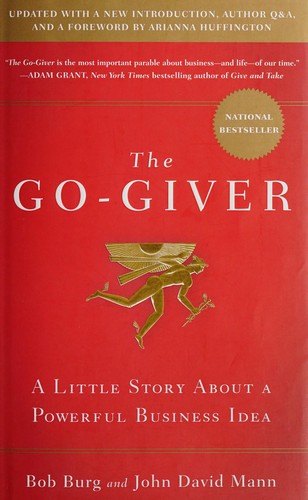
A young man learns five laws of success from a wise mentor. Simple, kind and memorable.
Best for: generosity in business.
7. The One Minute Manager by Kenneth Blanchard and Spencer Johnson
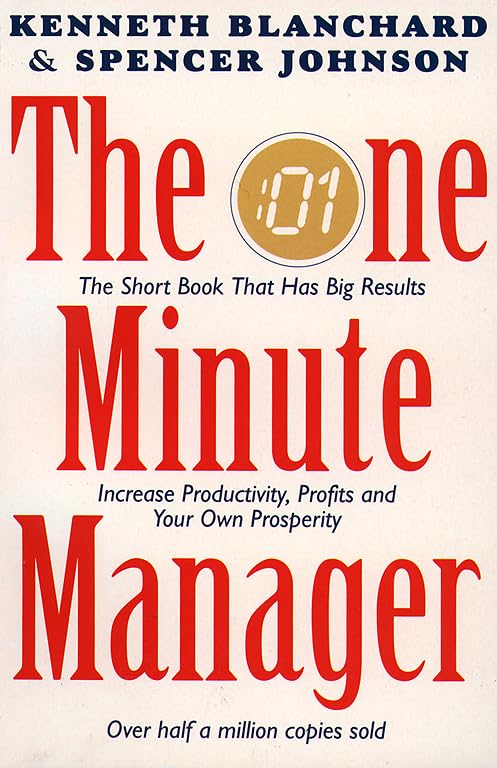
A young man seeks a manager who gets results with little time. A classic in the fable format.
Best for: quick management.
8. Leadership and Self-Deception by The Arbinger Institute
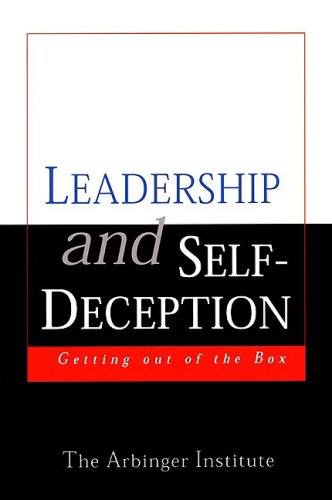
A story about how we trap ourselves in a self-centred mindset. Thought-provoking and practical.
Best for: seeing others clearly.
9. The 5 AM Club by Robin Sharma
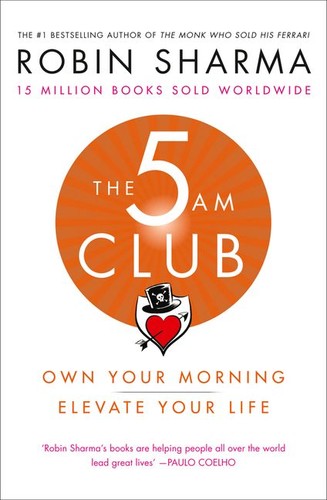
A fable about waking early to improve life. Popular, though some find it repetitive.
Best for: morning routine.
10. Atomic Habits by James Clear
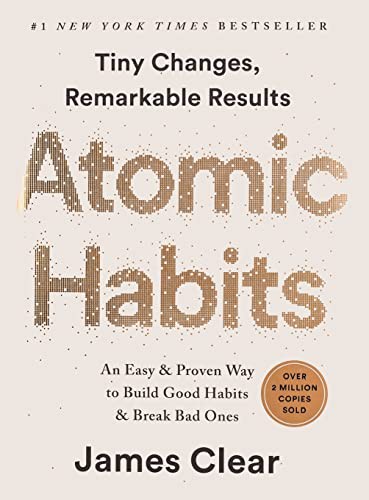
Clear shows how tiny habits add up to big results. Practical, well organised and widely loved.
Best for: small changes.
11. Mindset by Carol S. Dweck
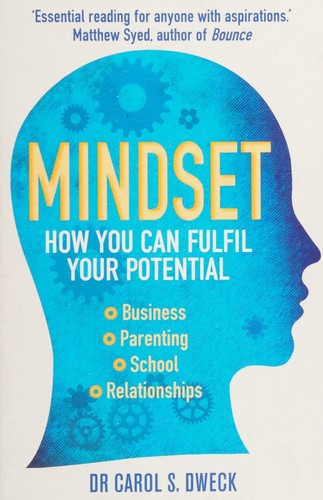
Dweck explains how beliefs about ability shape success. A foundation for positive change.
Best for: growth versus fixed.
12. The Obstacle Is the Way by Ryan Holiday
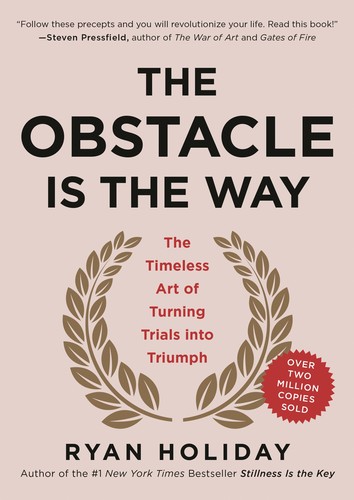
Stoic lessons applied to modern challenges. Direct and motivating.
Best for: turning problems into fuel.
13. Grit by Angela Duckworth
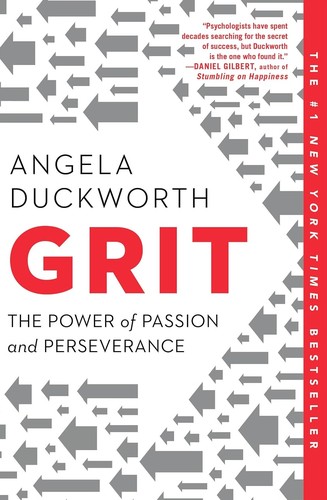
Duckworth looks at why effort and passion matter. Research-led and encouraging.
Best for: perseverance.
14. Positivity by Barbara L. Fredrickson
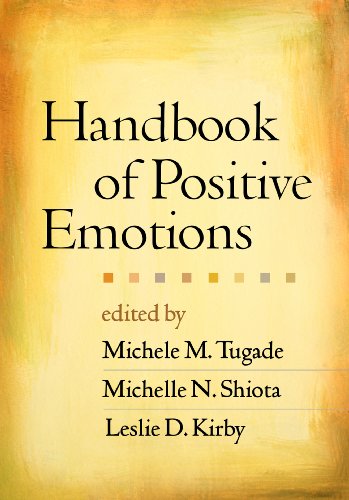
A psychologist explains how positive emotions broaden our thinking. Evidence-based and readable.
Best for: science of positive emotion.
15. Daring Greatly by Brene Brown
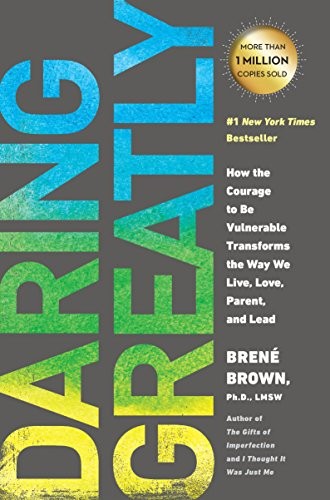
Brown explores why vulnerability matters at work and at home. Thoughtful and widely recommended.
Best for: courage and vulnerability.
How to Choose
If you want more fables, choose The Carpenter, Who Moved My Cheese? or The Go-Giver. For workplace culture pick The No Complaining Rule or Fish! For habits and mindset read Atomic Habits or Mindset. For resilience try The Obstacle Is the Way or Grit. Because The Energy Bus is short, you can read one fable in an afternoon and apply one idea the next day. Teams often read these books together and discuss one rule or lesson each week, which keeps the ideas fresh. If you only have time for one more, pick the one that matches your goal. Choose Who Moved My Cheese? if you are facing change, The Go-Giver if you work with customers, Atomic Habits if you want a system, and Mindset if you want to understand why effort pays off. Short fables are easy to finish in a sitting, so they work well as a starter before longer self-help books.
Related: 15 Best Books on the Montgomery Bus Boycott: Rosa Parks, MLK and the Movement · 12 Dystopian Books Like the Hunger Games | Best Books to Read Like Hunger Games
Frequently Asked Questions
What is The Energy Bus about?
A man learns ten rules for creating positive energy from a bus driver named Joy.
Who wrote it?
Jon Gordon.
When was it published?
2007.
Is it a long book?
No, it is a short book of around 150 pages.
What are the ten rules?
They include “You are the driver of your bus” and “Desire, vision and focus move your bus in the right direction.”
Is it only for work?
No, it also applies to family and personal goals.
Is it fiction?
It is a business fable, which is a fictional story used to teach lessons.
What should I read next?
Try The Carpenter or Atomic Habits.
Is The Energy Bus based on a true story?
It is a fictional parable, but the principles come from Gordon's work with teams and organisations.
Can I use it with a team?
Yes. Many managers assign one rule per week and discuss it in meetings.