

Disclosure: As an Amazon Associate, Bookish Wisdom earns from qualifying purchases. This doesn’t change our picks or your price.
Quick answer: If your child loved The Giver by Lois Lowry, try Gathering Blue by Lois Lowry, The City of Ember by Jeanne DuPrau, Among the Hidden by Margaret Peterson Haddix, Uglies by Scott Westerfeld, The Hunger Games by Suzanne Collins and The House of the Scorpion by Nancy Farmer.
The Giver takes place in a seemingly perfect community where there’s no pain, no war, no color and no choice. At twelve, Jonas is chosen to become the Receiver of Memory and slowly discovers what his society has given up to stay safe. Lois Lowry’s Newbery Medal winner is a school staple and one of the best-known dystopian novels for young readers. If your child finished it and wants something similar, the picks below offer controlled societies, secrets and young heroes who question the rules. Most suit ages 10 to 14, with a few classics for older readers.
Table of Contents
Why Readers Love The Giver
Readers love The Giver because it asks big questions in a small book. Is a world without pain worth a world without choice? Lowry’s quiet, precise writing makes the community feel disturbingly calm, so the moments when Jonas sees color or feels a memory of snow are powerful. The ending is open to interpretation, which has led to years of classroom debates. The book also works as a first step into more mature dystopian stories, because it deals with serious ideas, including euthanasia, in a restrained way.
How We Chose These Books
Every pick below shares at least one thing readers loved about The Giver: its characters, its mood, its setting or the questions it raises. We mixed well-known favorites with a few less obvious choices, and we noted the genre and who each book suits best in the table, so you can scan for the right fit before you read the blurbs.
We kept every description spoiler-free and flagged mature content where it matters, since some of these books are written for adults and others suit teens. If you’re not sure where to start, the tips near the end of this list match each pick to what you loved most. The FAQ at the bottom answers the questions readers ask most often.
Quick Picks at a Glance
| Book | Author | Ages | Best For |
|---|---|---|---|
| Gathering Blue | Lois Lowry | 10–14 | The companion |
| Messenger | Lois Lowry | 10–14 | Third in the quartet |
| Son | Lois Lowry | 11–14 | The conclusion |
| Among the Hidden | Margaret Peterson Haddix | 9–13 | Rules and rebellion |
| The City of Ember | Jeanne DuPrau | 9–13 | Mysteries in a closed world |
| Uglies | Scott Westerfeld | 12–15 | Society and identity |
| Matched | Ally Condie | 12–15 | Choices and control |
| The Hunger Games | Suzanne Collins | 12+ | The famous next step |
| Unwind | Neal Shusterman | 13+ | Ethical dilemmas for teens |
| The House of the Scorpion | Nancy Farmer | 12–15 | A rich, complex world |
| Fahrenheit 451 | Ray Bradbury | 13+ | A classic of control |
| Animal Farm | George Orwell | 12+ | A fable about power |
| 1984 | George Orwell | 14+ | The classic dystopia |
| The Maze Runner | James Dashner | 12+ | Mystery and action |
| Scythe | Neal Shusterman | 13+ | Big ideas and morals |
1. Gathering Blue by Lois Lowry
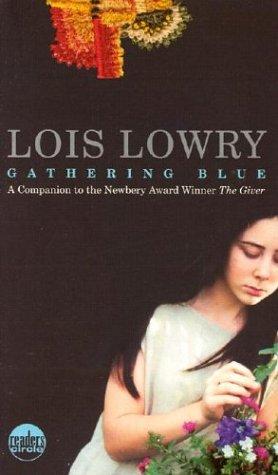
Kira, a young girl with a twisted leg, is taken to be the community’s weaver and discovers dark secrets about her world. It’s set in the same universe as The Giver but is a separate story.
2. Messenger by Lois Lowry
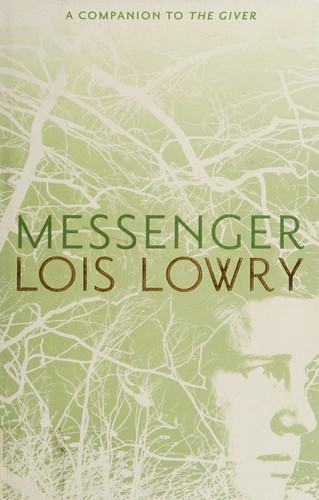
Matty, a young messenger, tries to protect a village that is changing for the worse. It brings characters from the first two books together. It’s quieter but emotional.
3. Son by Lois Lowry
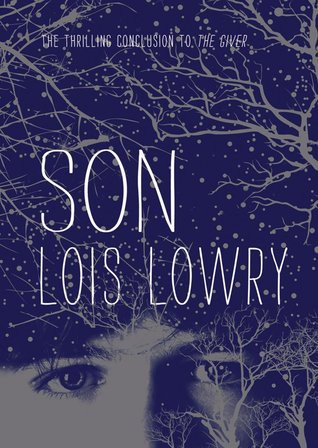
The final book follows Claire, who gave birth to a child in The Giver’s community, as she searches for him. It ties the quartet together and explores love and memory.
4. Among the Hidden by Margaret Peterson Haddix
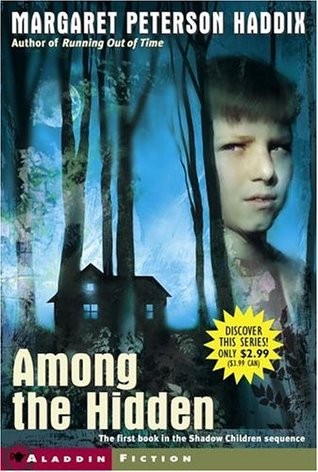
In a world where families are limited to two children, Luke is a third child who must stay hidden. It’s the first of a series, and it’s gripping and accessible.
5. The City of Ember by Jeanne DuPrau
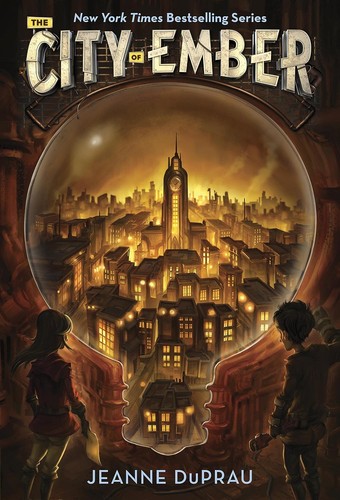
In a city built underground with a failing power supply, two kids search for a way out. It’s atmospheric and full of puzzles, and a good choice for younger readers.
6. Uglies by Scott Westerfeld
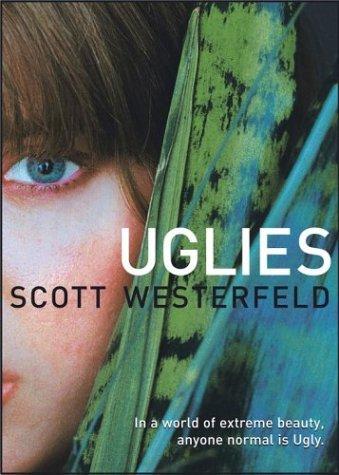
At sixteen, everyone gets surgery to become pretty. Tally learns the dark truth behind the operation. It’s fast-paced and raises questions about beauty and conformity.
7. Matched by Ally Condie
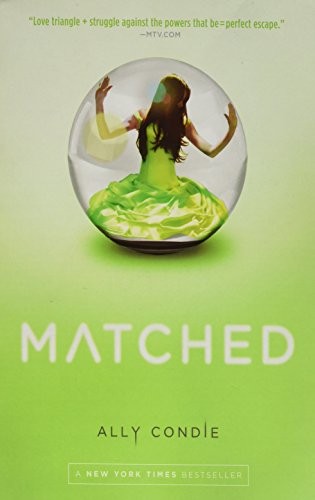
In a society that chooses your job and spouse, Cassia sees a second face on her match screen and begins to question everything. It’s a gentle romance with a dystopian setting.
8. The Hunger Games by Suzanne Collins
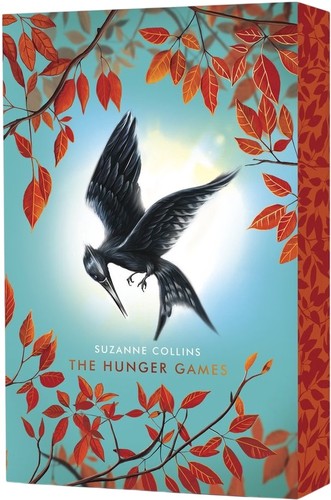
Katniss volunteers for a televised fight to the death to save her sister. It’s more violent than The Giver, so best for teens, but it’s the most popular dystopian book for young readers.
9. Unwind by Neal Shusterman
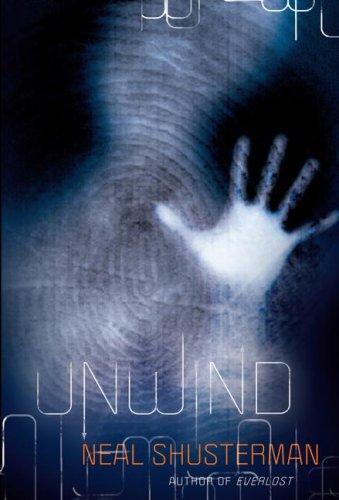
In a future where teens can be unwound, three runaways fight to survive. It’s dark and thoughtful and best for mature readers.
10. The House of the Scorpion by Nancy Farmer
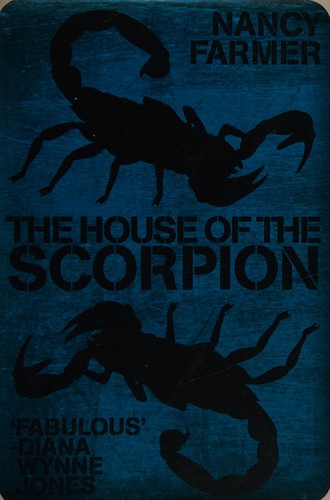
A boy who is a clone of a drug lord grows up with no rights in a future country. It won the Newbery Honor and the National Book Award.
11. Fahrenheit 451 by Ray Bradbury
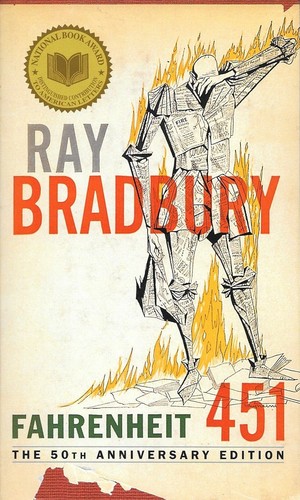
A fireman who burns books begins to question his work. It’s a short, powerful classic about censorship and thought.
12. Animal Farm by George Orwell
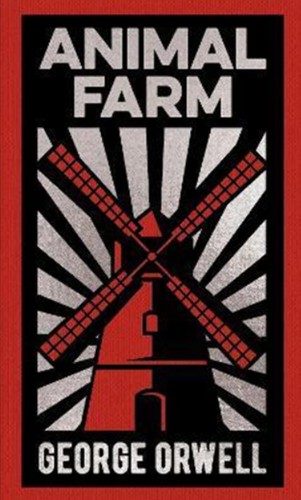
The animals of a farm take over and soon become as corrupt as their former masters. It’s a short allegory that works well as an introduction to political stories.
13. 1984 by George Orwell
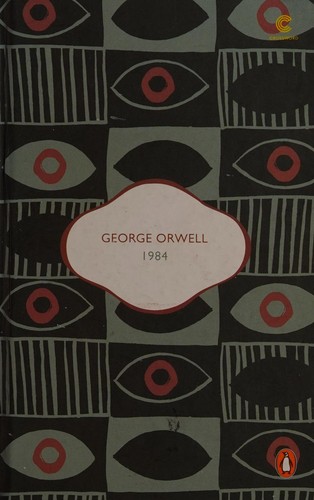
Winston Smith lives under constant surveillance and tries to resist a powerful regime. It’s long and dark, a classic for older teens.
14. The Maze Runner by James Dashner
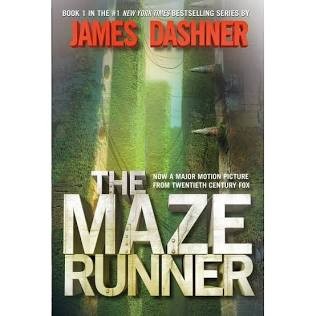
Thomas wakes in a glade surrounded by a giant maze with no memory. It’s fast-paced and full of mysteries.
15. Scythe by Neal Shusterman
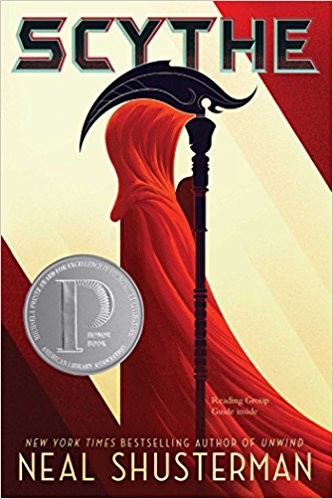
Two teens train to become scythes who end lives in a world without death. It’s original and gripping, with big ethical questions.
How to Pick Your Child’s Next Read After The Giver
- Want more Lowry? Gathering Blue, Messenger and Son.
- Want a younger option? The City of Ember and Among the Hidden.
- Want a teen dystopia? Uglies, Matched and The Hunger Games.
- Want a classic? Fahrenheit 451 and Animal Farm.
- Want ethical questions? Unwind and Scythe.
- Talk about it. Ask what your child would keep or give up.
The Giver Quartet in Order
The Giver is the first of four connected books: The Giver, Gathering Blue, Messenger and Son. They aren’t a simple series, because the first three are set in different communities, and the fourth ties them together. You can read them in order, but many readers enjoy Gathering Blue and Messenger as standalone follow-ups. Fans often recommend reading Son last, because it fills in details about the earlier story.
Talking About The Giver With Your Child
The Giver is an excellent book to discuss. Ask what your child would give up for safety, whether they think Jonas made the right choice at the end and what they would want to remember. Many classrooms pair it with the movie adaptation, which changes some details and ages the characters. If your child enjoys these conversations, other books on this list, such as Unwind and The House of the Scorpion, raise similar ethical questions for older readers.
Dystopian Books by Reading Level
Not every dystopian book is right for every reader. For ages 9 to 11, start with The City of Ember and Among the Hidden. For ages 11 to 13, The Giver, Gathering Blue and Uglies fit well. For ages 13 and up, The Hunger Games, Unwind and Scythe offer more violence and bigger ideas. Classics such as Animal Farm, Fahrenheit 451 and 1984 are usually taught in middle and high school. If your child isn’t sure, let them read the opening pages in the bookstore or library and choose a book they can’t put down.
Why Dystopian Fiction Appeals to Kids
Young readers are at an age when they’re thinking about fairness, rules and who gets to decide. Dystopian stories let them explore those questions safely. They imagine what happens when a society chooses safety over freedom, or beauty over honesty, and they root for a hero who questions authority. These books also encourage empathy, because the heroes often discover how much suffering the society hides. If your child enjoys them, you can discuss real-world connections gently, such as why people value privacy, free speech and choice.
Pairing a Dystopian Novel With Nonfiction
If your child wants to know more about the real ideas behind these stories, pair a novel with an age-appropriate nonfiction book. After The Giver, you might read a children’s history of the 20th century, or a book about how societies make rules. After Fahrenheit 451, a short history of the printing press or of banned books can bring the story to life. Libraries often have book lists that match novels with nonfiction. This turns a fun read into a learning project, and kids often enjoy discovering that the ideas in their favorite stories have a real history.
Should You Watch the Movie of The Giver?
A film version starring Brenton Thwaites and Jeff Bridges was released in 2014, and it changes several details from the book. Jonas and his friends are older, there is a more traditional action ending and the feeling of quiet unease is partly lost. Many teachers use the film after finishing the book to ask students what changed and why, and it can be a fun way to practice comparing stories. If your child is a younger reader, it’s worth reading the book first, since the book’s slow reveal of the community’s secrets is one of its strongest features. Watching afterward lets them compare their own mental images to the film.
Related: what age The Giver is appropriate for and books like Divergent.
Frequently Asked Questions
What book is most like The Giver?
Gathering Blue, Lois Lowry’s companion, is the closest. The City of Ember and Among the Hidden are good matches for younger readers.
What age is The Giver for?
The Giver is usually read in grades 6–8, ages 11 to 14. It includes some mature themes, but the writing is restrained.
Is there a sequel to The Giver?
Yes. Gathering Blue, Messenger and Son connect to it, though they have different main characters.
What does the ending of The Giver mean?
The ending is deliberately open, and readers debate whether Jonas and Gabriel survive. Lowry has said she wants readers to decide.
What are other dystopian books for middle school?
The City of Ember, Among the Hidden, The Maze Runner and Uglies are good middle-school picks.