

Disclosure: As an Amazon Associate, Bookish Wisdom earns from qualifying purchases. This doesn't change our picks or your price.
Quick answer: If you loved The Help, try Go Set a Watchman, The Invention of Wings, To Kill a Mockingbird, The Color Purple, Their Eyes Were Watching God and Small Great Things. Each one explores race, friendship, courage and Southern life through unforgettable characters.
Kathryn Stockett's bestseller is set in Jackson, Mississippi, in 1962. A young white writer named Skeeter secretly interviews Black maids, including Aibileen and Minny, about their working lives. Readers love its humor, its tension and its warm characters. It has also been criticized for how it portrays Black lives from a white author's perspective, so this list includes books by Black writers who tell these stories from within. These books share its social history and its compelling women.
Table of Contents
Quick Picks at a Glance
| Book | Author | Setting | Best For |
|---|---|---|---|
| Go Set a Watchman | Harper Lee | Alabama | readers who like coming home to the South |
| The Invention of Wings | Sue Monk Kidd | Charleston | readers who want Southern history |
| To Kill a Mockingbird | Harper Lee | Alabama | readers who want the classic |
| The Color Purple | Alice Walker | Georgia | readers who want a powerful Black voice |
| Their Eyes Were Watching God | Zora Neale Hurston | Florida | readers who like a classic heroine |
| Small Great Things | Jodi Picoult | Connecticut | readers who want modern race and justice |
| Such a Fun Age | Kiley Reid | Philadelphia | readers who like modern satire |
| The Vanishing Half | Brit Bennett | Louisiana | readers who like family and identity |
| The Personal Librarian | Marie Benedict and Victoria Christopher Murray | New York | readers who love real-life history |
| Yellow Crocus | Laila Ibrahim | Virginia | readers who like caregiver bonds |
| The Kitchen House | Kathleen Grissom | Virginia | readers who like plantation drama |
| Necessary Lies | Diane Chamberlain | North Carolina | readers who want social history |
| Fried Green Tomatoes at the Whistle Stop Cafe | Fannie Flagg | Alabama | readers who love humor and friendship |
| Roll of Thunder, Hear My Cry | Mildred D. Taylor | Mississippi | younger readers |
| The Water Dancer | Ta-Nehisi Coates | Virginia | readers who want magic and history |
1. Go Set a Watchman by Harper Lee
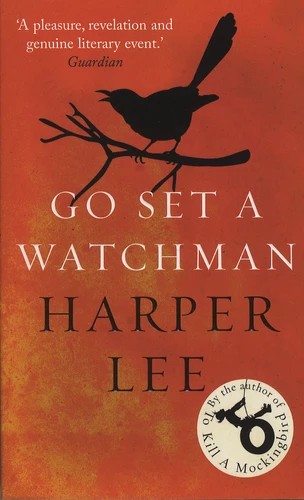
A grown Scout returns to Maycomb and sees her father differently.
Best for: readers who like coming home to the South.
2. The Invention of Wings by Sue Monk Kidd
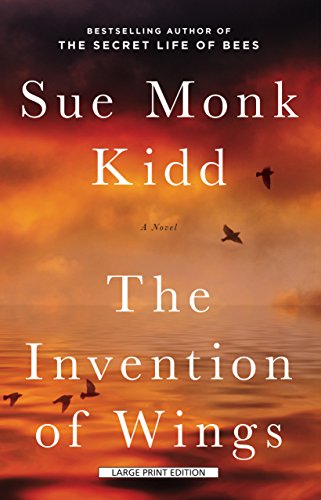
A real abolitionist's life is told alongside that of an enslaved girl.
Best for: readers who want Southern history.
3. To Kill a Mockingbird by Harper Lee
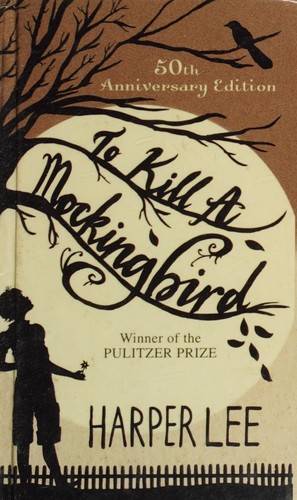
A girl watches her father defend a Black man in a 1930s trial.
Best for: readers who want the classic.
4. The Color Purple by Alice Walker
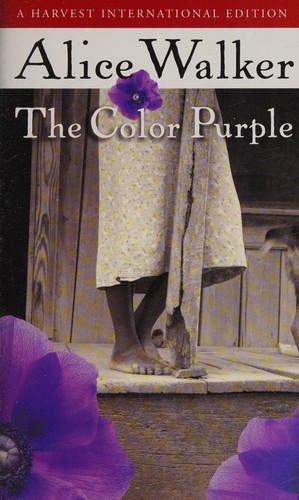
A Black woman in the rural South finds her strength through sisterhood.
Best for: readers who want a powerful Black voice.
5. Their Eyes Were Watching God by Zora Neale Hurston
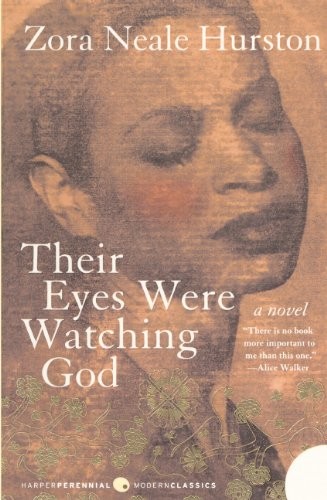
A Black woman in early-1900s Florida seeks a life of her own.
Best for: readers who like a classic heroine.
6. Small Great Things by Jodi Picoult
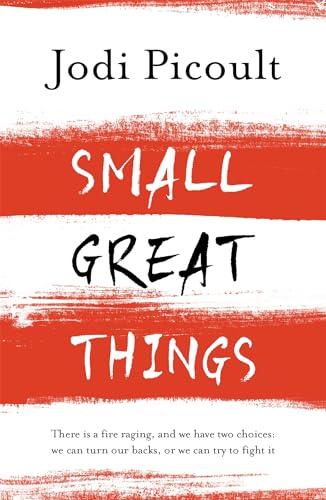
A Black nurse goes on trial after a white supremacist's baby dies in her care.
Best for: readers who want modern race and justice.
7. Such a Fun Age by Kiley Reid
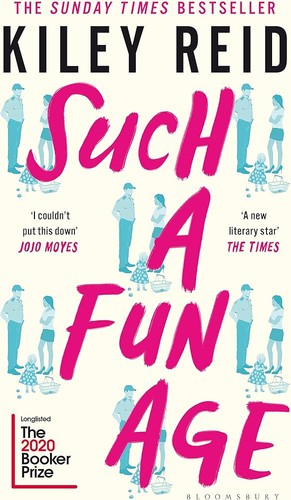
A young Black babysitter and her white boss clash after a racist incident.
Best for: readers who like modern satire.
8. The Vanishing Half by Brit Bennett
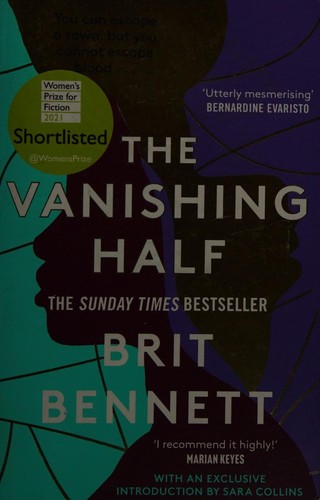
Twin sisters choose to live on opposite sides of the color line.
Best for: readers who like family and identity.
9. The Personal Librarian by Marie Benedict and Victoria Christopher Murray
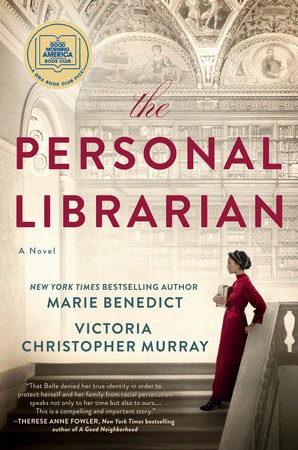
J.P. Morgan's librarian hides her identity as a Black woman.
Best for: readers who love real-life history.
10. Yellow Crocus by Laila Ibrahim
An enslaved nurse raises a white girl in the 1830s.
Best for: readers who like caregiver bonds.
11. The Kitchen House by Kathleen Grissom
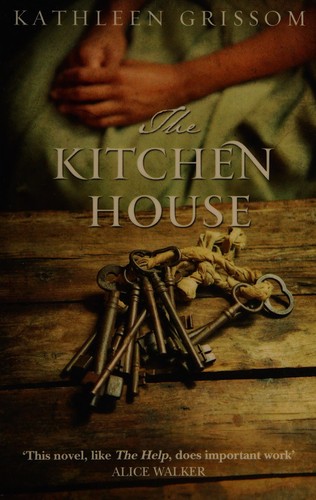
An Irish orphan is placed with enslaved workers in a plantation kitchen.
Best for: readers who like plantation drama.
12. Necessary Lies by Diane Chamberlain
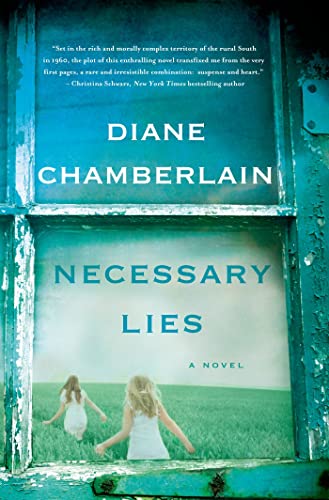
A social worker in 1960 faces forced sterilization programs.
Best for: readers who want social history.
13. Fried Green Tomatoes at the Whistle Stop Cafe by Fannie Flagg
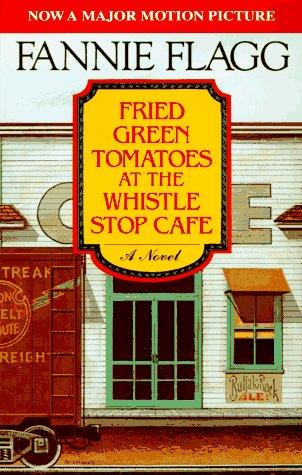
An older woman tells stories about a small Alabama cafe.
Best for: readers who love humor and friendship.
14. Roll of Thunder, Hear My Cry by Mildred D. Taylor
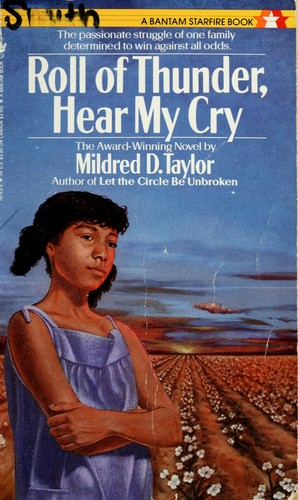
A Black family in Mississippi fights to keep its land during the Depression.
Best for: younger readers.
15. The Water Dancer by Ta-Nehisi Coates
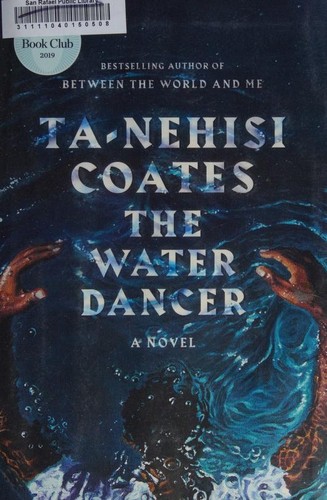
An enslaved young man discovers a mysterious power of memory.
Best for: readers who want magic and history.
How to Choose
Fried Green Tomatoes at the Whistle Stop Cafe is probably the closest in mood, offering humor and warmth. For a stronger sense of history, To Kill a Mockingbird and Necessary Lies show the same injustice through a white perspective, while The Color Purple, Their Eyes Were Watching God and Roll of Thunder, Hear My Cry are written by Black women and bring you closer to those experiences. For present-day stories about race and employment, try Such a Fun Age and Small Great Things. Readers who like a family saga will love The Vanishing Half. The Kitchen House is also popular, though it is quite brutal in places, so check content notes first.
Related: The Help Book Club Discussion Questions (With Summary and Themes) · Summaries of the Best Self Help Books Ever Written | Top 10 Self Help Books of All Time
Frequently Asked Questions
What is The Help about?
A young white woman in 1960s Mississippi writes a book exposing the lives of Black maids who work for white families.
Is The Help a true story?
No. It is fiction, although it draws on the real conditions of domestic workers in the Jim Crow South.
Why is The Help controversial?
Critics argue that it centers a white savior and portrays Black dialect and lives in a limited way.
Is there a movie of The Help?
Yes. The 2011 film earned Octavia Spencer an Oscar for her role as Minny.
What year does The Help take place?
The story begins in 1962, during the civil rights movement.