

Disclosure: As an Amazon Associate, Bookish Wisdom earns from qualifying purchases. This doesn't change our picks or your price.
Quick answer: If you loved The Immortal Life of Henrietta Lacks, read Medical Apartheid, The Emperor of All Maladies, Mountains Beyond Mountains and The Spirit Catches You and You Fall Down. All reveal the human stories behind medicine and science.
Rebecca Skloot's 2010 bestseller tells how cells taken from a Black woman, Henrietta Lacks, in 1951 became a key tool of science while her family knew nothing. The books below explore medicine, ethics, race and people. All are nonfiction, and all are real, in-print books.
Table of Contents
Quick Picks at a Glance
| Book | Author | Ages | Best For |
|---|---|---|---|
| Medical Apartheid | Harriet A. Washington | Adult | history of research ethics |
| The Emperor of All Maladies | Siddhartha Mukherjee | Adult | medical history |
| The Gene: An Intimate History | Siddhartha Mukherjee | Adult | genetics |
| Being Mortal | Atul Gawande | Adult | end-of-life care |
| Spillover | David Quammen | Adult | disease and animals |
| Mountains Beyond Mountains | Tracy Kidder | Adult | global health |
| The Spirit Catches You and You Fall Down | Anne Fadiman | Adult | cultural conflict |
| Bad Blood: The Tuskegee Syphilis Experiment | James H. Jones | Adult | medical scandals |
| Black Man in a White Coat | Damon Tweedy | Adult | race in medicine |
| Complications | Atul Gawande | Adult | surgical stories |
| When Breath Becomes Air | Paul Kalanithi | Adult | reflective memoir |
| Take My Hand | Dolen Perkins-Valdez | Adult | fiction from fact |
| Just Mercy | Bryan Stevenson | Adult | justice and race |
| Do No Harm | Henry Marsh | Adult | surgeon's view |
| The Hot Zone | Richard Preston | Adult | outbreak thrillers |
1. Medical Apartheid by Harriet A. Washington
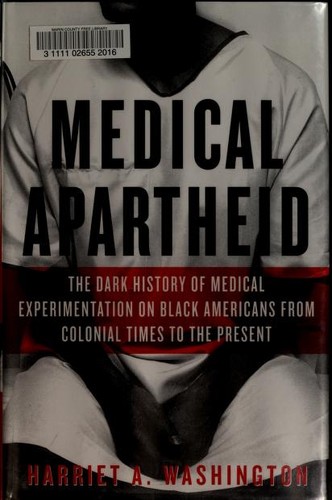
A history of medical experimentation on Black Americans. Detailed and disturbing.
Best for: history of research ethics.
2. The Emperor of All Maladies by Siddhartha Mukherjee
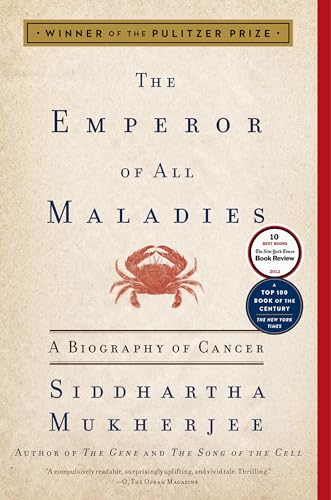
A biography of cancer, from ancient times to modern treatments. Long and rich.
Best for: medical history.
3. The Gene: An Intimate History by Siddhartha Mukherjee
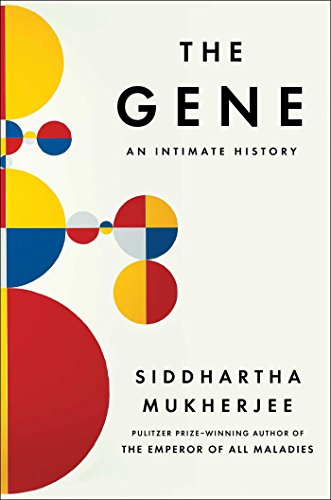
A history of genetics, with a family story of mental illness. Clear and moving.
Best for: genetics.
4. Being Mortal by Atul Gawande
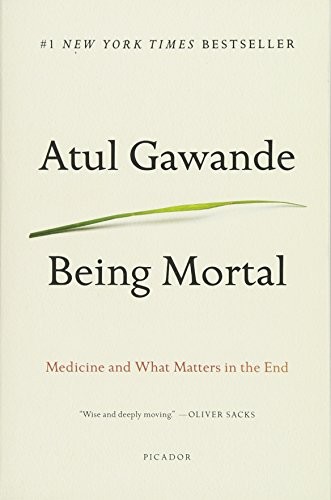
A surgeon examines aging, illness and end-of-life care. Clear and humane.
Best for: end-of-life care.
5. Spillover by David Quammen
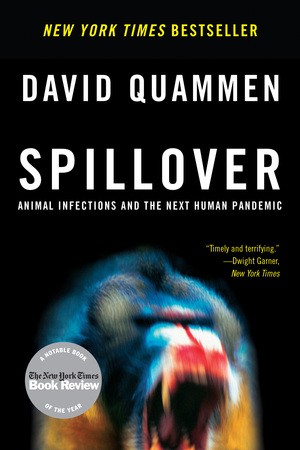
Explores how animal diseases jump to humans. Thorough and gripping.
Best for: disease and animals.
6. Mountains Beyond Mountains by Tracy Kidder
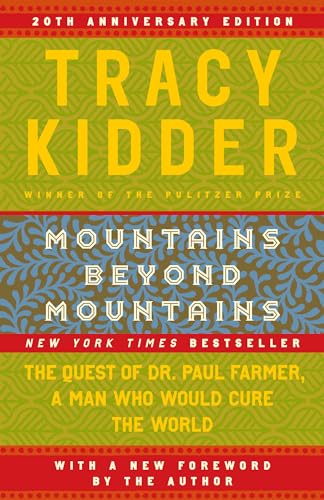
The story of Paul Farmer's work for global health. Inspiring and detailed.
Best for: global health.
7. The Spirit Catches You and You Fall Down by Anne Fadiman
A Hmong child with epilepsy and the clash between her family and American doctors. Empathetic and sad.
Best for: cultural conflict.
8. Bad Blood: The Tuskegee Syphilis Experiment by James H. Jones
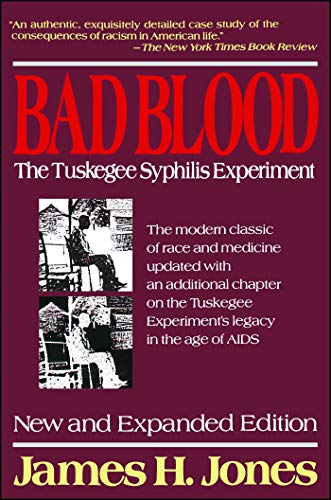
The history of the infamous Tuskegee study. Clear and angry.
Best for: medical scandals.
9. Black Man in a White Coat by Damon Tweedy
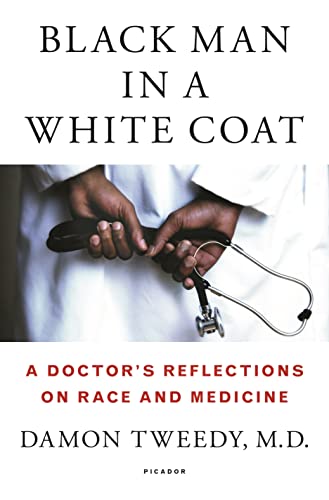
A Black doctor reflects on race and medicine. Honest and thoughtful.
Best for: race in medicine.
10. Complications by Atul Gawande
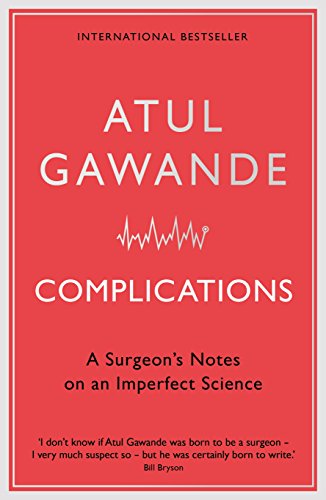
A surgeon writes about the imperfect science of surgery. Curious and honest.
Best for: surgical stories.
11. When Breath Becomes Air by Paul Kalanithi
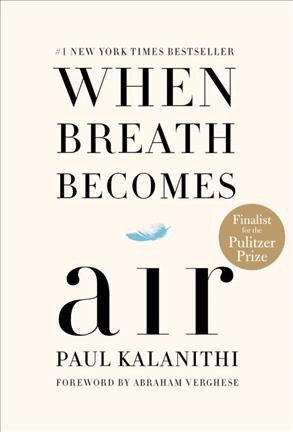
A neurosurgeon faces terminal cancer and reflects on meaning. Moving and brief.
Best for: reflective memoir.
12. Take My Hand by Dolen Perkins-Valdez
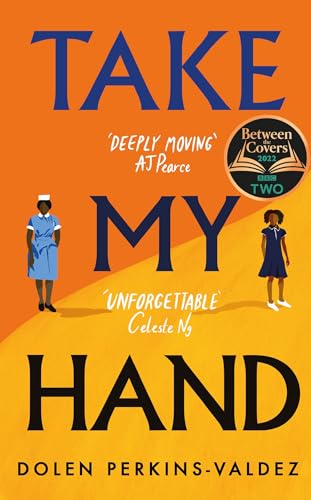
A nurse in 1973 Alabama learns that two girls were sterilized without consent. Based on a real case.
Best for: fiction from fact.
13. Just Mercy by Bryan Stevenson
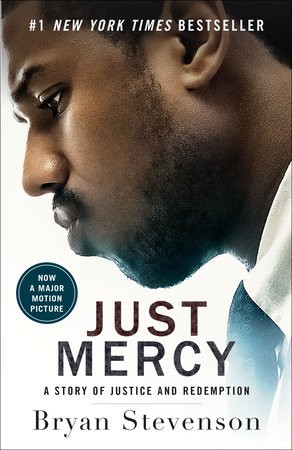
A lawyer describes his work defending death-row prisoners. A moving nonfiction companion.
Best for: justice and race.
14. Do No Harm by Henry Marsh
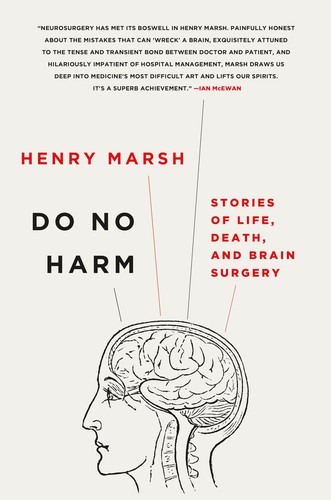
A neurosurgeon's frank memoir of triumphs and mistakes. Honest and human.
Best for: surgeon's view.
15. The Hot Zone by Richard Preston
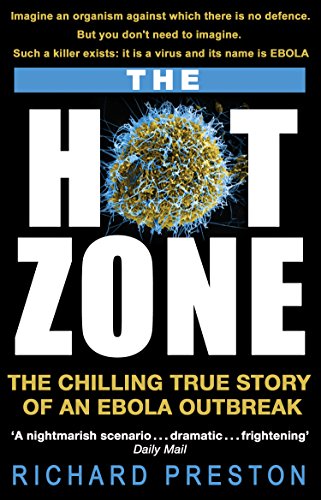
The story of an Ebola outbreak near Washington, D.C. Fast and frightening.
Best for: outbreak thrillers.
How to Choose
For race and research, read Medical Apartheid. For science history, The Emperor of All Maladies. For cross-cultural medicine, The Spirit Catches You and You Fall Down. For a global health story, Mountains Beyond Mountains. These books discuss illness and ethics in plain terms, so take breaks as needed. Science writing about real people deserves respect. If you finish the book, look up the Henrietta Lacks Foundation and the exhibits on HeLa cells at science museums. Many libraries and universities also post lectures on bioethics and informed consent.
Related: 15 Books Like The Invisible Life of Addie LaRue You’ll Love: Immortality, Bargains and Love Across Time · Your Money or Your Life by Vicki Robin and Joe Dominguez: Summary and Key Takeaways
Frequently Asked Questions
What is The Immortal Life of Henrietta Lacks about?
It follows Henrietta Lacks, whose cancer cells were taken without consent in 1951 and used in research, and her family's search for answers.
What are HeLa cells?
They are the first human cells to grow continuously in a lab, named for Henrietta Lacks, and used in countless studies.
Is the book accurate?
Skloot spent a decade researching it and worked closely with the Lacks family.
Was it made into a film?
Yes. A 2017 HBO film starred Oprah Winfrey and Rose Byrne.
Is it a hard read?
It is clear and moving, with science explained simply.
Did the Lacks family receive compensation?
Not at first. Later the family reached agreements, and the NIH changed some policies on use of HeLa data.
Who wrote it?
Rebecca Skloot, a science writer, spent about ten years researching the book.
Is the book used in schools?
Yes. It is widely taught in high schools and colleges.
Is it appropriate for teens?
Yes, for mature teens, with some discussion of medical ethics and racism.
Why did the book change science?
It brought attention to informed consent and to the lives of the people behind research samples.
Does the Lacks family have a role today?
Yes. The family works with the Henrietta Lacks Foundation and shares in public events.