
Disclosure: As an Amazon Associate, Bookish Wisdom earns from qualifying purchases. This doesn't change our picks or your price.
Quick answer: If you read The Jungle, read Upton Sinclair's Oil!, then Fast Food Nation, The Omnivore's Dilemma, The Grapes of Wrath and Nickel and Dimed. All expose how work, food and money shape ordinary lives.
Upton Sinclair's 1906 novel follows Jurgis Rudkus, a Lithuanian immigrant working in the Chicago meatpacking industry, and the poverty, danger and exploitation he and his family face. It was meant to expose labour conditions, but readers were shocked by its descriptions of food safety. The books below offer related investigations, social novels and accounts of work and food.
Table of Contents
Quick Picks at a Glance
| Book | Author | Ages | Best For |
|---|---|---|---|
| Oil! | Upton Sinclair | Adult | more Sinclair |
| Fast Food Nation | Eric Schlosser | Adult | food industry exposé |
| The Omnivore's Dilemma | Michael Pollan | Adult | what we eat |
| The Grapes of Wrath | John Steinbeck | Adult | the Great Depression |
| Nickel and Dimed | Barbara Ehrenreich | Adult | working poor |
| How the Other Half Lives | Jacob A. Riis | Adult | tenement photography |
| Evicted | Matthew Desmond | Adult | housing and poverty |
| Silent Spring | Rachel Carson | Adult | environmental classic |
| Germinal | Emile Zola | Adult | coal-mining strike |
| Hard Times | Charles Dickens | Adult | industrial England |
| Sister Carrie | Theodore Dreiser | Adult | American realism |
| Eating Animals | Jonathan Safran Foer | Adult | factory farming |
| The Shame of the Cities | Lincoln Steffens | Adult | muckraking journalism |
| Slavery by Another Name | Douglas A. Blackmon | Adult | forced labour after emancipation |
| Oliver Twist | Charles Dickens | Adult | poverty and crime |
1. Oil! by Upton Sinclair
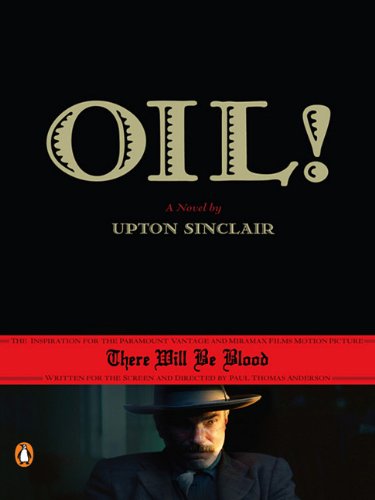
A father and son navigate the oil boom in California. Large, political and absorbing.
Best for: more Sinclair.
2. Fast Food Nation by Eric Schlosser
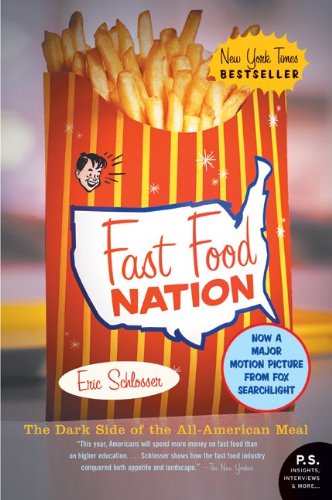
Schlosser traces the fast-food industry from farm to counter. Eye-opening and clear.
Best for: food industry exposé.
3. The Omnivore's Dilemma by Michael Pollan
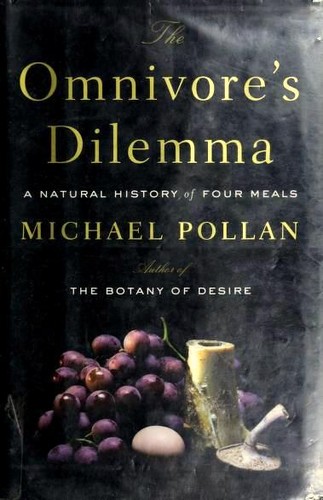
Pollan follows four meals back to their sources. Engaging and influential.
Best for: what we eat.
4. The Grapes of Wrath by John Steinbeck
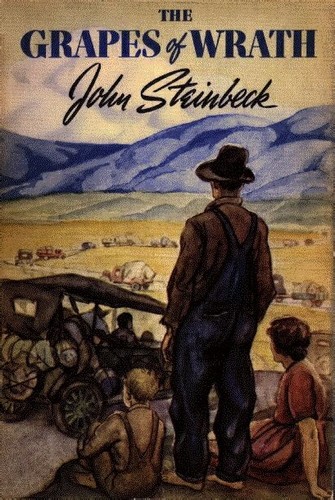
The Joad family leaves Oklahoma for California. A towering American novel.
Best for: the Great Depression.
5. Nickel and Dimed by Barbara Ehrenreich
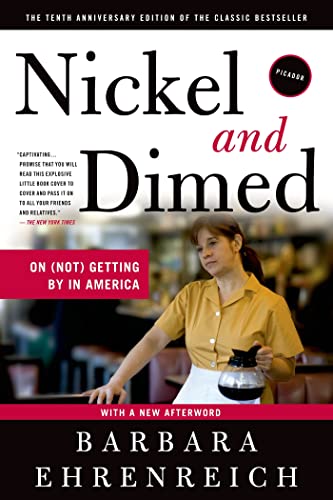
Ehrenreich works low-wage jobs to see if she can survive. Sharp and humane.
Best for: working poor.
6. How the Other Half Lives by Jacob A. Riis
Riis documents poverty in 1890s New York. A landmark of social reporting.
Best for: tenement photography.
7. Evicted by Matthew Desmond
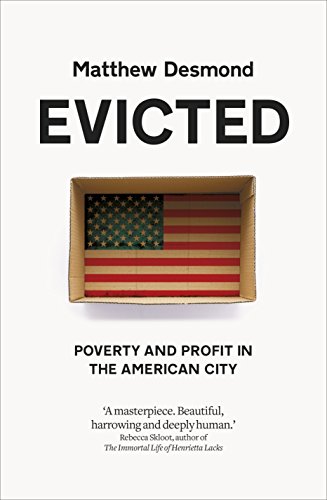
Desmond follows families in Milwaukee as they struggle to stay housed. Powerful and fair.
Best for: housing and poverty.
8. Silent Spring by Rachel Carson
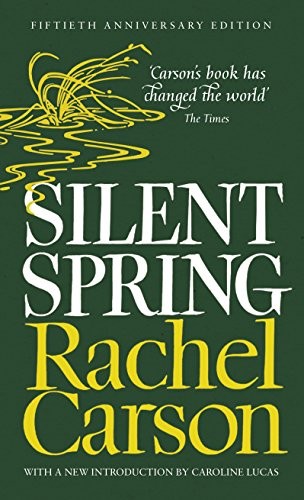
Carson shows the harm of pesticides to nature. The book that helped launch the modern environmental movement.
Best for: environmental classic.
9. Germinal by Emile Zola
A miners' strike in northern France. Long, intense and powerful.
Best for: coal-mining strike.
10. Hard Times by Charles Dickens
A school and a mill town challenge the ideas of the age. Short for Dickens and pointed.
Best for: industrial England.
11. Sister Carrie by Theodore Dreiser
A young woman rises in Chicago and New York. Blunt and powerful.
Best for: American realism.
12. Eating Animals by Jonathan Safran Foer
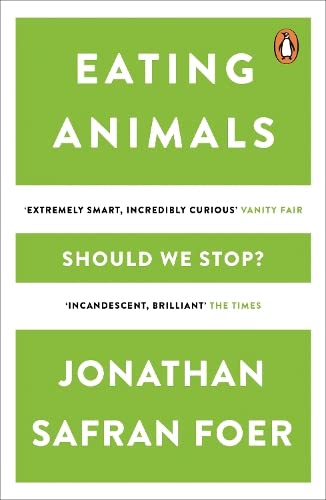
Foer investigates how animals are raised for food. Personal and challenging.
Best for: factory farming.
13. The Shame of the Cities by Lincoln Steffens
Steffens exposes corruption in American cities. A classic of investigative reporting.
Best for: muckraking journalism.
14. Slavery by Another Name by Douglas A. Blackmon
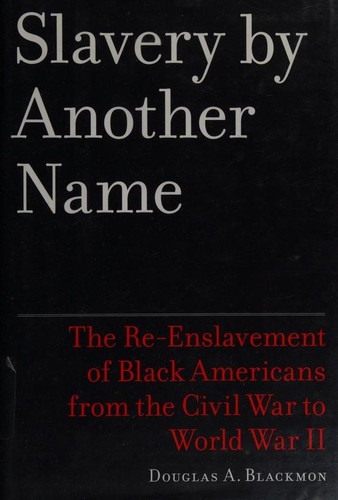
Blackmon reveals how forced labour continued after the Civil War. Powerful and disturbing.
Best for: forced labour after emancipation.
15. Oliver Twist by Charles Dickens
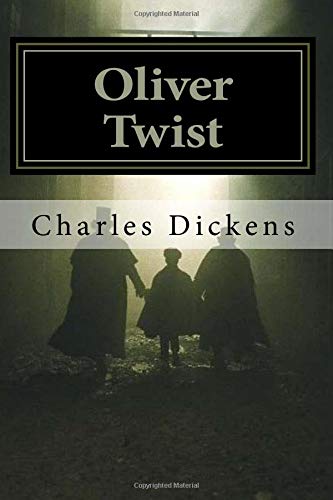
An orphan falls among thieves in London. A classic of social reform.
Best for: poverty and crime.
How We Chose These Books
Every pick is a real, widely available book that shares something specific with The Jungle: its tone, its themes, its pace or the kind of characters it puts at the center. We mixed well-known favorites with a few less obvious titles, and we noted who each book suits best so you can match it to the reader. Where a book belongs to a series, we list the first volume so you can start at the beginning.
How to Choose
For more Sinclair read Oil! For food exposés choose Fast Food Nation, The Omnivore's Dilemma or Eating Animals. For working life pick Nickel and Dimed, Evicted or The Grapes of Wrath. For history read How the Other Half Lives, The Shame of the Cities or Slavery by Another Name. For European parallels try Germinal or Hard Times. The Jungle is graphic, so these picks suit readers who care about justice and work. Sinclair famously said that he aimed at the public's heart and hit its stomach, because readers focused on food safety rather than workers' rights. The book helped lead to the Pure Food and Drug Act of 1906. The Jungle remains a bracing read, but its descriptions of meatpacking are graphic. If you want a tidy introduction, a shorter modern exposé such as Fast Food Nation is helpful. If you want social realism, Steinbeck and Zola are rich. Audiobooks are widely available.
Related: 15 Books Like Wings of Fire Kids Will Love: Dragons, Quests and Animal Adventures · 12 Dystopian Books Like the Hunger Games | Best Books to Read Like Hunger Games
Frequently Asked Questions
What is The Jungle about?
A Lithuanian immigrant family in Chicago's meatpacking district faces poverty and exploitation.
Who wrote it?
Upton Sinclair.
When was it published?
1906.
Did it change laws?
Yes, it helped lead to food safety legislation in 1906.
Is it a novel or an exposé?
A novel that works as an exposé.
Is it graphic?
Yes, in its descriptions of work and conditions.
Is it still relevant?
Yes, for discussions of labour and food safety.
What should I read next?
Try Fast Food Nation or The Grapes of Wrath.
Is The Jungle based on real events?
It is fiction based on Sinclair's seven weeks of undercover research in Chicago's stockyards.
What happened after it was published?
Public outcry led to the Meat Inspection Act and the Pure Food and Drug Act.