
Disclosure: As an Amazon Associate, Bookish Wisdom earns from qualifying purchases. This doesn't change our picks or your price.
Quick answer: If you loved To Kill a Mockingbird, read Go Set a Watchman, Just Mercy, A Lesson Before Dying and Roll of Thunder, Hear My Cry. All explore justice, race and conscience in the American South.
Harper Lee's novel follows Scout Finch as her father Atticus defends a Black man falsely accused in 1930s Alabama. It remains one of the most widely read American novels. The books below share its concern with justice and growing up, along with more modern voices. Most are for teens and adults, and all are real, in-print books.
Table of Contents
Quick Picks at a Glance
| Book | Author | Ages | Best For |
|---|---|---|---|
| Go Set a Watchman | Harper Lee | Adult | the sequel-like book |
| Just Mercy | Bryan Stevenson | Adult | real-life justice |
| A Time to Kill | John Grisham | Adult | trial fiction |
| Cry, the Beloved Country | Alan Paton | Adult | social conscience |
| The Help | Kathryn Stockett | Adult | book club favorite |
| Roll of Thunder, Hear My Cry | Mildred D. Taylor | 10–14 | younger readers |
| Their Eyes Were Watching God | Zora Neale Hurston | Adult | Southern voices |
| A Lesson Before Dying | Ernest J. Gaines | Adult | moral lessons |
| The Color Purple | Alice Walker | Adult | epistolary classics |
| The Adventures of Huckleberry Finn | Mark Twain | Teen and adult | classic American novels |
| Of Mice and Men | John Steinbeck | Teen and adult | short classics |
| The Secret Life of Bees | Sue Monk Kidd | Teen and adult | found family |
| Invisible Man | Ralph Ellison | Adult | literary depth |
| Native Son | Richard Wright | Adult | hard realism |
| The Hate U Give | Angie Thomas | Teen | modern teen voices |
1. Go Set a Watchman by Harper Lee
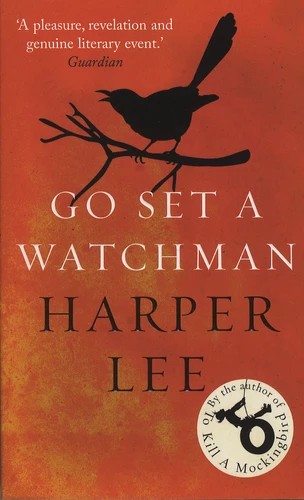
Written earlier but published in 2015, it follows an adult Scout returning to Alabama. A harder look at the same town.
Best for: the sequel-like book.
2. Just Mercy by Bryan Stevenson
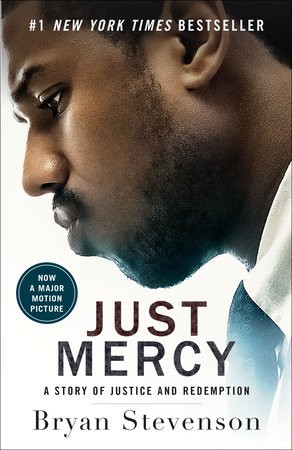
A lawyer describes his work defending death-row prisoners. A moving nonfiction companion.
Best for: real-life justice.
3. A Time to Kill by John Grisham
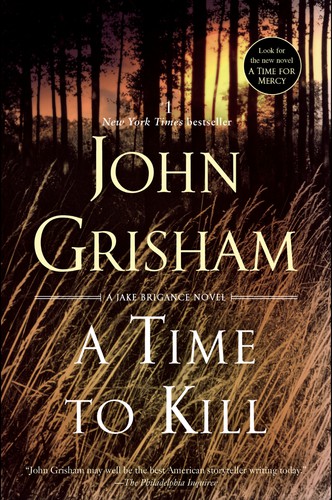
A lawyer defends a Black father who killed his daughter's attackers. Courtroom drama.
Best for: trial fiction.
4. Cry, the Beloved Country by Alan Paton
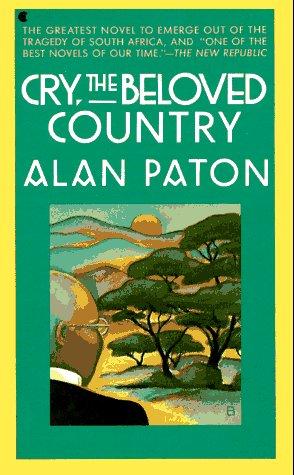
A Zulu priest searches for his son in Johannesburg. Lyrical and sorrowful.
Best for: social conscience.
5. The Help by Kathryn Stockett
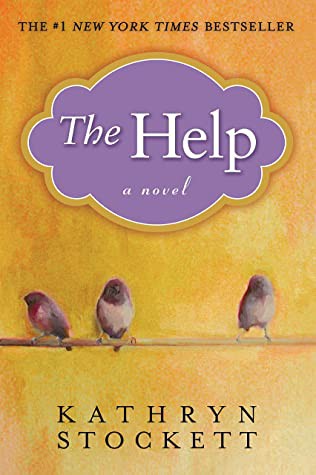
Black maids in 1960s Mississippi share their stories with a young white writer. Popular and debated.
Best for: book club favorite.
6. Roll of Thunder, Hear My Cry by Mildred D. Taylor
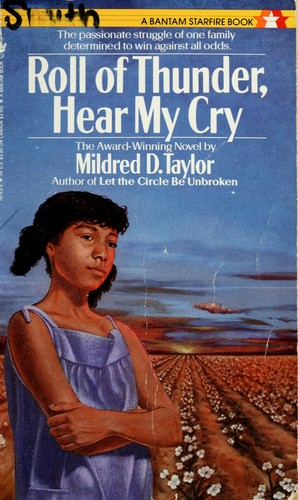
A Black family in Depression-era Mississippi defends its land. A strong middle-grade novel.
Best for: younger readers.
7. Their Eyes Were Watching God by Zora Neale Hurston
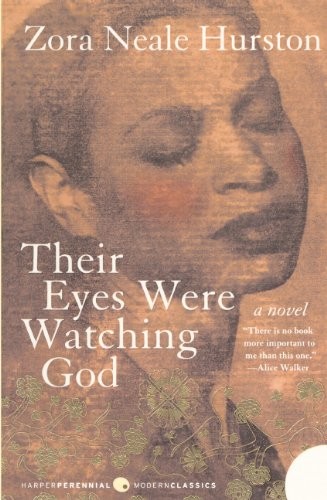
Janie searches for love and independence in Florida. Lyrical and bold.
Best for: Southern voices.
8. A Lesson Before Dying by Ernest J. Gaines
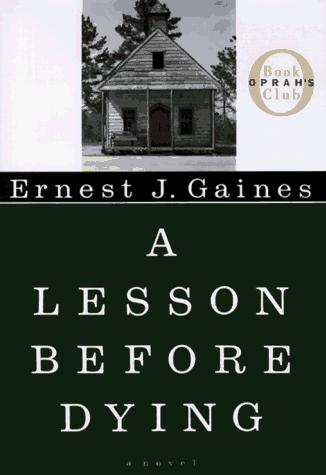
A teacher visits a young man on death row in Louisiana. Simple and powerful.
Best for: moral lessons.
9. The Color Purple by Alice Walker
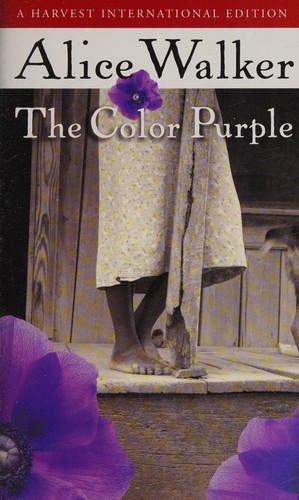
Celie's letters show her survival and growth in Georgia. Moving and sometimes hard.
Best for: epistolary classics.
10. The Adventures of Huckleberry Finn by Mark Twain
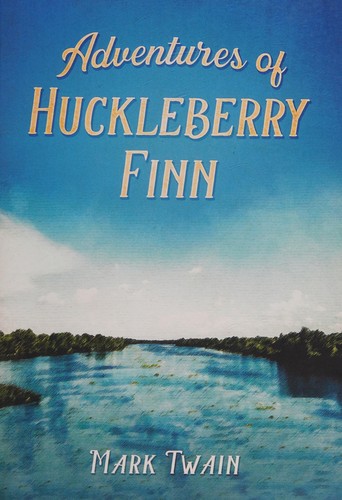
A boy and a runaway slave float down the Mississippi. Funny, and controversial.
Best for: classic American novels.
11. Of Mice and Men by John Steinbeck
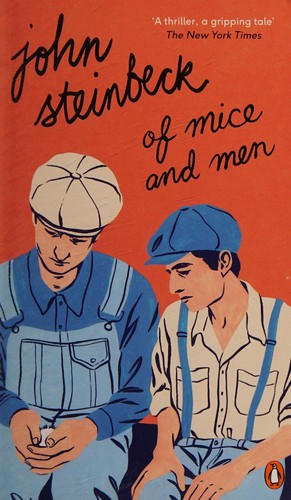
Two migrant workers dream of a farm. Short, sad and widely taught.
Best for: short classics.
12. The Secret Life of Bees by Sue Monk Kidd
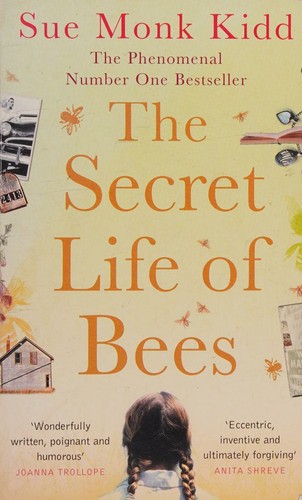
A girl in 1964 South Carolina finds refuge with beekeeping sisters. Warm and wise.
Best for: found family.
13. Invisible Man by Ralph Ellison
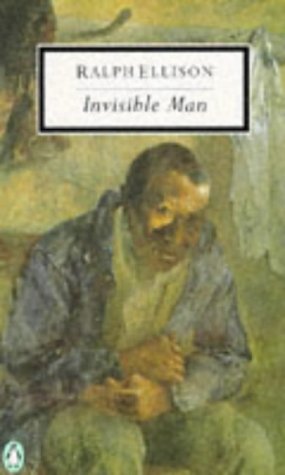
A Black man searches for identity in 1930s America. Dense and brilliant.
Best for: literary depth.
14. Native Son by Richard Wright
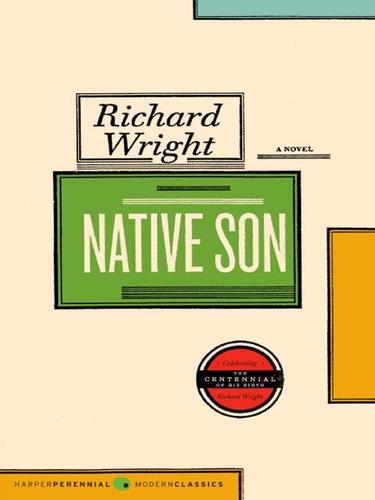
A young Black man in Chicago commits a crime and faces the system. Harsh and powerful.
Best for: hard realism.
15. The Hate U Give by Angie Thomas
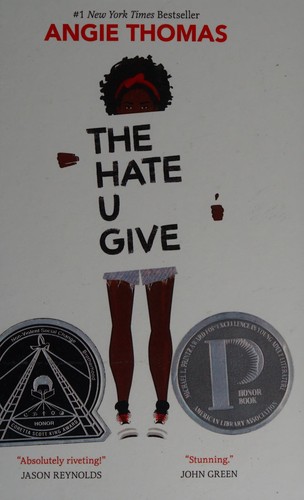
A teen witnesses a police shooting and finds her voice. A modern young adult counterpart.
Best for: modern teen voices.
How to Choose
For nonfiction, begin with Just Mercy. For younger readers, Roll of Thunder, Hear My Cry. For literary depth, Their Eyes Were Watching God and Invisible Man. For a modern teen equivalent, The Hate U Give. Several of these books contain racial slurs and violence, so read them with context. A good way to approach the list is to alternate. Read a classic like Their Eyes Were Watching God, then a nonfiction book like Just Mercy, then a modern young adult novel like The Hate U Give. That mix shows how the same questions reappear in different eras and genres, and it keeps the reading from feeling repetitive.
Related: What Age Is To Kill a Mockingbird Appropriate For? A Parent’s Guide · To Kill a Mockingbird Book Club Discussion Questions (With Summary and Themes)
Frequently Asked Questions
Is To Kill a Mockingbird appropriate for teens?
Yes. It is widely taught in high schools, though it includes racial language and a rape trial.
Why is it controversial?
Some critics object to its language and to its view of race, which centers white characters.
Is Go Set a Watchman a sequel?
It was written first and takes place later, but it is a different book with a different tone.
What is the best companion to the novel?
Just Mercy gives a real, modern look at the same issues.
How long is To Kill a Mockingbird?
About 280 pages, and it can be read in a few evenings.
What age should read To Kill a Mockingbird?
Most schools teach it in grades 8 to 10, around ages 13 to 15.
Is the movie faithful to the book?
The 1962 film with Gregory Peck is considered a close and respectful adaptation.
Is To Kill a Mockingbird based on a true story?
It is fiction, but Lee drew on her childhood in Monroeville, Alabama.
Why does the title refer to a mockingbird?
Mockingbirds only sing and do no harm, so killing one is a sin, a symbol of innocence.