

Disclosure: As an Amazon Associate, Bookish Wisdom earns from qualifying purchases. This doesn't change our picks or your price.
Quick answer: If you loved The Adventures of Tom Sawyer, read Mark Twain's Adventures of Huckleberry Finn, then Treasure Island, Kidnapped, The Great Brain and Where the Red Fern Grows. All are classic stories of boyhood, mischief and adventure.
Mark Twain's 1876 novel follows Tom Sawyer, a mischievous boy in a Mississippi River town, as he whitewashes a fence, falls in love with Becky Thatcher and witnesses a murder. It is funny, nostalgic and full of memorable scenes. The books below offer similar tales of boys, pranks and adventure.
Table of Contents
Quick Picks at a Glance
| Book | Author | Ages | Best For |
|---|---|---|---|
| Adventures of Huckleberry Finn | Mark Twain | All ages | the sequel |
| Treasure Island | Robert Louis Stevenson | All ages | more Stevenson |
| Kidnapped | Robert Louis Stevenson | Teen | adventure classics |
| The Great Brain | John D. Fitzgerald | Ages 8-12 | schemes in 1890s Utah |
| Where the Red Fern Grows | Wilson Rawls | 10–14 | more Wilson Rawls |
| Swallows and Amazons | Arthur Ransome | 8–12 | boating adventures |
| The Boxcar Children | Gertrude Chandler Warner | Ages 6-10 | siblings on their own |
| Hatchet | Gary Paulsen | Ages 10-14 | wilderness survival |
| Holes | Louis Sachar | Ages 9-13 | mystery and humour |
| Frindle | Andrew Clements | Ages 8-12 | clever mischief |
| Bud, Not Buddy | Christopher Paul Curtis | Ages 9-13 | Depression-era quest |
| Henry Huggins | Beverly Cleary | Ages 7-10 | boy and dog |
| Homer Price | Robert McCloskey | Ages 7-11 | small-town tall tales |
| Peter Pan | J.M. Barrie | 8 and up | flying adventure |
| Little House on the Prairie | Laura Ingalls Wilder | Ages 7-12 | pioneer classic |
1. Adventures of Huckleberry Finn by Mark Twain
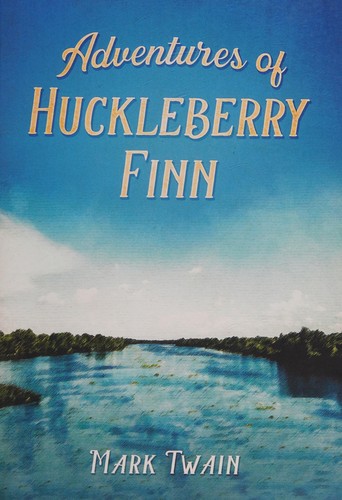
Huck and Jim float down the Mississippi on a raft. A classic of American literature.
Best for: the sequel.
2. Treasure Island by Robert Louis Stevenson
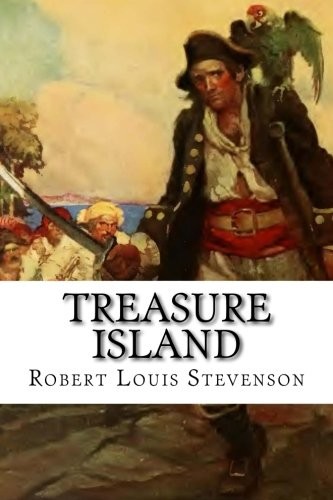
Young Jim Hawkins sails with pirates in search of treasure. Stevenson's classic adventure.
Best for: more Stevenson.
3. Kidnapped by Robert Louis Stevenson
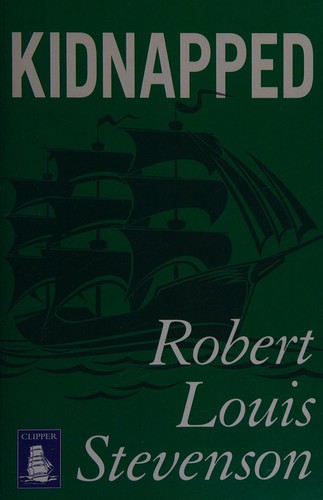
David Balfour is kidnapped and sold into servitude. A fast Scottish adventure.
Best for: adventure classics.
4. The Great Brain by John D. Fitzgerald
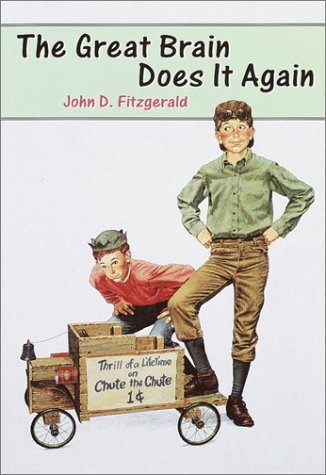
A boy uses his intelligence to run schemes on his friends. Humorous and classic.
Best for: schemes in 1890s Utah.
5. Where the Red Fern Grows by Wilson Rawls
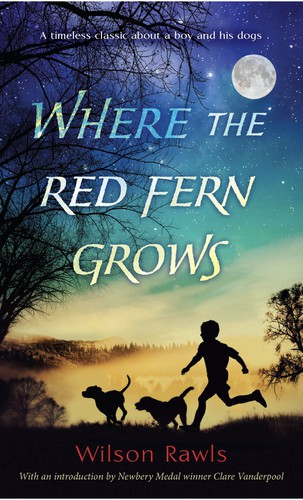
A boy saves money for two coonhounds in the Ozarks. Rawls's best-known book is a moving story of love for dogs.
Best for: more Wilson Rawls.
6. Swallows and Amazons by Arthur Ransome
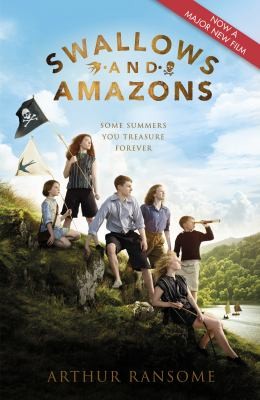
Children sail a dinghy and camp on an island in the Lake District. Gentle, outdoor and classic.
Best for: boating adventures.
7. The Boxcar Children by Gertrude Chandler Warner
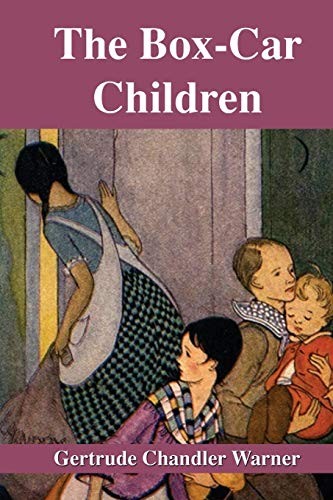
Four orphaned siblings make a home in an abandoned boxcar. Cosy.
Best for: siblings on their own.
8. Hatchet by Gary Paulsen
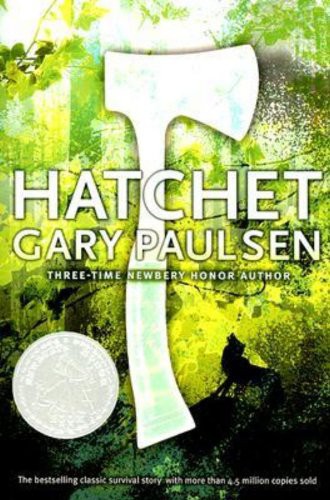
A boy survives alone in the Canadian wilderness. Simple and gripping.
Best for: wilderness survival.
9. Holes by Louis Sachar
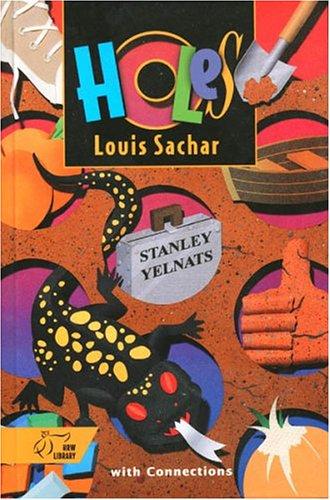
A boy is sent to a camp where he must dig holes. Clever and moving.
Best for: mystery and humour.
10. Frindle by Andrew Clements
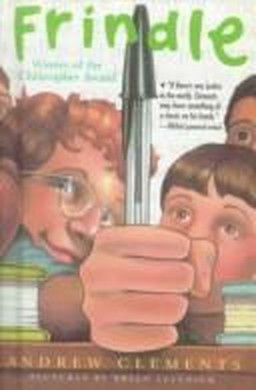
A boy invents a new word and starts a movement that takes over his school. Smart, funny and quick.
Best for: clever mischief.
11. Bud, Not Buddy by Christopher Paul Curtis
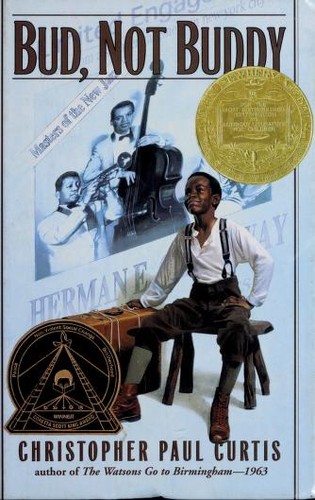
A boy sets out to find his father. Funny and moving.
Best for: Depression-era quest.
12. Henry Huggins by Beverly Cleary
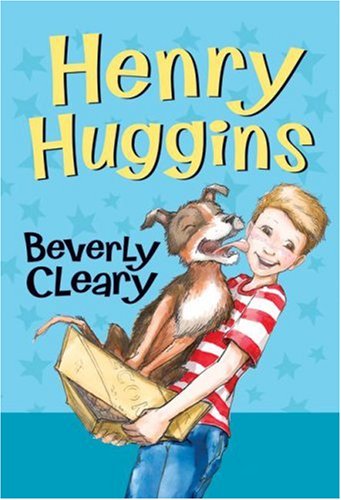
Henry brings home a stray dog and gets into scrapes. Warm and funny.
Best for: boy and dog.
13. Homer Price by Robert McCloskey
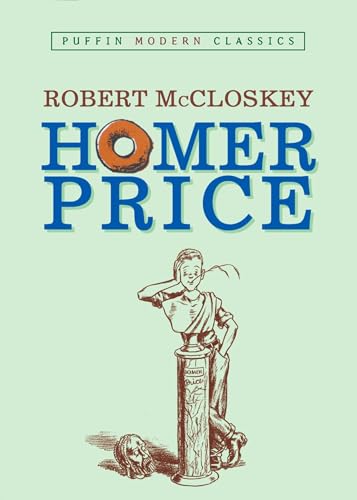
Homer's town is full of funny events, including a runaway doughnut machine. Quirky and charming.
Best for: small-town tall tales.
14. Peter Pan by J.M. Barrie
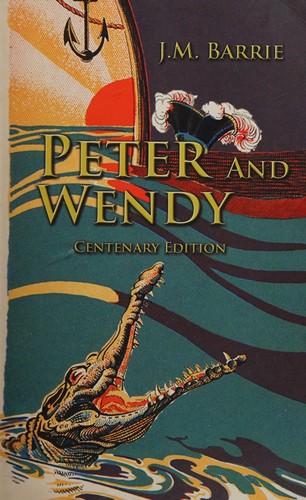
A boy who never grows up takes the Darling children to Neverland. Magical and sad.
Best for: flying adventure.
15. Little House on the Prairie by Laura Ingalls Wilder
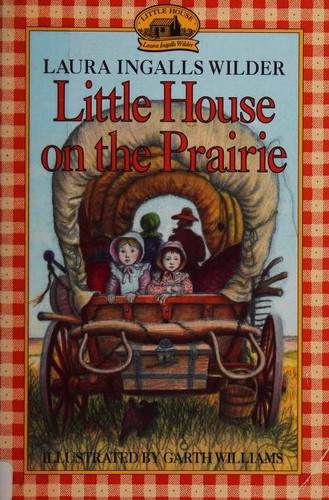
The Ingalls family settles on the Kansas prairie. A classic of pioneer life.
Best for: pioneer classic.
How to Choose
For the next Twain read Adventures of Huckleberry Finn. For classic adventure choose Treasure Island or Kidnapped. For funny schemes pick The Great Brain, Henry Huggins or Homer Price. For modern mischief read Holes or Frindle. For outdoors try Hatchet or Swallows and Amazons. Tom Sawyer is easy to read aloud, so it makes a good family book. Twain based Tom partly on himself and on the boys of Hannibal, Missouri, and the town still celebrates the book with a festival. The novel is in the public domain, so illustrated editions are plentiful.
Related: Tom Clancy Books In Order Printable List · 12 Dystopian Books Like the Hunger Games | Best Books to Read Like Hunger Games
Frequently Asked Questions
What is Tom Sawyer about?
A mischievous boy has adventures in a Mississippi River town.
Who wrote it?
Mark Twain.
When was it published?
1876.
Is it for children?
Yes, though it has dark moments and period language.
Is it in the public domain?
Yes.
Is Huckleberry Finn a sequel?
Yes, a companion rather than a direct sequel.
What age is it for?
Roughly ages 10 and up.
What should I read next?
Try Adventures of Huckleberry Finn or Treasure Island.
Which book here is best for schemes in 1890s Utah?
Try The Great Brain by John D. Fitzgerald, which suits readers looking for schemes in 1890s Utah.
Which book here is best for siblings on their own?
Try The Boxcar Children by Gertrude Chandler Warner, which suits readers looking for siblings on their own.
Which book here is best for clever mischief?
Try Frindle by Andrew Clements, which suits readers looking for clever mischief.
Which book here is best for small-town tall tales?
Try Homer Price by Robert McCloskey, which suits readers looking for small-town tall tales.