

Disclosure: As an Amazon Associate, Bookish Wisdom earns from qualifying purchases. This doesn't change our picks or your price.
Quick answer: If you loved Ubik, read Philip K. Dick's A Scanner Darkly, The Man in the High Castle and Do Androids Dream of Electric Sheep?, then William Gibson's Neuromancer, Pattern Recognition and Count Zero, then Neal Stephenson's Snow Crash, and David Mitchell's Cloud Atlas and Kurt Vonnegut's Slaughterhouse-Five. All are mind-bending science fiction.
Philip K. Dick's Ubik (1969) is a paranoid novel about reality and death. These picks share its strangeness.
Table of Contents
Quick Picks at a Glance
| Book | Author | Ages | Best For |
|---|---|---|---|
| A Scanner Darkly | Philip K. Dick | Adult | readers who like sci-fi with edge |
| The Man in the High Castle | Philip K. Dick | Adult | occupied America |
| Do Androids Dream of Electric Sheep? | Philip K. Dick | Adult | readers who like ideas |
| Neuromancer | William Gibson | Adult | readers who like cyberspace |
| Snow Crash | Neal Stephenson | Adult | witty cyberpunk |
| Cloud Atlas | David Mitchell | Adult | readers who like structure |
| Slaughterhouse-Five | Kurt Vonnegut | Adult | readers who like dark humor |
| The Stars My Destination | Alfred Bester | Adult | readers who want pulp energy |
| Babel-17 | Samuel R. Delany | Adult | language and war |
| House of Leaves | Mark Z. Danielewski | Adult | adventurous readers |
| The Master and Margarita | Mikhail Bulgakov | Adult | readers who like magical satire |
| Brave New World | Aldous Huxley | Adult | readers who like ideas |
| 1984 | George Orwell | Adult | dystopian classics |
| Pattern Recognition | William Gibson | Adult | contemporary Gibson |
| Count Zero | William Gibson | Adult | more Gibson |
1. A Scanner Darkly by Philip K. Dick
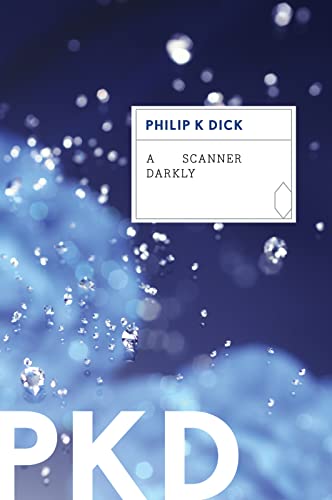
An undercover narcotics agent becomes addicted to the drug he is investigating. Sad, funny and paranoid.
Best for: readers who like sci-fi with edge.
2. The Man in the High Castle by Philip K. Dick
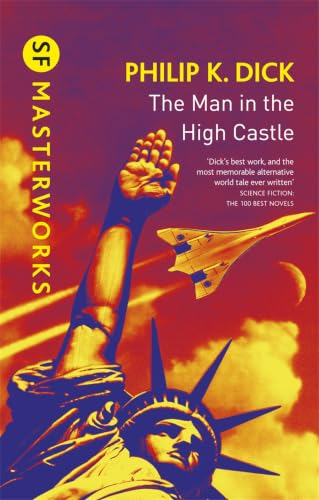
In an America ruled by Germany and Japan, a banned novel imagines another outcome. Strange and sharp.
Best for: occupied America.
3. Do Androids Dream of Electric Sheep? by Philip K. Dick
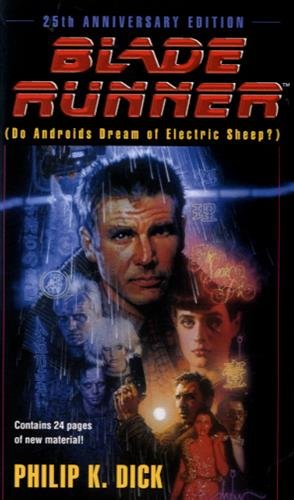
Rick Deckard hunts androids in a ruined future. Short, strange and thoughtful.
Best for: readers who like ideas.
4. Neuromancer by William Gibson
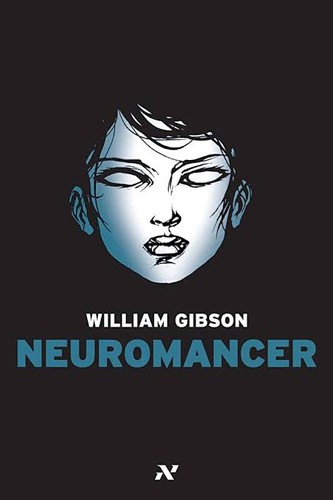
Case, a washed-up hacker, takes a final job in cyberspace. The book that created cyberpunk.
Best for: readers who like cyberspace.
5. Snow Crash by Neal Stephenson
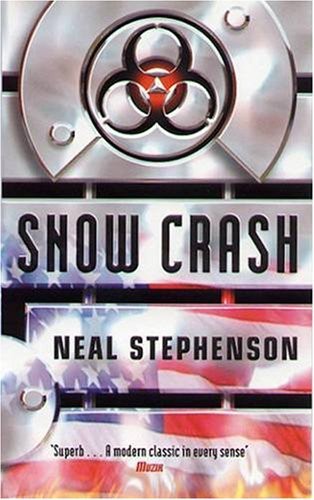
A pizza-delivering hacker named Hiro Protagonist fights a virus that spreads in both the virtual and the real world. Fast, funny and packed with ideas about language and power.
Best for: witty cyberpunk.
6. Cloud Atlas by David Mitchell
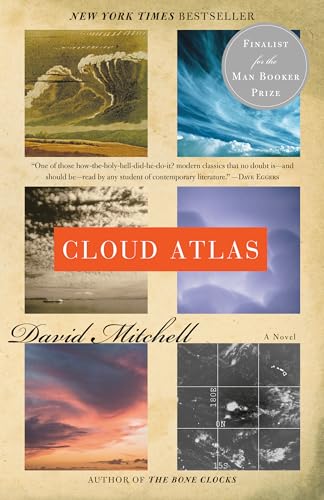
Six nested stories across time, each read by the next. Inventive and moving.
Best for: readers who like structure.
7. Slaughterhouse-Five by Kurt Vonnegut
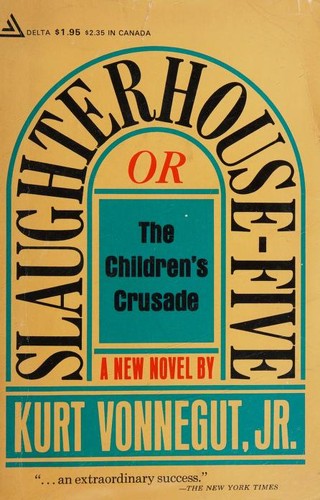
Billy Pilgrim, a soldier who survived the bombing of Dresden, becomes “unstuck in time.” Funny, strange and sad.
Best for: readers who like dark humor.
8. The Stars My Destination by Alfred Bester
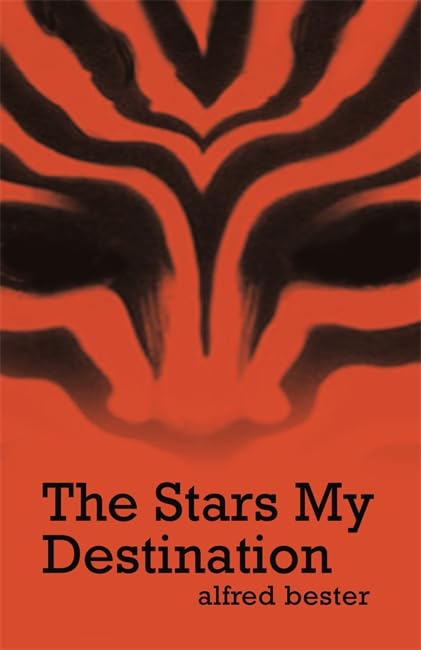
A man seeks revenge in a future where people can teleport. Fast and wild.
Best for: readers who want pulp energy.
9. Babel-17 by Samuel R. Delany
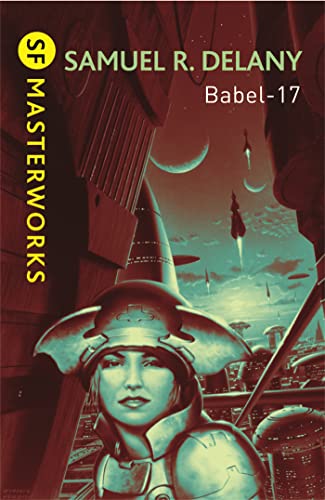
A poet decodes an enemy language. Fast and daring.
Best for: language and war.
10. House of Leaves by Mark Z. Danielewski
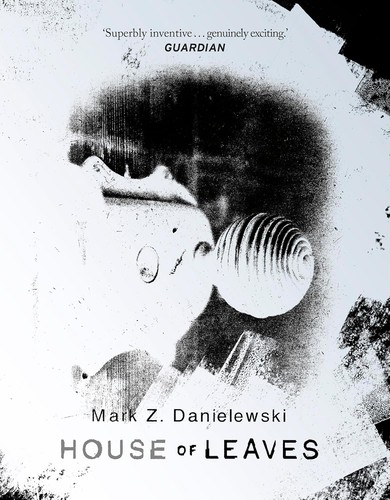
A house is bigger on the inside than the outside, and a text about it drives readers mad. Experimental and dense.
Best for: adventurous readers.
11. The Master and Margarita by Mikhail Bulgakov
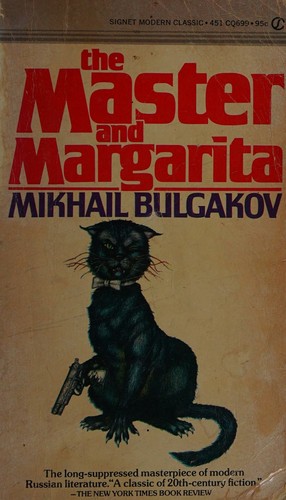
The Devil visits Moscow in the 1930s, and a writer's love story unfolds alongside. Wild, funny and satirical.
Best for: readers who like magical satire.
12. Brave New World by Aldous Huxley
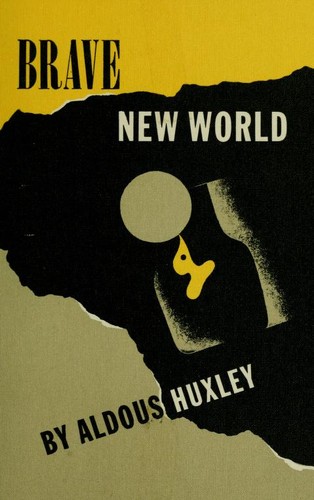
A society engineered for comfort hides its costs. Cool, clever and chilling.
Best for: readers who like ideas.
13. 1984 by George Orwell
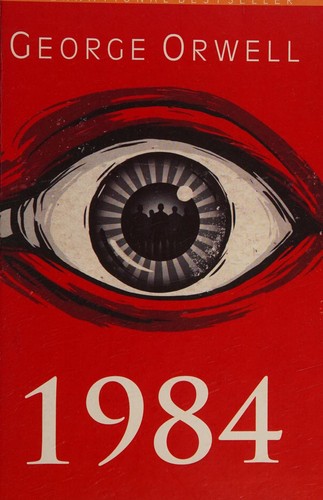
Orwell's 1949 classic of surveillance, propaganda and control, following Winston Smith in a totalitarian state. Bleak and unforgettable.
Best for: dystopian classics.
14. Pattern Recognition by William Gibson
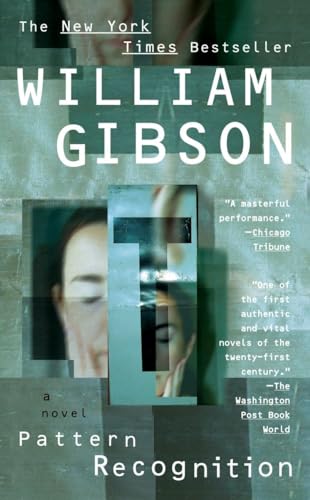
A marketing consultant with an allergy to brands investigates a mysterious series of internet video clips. A modern, stylish thriller set in the early 2000s.
Best for: contemporary Gibson.
15. Count Zero by William Gibson
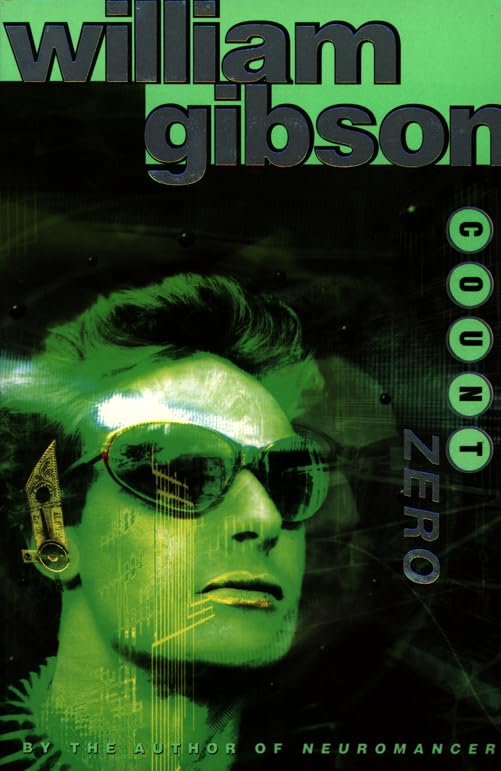
Three separate characters are drawn into a conflict between corporations and strange new beings in the network. A good second step into Gibson's world, with faster pacing than Neuromancer.
Best for: more Gibson.
How We Chose These Books
Every pick is a real, widely available book that shares something specific with Ubik: its tone, its themes, its pace or the kind of characters it puts at the center. We mixed well-known favorites with a few less obvious titles, and we noted who each book suits best so you can match it to the reader. Where a book belongs to a series, we list the first volume so you can start at the beginning.
If you are not sure where to begin, start with the first three picks in the table: they are the closest match to Ubik. The rest of the list moves further out, so it works well once you know which part of the original you liked most.
How to Choose
For Dick, read A Scanner Darkly. For cyberpunk, try Neuromancer. For classic, pick The Man in the High Castle.
Related: Do Androids Dream of Electric Sheep? by Philip K. Dick: Summary and Key Takeaways · Neuromancer by William Gibson: Summary and Key Takeaways
Frequently Asked Questions
Who wrote Ubik?
Philip K. Dick, in 1969.
What is it about?
A world where reality starts to decay.
Where do I start with Dick?
With Do Androids Dream of Electric Sheep?
Which book here is best for more Gibson?
Try Count Zero by William Gibson, which suits readers looking for more Gibson.
Which book here is best for contemporary Gibson?
Try Pattern Recognition by William Gibson, which suits readers looking for contemporary Gibson.
Which book here is best for dystopian classics?
Try 1984 by George Orwell, which suits readers looking for dystopian classics.
Which book here is best for readers who like ideas?
Try Brave New World by Aldous Huxley, which suits readers looking for readers who like ideas.