

Disclosure: As an Amazon Associate, Bookish Wisdom earns from qualifying purchases. This doesn't change our picks or your price.
Quick answer: If you like Ursula Le Guin, read Octavia Butler's Kindred and Parable of the Sower, then Samuel Delany's Babel-17, Joanna Russ's The Female Man and N. K. Jemisin's The Fifth Season. All use science fiction to explore gender, power, society and what we owe each other.
Ursula K. Le Guin wrote The Left Hand of Darkness, The Dispossessed and the Earthsea books, mixing science fiction and fantasy with anthropology, philosophy and humane storytelling. Her fans like thoughtful worlds and clear, graceful prose. The books below offer similar science fiction and fantasy of ideas.
Table of Contents
Quick Picks at a Glance
| Book | Author | Ages | Best For |
|---|---|---|---|
| The Left Hand of Darkness | Ursula K. Le Guin | Adult | the classic |
| The Dispossessed | Ursula K. Le Guin | Adult | utopian novel |
| Kindred | Octavia E. Butler | Adult | time travel and slavery |
| Parable of the Sower | Octavia E. Butler | Adult | visionary survival |
| Babel-17 | Samuel R. Delany | Adult | language and war |
| The Female Man | Joanna Russ | Adult | feminist science fiction |
| Woman on the Edge of Time | Marge Piercy | Adult | utopia and dystopia |
| Invisible Cities | Italo Calvino | Adult | dreamlike prose |
| Stories of Your Life and Others | Ted Chiang | Adult | thoughtful short stories |
| The Fifth Season | N. K. Jemisin | Adult | world-ending epic |
| Ancillary Justice | Ann Leckie | Adult | AI and empire |
| A Psalm for the Wild-Built | Becky Chambers | Adult | gentle science fiction |
| Binti | Nnedi Okorafor | Teen | space university |
| The Handmaid's Tale | Margaret Atwood | Adult | oppressive society |
| Station Eleven | Emily St. John Mandel | Adult | literary post-collapse |
1. The Left Hand of Darkness by Ursula K. Le Guin
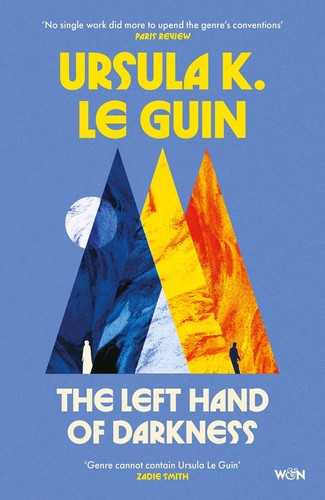
An envoy visits a world whose people have no fixed gender. Thoughtful, humane and influential.
Best for: the classic.
2. The Dispossessed by Ursula K. Le Guin
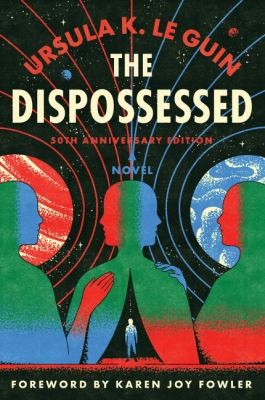
A physicist travels between a capitalist world and an anarchist moon. Smart and moving.
Best for: utopian novel.
3. Kindred by Octavia E. Butler
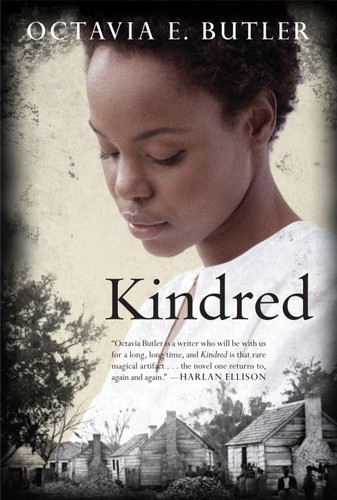
A modern woman is pulled back to a plantation. Powerful and tense.
Best for: time travel and slavery.
4. Parable of the Sower by Octavia E. Butler
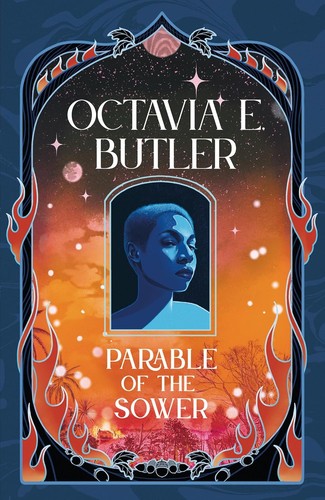
A teenage girl travels through a collapsing California. Influential and powerful.
Best for: visionary survival.
5. Babel-17 by Samuel R. Delany
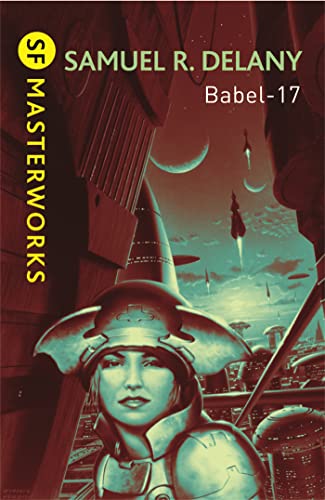
A poet decodes an enemy language. Fast and daring.
Best for: language and war.
6. The Female Man by Joanna Russ
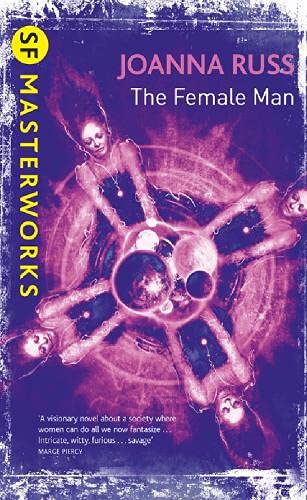
Four women from parallel worlds meet. Sharp, funny and radical.
Best for: feminist science fiction.
7. Woman on the Edge of Time by Marge Piercy
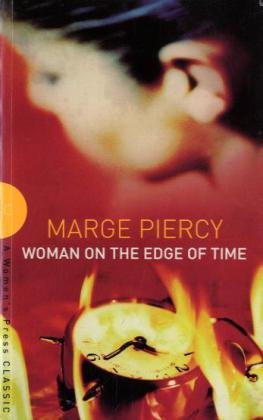
A woman visits a possible future. Political and humane.
Best for: utopia and dystopia.
8. Invisible Cities by Italo Calvino
Marco Polo describes imaginary cities to Kublai Khan. Short, beautiful and strange.
Best for: dreamlike prose.
9. Stories of Your Life and Others by Ted Chiang
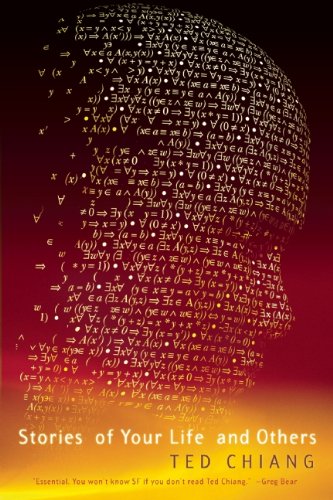
Stories that explore language, time and faith in science. Clear and moving.
Best for: thoughtful short stories.
10. The Fifth Season by N. K. Jemisin
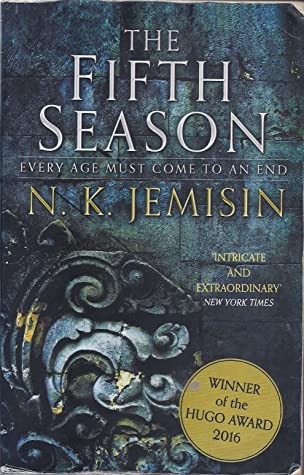
A woman searches for her daughter in a world of constant disaster. Inventive and powerful.
Best for: world-ending epic.
11. Ancillary Justice by Ann Leckie
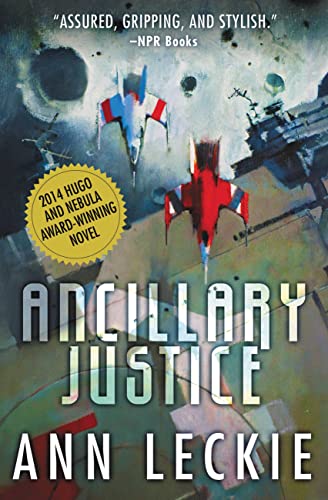
A former warship in a human body seeks revenge. Intelligent and original.
Best for: AI and empire.
12. A Psalm for the Wild-Built by Becky Chambers
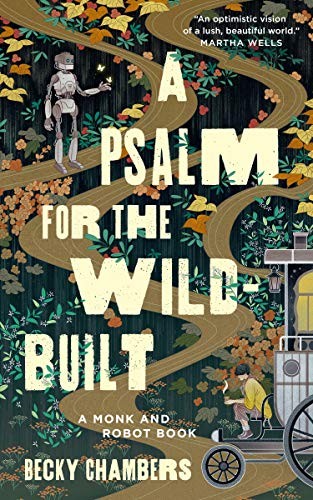
A monk and a robot travel together. Short, kind and hopeful.
Best for: gentle science fiction.
13. Binti by Nnedi Okorafor
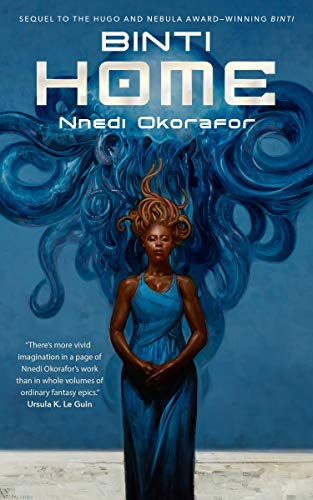
A young Himba woman leaves home to attend an interstellar university. Short and vivid.
Best for: space university.
14. The Handmaid's Tale by Margaret Atwood
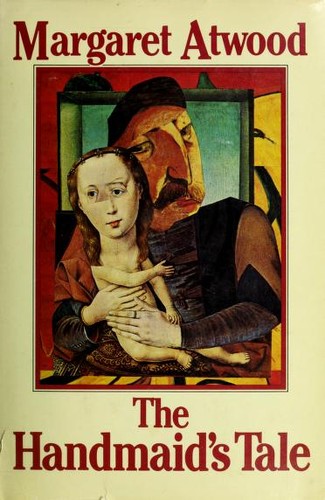
A woman lives under a theocratic regime. Chilling and unforgettable.
Best for: oppressive society.
15. Station Eleven by Emily St. John Mandel
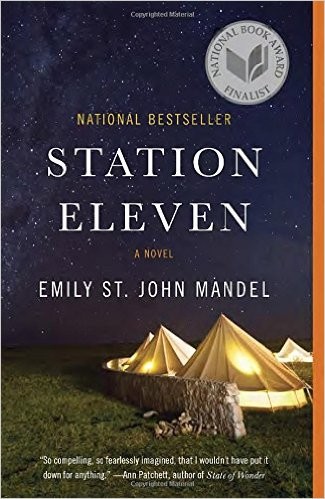
A travelling company performs Shakespeare after a pandemic. Elegant and moving.
Best for: literary post-collapse.
How to Choose
For more Le Guin begin with The Left Hand of Darkness. For similar concerns pick Octavia Butler, Joanna Russ or Marge Piercy. For modern voices choose N. K. Jemisin, Ann Leckie, Becky Chambers or Nnedi Okorafor. For short, thoughtful stories read Ted Chiang. These books reward patient reading, so give each a few chapters before deciding. Le Guin's fiction often works like a thought experiment, and the books above share that willingness to ask questions rather than give simple answers. Many of them are short enough to finish in a few evenings. Newcomers can start with her short story collection The Wind's Twelve Quarters or her essays in The Language of the Night, which show her range. Readers who want a gentle fantasy should start with Earthsea. Readers who want political ideas should start with The Dispossessed. Most of her books are modest in length, so they make a fine weekend challenge.
Related: 15 Books Like Wings of Fire Kids Will Love: Dragons, Quests and Animal Adventures · 12 Dystopian Books Like the Hunger Games | Best Books to Read Like Hunger Games
Frequently Asked Questions
Who is Ursula K. Le Guin?
An American author of science fiction and fantasy who died in 2018.
Where should I start?
With The Left Hand of Darkness or A Wizard of Earthsea.
What is she best known for?
The Earthsea books, The Left Hand of Darkness and The Dispossessed.
Is her work hard to read?
No, her prose is clear, though her ideas are deep.
Did she win awards?
Yes, many, including Hugo and Nebula Awards.
Is she only a science fiction author?
No, she also wrote fantasy, essays and poetry.
Is Earthsea for children?
It was written for young readers but is enjoyed by adults.
What should I read next?
Try Kindred or Babel-17.
Is Ursula Le Guin science fiction or fantasy?
Both. She wrote Earthsea fantasy and Hainish science fiction.
What are the Hainish novels?
A loosely connected group of her science fiction works set in a shared universe, including The Left Hand of Darkness.