

Disclosure: As an Amazon Associate, Bookish Wisdom earns from qualifying purchases. This doesn't change our picks or your price.
Quick answer: If you loved Utopia, read George Orwell's 1984, then Aldous Huxley's Brave New World, then Charlotte Perkins Gilman's Herland, and Ursula K. Le Guin's The Dispossessed and Ray Bradbury's Fahrenheit 451. All are classic books on ideal societies.
Thomas More's 1516 Utopia describes an ideal island society. These picks look at ideal and nightmare societies.
Table of Contents
Quick Picks at a Glance
| Book | Author | Ages | Best For |
|---|---|---|---|
| 1984 | George Orwell | Adult | dystopian classics |
| Brave New World | Aldous Huxley | Adult | readers who like ideas |
| Herland | Charlotte Perkins Gilman | Adult | feminist utopia |
| The Dispossessed | Ursula K. Le Guin | Adult | readers who like ideas about society |
| Fahrenheit 451 | Ray Bradbury | Adult | readers who like the classic warning |
| Anthem | Ayn Rand | Adult | short dystopia |
| The Giver | Lois Lowry | 12+ | readers who like ideas |
| We | Yevgeny Zamyatin | Adult | readers who like the roots |
| The Handmaid's Tale | Margaret Atwood | Adult | readers who like dystopian classics |
| The Machine Stops | E.M. Forster | Adult | readers who like early sci-fi |
| A Clockwork Orange | Anthony Burgess | Adult | readers who like dark satire |
| Lord of the Flies | William Golding | 14+ | readers who like classics |
| Gulliver's Travels | Jonathan Swift | Adult | satire |
| Walden | Henry David Thoreau | Adult | readers who want simplicity |
| The Origins of Totalitarianism | Hannah Arendt | Adult | classic analysis |
1. 1984 by George Orwell
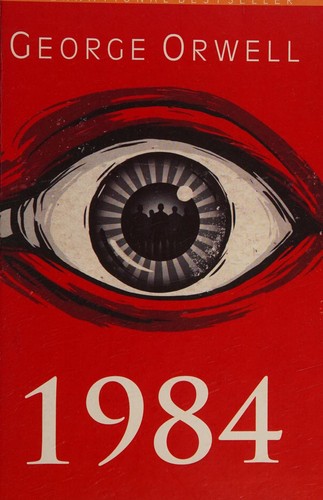
Orwell's 1949 classic of surveillance, propaganda and control, following Winston Smith in a totalitarian state. Bleak and unforgettable.
Best for: dystopian classics.
2. Brave New World by Aldous Huxley
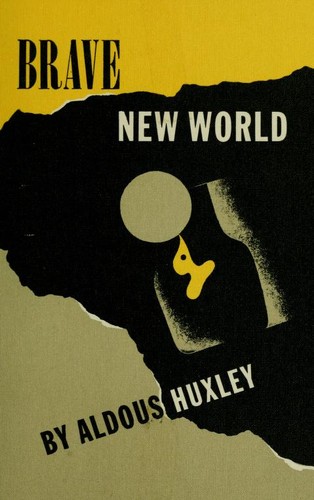
A society engineered for comfort hides its costs. Cool, clever and chilling.
Best for: readers who like ideas.
3. Herland by Charlotte Perkins Gilman
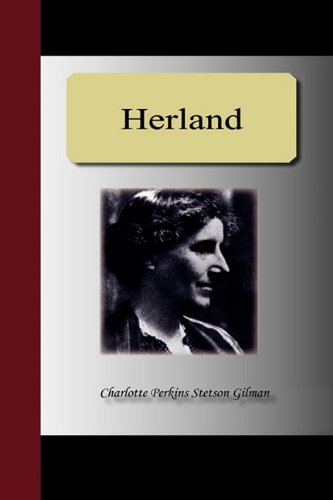
Three men discover a society of women. A classic of early feminist science fiction.
Best for: feminist utopia.
4. The Dispossessed by Ursula K. Le Guin
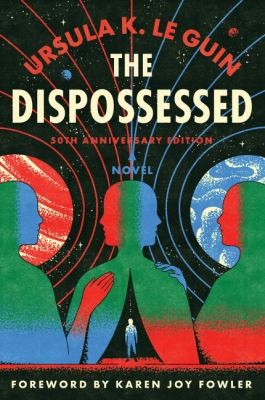
A physicist travels between a utopian anarchist moon and its wealthy neighbor. Political and thoughtful.
Best for: readers who like ideas about society.
5. Fahrenheit 451 by Ray Bradbury
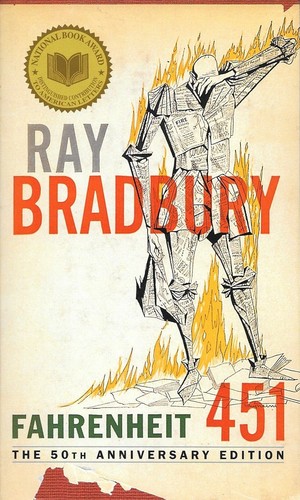
Guy Montag burns books for a living until he begins to question his world of screens and shallow noise. Short and sharp.
Best for: readers who like the classic warning.
6. Anthem by Ayn Rand
In a future without the word I, one man rediscovers the self. Brief and direct.
Best for: short dystopia.
7. The Giver by Lois Lowry
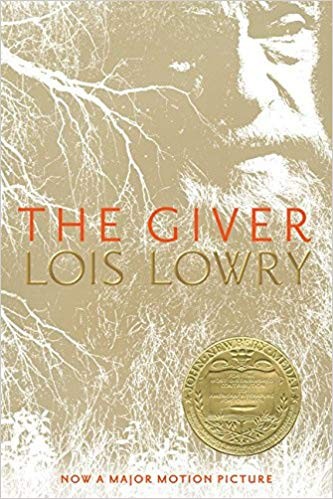
Jonas lives in a society without pain, and learns its secrets. Short and thoughtful.
Best for: readers who like ideas.
8. We by Yevgeny Zamyatin
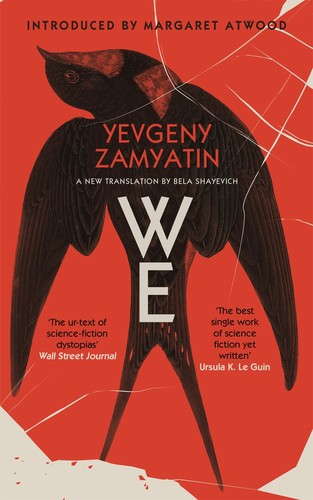
A mathematician in a glass city starts to question the state. The 1920 novel that inspired Orwell and Huxley.
Best for: readers who like the roots.
9. The Handmaid's Tale by Margaret Atwood
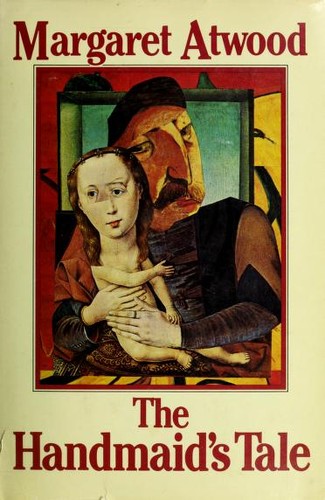
Offred lives as a handmaid in the theocracy of Gilead, forced to bear children for a commander. A classic of control and resistance.
Best for: readers who like dystopian classics.
10. The Machine Stops by E.M. Forster

A future where humanity lives underground and depends on a machine. A short story from 1909 that predicts the internet.
Best for: readers who like early sci-fi.
11. A Clockwork Orange by Anthony Burgess
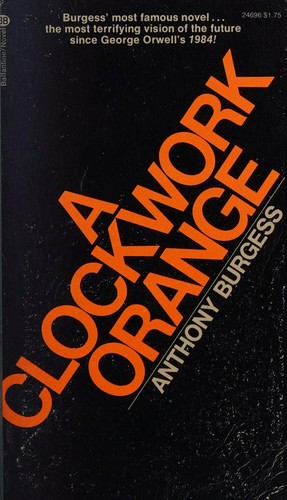
Alex and his gang commit violent acts until the state tries to remake him. Invented slang and tough questions.
Best for: readers who like dark satire.
12. Lord of the Flies by William Golding
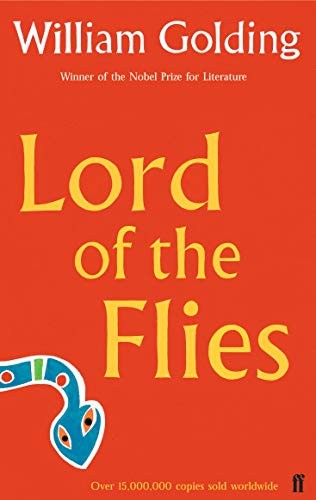
A group of boys on an island descends into savagery. A classic of human nature.
Best for: readers who like classics.
13. Gulliver's Travels by Jonathan Swift
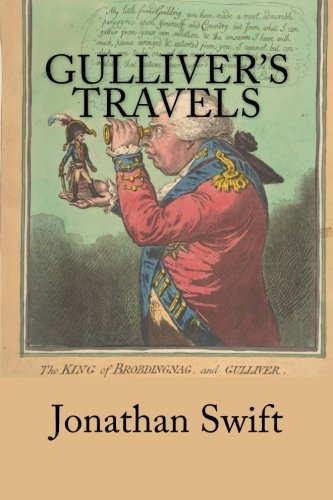
A ship's surgeon visits strange lands. Sharp and imaginative.
Best for: satire.
14. Walden by Henry David Thoreau
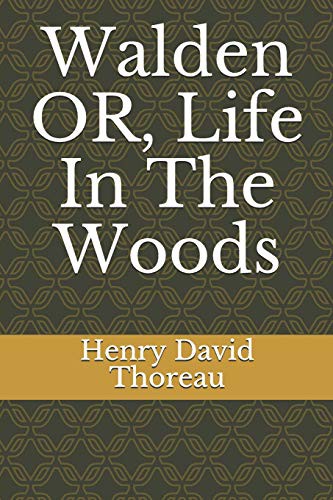
Thoreau's two years living in a cabin by a pond, with thoughts on simplicity and nature. A classic of reflection.
Best for: readers who want simplicity.
15. The Origins of Totalitarianism by Hannah Arendt
A landmark study of Nazism and Stalinism, their roots and methods. Dense, deep and still cited.
Best for: classic analysis.
How We Chose These Books
Every pick is a real, widely available book that shares something specific with Utopia: its tone, its themes, its pace or the kind of characters it puts at the center. We mixed well-known favorites with a few less obvious titles, and we noted who each book suits best so you can match it to the reader. Where a book belongs to a series, we list the first volume so you can start at the beginning.
If you are not sure where to begin, start with the first three picks in the table: they are the closest match to Utopia. The rest of the list moves further out, so it works well once you know which part of the original you liked most.
How to Choose
For dystopias, read 1984 or Brave New World. For feminist visions, try Herland. For ideas, pick The Dispossessed or The Republic.
Related: 15 Books Like Wings of Fire Kids Will Love: Dragons, Quests and Animal Adventures · 12 Dystopian Books Like the Hunger Games | Best Books to Read Like Hunger Games
Frequently Asked Questions
Who wrote Utopia?
Thomas More, in 1516.
What is the word's origin?
He coined it from Greek.
Is it fiction?
It is a work of political fiction.
Which book here is best for classic analysis?
Try The Origins of Totalitarianism by Hannah Arendt, which suits readers looking for classic analysis.
Which book here is best for readers who want simplicity?
Try Walden by Henry David Thoreau, which suits readers looking for readers who want simplicity.
Which book here is best for satire?
Try Gulliver's Travels by Jonathan Swift, which suits readers looking for satire.
Which book here is best for readers who like classics?
Try Lord of the Flies by William Golding, which suits readers looking for readers who like classics.
Which book here is best for readers who like dark satire?
Try A Clockwork Orange by Anthony Burgess, which suits readers looking for readers who like dark satire.