
Disclosure: As an Amazon Associate, Bookish Wisdom earns from qualifying purchases. This doesn't change our picks or your price.
Quick answer: If you loved Winnie-the-Pooh, read Kenneth Grahame's The Wind in the Willows, then E.B. White's Charlotte's Web, then Margaret Wise Brown's Goodnight Moon and The Runaway Bunny, and J.M. Barrie's Peter Pan and Lewis Carroll's Alice's Adventures in Wonderland. All are gentle classic stories.
A. A. Milne's Winnie-the-Pooh (1926) follows a bear and his friends. These picks share its warmth.
Table of Contents
Quick Picks at a Glance
| Book | Author | Ages | Best For |
|---|---|---|---|
| The Wind in the Willows | Kenneth Grahame | 6-10 | younger readers who love friendship |
| Charlotte's Web | E.B. White | 6-10 | readers who want a classic |
| Goodnight Moon | Margaret Wise Brown | 1-4 | bedtime |
| Peter Pan | J.M. Barrie | 7-12 | readers who want a classic |
| Alice's Adventures in Wonderland | Lewis Carroll | All ages | readers who want the source |
| The Velveteen Rabbit | Margery Williams | 3-8 | readers who like gentle stories |
| Paddington | Michael Bond | 4-8 | readers who like humor |
| Mr. Popper's Penguins | Richard and Florence Atwater | 7-10 | readers who like humor |
| The Tale of Despereaux | Kate DiCamillo | 8-12 | readers who like fairy tales |
| The Runaway Bunny | Margaret Wise Brown | 0-5 | more Brown |
| The Giving Tree | Shel Silverstein | All ages | simple picture book |
| Corduroy | Don Freeman | Ages 2-6 | classic comfort |
| Pippi Longstocking | Astrid Lindgren | 6-10 | readers who like bold heroines |
| The Miraculous Journey of Edward Tulane | Kate DiCamillo | 8-12 | love and loss |
| Spring Story | Jill Barklem | Ages 3-7 | tiny mice |
1. The Wind in the Willows by Kenneth Grahame
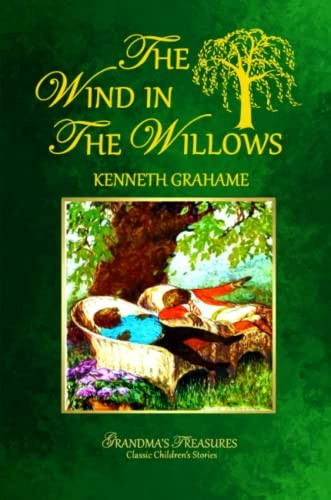
Mole, Rat, Badger and Toad share riverbank adventures in a gentle classic. Cozy and funny.
Best for: younger readers who love friendship.
2. Charlotte's Web by E.B. White
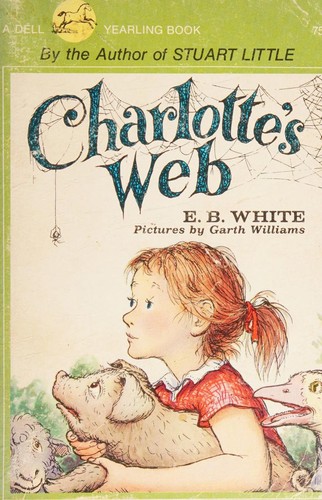
Wilbur the pig is saved by a clever spider named Charlotte. The classic about friendship and loss.
Best for: readers who want a classic.
3. Goodnight Moon by Margaret Wise Brown
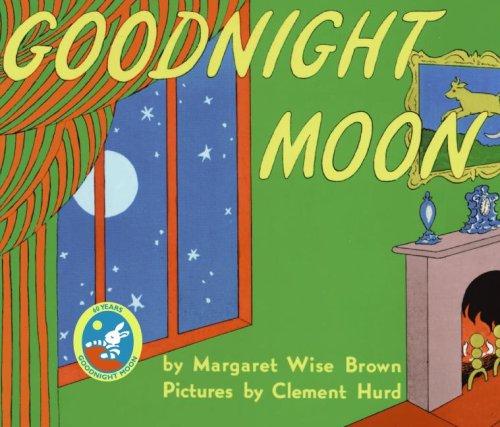
A bunny says goodnight to everything in the room. A calm ritual for bedtime.
Best for: bedtime.
4. Peter Pan by J.M. Barrie
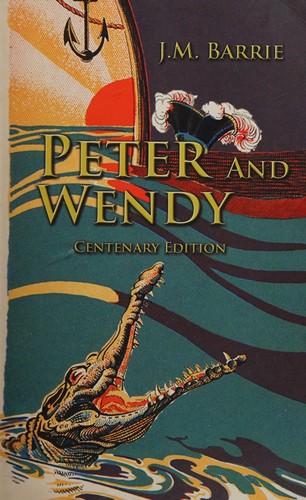
Wendy, John and Michael fly to Neverland with Peter Pan. A classic of childhood.
Best for: readers who want a classic.
5. Alice's Adventures in Wonderland by Lewis Carroll
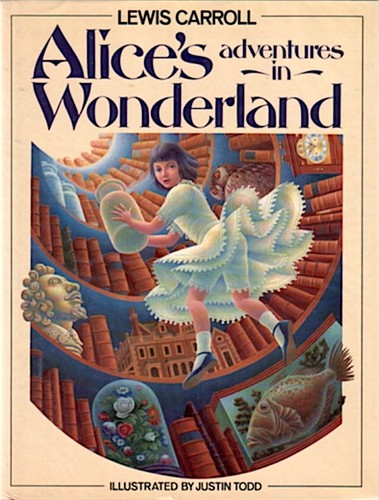
Alice falls down a rabbit hole into a world of odd characters. The original that inspired everything.
Best for: readers who want the source.
6. The Velveteen Rabbit by Margery Williams
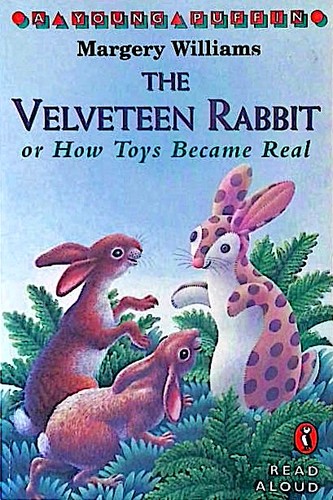
A toy rabbit longs to become real. A tender story of love.
Best for: readers who like gentle stories.
7. Paddington by Michael Bond
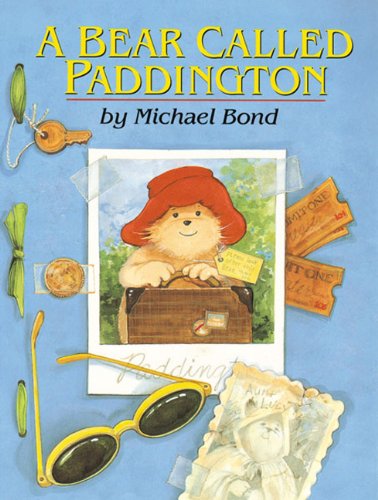
A bear from Peru arrives in London and causes polite chaos. Charming and funny.
Best for: readers who like humor.
8. Mr. Popper's Penguins by Richard and Florence Atwater
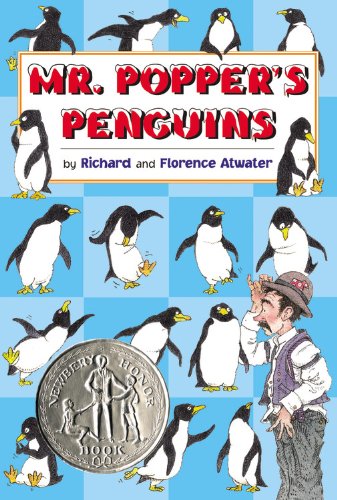
A house painter receives a penguin and then a flock. Gentle and funny.
Best for: readers who like humor.
9. The Tale of Despereaux by Kate DiCamillo
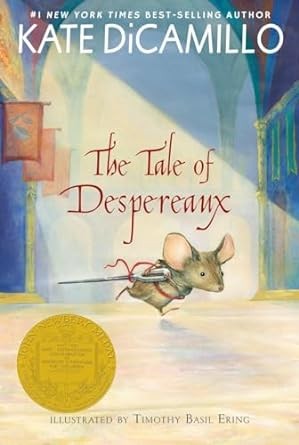
A tiny mouse who loves music and a princess is sent to the dungeon. Funny and moving.
Best for: readers who like fairy tales.
10. The Runaway Bunny by Margaret Wise Brown
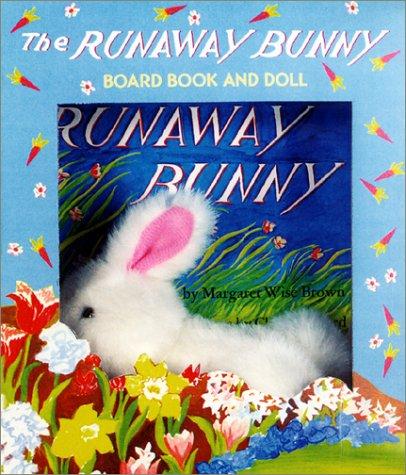
A little bunny says he will run away, and his mother says she will always follow. A classic about love.
Best for: more Brown.
11. The Giving Tree by Shel Silverstein
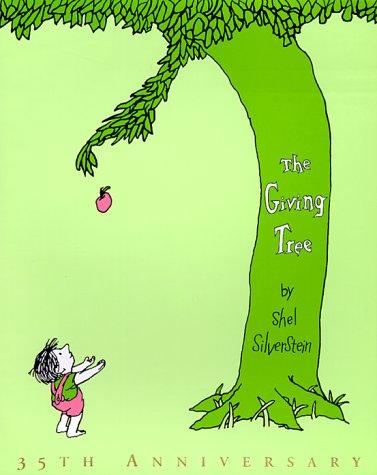
A tree gives everything to a boy. Short, moving and debated.
Best for: simple picture book.
12. Corduroy by Don Freeman
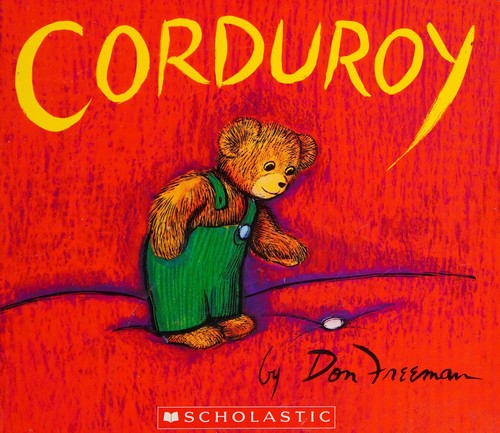
A toy bear in a department store searches for his missing button. Sweet and timeless.
Best for: classic comfort.
13. Pippi Longstocking by Astrid Lindgren
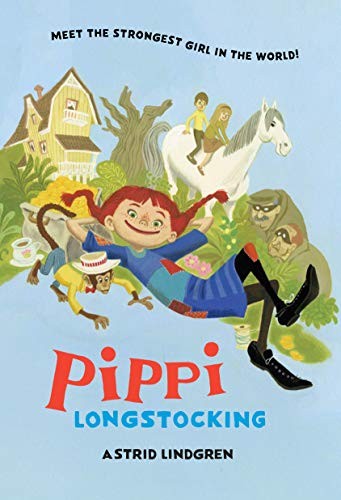
Pippi, the strongest girl in the world, lives alone with a horse and a monkey. Funny and free.
Best for: readers who like bold heroines.
14. The Miraculous Journey of Edward Tulane by Kate DiCamillo

A china rabbit is lost and found and learns to love. Beautiful and emotional.
Best for: love and loss.
15. Spring Story by Jill Barklem
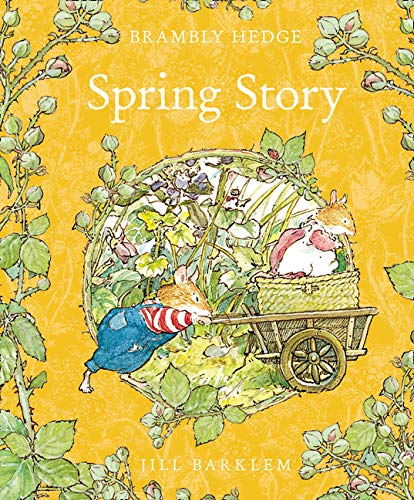
The mice of Brambly Hedge prepare for a spring party. Detailed and cosy.
Best for: tiny mice.
How We Chose These Books
Every pick is a real, widely available book that shares something specific with Winnie-the-Pooh: its tone, its themes, its pace or the kind of characters it puts at the center. We mixed well-known favorites with a few less obvious titles, and we noted who each book suits best so you can match it to the reader. Where a book belongs to a series, we list the first volume so you can start at the beginning.
If you are not sure where to begin, start with the first three picks in the table: they are the closest match to Winnie-the-Pooh. The rest of the list moves further out, so it works well once you know which part of the original you liked most.
How to Choose
For classic animals, read The Wind in the Willows. For gentle friendship, try Charlotte's Web. For rhyme, pick Goodnight Moon.
Related: 15 Books Like Wings of Fire Kids Will Love: Dragons, Quests and Animal Adventures · 12 Dystopian Books Like the Hunger Games | Best Books to Read Like Hunger Games
Frequently Asked Questions
Who wrote Winnie-the-Pooh?
A. A. Milne, in 1926.
Who illustrated it?
E. H. Shepard.
What age is it for?
About 3 to 8.
Which book here is best for tiny mice?
Try Spring Story by Jill Barklem, which suits readers looking for tiny mice.
Which book here is best for love and loss?
Try The Miraculous Journey of Edward Tulane by Kate DiCamillo, which suits readers looking for love and loss.
Which book here is best for readers who like bold heroines?
Try Pippi Longstocking by Astrid Lindgren, which suits readers looking for readers who like bold heroines.
Which book here is best for classic comfort?
Try Corduroy by Don Freeman, which suits readers looking for classic comfort.
Which book here is best for simple picture book?
Try The Giving Tree by Shel Silverstein, which suits readers looking for simple picture book.