
Disclosure: As an Amazon Associate, Bookish Wisdom earns from qualifying purchases. This doesn't change our picks or your price.
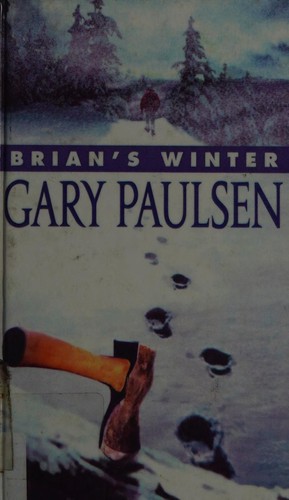
TL;DR: In Hatchet, thirteen-year-old Brian Robeson is rescued at the end of summer after surviving alone in the Canadian wilderness. Brian's Winter imagines another ending: what if he had not been rescued? Now Brian must survive the brutal northern winter with only his hatchet, a survival pack and his growing skills, facing freezing cold, a bear and a moose.
Table of Contents
Brian's Winter at a Glance
| Author | Gary Paulsen |
| First published | 1996 |
| Type | Survival novel |
| Best for | readers who loved Hatchet and want a gripping survival story in winter |
Brian's Winter is a survival novel by Gary Paulsen, published in 1996. It is an alternate sequel to Hatchet, written because readers kept asking what would have happened if Brian had not been rescued. Below you will find a part-by-part summary, five key takeaways, ideas worth remembering and a note on who will enjoy it.
Content note: Includes animal attacks, hunting and life-threatening cold.
Main Characters
- Brian Robeson: A thirteen-year-old survivor.
- Betty: A skunk who becomes Brian's companion.
- The bear: A powerful animal Brian must respect.
- The moose: A dangerous animal that attacks Brian.
- The Smallhorn family: A Cree trapping family.
What Happens, Part by Part (Contains Spoilers)
No rescue
Brian is not rescued in summer. He lives in his lean-to shelter by the lake. The weather grows colder, and he realizes he must prepare for winter. He builds better walls, gathers firewood and makes warmer clothes from deer hides. He learns to read the signs of the changing season.
Hunting
Brian makes a bow and arrows to hunt rabbits, birds and deer. He learns to use every part of an animal. He develops patience and quiet skill. He also faces danger, such as a moose that attacks him and a bear that visits his camp. He learns that animals must be respected, not feared.
Betty
A skunk wanders into Brian's shelter and sprays him. Later, she returns, and they form an odd friendship. Brian names her Betty. She helps him feel less lonely, even though she sometimes takes his food. Brian learns to share space with wild animals.
Deep winter
The cold becomes extreme. Brian makes snowshoes, a sled and warmer clothing. He learns to hunt deer and to keep his fire going. He is injured but survives. Each day is a challenge, but Brian grows more confident and calm.
Rescue
One day, Brian finds a trail left by a sled. He follows it for many days. At the end of the trail, he finds the Smallhorns, a Cree family of trappers. They welcome him and help him return home. Brian has survived the winter, changed forever by the experience.
5 Key Takeaways
- Survival requires preparation.
- Respect for nature is essential.
- Patience and observation can save lives.
- Courage grows through experience.
- Even loneliness can be survived.
Ideas Worth Remembering
These are paraphrased, not direct quotes:
- Every skill learned is a tool for life.
- Small comforts matter in hard times.
- The wild can teach us about ourselves.
Who Should Read Brian's Winter?
Read Brian's Winter if you enjoyed Hatchet and like survival stories. It suits ages 10 to 14.
About Gary Paulsen
Gary Paulsen (1939–2021) was an American author of more than 200 books. He drew on his own experiences as a hunter, trapper and dog-sled racer. He ran the Iditarod sled dog race twice. His Brian books include Hatchet, The River, Brian's Winter, Brian's Return and Brian's Hunt. He won three Newbery Honors.
Questions to Think About After Reading
These prompts work for solo reading, a book club or a classroom discussion of Brian's Winter:
- How does Brian prepare for winter?
- Why does Brian respect the bear and the moose?
- How has Brian changed since Hatchet?
How to Use This Summary
Use this page as a quick reference before a book club meeting, an exam, or a decision about whether Brian's Winter is worth your time. The takeaways are written to stand on their own. If a point interests you, go back to the book for the author's full story, characters and style, which no short summary can replace.
A Note on Accuracy and Spoilers
This summary is based on the published text of Brian's Winter, not on any film, series or stage adaptation, which often change the story. Details are kept at the level of the main events so that nothing is invented. Editions differ slightly in length and wording, so page numbers and small details may vary between copies.
Should You Read the Book?
Yes. It is gripping and detailed, especially for readers who want to know more about survival.
Check price of Brian's Winter on Amazon
What to Read Next
- Hatchet by Gary Paulsen: the original survival story
- The River by Gary Paulsen: Brian returns to the wilderness
- My Side of the Mountain by Jean Craighead George: a boy lives alone in the wild
Related: 15 Books Like Hatchet by Gary Paulsen You’ll Love: Survival Adventures for Young Readers · The River by Gary Paulsen: Summary and Key Takeaways
Frequently Asked Questions
What is Brian's Winter about?
Brian survives a winter alone in the wilderness.
Who wrote it?
Gary Paulsen, in 1996.
Is it a sequel?
It is an alternate ending to Hatchet.
Who is Betty?
A skunk who becomes Brian's companion.
How does Brian survive?
By hunting, building shelter and making warm clothes.
Who rescues him?
The Smallhorn family, Cree trappers.
What age is it for?
Ages 10 to 14.
How long is it?
About 130 pages.
Do I need to read Hatchet first?
Yes.
Is it based on real survival skills?
Yes, Paulsen used his own experience.
Are there more Brian books?
Yes, Brian's Return and Brian's Hunt.
Is it exciting?
Yes, full of survival challenges.
Is it a good book for reluctant readers?
Yes. It is short and action-packed.
Is Brian's Winter worth reading?
It depends on what you want. The book is best for readers who loved Hatchet and want a gripping survival story in winter. If that describes you, it is likely a good fit. If not, the titles under What to Read Next may suit you better.