Pedagogy of the Oppressed by Paulo Freire: Summary and Key Takeaways
Brazilian educator Paulo Freire argues that traditional education treats students as empty containers to be filled, which he calls the banking model.

Brazilian educator Paulo Freire argues that traditional education treats students as empty containers to be filled, which he calls the banking model.

Uruguayan writer Eduardo Galeano traces five centuries of exploitation of Latin America, from the Spanish silver mines to modern multinational corporations.
Ozzy Osbourne tells his life story, from a poor childhood in Birmingham, England, to fronting Black Sabbath, his solo career, his struggles with addiction, and his reinvention as a reality TV star.
Jordan Belfort recounts how he built the brokerage Stratton Oakmont, made millions selling penny stocks and lived a life of drugs and parties until the FBI closed in.
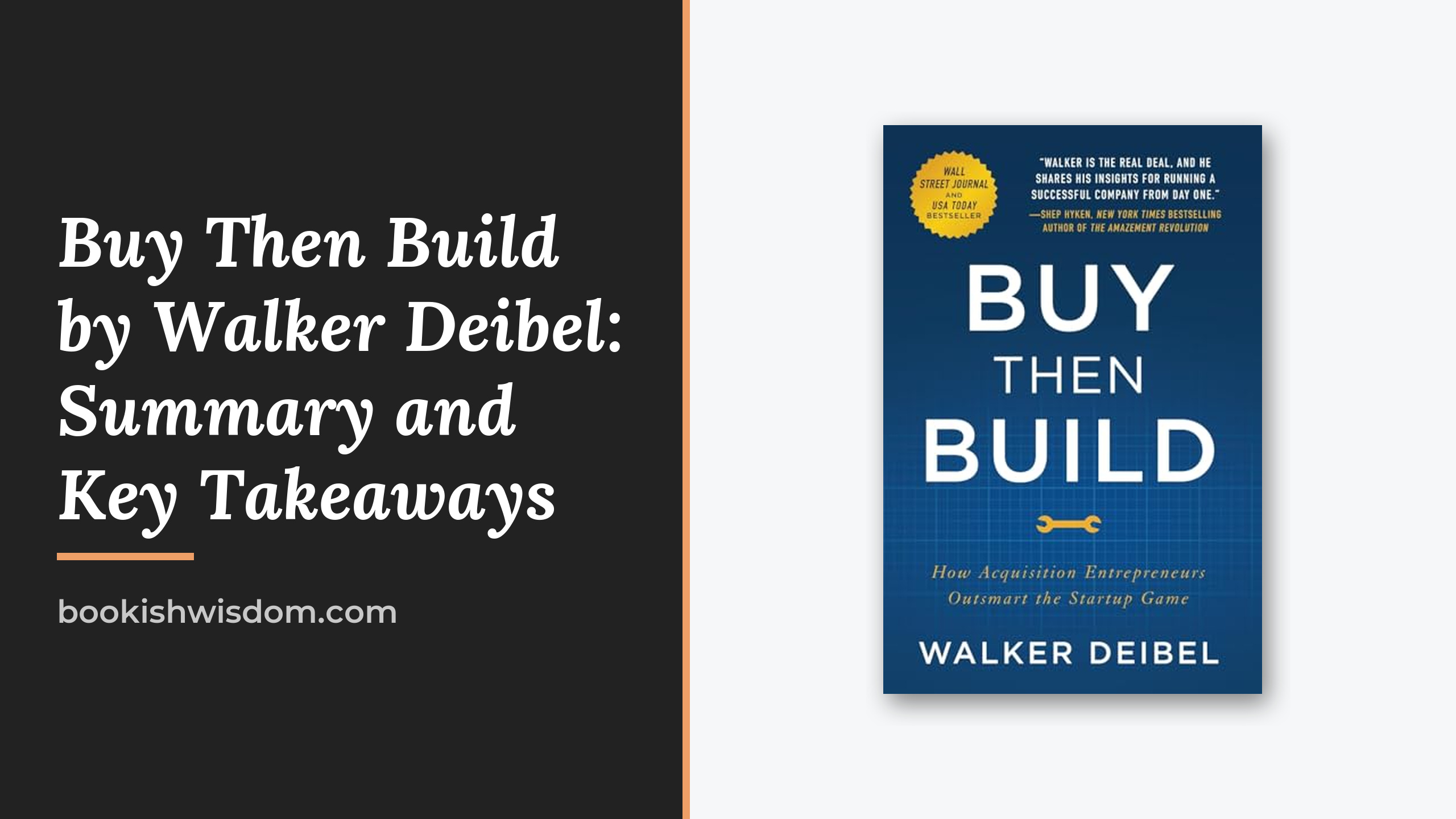
Walker Deibel argues that buying an existing small business is a safer path to ownership than starting from scratch.
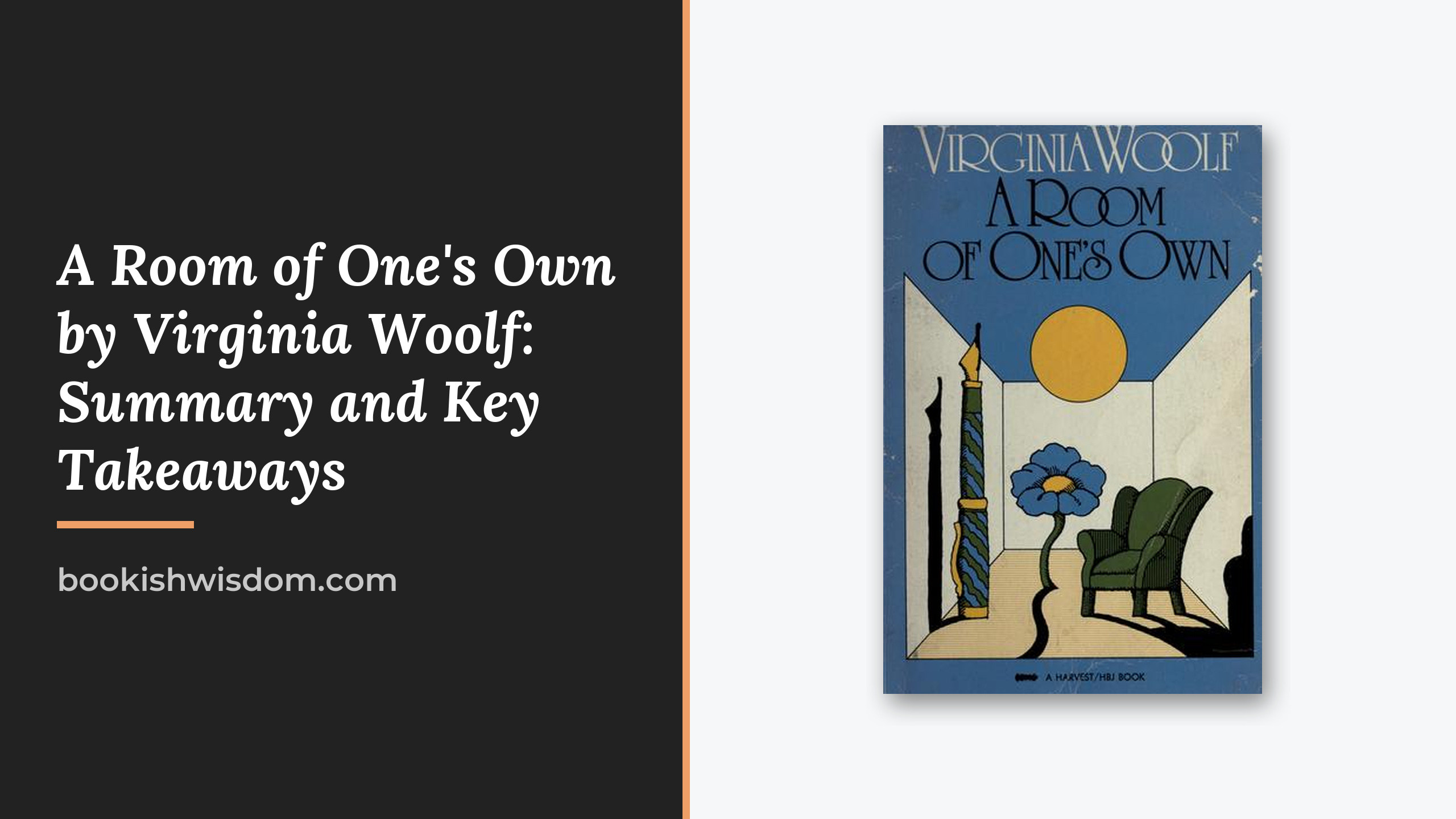
In this famous essay, based on lectures given at women’s colleges at Cambridge, Virginia Woolf argues that a woman must have money and a room of her own if she is to write fiction.
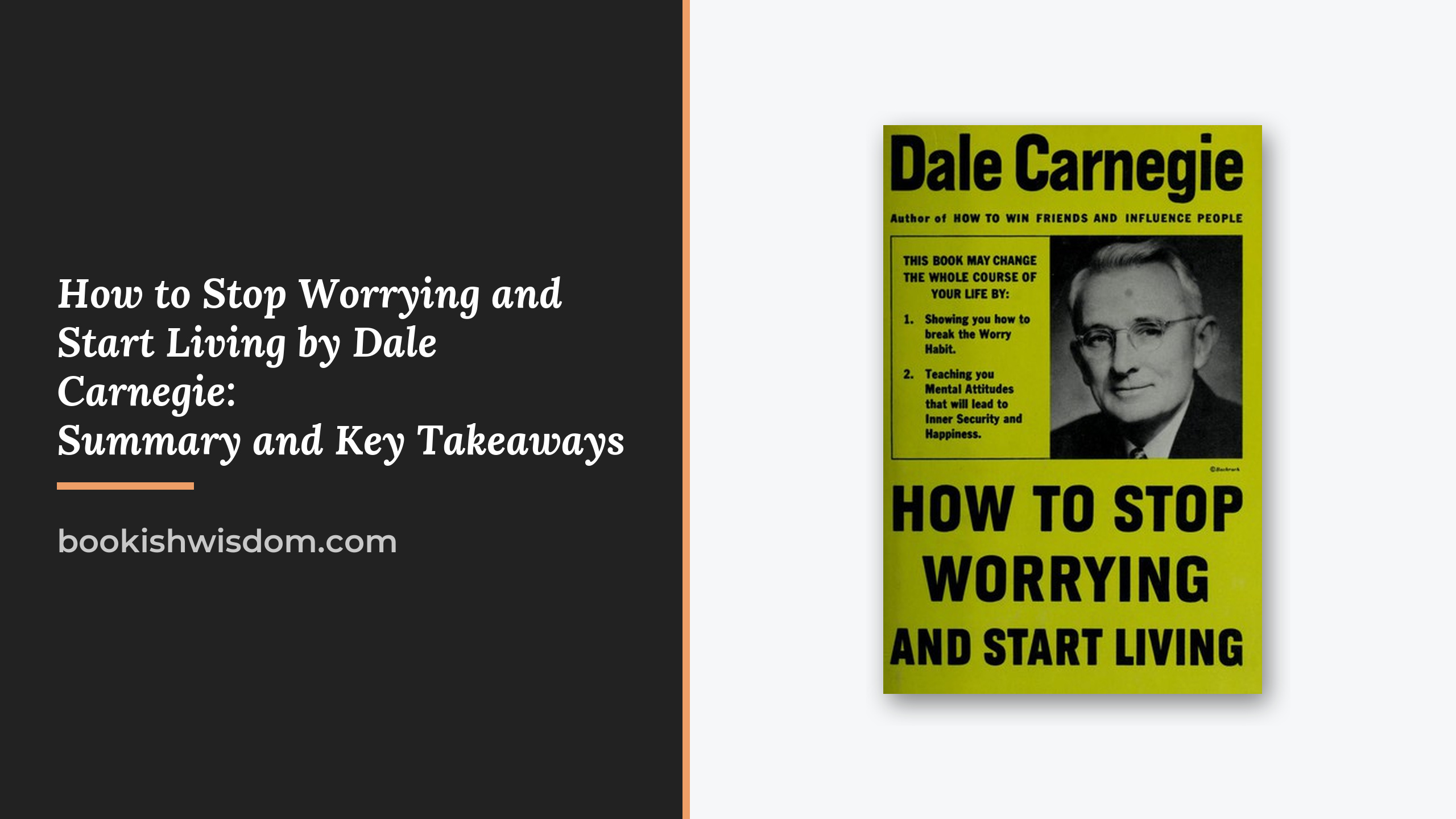
Dale Carnegie gathers stories and techniques to help people reduce worry.

Walter Rodney argues that Africa’s economic underdevelopment is largely the result of centuries of exploitation by European powers, including the slave trade and colonial rule, rather than an inherent failing.
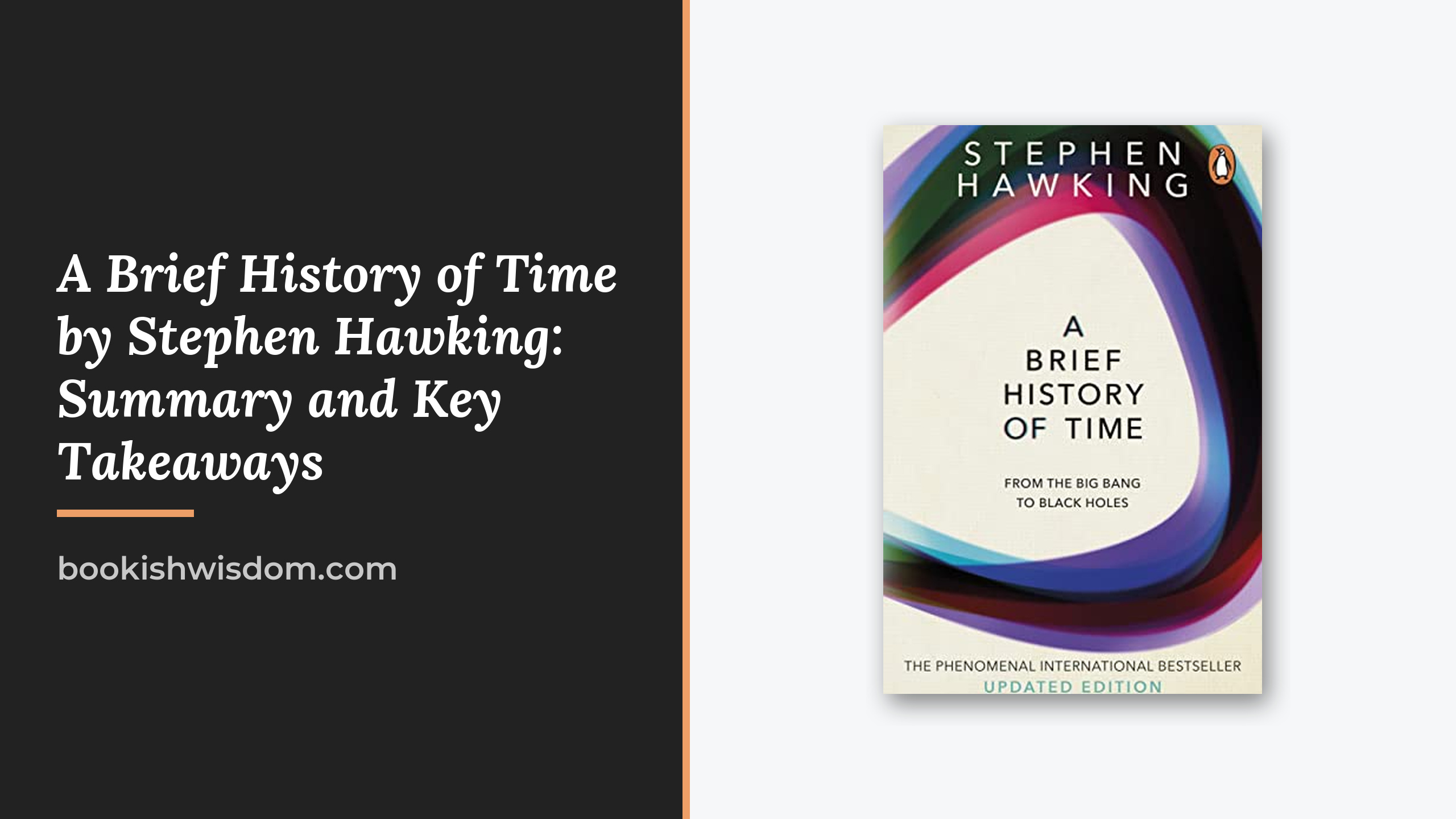
Stephen Hawking explains big ideas in cosmology: the Big Bang, black holes, space and time, and the search for a theory that unites physics.