

Disclosure: As an Amazon Associate, Bookish Wisdom earns from qualifying purchases. This doesn't change our picks or your price.
TL;DR: Leigh Botts, a lonely boy in a new town, writes letters to his favorite author, Mr. Henshaw, starting in second grade. When Mr. Henshaw asks him questions in return, Leigh begins keeping a diary instead. Through his writing, he deals with his parents' divorce, his absent truck-driver father and a lunch thief at school, and learns to grow.
Table of Contents
Dear Mr. Henshaw at a Glance
| Author | Beverly Cleary |
| First published | 1983 |
| Type | Children's novel |
| Best for | young readers who want an honest, gentle story about divorce and growing up |
Dear Mr. Henshaw is a children's novel by Beverly Cleary, published in 1983. It won the Newbery Medal. The story is told through letters and diary entries. Below you will find a part-by-part summary, five key takeaways, ideas worth remembering and a note on who will enjoy it.
Content note: Very gentle; deals with divorce and loneliness.
Main Characters
- Leigh Botts: A sixth-grader who writes letters and a diary.
- Mr. Henshaw: A children's author Leigh admires.
- Leigh's mother: A hardworking caterer raising Leigh alone.
- Leigh's father: A long-distance truck driver.
- Bandit: Leigh's beloved dog, who stays with his father.
What Happens, Part by Part (Contains Spoilers)
Letters to an author
Leigh first writes to Mr. Henshaw in second grade about the book Ways to Amuse a Dog. Years later, in sixth grade, he writes again for a school assignment. Mr. Henshaw sends back questions, which Leigh answers grudgingly at first.
A diary
Mr. Henshaw suggests Leigh keep a diary. Leigh starts writing “Dear Mr. Pretend Henshaw” entries. He describes his small house in California, his parents' divorce and how much he misses his father and their dog, Bandit.
The lunch thief
Someone keeps stealing the best food from Leigh's lunch. Frustrated, he builds a burglar alarm for his lunchbox with help from a store worker. The alarm works, and Leigh becomes popular at school, though he never learns who the thief was.
Writing a story
Leigh enters a young writers' contest. He writes a true story about riding with his father in his truck. He receives honorable mention and meets a real author, Angela Badger, who tells him his writing is special because it is honest.
Acceptance
Leigh's father visits, bringing Bandit, and admits he cannot change his life. Leigh realizes his parents will not get back together. He lets his father keep Bandit for company, accepting that things will be okay even if they are not what he wished.
5 Key Takeaways
- Writing can help us understand our feelings.
- Divorce is hard, but children can find their way through it.
- Honest writing is powerful.
- Small victories build confidence.
- Accepting what we cannot change brings peace.
Ideas Worth Remembering
These are paraphrased, not direct quotes:
- Writing to someone else can help you talk to yourself.
- Feeling lonely is easier when you put it into words.
- Everyday life is worth writing about.
Who Should Read Dear Mr. Henshaw?
Read Dear Mr. Henshaw if you are a young reader, a writer or a child going through family changes. It suits ages 8 to 12.
Questions to Think About After Reading
These prompts work for solo reading, a book club or a classroom discussion of Dear Mr. Henshaw:
- How does writing help Leigh?
- Why doesn't Leigh's father change?
- Why does Leigh let his father keep Bandit?
How to Use This Summary
Use this page as a quick reference before a book club meeting, an exam, or a decision about whether Dear Mr. Henshaw is worth your time. The takeaways are written to stand on their own. If a point interests you, go back to the book for the author's full story, characters and style, which no short summary can replace.
A Note on Accuracy and Spoilers
This summary is based on the published text of Dear Mr. Henshaw, not on any film, series or stage adaptation, which often change the story. Details are kept at the level of the main events so that nothing is invented. Editions differ slightly in length and wording, so page numbers and small details may vary between copies.
Should You Read the Book?
Yes. It is short, warm and honest, and its letter format makes it easy and personal to read.
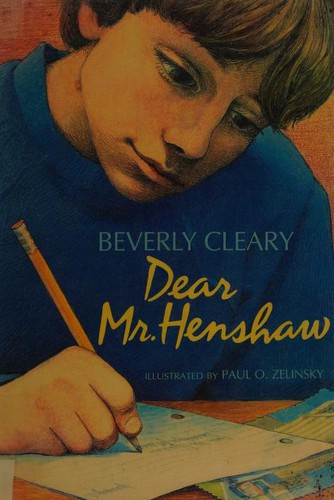
Check price of Dear Mr. Henshaw on Amazon
What to Read Next
- Strider by Beverly Cleary: the sequel about Leigh's teenage years
- Ramona Quimby, Age 8 by Beverly Cleary: family life and school
- Because of Winn-Dixie by Kate DiCamillo: a lonely child finds friends
Related: The Mouse and the Motorcycle by Beverly Cleary: Summary and Key Takeaways
Frequently Asked Questions
What is Dear Mr. Henshaw about?
A boy writes letters and a diary to a favorite author while coping with his parents' divorce.
Who wrote it?
Beverly Cleary, in 1983.
Did it win awards?
Yes, the 1984 Newbery Medal.
Who is Mr. Henshaw?
A children's author Leigh admires.
Who stole Leigh's lunch?
The book never reveals it.
Is there a sequel?
Yes, Strider (1991).
What age is it for?
About 8 to 12.
How long is it?
About 130 pages.
Why is it written as letters?
So we hear Leigh's thoughts directly, in his own words.
What happens to Bandit?
Leigh lets his father keep the dog for company.
Who are the main characters in Dear Mr. Henshaw?
The main characters are Leigh Botts, Mr. Henshaw, Leigh's mother, Leigh's father and Bandit. Leigh Botts: A sixth-grader who writes letters and a diary. Mr. Henshaw: A children's author Leigh admires. Leigh's mother: A hardworking caterer raising Leigh alone.
Is Dear Mr. Henshaw worth reading?
It depends on what you want. The book is best for young readers who want an honest, gentle story about divorce and growing up. If that describes you, it is likely a good fit. If not, the titles under What to Read Next may suit you better.