
Disclosure: As an Amazon Associate, Bookish Wisdom earns from qualifying purchases. This doesn't change our picks or your price.
TL;DR: Alonso Quixano, a Spanish gentleman, reads so many books of chivalry that he decides to become a knight-errant named Don Quixote. With the farmer Sancho Panza as his squire, he rides out to right wrongs, battling windmills he believes are giants. His mad, comic adventures end when he returns home, regains his sanity and dies.
Table of Contents
Don Quixote at a Glance
| Author | Miguel de Cervantes |
| First published | 1615 |
| Type | Novel |
| Best for | readers who want the founding classic of the modern novel, full of humor and heart |
Don Quixote is a novel by Miguel de Cervantes, published in two parts in 1605 and 1615. It is often called the first modern novel and one of the greatest works of fiction ever written. Below you will find a part-by-part summary, five key takeaways, ideas worth remembering and a note on who will enjoy it.
Content note: Includes slapstick violence.
Main Characters
- Don Quixote: A gentleman who believes he is a knight-errant.
- Sancho Panza: A practical farmer who becomes his squire.
- Dulcinea del Toboso: A peasant woman Quixote imagines as his noble lady.
- Rocinante: Quixote's old, bony horse.
- Sansón Carrasco: A student who tries to bring Quixote home.
What Happens, Part by Part (Contains Spoilers)
Becoming a knight
Alonso Quixano, a gentleman of La Mancha, loses his mind from reading chivalric romances. He names himself Don Quixote, polishes old armor, renames his nag Rocinante and chooses a farm girl as his lady, Dulcinea. An innkeeper he takes for a lord “knights” him as a joke.
The windmills
Quixote persuades Sancho Panza to be his squire, promising him an island to govern. In the most famous scene, Quixote charges a line of windmills, believing they are giants, and is knocked down. He attacks sheep, frees chained convicts and gets beaten repeatedly, always explaining failures as the work of enchanters.
Part One's end
Friends from his village, the priest and the barber, trick him into returning home in a cage. Along the way, many other stories unfold at an inn.
Part Two
In Part Two, Quixote and Sancho find that a book about their adventures has been published, and people recognize them. A duke and duchess play elaborate pranks on them and even make Sancho governor of a fake “island,” where he rules surprisingly wisely.
The ending
Sansón Carrasco, disguised as the Knight of the White Moon, defeats Quixote and makes him promise to return home for a year. Back home, Quixote falls ill, regains his sanity, renounces chivalry books and dies as Alonso Quixano the Good. Sancho, heartbroken, urges him to go on another adventure.
5 Key Takeaways
- Imagination can be both foolish and noble.
- Idealism looks mad in a cynical world.
- Friendship grows between very different people.
- Stories shape how we see reality.
- Humor can carry deep meaning.
Ideas Worth Remembering
These are paraphrased, not direct quotes:
- Tilting at windmills means fighting imaginary enemies.
- Dreaming the impossible can be a form of courage.
- Practical sense and idealism need each other.
Who Should Read Don Quixote?
Read Don Quixote if you want a funny, wise classic. It is long, so modern translations like Edith Grossman's help a great deal.
Questions to Think About After Reading
These prompts work for solo reading, a book club or a classroom discussion of Don Quixote:
- Is Don Quixote mad or wise?
- How does Sancho change?
- What does the novel say about books and reality?
How to Use This Summary
Use this page as a quick reference before a book club meeting, an exam, or a decision about whether Don Quixote is worth your time. The takeaways are written to stand on their own. If a point interests you, go back to the book for the author's full story, characters and style, which no short summary can replace.
A Note on Accuracy and Spoilers
This summary is based on the published text of Don Quixote, not on any film, series or stage adaptation, which often change the story. Details are kept at the level of the main events so that nothing is invented. Editions differ slightly in length and wording, so page numbers and small details may vary between copies.
Should You Read the Book?
If the summary caught your interest, read the opening chapters before you decide. A summary tells you what happens, but the voice and pacing are what make a book work or not.
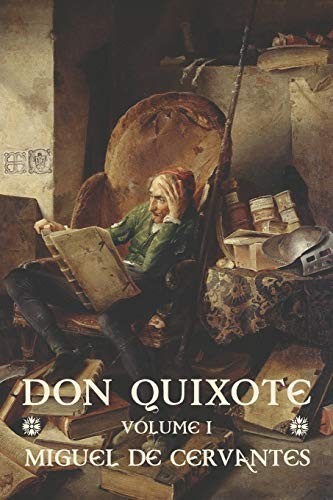
Check price of Don Quixote on Amazon
What to Read Next
- Gulliver's Travels by Jonathan Swift: satirical adventures
- Tristram Shandy by Laurence Sterne: a playful early novel
- Candide by Voltaire: a comic journey through a cruel world
Related: 15 Books Like Don Quixote You’ll Love
Frequently Asked Questions
What is Don Quixote about?
A gentleman who believes he is a knight sets out on comic adventures with his squire.
Why does he fight windmills?
He believes they are giants.
Who is Sancho Panza?
His loyal, practical squire.
Who is Dulcinea?
A peasant woman he imagines as a noble lady.
Is it the first modern novel?
It is often called that.
How does it end?
Quixote regains his sanity and dies peacefully.
Which translation is best?
Edith Grossman's is widely praised.
How long is it?
Around 1,000 pages.
Who are the main characters in Don Quixote?
The main characters are Don Quixote, Sancho Panza, Dulcinea del Toboso, Rocinante and Sansón Carrasco. Don Quixote: A gentleman who believes he is a knight-errant. Sancho Panza: A practical farmer who becomes his squire. Dulcinea del Toboso: A peasant woman Quixote imagines as his noble lady.
Is Don Quixote worth reading?
It depends on what you want. The book is best for readers who want the founding classic of the modern novel, full of humor and heart. If that describes you, it is likely a good fit. If not, the titles under What to Read Next may suit you better.