
Disclosure: As an Amazon Associate, Bookish Wisdom earns from qualifying purchases. This doesn't change our picks or your price.
TL;DR: Dubliners is a collection of fifteen short stories about ordinary people in early 20th-century Dublin. The stories move from childhood to adulthood and public life, capturing paralysis and missed chances. The final story, “The Dead,” is among the most famous in English.
Table of Contents
Dubliners at a Glance
| Author | James Joyce |
| First published | 1914 |
| Type | Short story collection |
| Best for | readers who want a classic of modern short fiction |
Dubliners is a short story by James Joyce, first published in 1914. The book was delayed for years because publishers feared lawsuits over its realism. It is Joyce's first major book. Below you will find a part-by-part summary, five key takeaways, a few ideas worth remembering and a note on who will enjoy it most. The part-by-part section gives away the plot, including the ending, so skip it if you have not read the book yet.
What Happens (Contains Spoilers)
Childhood
The first stories follow boys, including “The Sisters” and “Araby.”
Adolescence
The next stories show young adults caught in routine.
Maturity
Stories like “A Painful Case” and “Clay” show adult disappointment.
Public life
“Ivy Day in the Committee Room” shows politics.
Paralysis
Many characters are stuck.
The Dead
The final story ends with a snowy epiphany.
The Summary at a Glance
| Part | In one line |
|---|---|
| Childhood | The first stories follow boys, including “The Sisters” and “Araby.” |
| Adolescence | The next stories show young adults caught in routine. |
| Maturity | Stories like “A Painful Case” and “Clay” show adult disappointment. |
| Public life | “Ivy Day in the Committee Room” shows politics. |
| Paralysis | Many characters are stuck. |
| The Dead | The final story ends with a snowy epiphany. |
5 Key Takeaways
- Routine can trap people.
- Moments of epiphany matter.
- Small details reveal character.
- A city shapes lives.
- Paralysis is a theme.
Ideas Worth Remembering
These are paraphrased, not direct quotes:
- The style is realistic and precise.
- The stories can be read separately.
- “The Dead” is the high point.
Who Should Read Dubliners?
Read it if you want an entry to Joyce. It is accessible.
Questions to Think About After Reading
These prompts work for solo reading, a book club or a classroom discussion of Dubliners:
- What detail in the story seemed small at first but turned out to matter?
- Who is right, and who is wrong, if anyone?
- What would you ask the author about the ending?
Quick Facts to Remember
- Book: Dubliners by James Joyce (1914)
- Type: Short story collection
- Best for: readers who want a classic of modern short fiction
- Main idea in one line: Routine can trap people.
Reading Time and Format
A short story can be read in a single sitting. It often appears in collections and anthologies, so check which one your library or bookshop has. Whichever format you choose, a library copy is a low-cost way to try the book before you buy, and used or digital editions are often cheaper than new print copies.
How to Use This Summary
Use this page as a quick reference before a book club meeting, an exam, or a decision about whether Dubliners is worth your time. The takeaways are written to stand on their own. If a point interests you, go back to the book for the author's full argument, examples and style, which no short summary can carry.
A simple way to get the most from it: first read the TL;DR and the takeaways to decide if the book fits your interests, then read the part-by-part section for the structure, and finally write down one idea you want to remember or one question you want answered by the full text.
A Note on Accuracy and Spoilers
This summary is based on the published text of Dubliners, not on any film, series or stage adaptation, which often change the story. Details are kept at the level of the main events so that nothing is invented. Editions differ slightly in length and wording, so page numbers and small details may vary from your copy.
Should You Read the Book?
A short story takes under an hour, so read it first if you can. Then use this summary to check what you noticed. If you are still unsure, read a free sample or the first chapter, because the opening pages usually show whether the voice and subject suit you. Reviews from readers with tastes like yours can help too, but your own reaction to a few pages is the best test.
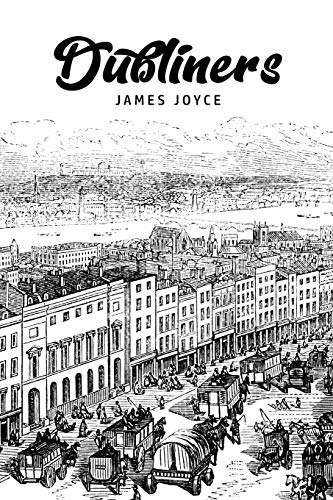
Check price of Dubliners on Amazon
What to Read Next
- A Portrait of the Artist as a Young Man by James Joyce: Joyce's coming-of-age novel
- Ulysses by James Joyce: Joyce's masterpiece
- Winesburg, Ohio by Sherwood Anderson: a collection of small-town stories
Frequently Asked Questions
Is Dubliners hard to read?
It is easier than Joyce's later works.
What is “The Dead”?
The final story.
Who wrote it?
James Joyce.
Is Dubliners worth reading?
It depends on what you want. The book is best for readers who want a classic of modern short fiction. If that describes you, it is likely a good fit. If not, the titles under What to Read Next may suit you better.
Can this summary replace reading Dubliners?
No. A summary covers the main events and ideas, but it cannot carry the author's voice, detail or pacing. Use it to decide whether to read the book, to refresh your memory or to prepare for a discussion.
What are the main themes of Dubliners?
Dubliners returns again and again to a few big ideas. Routine can trap people. Moments of epiphany matter. Small details reveal character. A city shapes lives. Paralysis is a theme. The part-by-part summary above shows where each of these ideas appears in the story.
What ideas from Dubliners are worth remembering?
Readers often come away with these points in mind: The style is realistic and precise. The stories can be read separately. “The Dead” is the high point.