
Disclaimer: This post may contain affiliate links. If you click and buy, we may make a commission at no additional charge to you. Please see our affiliate disclosure for more details.
Table of Contents
Fred Hoyle Books Checklist PDF
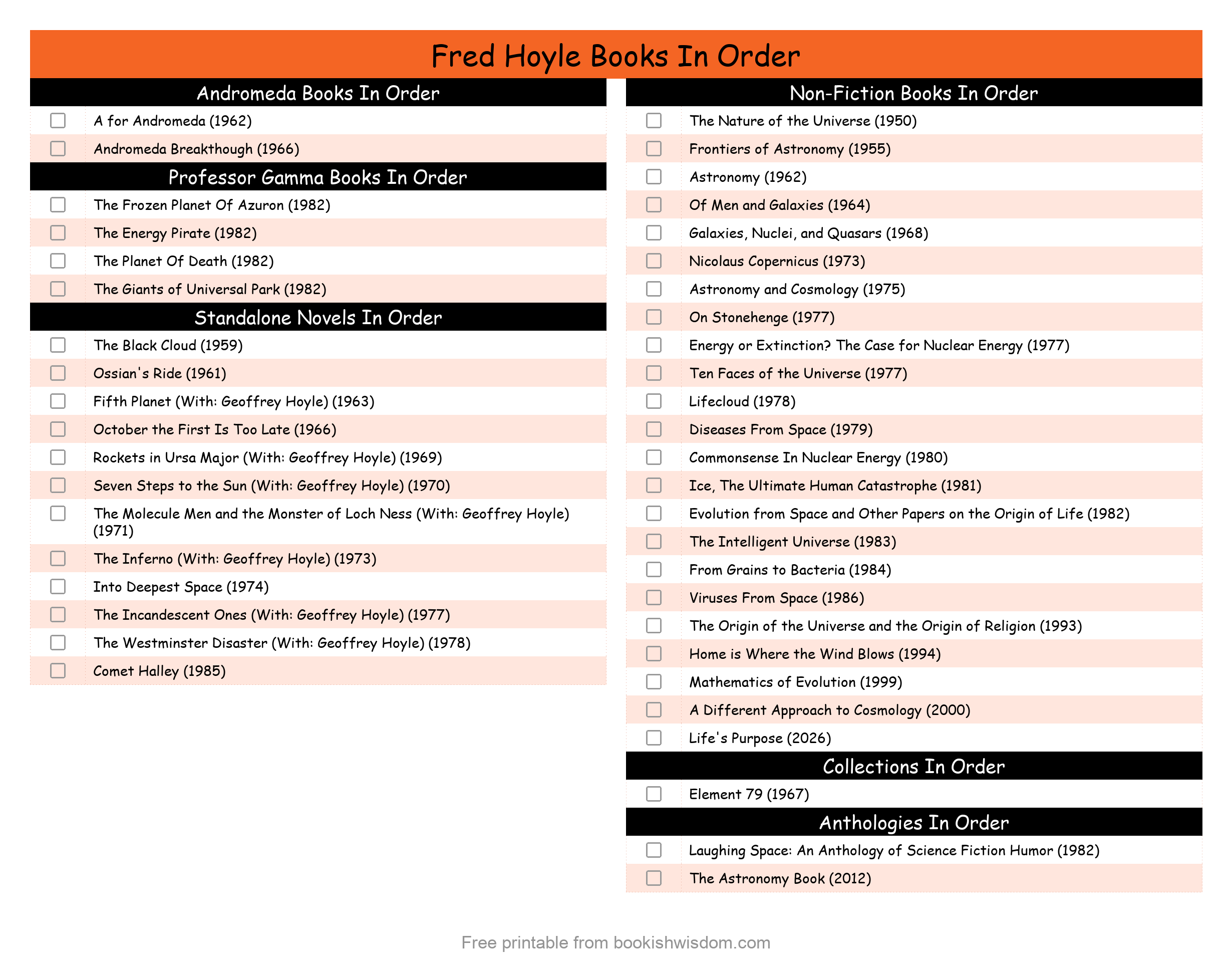
Below is a Fred Hoyle book list in printable checklist sized 8.5″ x 11″.
This Link is for those who want an editable Google Sheet. To use the sheet:
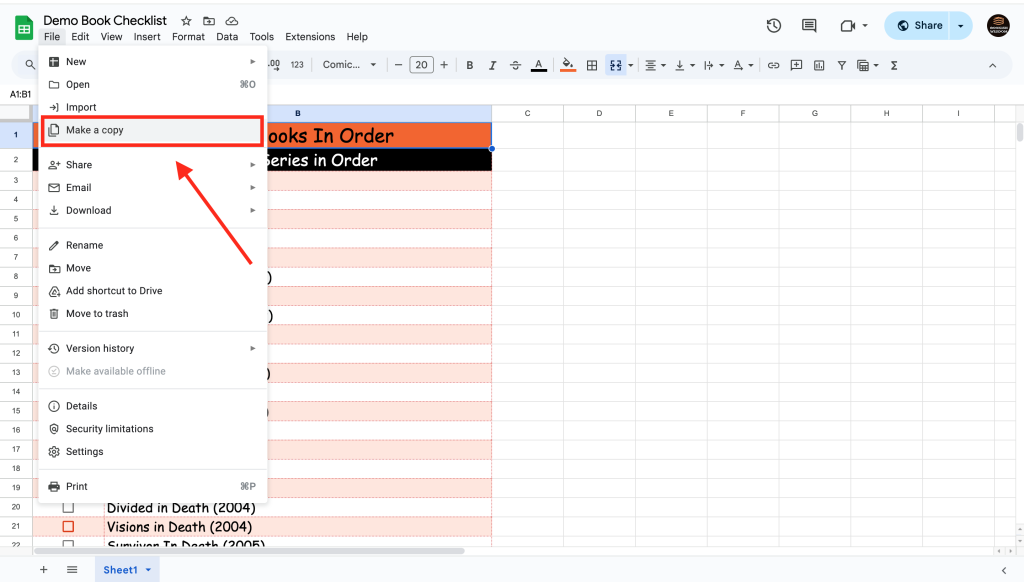

- Click on the sheet-> File-> Make a copy
- Click on Make a Copy. Then it will create a copy for you.
Now, the copied sheet is yours. You can use the sheet now.
Want the whole list on one page? Here is the complete Fred Hoyle checklist as a single image:
Fred Hoyle Books In Order Printable List PDF
Fred Hoyle Books In Order
Andromeda Books In Order
- A for Andromeda – 1962
- Andromeda Breakthough – 1966
Professor Gamma Books In Order
- The Frozen Planet Of Azuron – 1982
- The Energy Pirate – 1982
- The Planet Of Death – 1982
- The Giants of Universal Park – 1982
Standalone Novels In Order
- The Black Cloud – 1959
- Ossian’s Ride – 1961
- Fifth Planet (With: Geoffrey Hoyle) – 1963
- October the First Is Too Late – 1966
- Rockets in Ursa Major (With: Geoffrey Hoyle) – 1969
- Seven Steps to the Sun (With: Geoffrey Hoyle) – 1970
- The Molecule Men and the Monster of Loch Ness (With: Geoffrey Hoyle) – 1971
- The Inferno (With: Geoffrey Hoyle) – 1973
- Into Deepest Space – 1974
- The Incandescent Ones (With: Geoffrey Hoyle) – 1977
- The Westminster Disaster (With: Geoffrey Hoyle) – 1978
- Comet Halley – 1985
Non-Fiction Books In Order
- The Nature of the Universe – 1950
- Frontiers of Astronomy – 1955
- Astronomy – 1962
- Of Men and Galaxies – 1964
- Galaxies, Nuclei, and Quasars – 1968
- Nicolaus Copernicus – 1973
- Astronomy and Cosmology – 1975
- On Stonehenge – 1977
- Energy or Extinction? The Case for Nuclear Energy – 1977
- Ten Faces of the Universe – 1977
- Lifecloud – 1978
- Diseases From Space – 1979
- Commonsense In Nuclear Energy – 1980
- Ice, The Ultimate Human Catastrophe – 1981
- Evolution from Space and Other Papers on the Origin of Life – 1982
- The Intelligent Universe – 1983
- From Grains to Bacteria – 1984
- Viruses From Space – 1986
- The Origin of the Universe and the Origin of Religion – 1993
- Home is Where the Wind Blows – 1994
- Mathematics of Evolution – 1999
- A Different Approach to Cosmology – 2000
- Life’s Purpose – 2026
Collections In Order
- Element 79 – 1967
Anthologies In Order
Top Fred Hoyle Books to Read
Here are the top Fred Hoyle books to read:
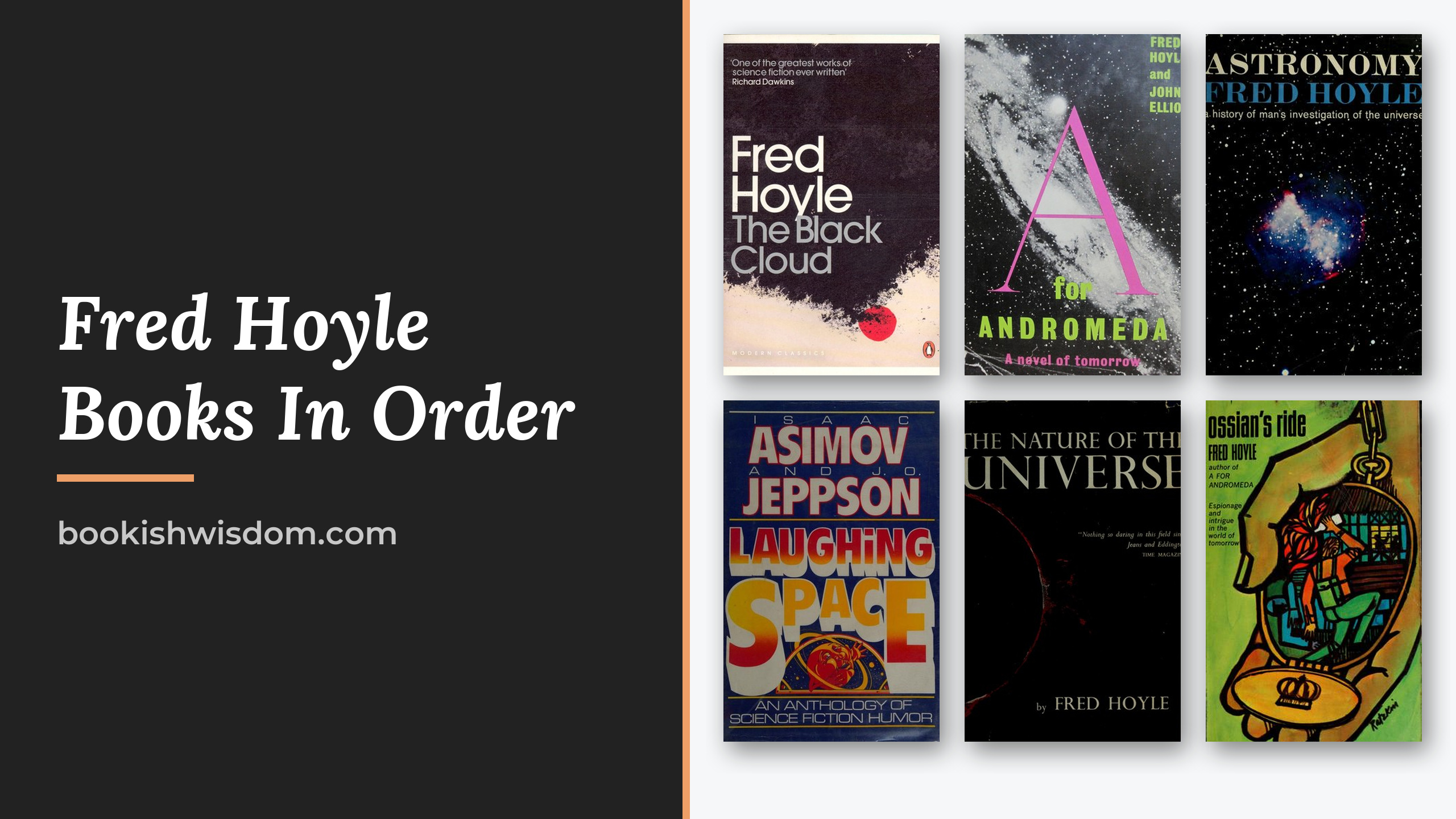
1. The Black Cloud
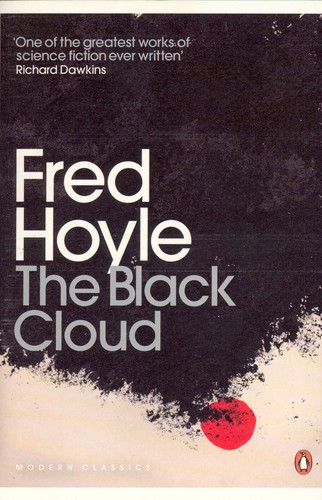
A cloud enters the solar system.
2. A for Andromeda
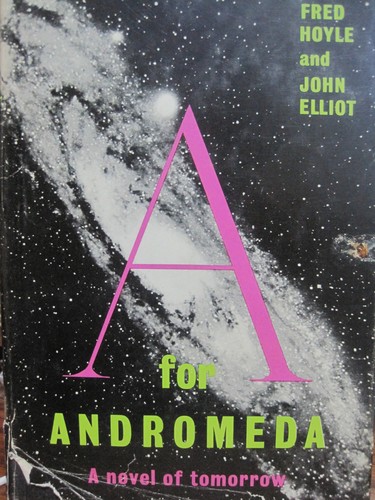
A signal from space.
3. Astronomy
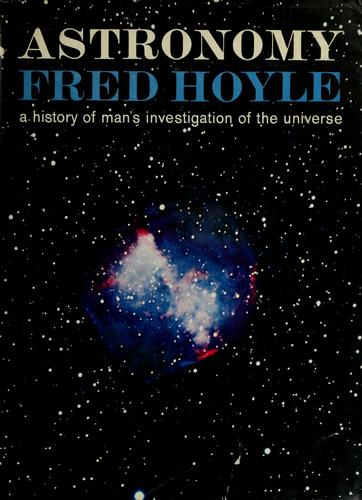
A history of astronomy.
4. Laughing Space: An Anthology of Science Fiction Humor
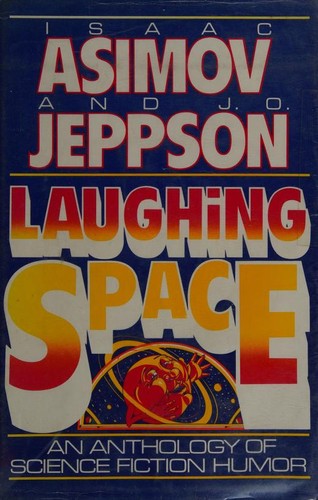
An anthology.
5. The Nature of the Universe
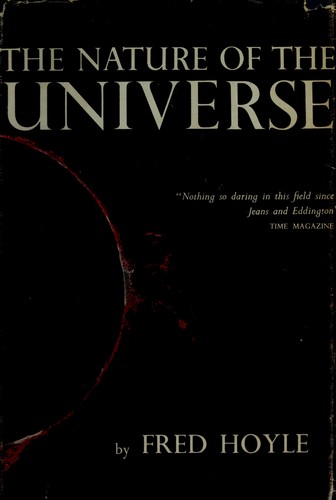
Talks on the cosmos.
6. Ossian’s Ride
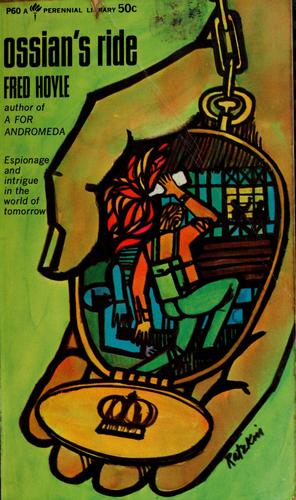
A science fiction thriller.
7. The Planet Of Death
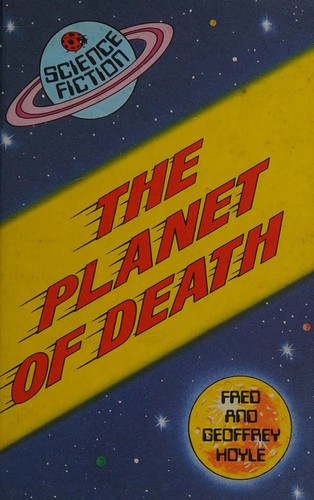
A story.
8. October the First Is Too Late
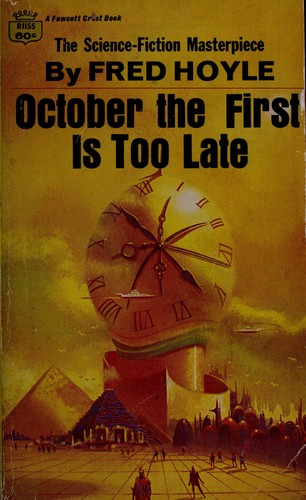
A time fracture novel.
9. A Different Approach to Cosmology
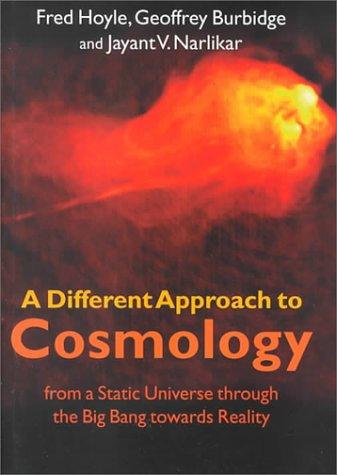
An alternative to the Big Bang.
10. The Giants of Universal Park
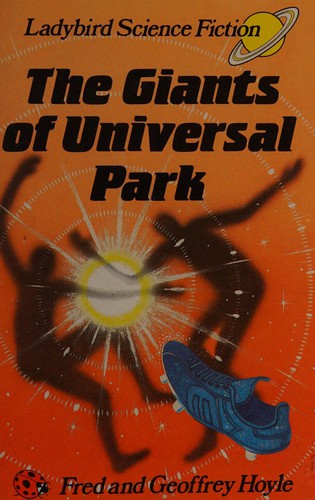
A story.
About Fred Hoyle
Fred Hoyle was a British physicist and science fiction writer born in 1915.
He was knighted and wrote both science books and novels.
FAQ – Fred Hoyle Books In Order
Q: Where should I start with Fred Hoyle books?
A: Start with The Black Cloud (1959).
Q: When was he born?
A: 1915.
Q: What was his field?
A: Theoretical physics.