
Disclosure: As an Amazon Associate, Bookish Wisdom earns from qualifying purchases. This doesn't change our picks or your price.
TL;DR: A girl named Goldilocks enters the house of three bears while they are out. She tries their porridge, chairs and beds, choosing the ones that are “just right.” When the bears return, she wakes up and runs away.
Table of Contents
Goldilocks and the Three Bears at a Glance
| Author | Traditional |
| First published | 1837 |
| Type | Folktale |
| Best for | parents, teachers and children who want the classic story |
Goldilocks and the Three Bears is a folktale by Traditional, first published in 1837. The earliest known version, by Robert Southey, featured an old woman, not a girl. The golden-haired girl came later. Below you will find a part-by-part summary, five key takeaways, a few ideas worth remembering and a note on who will enjoy it most. The part-by-part section gives away the plot, including the ending, so skip it if you have not read the book yet.
The Tale, Step by Step (Contains Spoilers)
The bears' house
Three bears live in a house in the woods.
Porridge
Goldilocks tries three bowls of porridge. The first is too hot, the second too cold, the third just right.
Chairs
She tries three chairs. One is too hard, one too soft and one just right, but it breaks.
Beds
She tries three beds. She falls asleep in the smallest.
The bears return
They find the mess and Goldilocks.
Escape
She jumps out the window and runs home.
The Summary at a Glance
| Part | In one line |
|---|---|
| The bears' house | Three bears live in a house in the woods. |
| Porridge | Goldilocks tries three bowls of porridge. |
| Chairs | She tries three chairs. |
| Beds | She tries three beds. |
| The bears return | They find the mess and Goldilocks. |
| Escape | She jumps out the window and runs home. |
5 Key Takeaways
- Respect other people's property.
- Curiosity can cause trouble.
- Finding what is “just right” is a skill.
- Actions have consequences.
- Stories repeat patterns.
Ideas Worth Remembering
These are paraphrased, not direct quotes:
- The story uses the rule of three.
- Many versions exist.
- Modern retellings vary the ending.
Who Should Read Goldilocks and the Three Bears?
Read it with young children. It is great for repetition.
Questions to Think About After Reading
These prompts work for solo reading, a book club or a classroom discussion of Goldilocks and the Three Bears:
- What lesson is the tale teaching, and is it still fair today?
- How do different versions of the tale change the meaning?
- Which character would you retell the story from?
Quick Facts to Remember
- Book: Goldilocks and the Three Bears by Traditional (1837)
- Type: Folktale
- Best for: parents, teachers and children who want the classic story
- Main idea in one line: Respect other people's property.
Reading Time and Format
A folktale takes only minutes to read. Many illustrated editions exist, and the wording differs between them, so choose one suited to the reader's age. Whichever format you choose, a library copy is a low-cost way to try the book before you buy, and used or digital editions are often cheaper than new print copies.
How to Use This Summary
Use this page as a quick reference before a book club meeting, an exam, or a decision about whether Goldilocks and the Three Bears is worth your time. The takeaways are written to stand on their own. If a point interests you, go back to the book for the author's full argument, examples and style, which no short summary can carry.
A simple way to get the most from it: first read the TL;DR and the takeaways to decide if the book fits your interests, then read the part-by-part section for the structure, and finally write down one idea you want to remember or one question you want answered by the full text.
A Note on Accuracy and Spoilers
This summary is based on the published text of Goldilocks and the Three Bears, not on any film, series or stage adaptation, which often change the story. Details are kept at the level of the main events so that nothing is invented. Editions differ slightly in length and wording, so page numbers and small details may vary from your copy.
Should You Read the Book?
Folktales exist in many versions, so the details below follow the best-known telling. Compare it with a picture-book edition and notice what changes. If you are still unsure, read a free sample or the first chapter, because the opening pages usually show whether the voice and subject suit you. Reviews from readers with tastes like yours can help too, but your own reaction to a few pages is the best test.
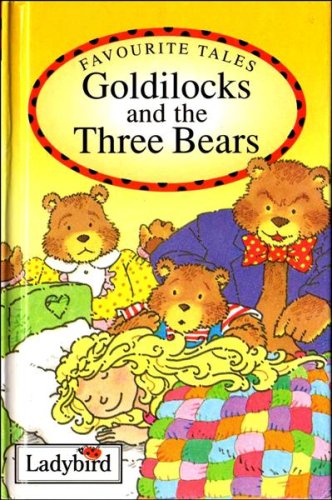
Check price of Goldilocks and the Three Bears on Amazon
What to Read Next
- Goldilocks and the Three Bears by Jan Brett: an illustrated retelling
- The Three Little Pigs by Paul Galdone: another classic
- The Story of the Three Bears by Robert Southey: the early version
Frequently Asked Questions
Who wrote Goldilocks and the Three Bears?
It is a traditional tale; Robert Southey wrote an early version.
What is the moral?
Respect others' homes.
What age is it for?
Roughly 2 to 6.
Is Goldilocks and the Three Bears worth reading?
It depends on what you want. The book is best for parents, teachers and children who want the classic story. If that describes you, it is likely a good fit. If not, the titles under What to Read Next may suit you better.
Can this summary replace reading Goldilocks and the Three Bears?
No. A summary covers the main events and ideas, but it cannot carry the author's voice, detail or pacing. Use it to decide whether to read the book, to refresh your memory or to prepare for a discussion.