
Disclaimer: This post may contain affiliate links. If you click and buy, we may make a commission at no additional charge to you. Please see our affiliate disclosure for more details.
Table of Contents
Gordon W. Prange Books In Order
Non-Fiction Books In Order
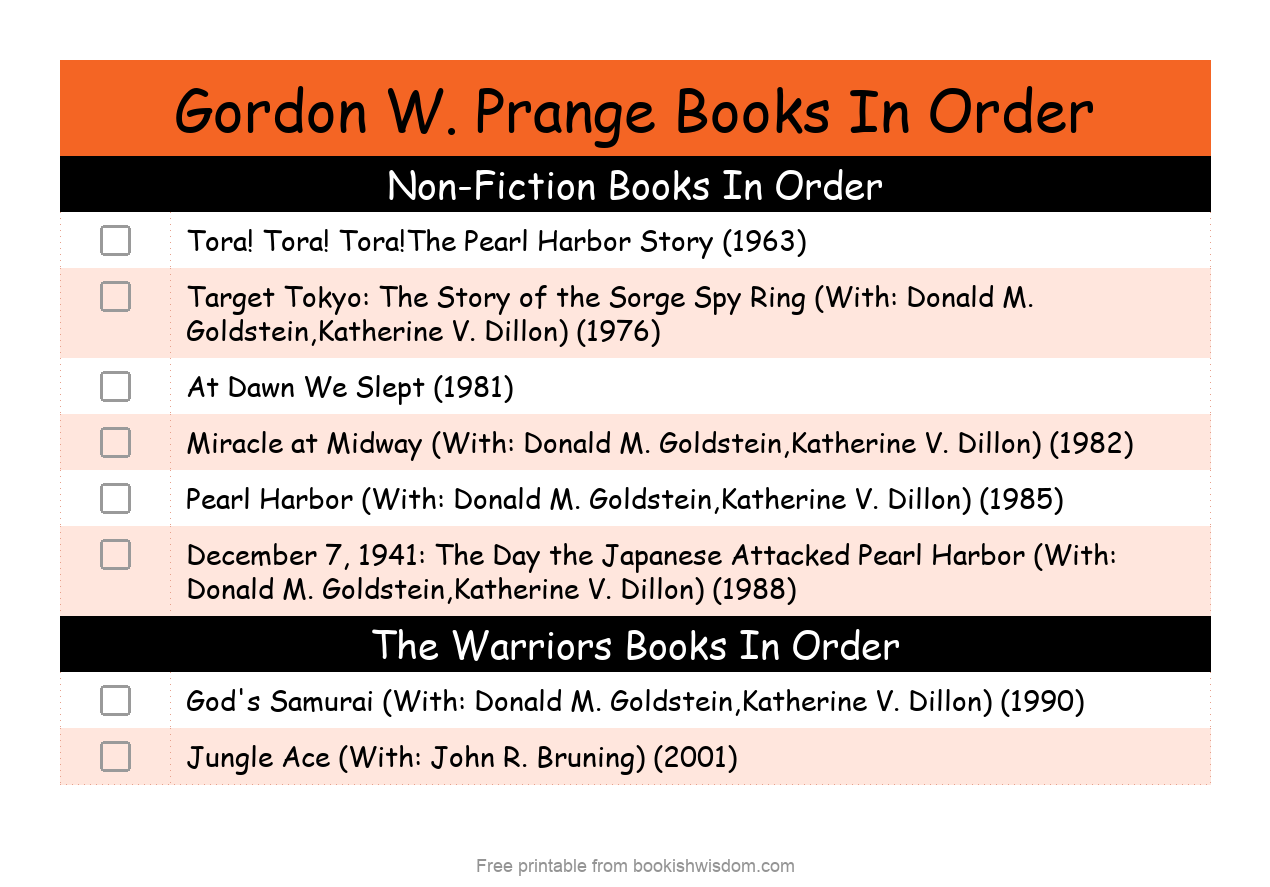
- Tora! Tora! Tora!The Pearl Harbor Story – 1963
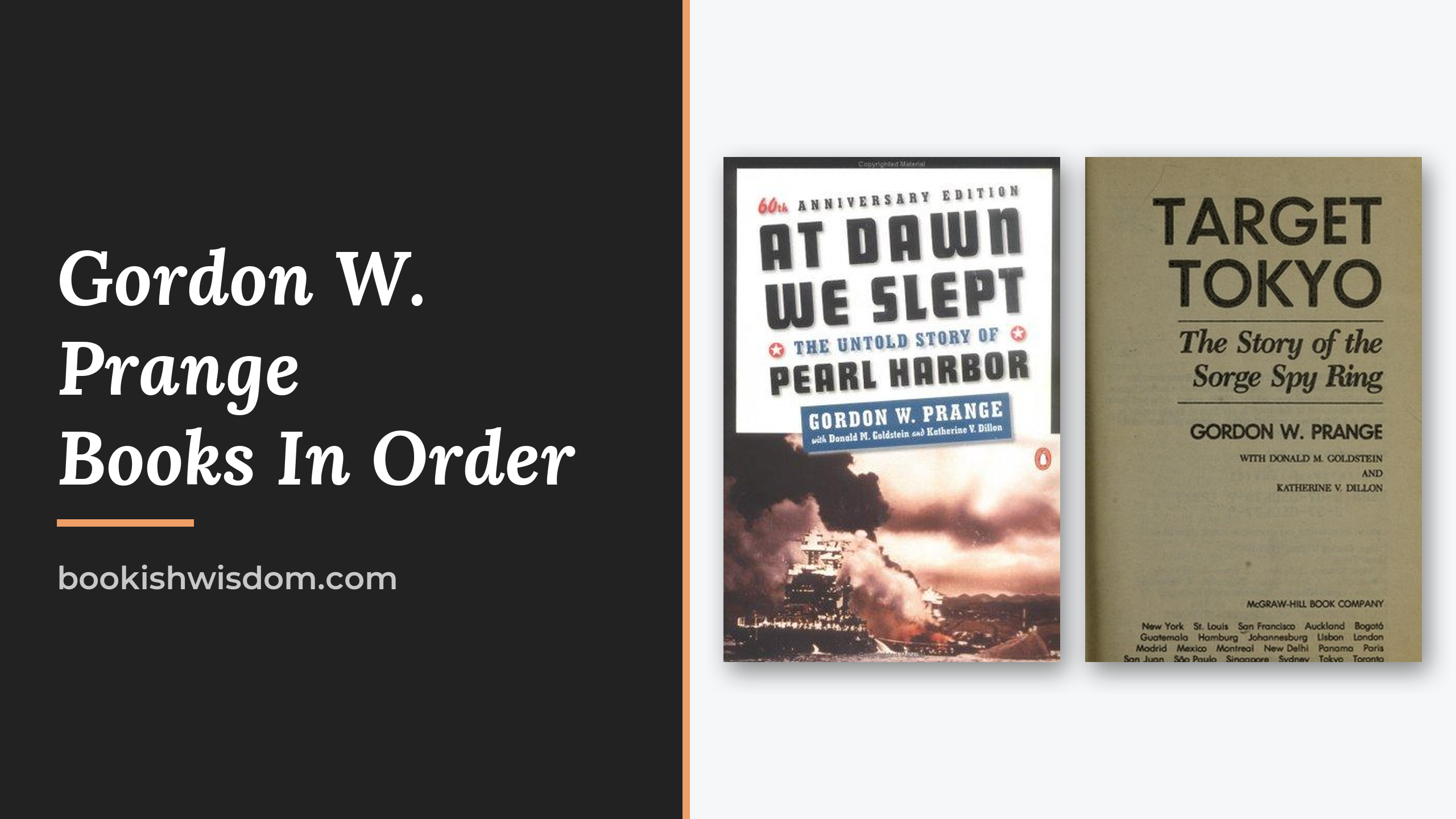
- Target Tokyo: The Story of the Sorge Spy Ring (With: Donald M. Goldstein,Katherine V. Dillon) – 1976
- At Dawn We Slept – 1981
- Miracle at Midway (With: Donald M. Goldstein,Katherine V. Dillon) – 1982
- Pearl Harbor (With: Donald M. Goldstein,Katherine V. Dillon) – 1985
- December 7, 1941: The Day the Japanese Attacked Pearl Harbor (With: Donald M. Goldstein,Katherine V. Dillon) – 1988
The Warriors Books In Order
- God’s Samurai (With: Donald M. Goldstein,Katherine V. Dillon) – 1990
- Jungle Ace (With: John R. Bruning) – 2001
Gordon W. Prange Books Checklist PDF
Below is a Gordon W. Prange book list in printable checklist sized 8.5″ x 11″.
This Link is for those who want an editable Google Sheet. To use the sheet:
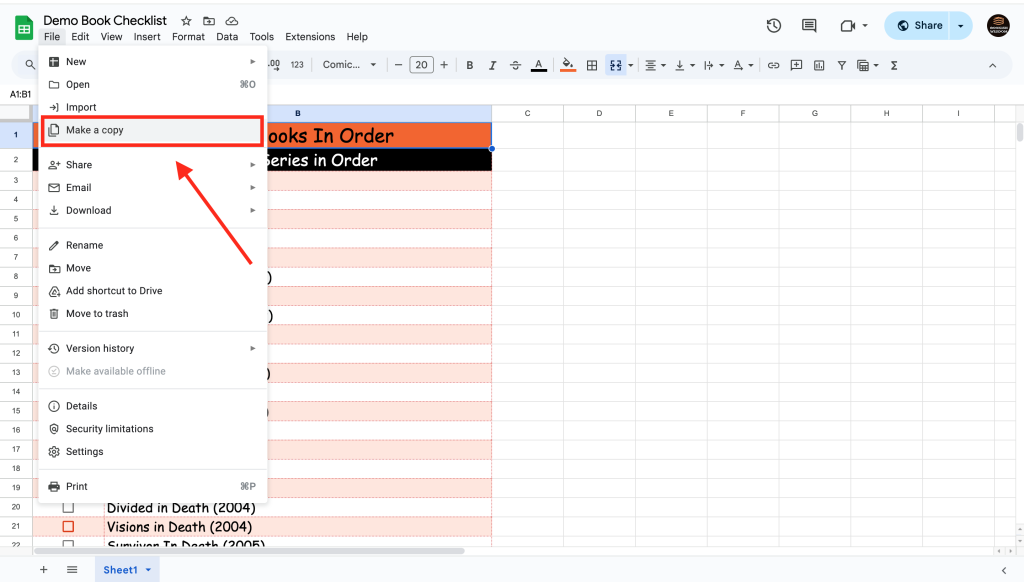
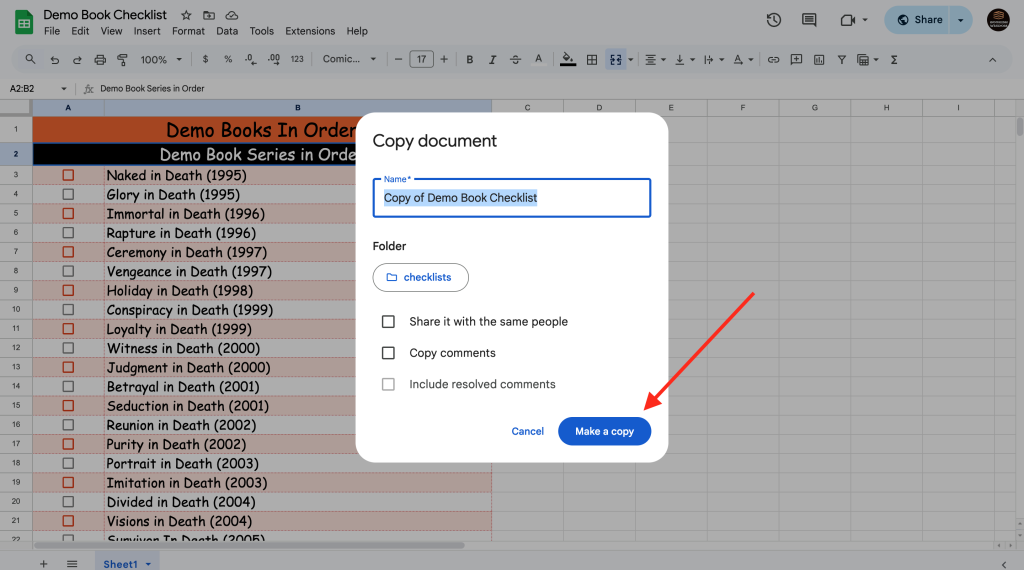
- Click on the sheet-> File-> Make a copy
- Click on Make a Copy. Then it will create a copy for you.
Now, the copied sheet is yours. You can use the sheet now.
Want the whole list on one page? Here is the complete Gordon W. Prange checklist as a single image:
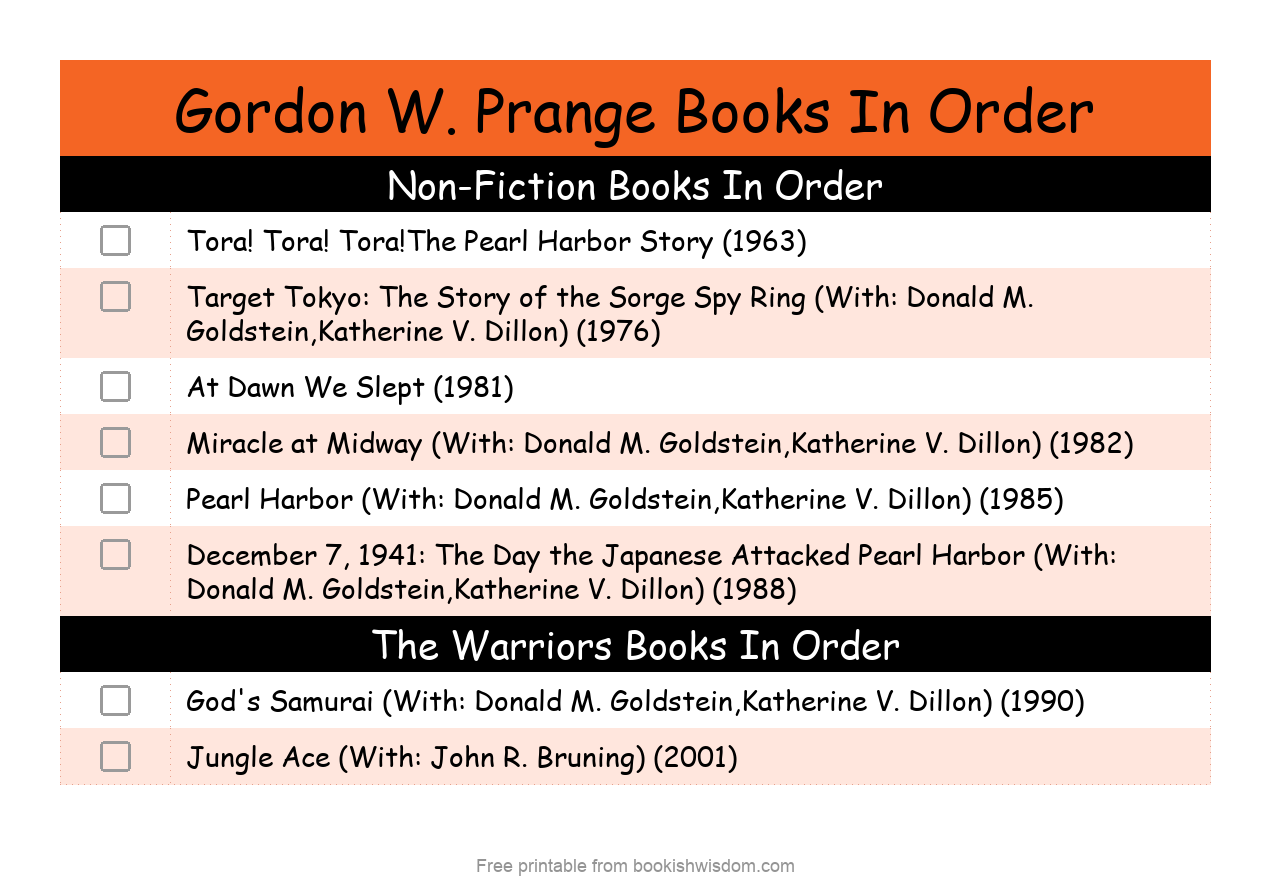
Gordon W. Prange Books In Order Printable List PDF
Top Gordon W. Prange Books to Read
Here are the top Gordon W. Prange books to read:
1. At Dawn We Slept
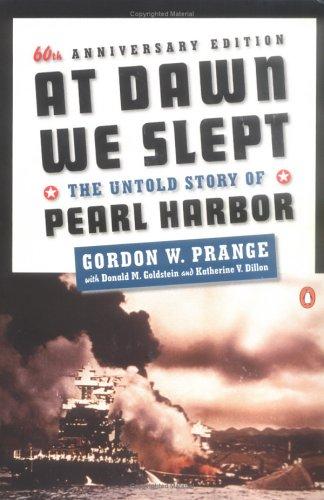
The full story of the attack on Pearl Harbor.
2. Target Tokyo: The Story of the Sorge Spy Ring
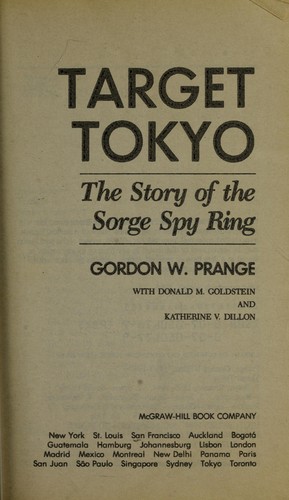
The story of a Soviet spy ring in wartime Tokyo, prepared with Donald M. Goldstein and Katherine V. Dillon.
About Gordon W. Prange
Gordon W. Prange spent much of his working life writing about World War II.
He died in 1980, and his colleagues later prepared his manuscripts for publication. He based his books on original documents and interviews with people who were there.
FAQ – Gordon W. Prange Books In Order
Q: Where should I start with Gordon W. Prange books?
A: Start with At Dawn We Slept (1981).
Q: What did he write about?
A: World War II.
Q: How did he research?
A: Original documents and interviews.