

Disclosure: As an Amazon Associate, Bookish Wisdom earns from qualifying purchases. This doesn't change our picks or your price.
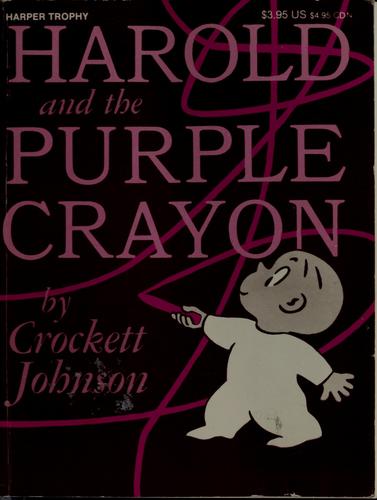
TL;DR: One night, a little boy named Harold decides to go for a walk in the moonlight. There is no moon, so he draws one with his purple crayon. He draws a path, a tree, a dragon, an ocean and a boat, inventing his adventure as he goes. When he gets tired, he draws his way home to bed.
Table of Contents
Harold and the Purple Crayon at a Glance
| Author | Crockett Johnson |
| First published | 1955 |
| Type | Picture book |
| Best for | young children who want a gentle, imaginative story about creativity |
Harold and the Purple Crayon is a picture book by Crockett Johnson, published in 1955. It became a classic and inspired sequels, a TV series and a 2024 film. Below you will find a part-by-part summary, five key takeaways, ideas worth remembering and a note on who will enjoy it.
Main Characters
- Harold: A little boy with a purple crayon.
- The purple crayon: Harold's tool for creating his world.
- The moon: Which follows Harold throughout.
- The dragon: Which Harold draws and then fears.
- The policeman: Who points Harold the way he was already going.
What Happens, Part by Part (Contains Spoilers)
A walk
Harold wants to go for a walk in the moonlight, so he draws a moon and a path. He draws a short cut across a field and an apple tree. To guard the apples, he draws a dragon, but the dragon frightens him.
The ocean
Harold's shaking hand draws waves, and he falls into an ocean. Thinking quickly, he draws a boat and sails away. He lands on a beach and has a picnic of nine kinds of pie. To finish the leftovers, he draws a moose and a porcupine.
The mountain
Harold draws a mountain to see where he is. He slips and falls, but draws a balloon to float down. He draws a house, but it is not his.
The city
Harold draws a whole city of windows, but none is his. He asks a policeman, whom he draws, but the policeman only points the way Harold is going.
The ending
Harold remembers that his bedroom window is always right around the moon. He draws it around the moon, then draws his bed and gets in. He drops his crayon and falls asleep.
5 Key Takeaways
- Imagination can create anything.
- Problems can be solved with creativity.
- Fear can be faced.
- Home is where we feel safe.
- Children can be in control of their stories.
Ideas Worth Remembering
These are paraphrased, not direct quotes:
- If you can imagine it, you can draw it.
- Quick thinking can turn danger into adventure.
- Every adventure ends best at home.
Who Should Read Harold and the Purple Crayon?
Read Harold and the Purple Crayon if you want a gentle, creative story. It suits ages 2 to 6 and is perfect for bedtime.
Questions to Think About After Reading
These prompts work for solo reading, a book club or a classroom discussion of Harold and the Purple Crayon:
- What would you draw with a magic crayon?
- How does Harold solve problems?
- How does Harold find his way home?
How to Use This Summary
Use this page as a quick reference before a book club meeting, an exam, or a decision about whether Harold and the Purple Crayon is worth your time. The takeaways are written to stand on their own. If a point interests you, go back to the book for the author's full story, characters and style, which no short summary can replace.
A Note on Accuracy and Spoilers
This summary is based on the published text of Harold and the Purple Crayon, not on any film, series or stage adaptation, which often change the story. Details are kept at the level of the main events so that nothing is invented. Editions differ slightly in length and wording, so page numbers and small details may vary between copies.
Should You Read the Book?
Yes. It is simple but brilliant, using only purple lines on white pages to tell a story of imagination. Children often want to draw their own adventures afterward. Its quiet humor appeals to adults too.
Check price of Harold and the Purple Crayon on Amazon
What to Read Next
- Harold's Fairy Tale by Crockett Johnson: another Harold adventure
- Journey by Aaron Becker: a wordless book about a magic red marker
- The Dot by Peter H. Reynolds: creativity and confidence
Related: 15 Books Like Harold and the Purple Crayon You’ll Love
Frequently Asked Questions
What is Harold and the Purple Crayon about?
A boy draws his own adventure with a purple crayon.
Who wrote it?
Crockett Johnson.
When was it published?
1955.
How does Harold get home?
He draws his window around the moon.
Are there sequels?
Yes, including Harold's Fairy Tale and Harold's Trip to the Sky.
Is there a film?
Yes, a 2024 live-action film.
What age is it for?
About 2 to 6.
How long is it?
About 64 pages.
Why is it purple?
The crayon's single color makes Harold's drawings stand out.
Is it good for bedtime?
Yes, it ends with Harold going to sleep.
What skills does it encourage?
Drawing, storytelling and creative problem-solving.
How can I use it with kids?
Give children a single crayon and paper and ask them to draw where Harold might go next, turning the story into a drawing game.
Who are the main characters in Harold and the Purple Crayon?
The main characters are Harold, the purple crayon, the moon, the dragon and the policeman. Harold: A little boy with a purple crayon. The purple crayon: Harold's tool for creating his world. The moon: Which follows Harold throughout.
Is Harold and the Purple Crayon worth reading?
It depends on what you want. The book is best for young children who want a gentle, imaginative story about creativity. If that describes you, it is likely a good fit. If not, the titles under What to Read Next may suit you better.